

Learning proper loading is vital to keep your truck safe, efficient, and in good shape. When you load correctly, you reduce the risk of accidents, protect your cargo, and extend your vehicle’s lifespan. Proper weight distribution improves handling and fuel efficiency, while avoiding overloading prevents costly damages and penalties. By mastering these techniques, you’ll guarantee safer travels and fewer maintenance issues. Keep going to discover essential tips that help you stay ahead on the road.

Get business pricing on garage and car supplies
- Business-only prices and quantity discounts
- Tax-exempt purchasing
- Multiple users, one account, clear invoices
Key Takeaways
- Proper loading enhances safety by preventing cargo shifts and maintaining vehicle control.
- Correct weight distribution reduces tire wear, improves handling, and increases fuel efficiency.
- Learning proper loading helps avoid penalties and legal issues related to overloading.
- It minimizes vehicle wear and tear, lowering maintenance costs and extending vehicle lifespan.
- Consistent, safe loading practices ensure reliable deliveries and protect both cargo and drivers.
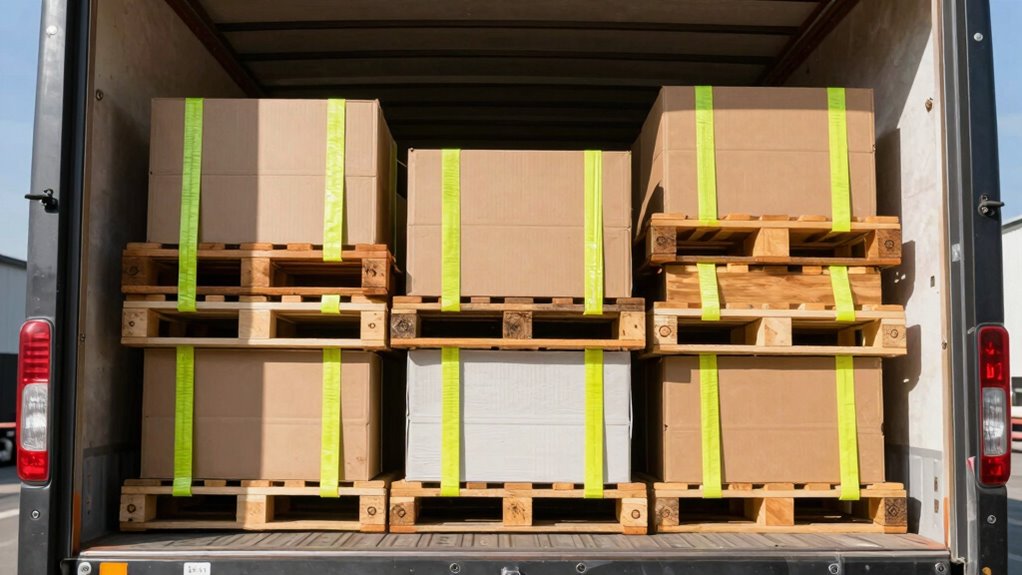
Proper loading isn’t just about making sure your truck is packed; it’s crucial for safety, efficiency, and the longevity of your vehicle. When you understand how to load correctly, you considerably reduce the risk of accidents caused by shifting cargo or uneven weight distribution. Cargo safety is paramount, and the way you load your truck directly impacts how secure your cargo remains during transit. Properly securing and balancing your load prevents items from falling, shifting, or causing damage, protecting both your cargo and other drivers on the road.
Proper loading enhances safety, protects cargo, and extends your vehicle’s lifespan through secure, balanced, and efficient transportation.
Weight distribution plays a critical role in how your truck handles. If heavy items are placed improperly—say, too far forward or backward—you can cause steering issues, increased tire wear, or even brake problems. When you learn to distribute weight evenly across the axles, your vehicle maintains better stability, accelerates more smoothly, and brakes more effectively. This not only enhances safety but also improves fuel efficiency, as a well-balanced load reduces unnecessary strain on your engine and suspension. Additionally, understanding the importance of proper weight distribution helps prevent overloading in specific areas that could compromise vehicle integrity. Proper loading techniques also involve awareness of vehicle capacity limits, which is essential to prevent overloading and potential penalties.
It’s tempting to prioritize quick loading, especially when you’re on tight schedules, but neglecting proper techniques can have costly consequences. Overloading the rear of your truck, for example, might seem like a shortcut, but it can lead to dangerous fishtailing or loss of control. Conversely, underloading or uneven loading can cause poor traction, especially in adverse weather conditions. When you take the time to understand the principles of proper loading, you’re ensuring your truck operates within safe weight limits and maintains ideal handling characteristics.
You should also be aware that improper loading affects more than just safety; it impacts your vehicle’s lifespan. Excessive or uneven weight puts unnecessary stress on the suspension, tires, and drivetrain, accelerating wear and increasing maintenance costs. By mastering cargo safety and weight distribution, you preserve your truck’s components and extend its service life. Proper loading isn’t a one-time skill; it’s an ongoing practice that saves you money, keeps you safe, and ensures your deliveries arrive intact. Regularly inspecting your cargo and adjusting as needed can also help maintain safety and efficiency over time.
In short, learning how to load your truck correctly is a crucial skill for any owner. It’s about more than just filling space; it’s about safeguarding your cargo, maintaining control, and protecting your investment. When you prioritize proper loading techniques, you’re making a conscious choice to operate more safely, efficiently, and responsibly on every journey.
As an affiliate, we earn on qualifying purchases.
Frequently Asked Questions
How Often Should I Recheck My Load During Transit?
You should recheck your load securing and weight distribution frequently during transit, ideally every 2 to 3 hours or after hitting rough terrain or stops. Regular checks help you catch shifts or loose items early, preventing accidents. Keep an eye on the load, guaranteeing everything stays balanced and secure. Properly maintaining load security and weight distribution minimizes risks, keeps you compliant with regulations, and ensures a safe, smooth journey.
What Are the Common Signs of Improper Loading?
Like a ship unsteady on rough waters, improper loading shows itself through uneven load distribution, making your truck sway or feel unstable. You’ll notice securing cargo loosening or shifting, increased tire wear, or uneven braking. These signs indicate your load isn’t balanced or secured properly. Recognizing these issues early helps you correct load distribution and secure cargo effectively, ensuring safety and efficiency on every journey.
Does Proper Loading Impact Fuel Efficiency Significantly?
Proper loading considerably impacts your fuel efficiency because it guarantees better cargo stability and ideal weight distribution. When your load is balanced, your engine works less hard to maintain stability, reducing fuel consumption. Overloading or uneven weight distribution causes drag and strain on the vehicle, making it less aerodynamic and increasing fuel use. By learning proper loading techniques, you help your truck run smoothly and save money on fuel costs.
Are There Any Legal Regulations for Truck Loading?
Yes, there are legal regulations for truck loading. You must follow rules regarding weight distribution to prevent overloading and guarantee safety on the road. Proper cargo security is also mandated to avoid shifting during transit, which can cause accidents. These regulations vary by jurisdiction but generally aim to protect drivers, other road users, and infrastructure. Staying compliant helps you avoid fines and ensures your cargo arrives safely.
How Can I Train Employees on Proper Loading Techniques?
You can train employees on proper loading techniques by implementing thorough employee training focused on loading safety. Use hands-on demonstrations, clear instructions, and safety protocols to ensure they understand weight distribution, securing cargo, and load balancing. Regularly review and reinforce these practices, and encourage questions to promote a safety-first mindset. Consistent training helps prevent accidents, improves efficiency, and guarantees everyone adheres to proper loading standards.
As an affiliate, we earn on qualifying purchases.
Conclusion
By mastering proper loading, you’re not just stacking cargo—you’re steering clear of chaos, much like a captain guiding a ship through stormy seas. Remember, every well-balanced load is a step toward safety, efficiency, and peace of mind. As the old saying goes, “A chain is only as strong as its weakest link,” so take the time to learn, because a secure load isn’t just good practice—it’s your safeguard on the road.
As an affiliate, we earn on qualifying purchases.
As an affiliate, we earn on qualifying purchases.
Fall Picks
fall essentials
As an affiliate, we earn on qualifying purchases.