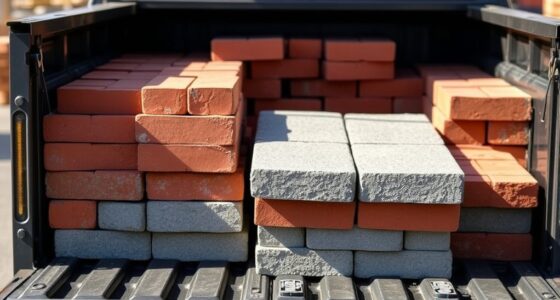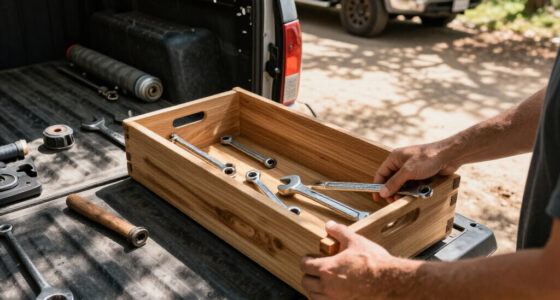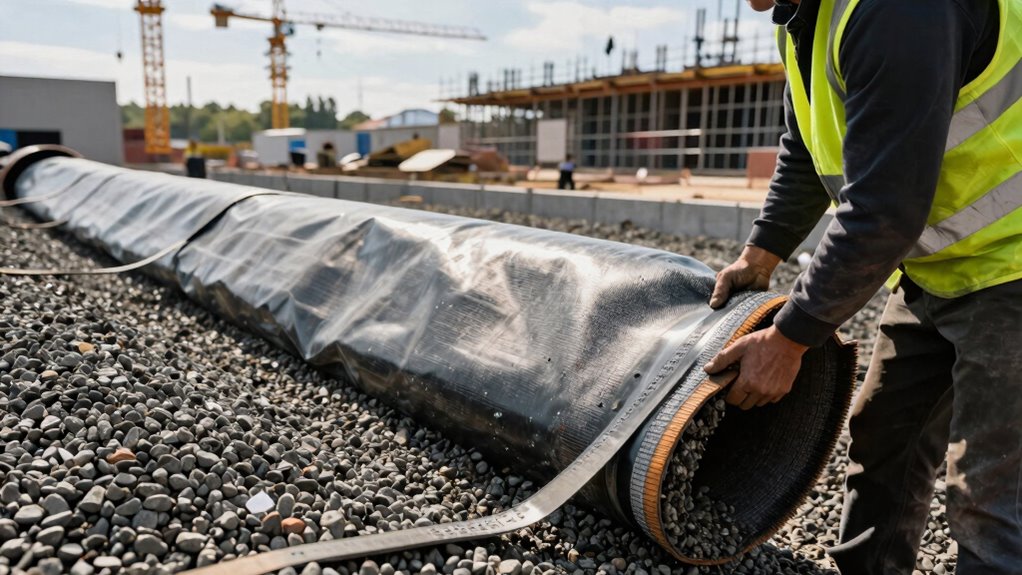

To safely transport loose materials without containers, you should use containment methods like tarps, nets, or custom covers to prevent materials from escaping. Secure the load with straps, ropes, or chains, and guarantee the vehicle has barriers or sides to contain items. Regularly check your equipment for looseness and make sure personnel are trained in proper securing techniques. Paying attention to these safety steps can reduce risks—continue for more tips to keep your transport safe and efficient.

Get business pricing on garage and car supplies
- Business-only prices and quantity discounts
- Tax-exempt purchasing
- Multiple users, one account, clear invoices
Key Takeaways
- Use tarps, nets, or custom covers to contain loose materials and prevent scattering during transit.
- Secure materials with straps, ropes, or chains, ensuring tight and proper attachment to prevent shifting.
- Equip transport platforms with sides, barriers, or guardrails suitable for the material type.
- Conduct risk assessments and train personnel on proper securing techniques and safety protocols.
- Regularly inspect containment methods and vehicle conditions to detect and address any loosening or hazards.
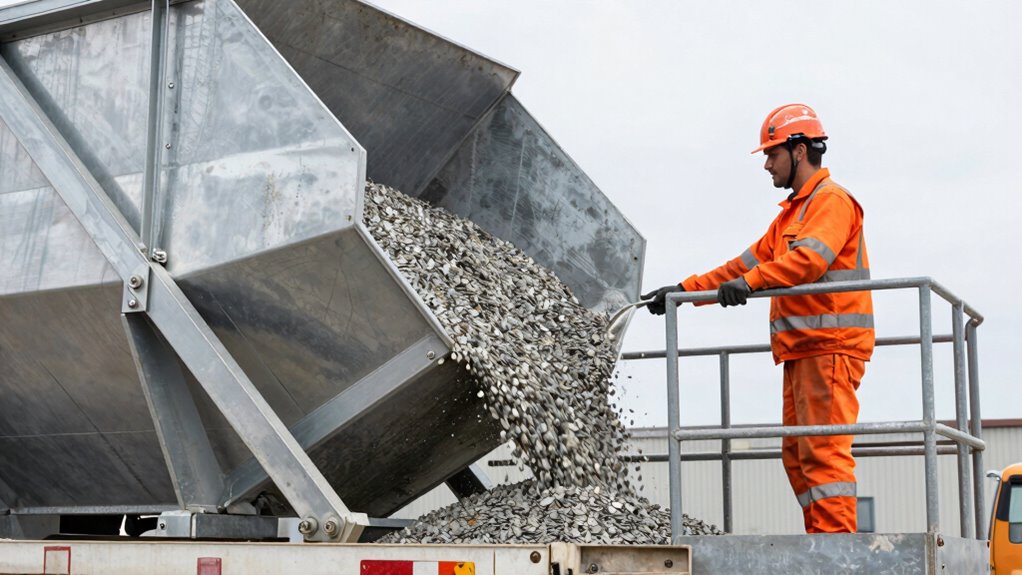
Transporting loose materials safely is essential to prevent accidents, injuries, and property damage. When you’re moving materials without traditional containers, proper material containment becomes your top priority. You need to ensure that the loose items stay secure during transit, so they don’t spill, shift, or cause hazards along the way. This means selecting the right methods and equipment to hold your materials firmly in place. Using tarps, nets, or custom-fitted covers can help contain loose items effectively. These tools prevent materials from escaping or scattering, especially during transportation over uneven surfaces or sharp turns. Remember, the goal is to keep everything contained without relying solely on rigid containers, which might not always be feasible.
Implementing safety protocols is crucial when handling loose materials. Before you start, assess the specific risks involved, such as the weight, size, and nature of the materials. Develop a plan that includes steps to secure everything properly and minimize movement during transit. Always check that your vehicle or transport platform is suitable for the load you’re carrying. For example, if you’re moving gravel or soil, ensure the bed has sides or barriers to prevent spillage. When necessary, use straps, ropes, or chains to tie down loose materials, making sure they’ve been tightened correctly. Regularly inspect your containment methods during transit to catch any signs of shifting or loosening. Understanding how sound vibrations can influence stability might also be useful in optimizing your containment strategies. Additionally, ensure that all personnel involved are trained on safety procedures—know how to secure materials properly and recognize signs of potential hazards. Proper containment techniques are essential for maintaining safety and efficiency during transportation. Communicating clearly with anyone assisting you to coordinate movements and avoid sudden shifts that could cause spills or injuries. Being aware of material behavior during transit can further enhance safety by helping anticipate how different materials respond to movement and vibrations. Incorporating containerless transport methods can sometimes provide more flexibility in managing irregularly shaped or loose materials. Being aware of the importance of secure containment ensures that the materials remain safely in place throughout the journey. Remember, safety protocols aren’t just guidelines—they’re your best defense against harm.
heavy duty tarp for cargo containment
As an affiliate, we earn on qualifying purchases.
As an affiliate, we earn on qualifying purchases.
Frequently Asked Questions
What Types of Loose Materials Are Safest to Transport Without Containers?
You should prioritize transporting materials with high stability, such as dry grains or pellets, which are less likely to spill. For safer transport without containers, consider alternatives like secure tarps, mesh bags, or specialized trays that help contain the material. Always guarantee the material’s stability and choose appropriate container alternatives to prevent accidents. Properly securing and balancing these materials minimizes risks during transit, keeping you and others safe.
Are There Specific Permits Required for Transporting Loose Materials?
Transporting loose materials without containers isn’t a walk in the park—you need specific permits! You’ll want to check permitting regulations that apply to your materials, as they vary by type and destination. Often, transportation licenses are required to guarantee compliance with safety standards. Failing to obtain these permits can lead to hefty fines or dangerous accidents. Always verify with local authorities to stay compliant and keep your journey smooth and safe.
How Can I Prevent Spillage During Transportation?
You can prevent spillage during transportation by carefully selecting appropriate packaging materials, like tarps or heavy-duty covers, to secure loose materials. Make certain these materials comply with transportation regulations to avoid violations. Tighten all securing devices and regularly check them during transit. Using barriers or dunnage can also help keep materials in place. Proper planning and adherence to regulations make sure your load stays contained and safe throughout the journey.
What Is the Best Type of Vehicle for Transporting Loose Materials?
The best vehicle for transporting loose materials is a dump truck or a flatbed with side supports. You should regularly perform vehicle maintenance to guarantee safety and efficiency. Use proper loading techniques, like evenly spreading the material and avoiding overloading, to prevent spillage. Securing loose materials with tarps or nets during transit also helps, while making sure the vehicle is well-maintained keeps everything running smoothly and minimizes risks during transportation.
How Do I Secure Loose Materials in Windy Conditions?
Imagine your loose materials as a flock of birds needing shelter from a storm. To shield them, use wind stabilization techniques like tarps or netting, ensuring they stay grounded. Secure the edges tightly, preventing gusts from lifting them away. Material containment is key—think of heavy weights or stakes that hold everything in place. With these measures, you keep your cargo safe and steady, even in the fiercest wind.
As an affiliate, we earn on qualifying purchases.
Conclusion
To transport loose materials safely, plan ahead, choose the right tools, and secure everything properly. Protect yourself, protect others, and protect the environment by following safety guidelines. Use the right equipment, stay alert, and double-check your setup before moving. Remember, safety isn’t a one-time task but a continuous process. Keep these steps in mind, stay cautious, and transport your materials confidently, knowing you’re doing it right every step of the way.
truck bed barriers and guardrails
As an affiliate, we earn on qualifying purchases.
As an affiliate, we earn on qualifying purchases.
As an affiliate, we earn on qualifying purchases.
Fall Picks
fall essentials
As an affiliate, we earn on qualifying purchases.