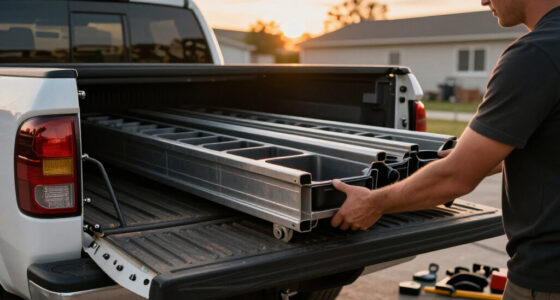

To load a truck bed safely alone, start by planning your lift—assess weight and use ramps or carts if possible. Use proper lifting techniques, like bending your knees and keeping loads close to your body. Secure items with straps or tie-downs, and place heavy objects near the cab for better balance. Always check your load before driving to verify stability. To discover more tips on injury-free loading, keep exploring these simple but effective strategies.

Get business pricing on garage and car supplies
- Business-only prices and quantity discounts
- Tax-exempt purchasing
- Multiple users, one account, clear invoices
Key Takeaways
- Use ramps or dollies to move heavy items instead of lifting manually.
- Secure cargo immediately with straps or tie-downs to prevent shifting during loading.
- Lift with your legs, keep loads close to your body, and avoid twisting to prevent injury.
- Plan the load to distribute weight evenly, reducing strain and maintaining vehicle balance.
- Perform a final walk-around to ensure cargo is secure and free of hazards before driving.

Loading a truck bed alone can seem intimidating, but with the right approach, you can do it efficiently and safely. The key is understanding the importance of vehicle maintenance and prioritizing loading safety. Before you even start loading, make sure your truck is in good condition—tires properly inflated, brakes functioning well, and the bed’s tie-down points accessible and secure. Regular vehicle maintenance not only keeps your truck reliable but also ensures it can handle the weight and stress of loading and hauling loads safely. Taking a few moments for checkups can prevent accidents caused by mechanical failures.
Proper vehicle maintenance ensures safe, reliable truck loading and prevents accidents caused by mechanical failures.
When you’re ready to load, plan your approach carefully. Start by evaluating the weight and size of the items you’re loading. Heavy objects should go in first, near the cab, to maintain better balance and prevent the load from shifting during transit. Use dollies or carts whenever possible to reduce the physical strain and minimize the risk of injury. Always lift with your legs, not your back, and keep the load close to your body to maintain stability. If an item is too heavy or awkward, seek assistance or use tools like straps or ramps to help lift or move it safely. Proper vehicle maintenance and careful planning are essential to ensure your load remains secure during transit. Additionally, understanding exertion and fatigue can help you prevent overexertion while lifting. Incorporating proper lifting techniques can further reduce your risk of injury and make the process more manageable.
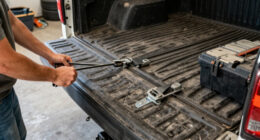
Loading safety isn’t just about proper lifting techniques; it also involves securing your cargo correctly. Use ratchet straps, bungee cords, or tie-downs to lock items in place. Loose cargo can slide or fall, creating hazards for you and other drivers. When securing loads, double-check that everything is tight and balanced. Distributing weight evenly across the bed helps improve vehicle stability and handling. Remember, overloading your truck can strain your vehicle’s suspension and brakes, increasing the risk of accidents or damage, so always stay within the recommended weight limits.
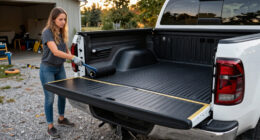
As you load, keep an eye on your footing and surroundings. Clear the area of obstacles or slippery spots to avoid slips and trips. Use ramps or steps if necessary to reach higher items, and never climb into the truck bed without stable footing or assistance. Being aware of your physical capabilities can help prevent injuries during lifting and moving tasks. Once you finish loading, do a final walk-around to ensure everything is secure, balanced, and properly tied down. This final check is essential for loading safety and protecting your vehicle’s condition. By maintaining your vehicle properly and following safe loading practices, you minimize the risk of injury and keep your truck ready for reliable, safe operation every time.
Products Worth Considering

DEWALT 20V MAX 1/4-Inch Impact Driver Kit with Battery and Charger (DCF787D1)

NOCO Boost GBX75 2500A UltraSafe Jump Starter, 12V Lithium Battery Booster

Innova 5610 OBD2 Bidirectional Scan Tool
As an affiliate, we earn on qualifying purchases.
Frequently Asked Questions
What Safety Gear Should I Wear When Loading a Truck Bed Alone?
You should wear personal protective equipment like gloves, sturdy boots, and a back brace to protect yourself while loading a truck bed alone. Use proper loading techniques, such as bending your knees and keeping your back straight, to minimize injury risk. Always assess your load’s weight and stability before lifting, and consider using tools like ramps or dollies to make the process safer and easier.
How Do I Secure Loads to Prevent Shifting During Transportation?
You should secure tie downs tightly to prevent your load from shifting during transport. Use appropriate straps or ropes, ensuring they’re fastened to solid anchor points. Distribute weight evenly across the truck bed to maintain balance and stability. Check that all loads are snug and secure before driving. Properly securing your cargo with secure tie downs and proper weight distribution minimizes the risk of accidents and keeps your load safe throughout the journey.
What Is the Maximum Weight I Should Load Into My Truck Bed?
You should never exceed your truck’s load capacity, which is usually listed on the door frame or in the owner’s manual. To guarantee safety, focus on proper weight distribution, keeping heavier items centered and low to maintain balance. Overloading risks damage and accidents, so regularly check your truck’s specified load capacity. Staying within these limits helps prevent strain on your vehicle and keeps you safe during transportation.
How Can I Prevent Damage to My Truck Bed While Loading?
Think of your truck bed as a delicate canvas that needs careful handling. To prevent damage, focus on proper load distribution techniques, spreading weight evenly across the bed. Regular truck bed maintenance, like inspecting for scratches or dents, keeps it pristine. Use protective mats or blankets to shield the surface from sharp or heavy items. By treating your truck bed like a treasured artwork, you guarantee its longevity and safe, damage-free loading.
Are There Ergonomic Tools to Help Load Heavy Items Alone?
Yes, ergonomic equipment can help you load heavy items safely. Look for lifting tools like dollies, hand trucks, or lifting straps to reduce strain. Use proper lifting techniques—bend your knees, keep your back straight, and lift with your legs. These tools and techniques work together to make heavy loads manageable and prevent injuries, enabling you to load your truck bed alone more efficiently and safely.
Conclusion
Loading a truck bed alone might seem like a solitary journey, but remember, each carefully placed item is like a stepping stone across a river. With patience and proper technique, you become the captain of your own vessel, steering safely through the task. Trust in your strength and caution as your compass, guiding you to shore without injury. Ultimately, your careful efforts craft a sturdy bridge, connecting effort to accomplishment with safety at the core.