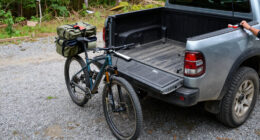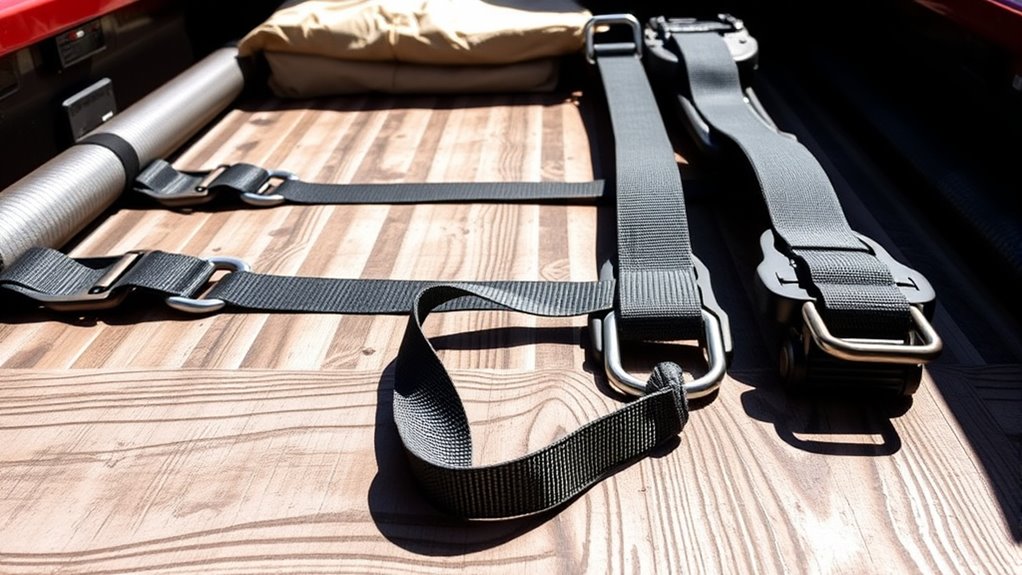

To use ratchet straps correctly, attach hooks securely to proper anchor points, thread the strap through the ratchet from the bottom, and tighten it evenly without overdoing it. Avoid common mistakes like twisting or over-tightening the strap, which can cause damage or unsafe conditions. Always check straps for wear and ensure they’re properly aligned. If you want to prevent mishaps and master safe securing techniques, keep exploring these essential tips.

Get business pricing on garage and car supplies
- Business-only prices and quantity discounts
- Tax-exempt purchasing
- Multiple users, one account, clear invoices
Key Takeaways
- Attach hooks securely to proper anchor points on opposite sides of the load.
- Thread the strap through the ratchet from the bottom and pull to remove slack before tightening.
- Keep straps flat, aligned, and avoid twisting to prevent jams and ensure even tension.
- Do not over-tighten; maintain snug tension without risking damage or cargo crushing.
- Always inspect straps for damage, proper attachment, and correct tension throughout transit.
heavy-duty ratchet straps for cargo
As an affiliate, we earn on qualifying purchases.
As an affiliate, we earn on qualifying purchases.
Proper Techniques for Securing Cargo With Ratchet Straps
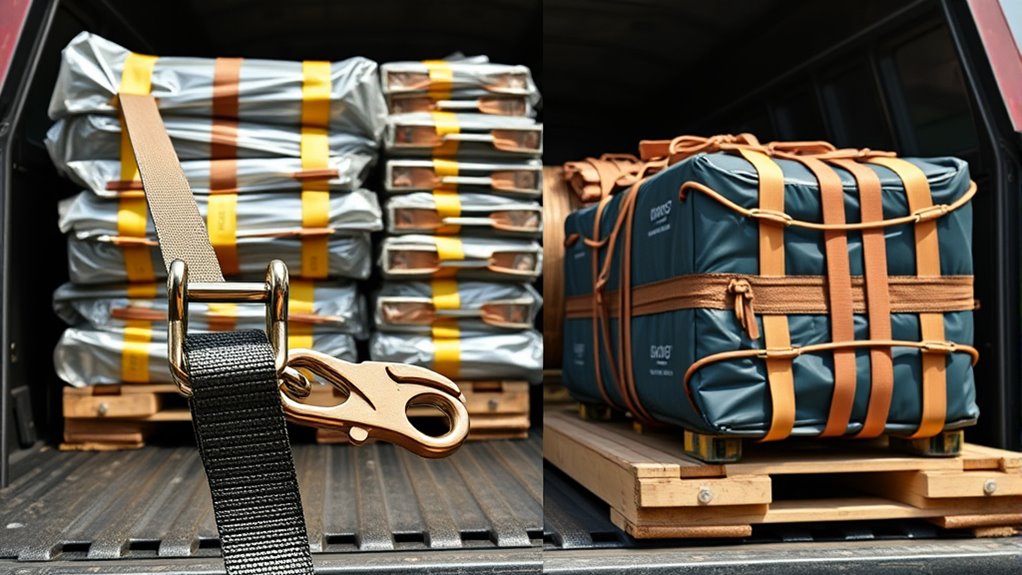
To securely fasten cargo with ratchet straps, you need to follow proper securing techniques to prevent shifting or accidents. Start by attaching each hook to an anchor point on opposite sides of the load, making sure they’re secure and stable. Thread the strap through the ratchet mechanism from the bottom side, pulling it through until you feel resistance. Pull excess slack out before cranking the ratchet handle to tighten the strap. Keep the strap aligned to avoid tangling or twisting. Once tight, ensure the strap is snug but not over-tightened, which could damage the cargo or strap. Confirm all hooks are securely attached and the strap is flat against the load. Proper technique minimizes movement and keeps your cargo safe during transport. Additionally, using proper tensioning methods ensures the load remains secure without damaging the cargo or the straps.
adjustable ratchet strap with hooks
As an affiliate, we earn on qualifying purchases.
As an affiliate, we earn on qualifying purchases.
Common Mistakes and How to Avoid Them
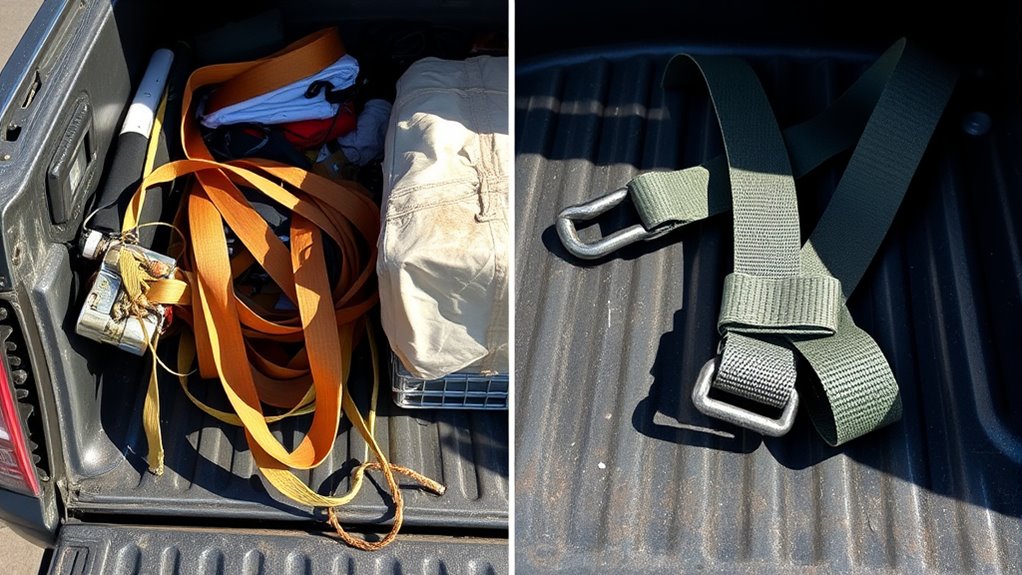
Many common mistakes can compromise the effectiveness and safety of your cargo securing process. To avoid issues, watch out for these errors:
Avoid common cargo securing mistakes to ensure safety and effectiveness.
- Thread the strap from the wrong side, preventing proper tightening.
- Over-tighten, risking strap damage or cargo crushing.
- Use straps with an inadequate WLL for your load weight.
- Fail to keep the strap aligned, causing tangles or jams.
- Forget to check the strap’s condition before use, risking failure.
- Ignoring smart appliance features can also lead to improper tensioning and safety oversights.
As an affiliate, we earn on qualifying purchases.
Frequently Asked Questions
How Do I Choose the Right Strap Width for My Cargo?
You choose the right strap width based on your cargo’s weight and size. For heavier loads, opt for wider straps like 2 inches, which have higher WLL and provide better security. For lighter or smaller items, 1-inch straps work well and are easier to handle. Always check the strap’s WLL to match it to your cargo’s weight, ensuring safe and secure transportation without risking damage or failure.
Can I Use a Ratchet Strap for Heavy-Duty and Light Loads Interchangeably?
You shouldn’t use a ratchet strap designed for light loads on heavy-duty cargo or vice versa. Light-duty straps often lack the strength and WLL needed for heavier items, risking failure and safety hazards. Always check the WLL on the strap and match it to the load’s weight. Using the proper strap for each load guarantees secure fastening and prevents accidents, keeping you safe during transport.
What’s the Best Way to Inspect Straps Before Use?
Did you know that poorly inspected straps cause over 80% of securing failures? To inspect, first check for fraying, cuts, or tears in the webbing; any damage compromises strength. Next, examine the ratchet mechanism for rust or corrosion, and make sure hooks are free of rust and deformation. Finally, verify the WLL matches your cargo’s weight. If anything looks worn or damaged, replace the strap before use.
How Do I Properly Store Ratchet Straps to Extend Their Lifespan?
You should store ratchet straps in a cool, dry place away from direct sunlight to prevent material degradation. Coil them neatly to avoid kinks and tangles, and keep them out of heavy traffic areas to prevent damage. Make sure they’re clean and completely dry before storing. Avoid sharp edges or chemicals that could weaken the straps. Proper storage extends their lifespan and keeps them safe for future use.
Are There Specific Safety Standards I Should Look for on the Straps?
Think of safety standards like a recipe for a perfect cake; they guarantee everything turns out safe and reliable. When choosing ratchet straps, look for markings that specify compliance with industry standards like ANSI or OSHA. Check the WLL and ensure the straps are made from durable materials. These standards help prevent accidents, so always verify the labels before securing your cargo, keeping safety your top priority.
As an affiliate, we earn on qualifying purchases.
Conclusion
Mastering the art of ratchet straps is like weaving a tight, unbreakable web—your cargo’s fortress on wheels. When you secure with precision and attention, you create a symphony of safety that withstands life’s bumps and jolts. But slip into shortcuts or copy bad habits, and your cargo becomes a fragile leaf in a storm. So, tighten with care, and let your knowledge be the guiding star that keeps everything firmly in place on your journey.
Halloween Picks
halloween
As an affiliate, we earn on qualifying purchases.