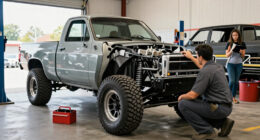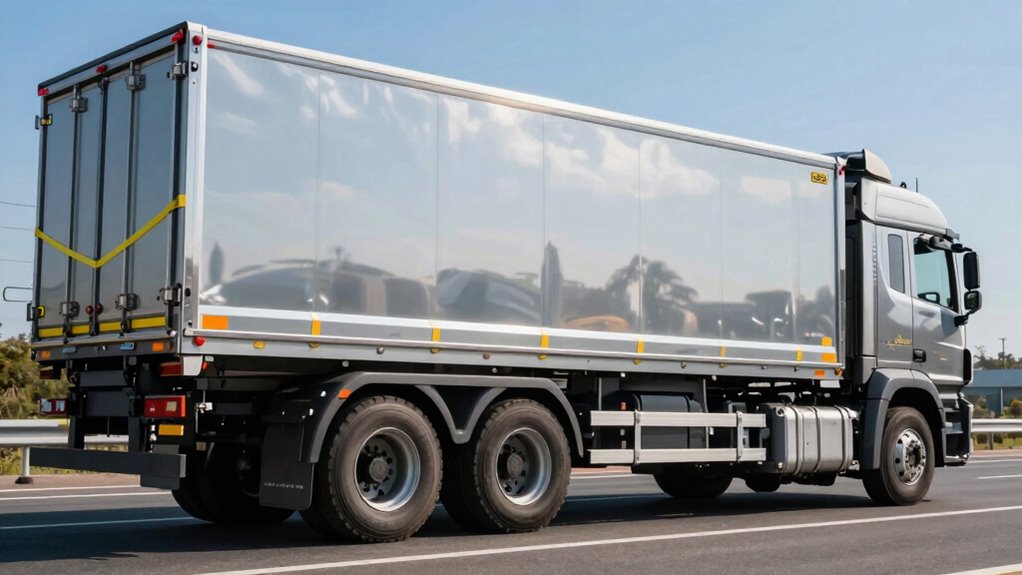

Proper loading helps you save fuel and extend tire life by ensuring your vehicle stays balanced, reducing strain on tires and suspension. When weight is distributed evenly, it improves handling, minimizes uneven tire wear, and lowers rolling resistance, which boosts fuel efficiency. Securing heavy items low and centered stabilizes your vehicle’s center of gravity, preventing other performance issues. Keep these tips in mind to get better performance and longer-lasting tires—there’s more to discover.

Get business pricing on garage and car supplies
- Business-only prices and quantity discounts
- Tax-exempt purchasing
- Multiple users, one account, clear invoices
Key Takeaways
- Proper loading ensures even weight distribution, reducing stress on tires and suspension components.
- Correct cargo placement maintains vehicle balance, improving handling and fuel efficiency.
- Well-balanced loads prevent uneven tire wear, extending tire lifespan and reducing replacement costs.
- Properly loaded vehicles require less engine effort, leading to lower fuel consumption.
- Combining proper loading with tire maintenance minimizes mechanical issues and enhances overall vehicle performance.
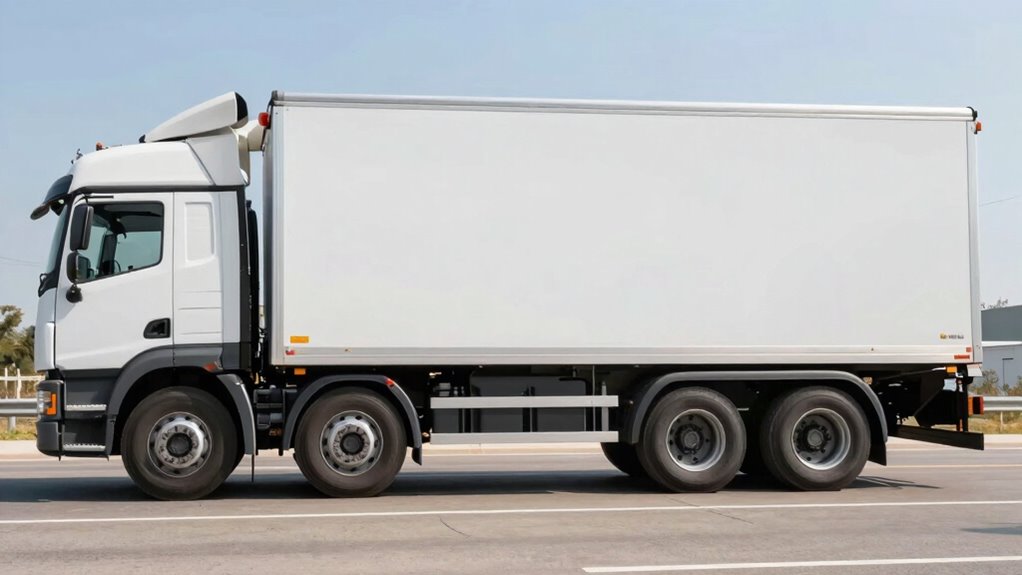
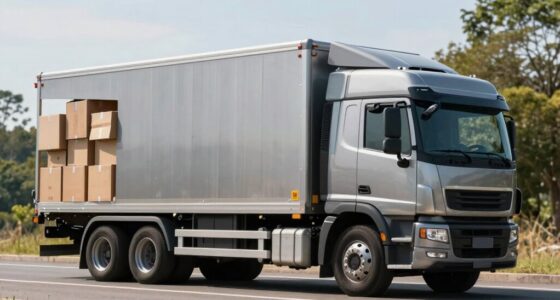
Did you know that how you load your vehicle can substantially impact your fuel efficiency and tire longevity? Proper cargo distribution is key to maintaining optimal driving conditions. When you load your vehicle unevenly, it puts unnecessary stress on certain tires and suspension components, leading to uneven tire wear and potential mechanical issues down the line. To get the most out of your fuel and tires, ensure that the weight inside your vehicle is evenly spread from side to side and front to back. This balanced approach not only improves handling but also helps your tires maintain proper contact with the road surface, reducing rolling resistance and conserving fuel. Remember, heavy items should be secured low and centered to keep the vehicle’s center of gravity stable, which directly impacts safety and efficiency.
Equally important is maintaining the right tire pressure. Under-inflated tires create more rolling resistance, which means your engine has to work harder, wasting fuel and accelerating tire wear. Over-inflated tires, on the other hand, can lead to a rougher ride and uneven tire contact with the pavement, causing premature tread wear and reducing grip. Regularly check your tire pressure, especially after loading your vehicle, since added weight can cause pressure to drop. Many vehicles have recommended pressure levels printed on the driver’s door frame or in the owner’s manual. Keeping your tires inflated to the correct levels ensures they wear evenly, last longer, and optimize your fuel economy.
When you combine proper cargo distribution with vigilant tire pressure checks, you set yourself up for a more efficient and cost-effective drive. Distributing weight wisely reduces strain on your tires, helping them maintain their shape and tread over time. This means you won’t have to replace tires as often, saving you money and avoiding unexpected breakdowns. Additionally, correctly inflated tires improve fuel economy because they roll more smoothly on the road, requiring less energy from your engine. It’s a simple practice that pays off in the long run through better mileage, longer-lasting tires, and a safer driving experience.
In essence, paying attention to how you load your vehicle and maintaining the right tire pressure isn’t just about convenience; it’s about making smarter choices that extend the life of your tires and save you fuel. Small adjustments, like evenly distributing cargo and regularly checking tire pressure, can make a big difference in your overall vehicle performance. It’s a proactive step that keeps your vehicle running efficiently, saves money, and keeps you safer on the road.
vehicle cargo load balancing system
As an affiliate, we earn on qualifying purchases.
As an affiliate, we earn on qualifying purchases.
Frequently Asked Questions
How Does Uneven Loading Affect Vehicle Handling?
Uneven loading affects your vehicle’s handling by shifting the center of gravity, making it less stable, especially during turns or sudden stops. Load imbalance causes the vehicle to pull to one side, increasing the risk of losing control. When your load isn’t properly distributed, you’ll notice reduced steering responsiveness and increased tire wear. To stay safe and maintain control, always make certain your load is balanced and centered.
What Are the Best Practices for Securing Loads?
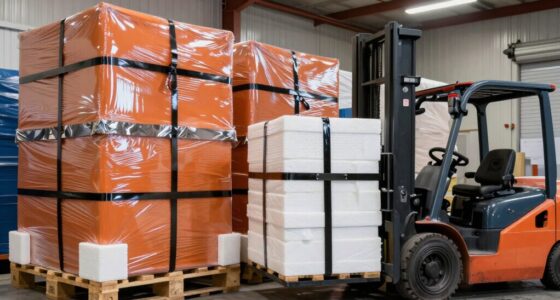
To secure loads effectively, you should use secure tie downs that are appropriate for your cargo and make sure they are tightly fastened. Always check that the weight is balanced across the vehicle to prevent shifting during transit. Distribute the load evenly, and double-check all tie downs before driving. Properly securing your load reduces the risk of accidents, saves fuel, and minimizes tire wear, making your trip safer and more efficient.
Can Improper Loading Cause Vehicle Damage?
Sure, improperly loading your vehicle is a masterclass in self-destruction. It can cause serious damage by disrupting cargo stability and load balancing, making your vehicle work overtime and risking structural harm. When you ignore proper load distribution, you invite uneven wear, suspension issues, and potential frame stress. So, if you want your vehicle to last longer and avoid costly repairs, prioritize correct loading techniques—your wallet and your vehicle will thank you.
How Often Should I Check Tire Pressure After Loading?
You should check your tire pressure after loading your vehicle every time you add or change cargo. Properly inflated tires reduce tire wear and help maintain ideal fuel economy. Heavy loads can cause pressure to drop, so frequent checks guarantee your tires stay at the right pressure. By doing this regularly, you prevent uneven tire wear and maximize fuel efficiency, saving you money and extending the life of your tires.
Does Load Distribution Impact Brake Efficiency?
Load distribution dramatically impacts brake efficiency—imagine a tiny imbalance causing your brakes to struggle like a hero weighed down by a mountain. When load imbalance occurs, it hampers braking performance, making stopping distances longer and brake wear uneven. Proper load distribution ensures each tire shares the load equally, maximizing braking performance, reducing wear, and keeping you safe. Don’t underestimate the power of balanced loading for peak brake efficiency.
As an affiliate, we earn on qualifying purchases.
Conclusion
By properly loading your vehicle, you’re not just saving fuel and tires—you’re also giving your car a chance to breathe and perform its best. Think of your car like a well-balanced dancer; when loaded correctly, it moves smoothly, saving energy and avoiding unnecessary wear. So, next time you hit the road, remember that a little care in loading can turn your journey into a symphony of efficiency and safety, making every mile count.
heavy-duty cargo straps for vehicles
As an affiliate, we earn on qualifying purchases.
As an affiliate, we earn on qualifying purchases.
As an affiliate, we earn on qualifying purchases.
Fall Picks
fall essentials
As an affiliate, we earn on qualifying purchases.