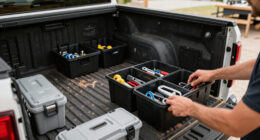

To secure mixed cargo types properly, you need to plan carefully by segregating incompatible items and using suitable securing devices like straps, braces, and dunnage. Place heavier items on the bottom and lighter ones on top, ensuring the load stays balanced and stable. Regularly check and adjust securing devices during transit to prevent shifting or damage. Proper cargo segregation, load balancing, and securing techniques are essential for safety and compliance—stick with me to learn more about maintaining secure loads effectively.
Key Takeaways
- Segregate incompatible cargo types to prevent contact, damage, and safety hazards during transit.
- Use appropriate securing devices like straps, braces, and dunnage for different cargo weights and fragility.
- Plan cargo placement to ensure heavier items are on the bottom and maintain proper load balance.
- Regularly inspect and adjust securing devices to keep cargo stable throughout transit.
- Comply with legal weight limits and regional regulations for securement and load distribution.
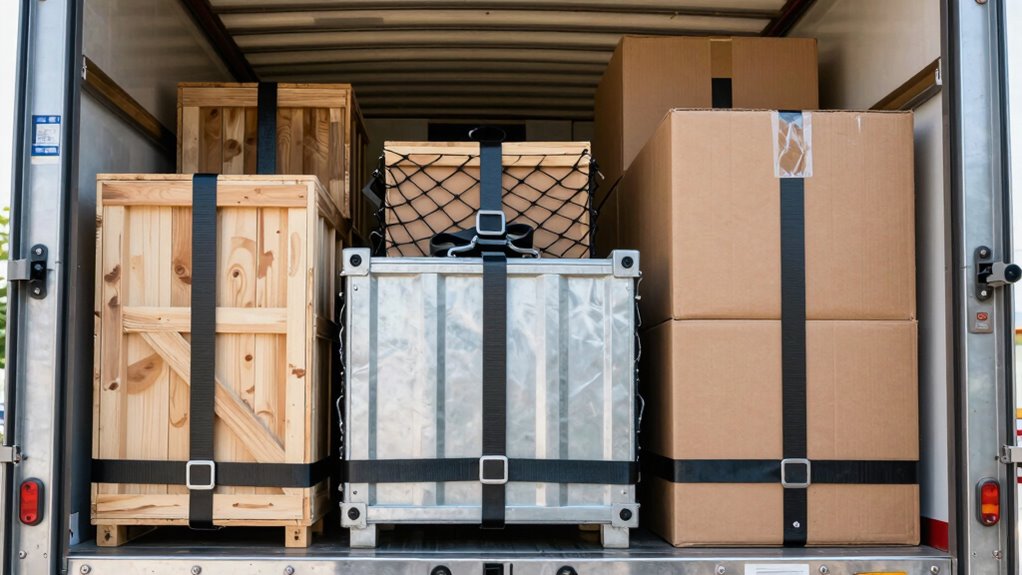
Ever wondered how to effectively secure mixed cargo types on a single shipment? The key lies in understanding the importance of cargo segregation and load balancing. When you’re handling a variety of goods—whether they’re fragile, heavy, or bulky—you need to organize them thoughtfully to prevent damage and guarantee safety during transit. Cargo segregation helps you separate different types of cargo so that incompatible items don’t come into contact, which is especially critical when dealing with hazardous materials or fragile goods. By placing such items apart, you reduce the risk of cross-contamination, spills, or breakage, making the entire load safer for everyone involved. Additionally, understanding cargo classification is essential for correctly securing different types of goods. Load balancing plays an equally essential role in securing mixed cargo. It’s not just about stacking items randomly; instead, you distribute the weight evenly across the vehicle. Proper load balancing prevents uneven pressure on the vehicle’s structure, minimizing the risk of tipping or shifting during transit. When you balance the load correctly, you also improve vehicle handling and reduce wear and tear on the transport. To achieve this, start by planning your cargo placement. Heavier items should go on the bottom, with lighter, more fragile goods on top. Keep in mind that the center of gravity matters—distributing weight evenly from side to side and front to back helps maintain stability. As you load, use appropriate securing devices—straps, braces, and dunnage—to hold everything firmly in place. Make sure each cargo type is secured according to its specific needs; fragile items may require padding, while heavy items might need reinforced straps. Always double-check your cargo segregation plan as you load, ensuring incompatible items aren’t adjacent, and the load remains balanced. Regularly inspect the load during transit, adjusting straps or repositioning cargo if necessary. Additionally, familiarize yourself with weight limits and legal requirements for securing loads in your region. Proper cargo segregation and load balancing aren’t just best practices—they’re often mandated by law. Being aware of load securement regulations helps you stay compliant and avoid penalties. Incorporating proper planning into your logistics process can significantly enhance the safety and efficiency of your cargo securement. Remember, understanding the importance of cargo segregation can make all the difference in preventing accidents and damage. Furthermore, using appropriate securement devices can greatly improve the safety of your load. Ultimately, effective securing of mixed cargo types hinges on thoughtful planning, careful placement, and continuous monitoring throughout the journey.

FORTEM Ratchet Straps – Tie Down Strap Set, 4 Pack, 1650lb Break Strength
- Complete Ratchet Strap Kit: Includes 4 straps, buckles, loops, hooks, and pouch
- Secure Tie-Downs: Heavy-duty S-hooks and soft loops for stability
- Ergonomic Handles: Rubber grip handles for easy ratcheting
As an affiliate, we earn on qualifying purchases.
As an affiliate, we earn on qualifying purchases.
Frequently Asked Questions
What Are the Common Mistakes When Securing Mixed Cargo?
You often make mistakes with securing mixed cargo when you overlook cargo stability and rely on generic securing techniques. Failing to take into account different weight distributions can cause shifting during transit, risking safety. You might also underestimate the importance of using the right securing devices for each cargo type, which compromises overall stability. To avoid these errors, focus on tailored securing techniques that address the specific needs of each cargo, ensuring safe and stable transportation.
How Does Cargo Weight Distribution Affect Securing Methods?
Did you know that improper weight distribution can cause up to 40% of cargo accidents? Your cargo weight distribution directly impacts cargo stability and load balancing, which are vital for safe transportation. When you secure mixed cargo, make sure heavier items are evenly spread to prevent shifting. Proper load balancing maintains the vehicle’s center of gravity, reducing the risk of accidents and guaranteeing that securing methods hold effectively throughout the journey.
Are There Specific Regulations for Mixed Cargo Transportation?
Yes, there are specific regulations for mixed cargo transportation. You must follow cargo handling rules that guarantee safety and security during transit. Regulatory compliance involves adhering to standards set by authorities like the FMCSA or IMO, depending on your mode of transport. These rules address proper securing techniques, weight limits, and packaging requirements, helping you prevent shifting or damage and ensuring safe delivery of diverse cargo types.
How Often Should Securing Equipment Be Inspected?
You should inspect your securing equipment before each trip to guarantee safety and compliance. Regular cargo inspection helps identify wear, damage, or potential failure points early. Follow strict safety protocols by conducting thorough checks at scheduled intervals, especially after long hauls or adverse conditions. Staying vigilant guarantees your cargo remains secure and reduces risks on the road, keeping both your load and everyone’s safety a top priority.
What Tools Are Essential for Securing Mixed Cargo?
You need the right tools to keep your cargo handling on point and guarantee secure fastening. Essential tools include straps, tie-downs, load bars, and ratchets, which help stabilize diverse cargo types. A load binder or tensioner keeps everything tight, preventing shifting during transit. Don’t forget measuring tapes and gloves for safety and precision. Using these tools together ensures your cargo stays put, even when the road gets rough, so you can rest easy.
dunnage for cargo load stabilization
As an affiliate, we earn on qualifying purchases.
As an affiliate, we earn on qualifying purchases.
Conclusion
Don’t let concerns about complexity hold you back—securing mixed cargo types is manageable when you follow the right procedures. Proper planning, using suitable restraints, and understanding each cargo’s unique needs guarantee safety and compliance. While it might seem intimidating at first, mastering these techniques reduces risks and protects everyone involved. With attention to detail and the right tools, you can confidently secure mixed loads without hassle or worry. Trust in your skills and keep safety your top priority.
As an affiliate, we earn on qualifying purchases.
fragile cargo padding and protection
As an affiliate, we earn on qualifying purchases.
As an affiliate, we earn on qualifying purchases.