
Your truck bed height affects how easily you load and secure cargo, which impacts safety and efficiency. A higher bed makes lifting heavy or awkward items harder, increasing physical strain and risk of injury. It also raises the vehicle’s center of gravity, reducing stability and increasing the risk of tipping. The right bed height improves cargo security, handling, and driver comfort. Want to discover how to choose the perfect bed height for your needs? Keep exploring.

Get garage and car supplies delivered free — and shop member deals
- Fast, free delivery on millions of items
- Access to Prime Big Deal Days deals on October 6–7
- Prime Video, Amazon Music and more included
Key Takeaways
- Higher beds make loading and securing cargo more difficult and unsafe.
- Elevated beds raise the truck’s center of gravity, increasing rollover risk.
- Lower beds reduce physical strain on workers and improve ergonomics.
- Proper bed height ensures better cargo stability and safety during transit.
- Choosing the right height enhances vehicle handling, safety, and operational efficiency.
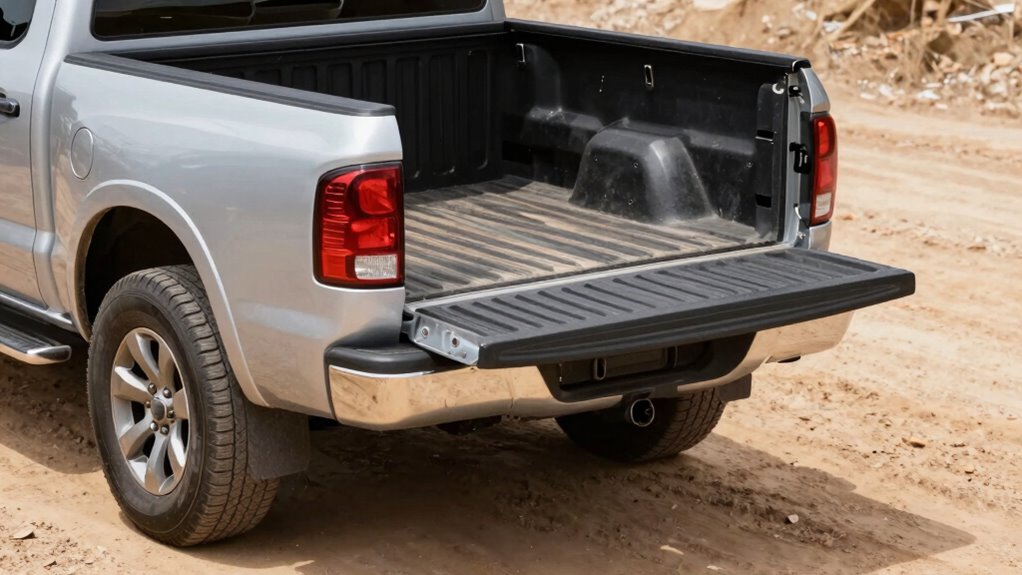
When choosing a truck, many people focus on horsepower or towing capacity, but one often-overlooked factor can make a big difference: the height of the truck bed. The height impacts not just how much you can carry, but also how safely and easily you can handle your cargo. If the bed is too high, loading and unloading can become strenuous, increasing the risk of accidents or dropping items. Conversely, a lower bed makes it easier to lift heavy or awkward loads, helping you stay safe and secure while working.
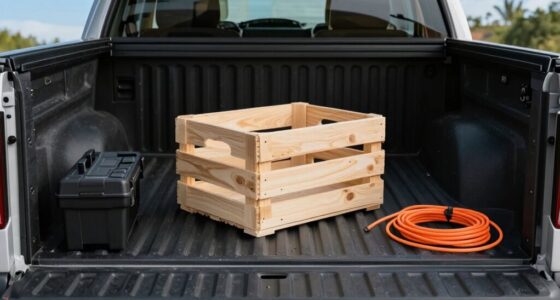
Cargo safety is directly affected by bed height. If your truck bed is too tall, you may struggle to secure your loads properly. Items can shift during transit, especially if you’re driving over rough terrain or making sharp turns. Properly securing cargo is essential to prevent items from falling out or causing damage. A well-balanced bed height allows you to reach over the sides comfortably, ensuring you can tie down or strap loads effectively. This reduces the chance of shifting or falling, keeping your cargo secure and preventing accidents on the road. Additionally, understanding vehicle stability** and how bed height influences the center of gravity** can help you make more informed decisions about your truck’s setup.
Proper bed height ensures secure cargo, reducing shifting and preventing accidents during transit.
Vehicle stability also hinges on bed height. A higher bed raises the center of gravity, which can make your truck less stable, especially during sharp turns or sudden maneuvers. This increased instability can lead to a higher risk of tipping or rolling over, particularly if you’re carrying a heavy load. On the other hand, a lower bed helps keep the vehicle more balanced, improving handling and reducing sway. Stability isn’t just about comfort; it’s about safety, especially when driving at higher speeds or on uneven surfaces. The right bed height ensures your truck remains predictable and manageable, giving you confidence behind the wheel. Additionally, understanding the hydraulics involved in vehicle stability can help you make more informed decisions about your truck’s setup.
Another aspect to consider is the physical strain involved in loading and unloading. If the bed’s too high, you might find yourself constantly stretching or climbing into the truck, risking injury or fatigue. A lower bed minimizes this effort, making it easier to lift heavy items and reducing the chance of slips or falls. This isn’t just about convenience; it’s about protecting your health and maintaining productivity on the job.
Ultimately, the height of your truck bed influences how safely and efficiently you can transport your cargo. It impacts cargo security, vehicle stability, and your physical comfort. Choosing the right height isn’t just a matter of preference—it’s a critical factor that affects safety, performance, and your overall experience on the road.
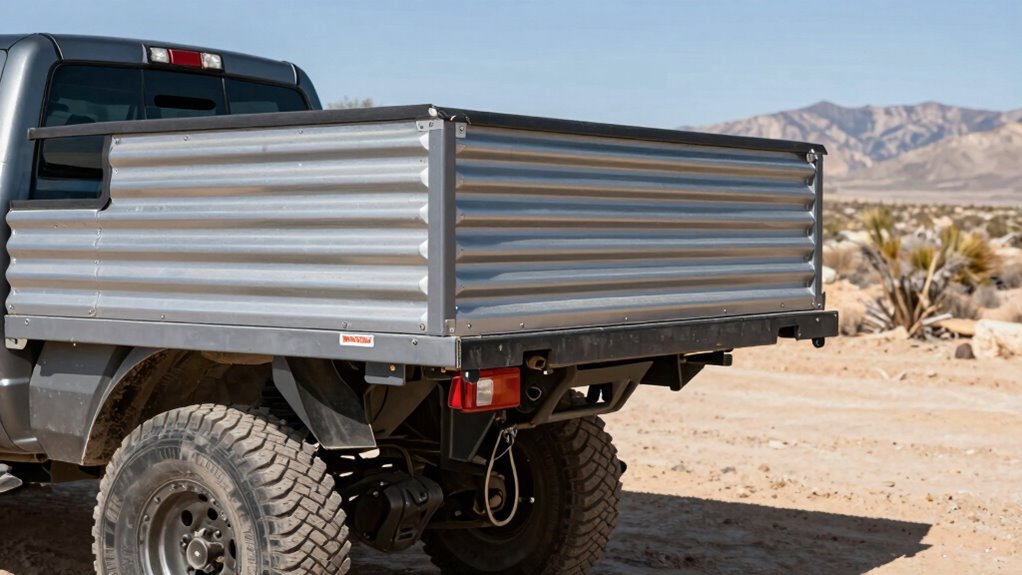
truck bed height adjustable rack
As an affiliate, we earn on qualifying purchases.
As an affiliate, we earn on qualifying purchases.
Frequently Asked Questions
How Does Truck Bed Height Affect Fuel Efficiency?
Your truck bed height influences fuel efficiency by affecting aerodynamics and fuel consumption. A higher bed creates more drag, making your engine work harder and using more fuel. Lowering the bed can improve airflow, reducing resistance. When you optimize bed height, you help your truck move more smoothly, decreasing fuel consumption. So, choosing the right height isn’t just about looks—it’s a smart way to save money on fuel.
Can Bed Height Influence Off-Road Performance?
Yes, bed height influences off-road performance. A higher bed can reduce suspension stability and increase aerodynamic drag, making your truck less stable on uneven terrain. Conversely, a lower bed enhances stability and minimizes drag, giving you better control. When off-roading, consider a bed height that balances clearance with stability. This way, you improve suspension stability and reduce aerodynamic drag, ensuring smoother, safer adventures on challenging terrains.
Does Bed Height Impact Vehicle Insurance Rates?
Did you know that trucks with higher beds can sometimes lead to increased insurance premiums? Insurance companies conduct risk assessments based on vehicle modifications, including bed height. A higher bed might be associated with increased rollover risk, which could raise your insurance rates. So, yes, bed height can impact your vehicle insurance rates, as insurers consider modifications that influence safety and risk levels, ultimately affecting your premiums.
Are Taller Beds Harder to Clean or Maintain?
Taller beds can be harder to clean and maintain because they make bed access more difficult. You’ll find it more challenging to reach all corners comfortably, which can affect cleaning and maintenance routines. Loading ease also decreases as the height increases, requiring more effort to load and unload cargo. Overall, a taller truck bed demands more time and effort for upkeep, making maintenance less convenient than with lower beds.
How Does Bed Height Influence Towing Capacity?
Bed height boosts towing capacity by balancing cargo stability and aerodynamics efficiency. When your truck bed is higher, it’s easier to secure loads securely, reducing shifting risks. However, taller beds can impact aerodynamics, slightly lowering fuel efficiency during towing. You should consider how bed height influences your towing needs, weighing cargo stability against aerodynamic drag. A well-optimized bed height helps guarantee safer, more efficient towing experiences.
As an affiliate, we earn on qualifying purchases.
Conclusion
Think of your truck bed height like the foundation of a house—if it isn’t just right, everything else feels off. I once watched a friend strain to lift heavy gear into a too-high bed, risking injury. Studies show that proper bed height can reduce strain and improve safety. When you choose the right height, it’s like building on solid ground—you’ll find loading easier, safer, and more efficient, making every trip smoother and stress-free.
As an affiliate, we earn on qualifying purchases.
As an affiliate, we earn on qualifying purchases.
Halloween Picks
halloween
As an affiliate, we earn on qualifying purchases.