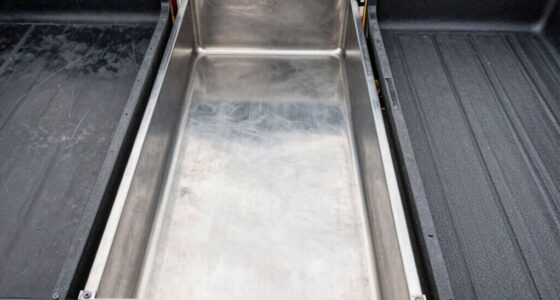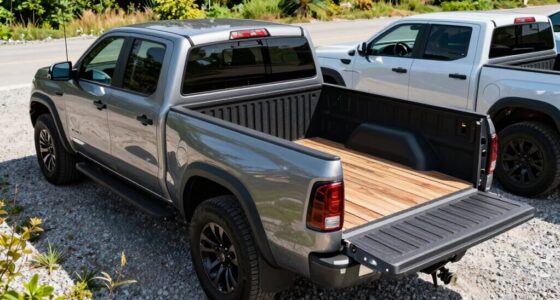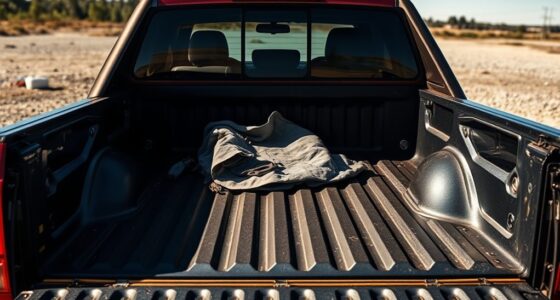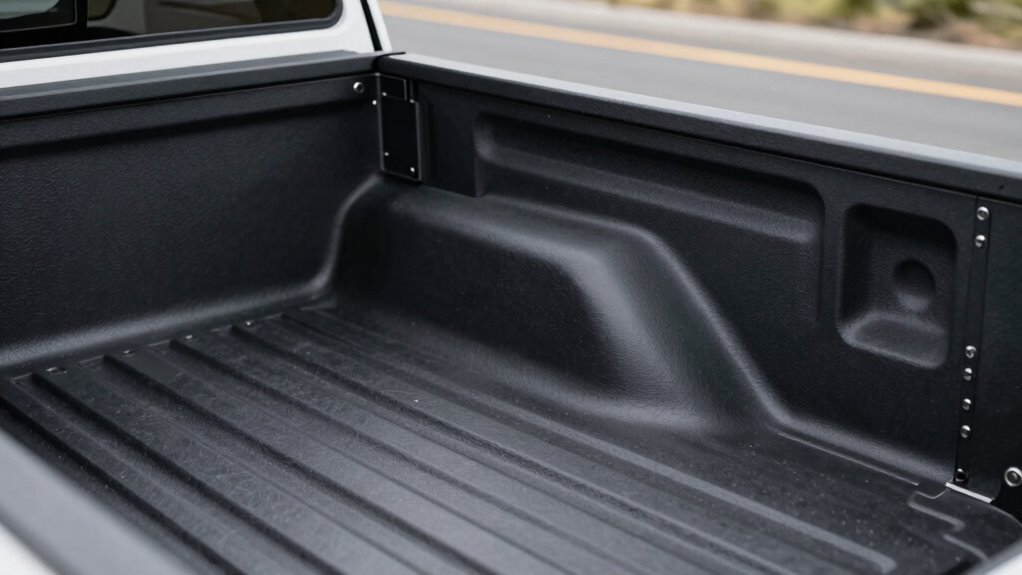

Your truck bed design considerably impacts how your vehicle feels on the road. A well-shaped, aerodynamic bed reduces wind drag and noise, making your drive smoother and more comfortable. Proper cargo securing prevents shifting, which helps with stability and control, especially at higher speeds. Poorly designed beds can cause sway, wobbling, or imbalance, making driving feel unpredictable. To improve your driving experience and learn more about optimizing truck bed features, keep exploring this topic further.

Get business pricing on garage and car supplies
- Business-only prices and quantity discounts
- Tax-exempt purchasing
- Multiple users, one account, clear invoices
Key Takeaways
- Proper truck bed design enhances cargo stability, reducing sway and wobbling, resulting in a more predictable driving experience.
- Aerodynamic features like tapered tailgates and rounded edges decrease drag, improving handling and reducing wind noise.
- Well-designed beds help maintain vehicle balance, leading to better steering response and smoother ride quality.
- Inadequate design or loading can cause instability, increasing sway and negatively affecting driving confidence.
- Incorporating aerodynamic and cargo stabilization features improves overall control and driving comfort at high speeds.
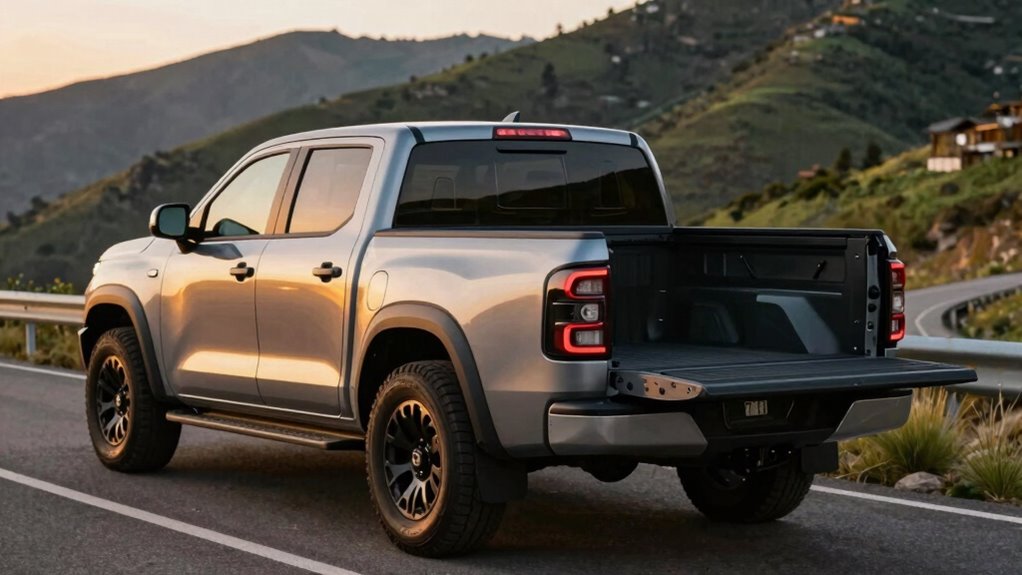
The design of your truck bed considerably influences how your vehicle handles on the road. When you’re driving, the way your truck’s bed is shaped and structured can greatly affect cargo stability, which in turn impacts your overall driving experience. If your truck bed isn’t properly designed or loaded unevenly, you might notice more sway or wobbling, especially at higher speeds or when taking sharp turns. A well-designed bed helps keep your cargo secure, preventing shifting that could destabilize the truck and make handling more difficult. This stability isn’t just about safety; it also affects how smoothly you feel your vehicle responds to your steering inputs. When cargo stays firmly in place, your truck feels more balanced and predictable, giving you confidence behind the wheel.
Beyond cargo stability, the aerodynamics impact of your truck bed design plays an essential role. A boxy, flat surface may seem simple, but it can create more drag as you drive, slowing you down and reducing fuel efficiency. Conversely, a truck bed with aerodynamic features—like tapered tailgates, rounded edges, or integrated spoilers—can streamline airflow around your vehicle. This aerodynamic design can also contribute to reducing wind noise, further enhancing comfort on long drives. Incorporating design considerations such as these can significantly enhance your driving experience. Additionally, understanding how truck bed geometry influences airflow can lead to better modifications for improved efficiency. Recognizing the importance of vehicle aerodynamics can help you make informed choices about modifications and accessories.
The combination of cargo stability and aerodynamics impact means that the design of your truck bed directly influences your driving comfort and control. If your truck bed is poorly designed or loaded haphazardly, you might experience increased wind noise, unexpected swaying, or a feeling of imbalance. This can make even routine drives feel more tense or less predictable. On the other hand, a thoughtfully designed bed, with features aimed at stabilizing cargo and reducing aerodynamic drag, enhances your control. You’ll notice that the truck responds more precisely to your steering, and the ride feels more composed, especially at higher speeds or on windy days.
Frequently Asked Questions
Does Truck Bed Material Impact Driving Comfort?
Yes, truck bed material impacts your driving comfort. Insulated truck beds reduce noise and vibration, making for a smoother ride, especially on rough roads. Bed liner materials like rubber or spray-on liners add cushioning, decreasing rattles and impact noise. When you choose high-quality insulation and durable bed liner materials, you’ll notice less road shock transfer, resulting in a more comfortable driving experience.
How Does Truck Bed Size Influence Fuel Efficiency?
Think of your truck like a ship—larger cargo areas act like sails catching more wind, reducing fuel economy. Bigger truck beds increase aerodynamic drag, making your engine work harder and decreasing fuel efficiency. On the flip side, a compact bed minimizes air resistance, boosting your fuel economy. So, choosing the right size helps you sail smoothly on the road while saving fuel and money.
Can Bed Design Affect Vehicle Handling in Corners?
Yes, bed design can affect vehicle handling in corners. A well-designed bed with aerodynamic efficiency reduces wind resistance, helping your truck stay stable during turns. Proper load distribution, achieved through thoughtful bed design, ensures weight isn’t unevenly shifted, which can cause handling issues. When the load is balanced and aerodynamics optimized, your truck feels more responsive and confident in corners, improving overall driving comfort and safety.
Do Different Truck Bed Shapes Change Noise Levels?
Yes, different truck bed shapes can change noise levels. Streamlined designs with better sound insulation reduce road and engine noise inside the cab. Aerodynamic efficiency plays a key role, as shapes that minimize drag also lessen turbulence and wind noise. When you choose a truck with a well-designed bed, you’ll notice a quieter ride, especially at highway speeds, making your driving experience more comfortable and less distracting.
How Does Bed Height Impact Overall Driving Stability?
Higher truck bed heights can affect your driving stability by raising the center of gravity, making the vehicle more prone to sway, especially during sharp turns or sudden maneuvers. Additionally, an elevated bed may disrupt load distribution, leading to uneven weight placement that impacts handling. To maintain stability, keep loads balanced and consider lower bed heights if you frequently navigate challenging roads or carry heavy cargo.
Conclusion
Understanding how your truck bed design influences the driving experience helps you make smarter choices. For example, a truck with a low-profile bed can offer better stability and handling on winding roads, making every trip smoother. Imagine upgrading your vehicle and feeling the difference as you navigate tight turns with less sway. By paying attention to these design elements, you can enjoy a more comfortable and confident drive, no matter where your journey takes you.
Fall Picks
fall essentials
As an affiliate, we earn on qualifying purchases.