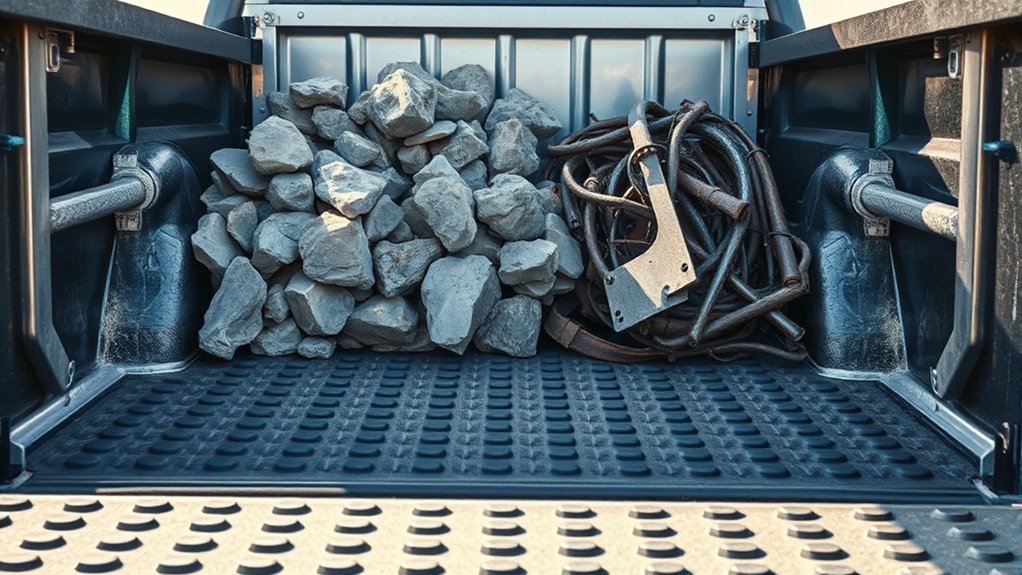

To protect your truck bed when hauling rocks or scrap metal, choose impact-resistant liners like spray-on polyurea for durability and seamless coverage. Reinforce vulnerable areas with sidewall protectors, corner guards, and padding on the tailgate. Secure heavy, irregular loads with rated straps and distribute weight evenly to prevent shifting. Regularly inspect and maintain your protective gear, and use padding to absorb shocks. Keep these tips in mind to safeguard your truck bed efficiently. You’ll find more helpful strategies as you explore further.
Key Takeaways
- Use impact-resistant spray-on or polyurea bed liners for seamless, durable protection against heavy impacts from rocks or scrap metal.
- Reinforce vulnerable areas like sidewalls, corners, and tailgate with guards or padding to absorb shocks and prevent dents.
- Secure loads tightly with rated ratchet straps or chains, distributing weight evenly to prevent shifting and reduce stress on the bed.
- Place rubber mats or foam padding beneath heavy or sharp cargo to cushion impacts and prevent gouges or punctures.
- Regularly inspect and maintain protective gear and liners to ensure ongoing defense against damage and corrosion.

U-POL Raptor 2K Bedliner Aerosol, Protective Coating, Spray-On Truck Bed Liner, Impact, Scratch & UV Resistant, Black, 13.2 OZ
EASY APPLICATION: The RAPTOR 2K Bedliner Aerosol provides a hassle-free, spray-on protective coating – no spray equipment required….
As an affiliate, we earn on qualifying purchases.
As an affiliate, we earn on qualifying purchases.
Selecting the Right Impact-Resistant Bed Liner

Choosing the right impact-resistant bed liner depends on your hauling needs and budget. If you regularly carry heavy, rough loads like rocks or scrap metal, a spray-on liner made of polyurea offers superior impact absorption and durability. It bonds seamlessly to your truck bed, resisting scratches, dents, and corrosion, which is essential for heavy-duty hauling. Drop-in liners are more affordable and easy to install but can trap moisture underneath, increasing rust risk over time. Protective coatings also provide a moisture-resistant barrier, helping prevent corrosion. For lighter loads or occasional use, rubber mats or pads can cushion impacts without breaking the bank. Ultimately, selecting the best liner means balancing your hauling frequency, the severity of impacts, and your budget to ensure long-lasting protection. Proper bed liner selection is crucial for maintaining your truck’s longevity in demanding hauling conditions.

ESI Ultimate Tailgate Seal Large with Taper Seal 6ft for The Sidewalls of Select Trucks
The Original and Patented Tailgate Seal LARGE 6ft length EPDM rubber. NOTE: This is not a complete seal…
As an affiliate, we earn on qualifying purchases.
As an affiliate, we earn on qualifying purchases.
Reinforcing Vulnerable Areas With Protective Gear

To effectively protect your truck bed from damage when hauling rocks or scrap metal, it’s essential to reinforce vulnerable areas with specialized protective gear. Focus on installing sidewall protectors and corner guards, which absorb impacts from shifting cargo and prevent dents or gouges. Rubber or foam padding on the tailgate offers extra shock absorption, reducing stress during loading and unloading. Consider adding skid plates or rocker panel guards to shield the truck’s lower edges from heavy impacts. These accessories distribute force away from the metal, minimizing damage to critical areas. Regularly inspect and replace worn or damaged protective gear to maintain ideal defense. Reinforcing these weak points ensures your truck bed withstands rough loads and prolongs its lifespan, especially during demanding hauling jobs. Understanding how field-of-view and imaging-scale impact setup choices can help you select the most effective protective solutions.
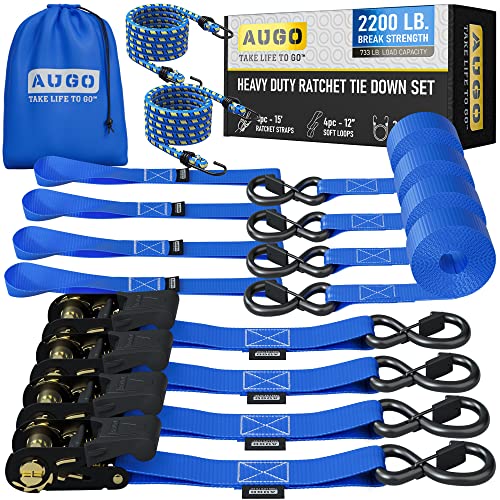
AUGO Ratchet Straps Heavy Duty 4 Pack -15 FT – 2200 LB Break Strength – with Safety Lock S Hooks – Cargo Straps for Moving, Appliances, Motorcycle – Soft Loop Tie Down Straps
TIE DOWN ANYTHING WITH CONFIDENCE | Pack of [4] 15 Ft Ratchet Strap Tie Downs Provides Durable, Dependable…
As an affiliate, we earn on qualifying purchases.
As an affiliate, we earn on qualifying purchases.
Securing Heavy and Irregular Loads Effectively

Securing heavy and irregular loads is essential to prevent shifting that can cause damage to your truck bed and compromise safety. Properly tied-down cargo keeps everything stable during transit, reducing the risk of dents, gouges, or spills. Here are three key tips:
Secure heavy loads properly to protect your truck bed and ensure safe transport.
- Use high-quality ratchet straps or chains rated for the weight you’re hauling. Tighten them securely, ensuring no slack remains.
- Place load binders or tie-down points strategically around the cargo to distribute pressure evenly and prevent movement.
- Incorporate corner or side supports like pallets, blocks, or bed dividers to stabilize irregular or loose items and prevent them from bouncing or tipping.
- Understanding contrast ratio helps in selecting the right projector settings to keep your cargo visible and avoid shadows or glare that could obscure your load during transit.
Following these steps helps protect your truck bed and ensures safe, secure transportation of rocks or scrap metal.
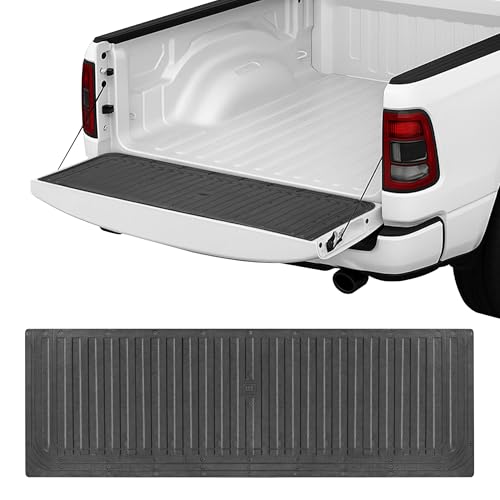
Cat® Ultra Tough Heavy Duty Truck Tailgate Mat/Pad/Protector – Universal Trim-to-Fit Extra-Thick Rubber for All Pickup Trucks 62" x 21" (CAMT-1509), Black
HEAVY DUTY: This heavy-duty 62" x 21" inches black tailgate mat weighs 15 lbs. and is made of…
As an affiliate, we earn on qualifying purchases.
As an affiliate, we earn on qualifying purchases.
Using Additional Padding to Absorb Shocks

To safeguard your truck bed from impacts when hauling rocks or scrap metal, choosing the right impact-absorbing materials is essential. You should also think about proper placement of padding to maximize shock absorption and prevent damage. Regular maintenance checks ensure your padding remains effective and provides lasting protection. Incorporating load‑planning tools can help you distribute weight evenly and reduce undue stress on your truck bed.
Selecting Impact-Absorbing Materials
Adding impact-absorbing materials like padding or mats can considerably reduce damage when hauling rocks or scrap metal. To maximize protection, choose materials that absorb shocks and distribute force evenly. Here are three effective options:
- Heavy-duty rubber mats—cut to fit your truck bed—provide a cushioned barrier that absorbs impacts and prevents dents.
- Foam padding or closed-cell foam sheets—placed underneath loads—offer extra shock absorption for fragile truck beds.
- Carpeted or rubberized bed liners—added on top of the bed surface—enhance impact resistance and reduce vibrations from bouncing cargo. Additionally, employing Free Floating techniques in your truck bed setup can help distribute the load more evenly, further protecting your vehicle’s structure.
Using these materials creates a buffer zone, minimizing direct contact and protecting your truck’s finish and structure. Regularly inspect and replace padding as needed to maintain enhanced impact absorption.
Proper Placement Strategies
Proper placement of padding and impact-absorbing materials is essential for minimizing damage when hauling rocks or scrap metal. You want to position padding directly beneath heavy or shifting cargo to cushion impacts and reduce bouncing. Place rubber mats or pads on the bed floor where rocks or scrap are stacked, ensuring they cover high-impact zones. Use sidewall protectors or strips along the bed’s sides to absorb lateral shocks from shifting loads. For especially heavy items, add extra layers of padding at contact points like corners or edges prone to gouging. Secure your cargo with tie-downs to prevent movement. Remember, strategic placement of padding not only cushions impacts but also distributes weight evenly, decreasing stress on your truck bed and preventing costly damage during transit. Incorporating energy-efficient materials into your padding setup can further enhance sustainability and reduce overall wear on your vehicle.
Regular Maintenance Checks
Regular maintenance checks are essential for ensuring your padding and impact-absorbing materials continue to protect your truck bed effectively. Regular inspections help identify wear, tears, or displacement in your padding, preventing costly damage. To stay on top of this, consider these steps:
- Check for Signs of Wear: Look for cracks, thinning spots, or loose padding that could reduce shock absorption.
- Inspect for Moisture or Dirt: Moisture trapped beneath padding can cause rust; clean and dry these areas thoroughly.
- Reposition or Replace Padding: If padding shifts or deteriorates, reposition it or replace it to maintain impact protection.
- Monitor Padding Longevity: Understanding how different materials age helps you plan timely replacements and maintain optimal protection.
Performing these checks routinely ensures your padding remains effective, prolongs its lifespan, and keeps your truck bed safe from heavy loads and shifting debris.
Maintaining Your Bed Protection System

To keep your bed protection system effective, you need to inspect it regularly for signs of wear, damage, or trapped moisture. Check spray-on liners for cracks, chips, or peeling that could expose the metal beneath. For drop-in liners, look for warping, looseness, or debris trapped underneath, which can trap moisture and cause rust. Examine rubber mats and pads for tears, shifts, or thinning areas that reduce impact absorption. Clean your liner surfaces with appropriate cleaners to prevent buildup of dirt or chemicals that might compromise their integrity. If you find any damage or moisture, address it immediately—repair cracks, replace worn mats, or reseal spray-on liners. Regular inspection and maintenance of your protective system helps detect early issues before they become costly repairs. Consistent maintenance ensures your truck bed remains protected, prolonging its lifespan against impacts, rust, and corrosion.
Tips for Safe and Damage-Free Hauling
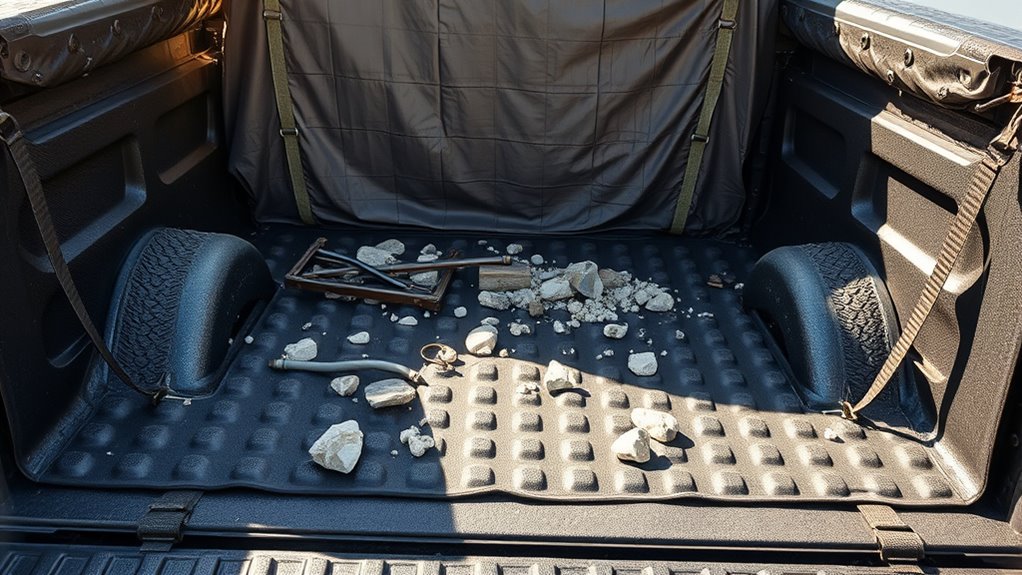
To haul rocks or scrap metal safely, you need to secure your loads properly to prevent shifting or bouncing. Using impact-resistant liners can also safeguard your truck bed from damage caused by heavy, shifting cargo. Taking these steps helps ensure your haul stays safe and your truck stays in good shape. Additionally, considering air quality measures during loading and transport can reduce dust and debris exposure inside your vehicle.
Secure Heavy Loads Effectively
Securing heavy loads properly is essential to prevent shifting, damage, and accidents during transit. When hauling rocks or scrap metal, loose cargo can bounce, slide, or puncture your truck bed. To keep everything in place, follow these tips:
- Use heavy-duty straps and tie-downs, ensuring they are rated for your load’s weight. Tighten them firmly to prevent movement.
- Distribute weight evenly across the bed, avoiding concentrated pressure on one side or corner.
- Place rubber mats or pads under the cargo to absorb impacts and reduce slipping. Secure loose items with dividers or tarps to contain smaller debris.
- Incorporate load stabilization techniques to further secure your cargo and enhance safety during transportation.
Use Impact-Resistant Liners
Choosing the right impact-resistant liner can substantially reduce damage when hauling heavy, bouncing loads like rocks or scrap metal. Spray-on liners bond directly to the bed surface, creating a seamless, durable barrier that absorbs impacts and resists scratches and corrosion. They cover the entire bed, including sides and tailgate, providing thorough protection. Polyurea liners are especially effective against impacts and abrasion, making them ideal for heavy loads. Drop-in liners offer some protection from scratches but are less impact-resistant and can trap moisture, risking rust. Rubber mats and pads provide cushioning for lighter loads and can be customized to fit your bed, but they don’t shield the sides or tailgate. Investing in impact-resistant liners ensures your truck bed withstands the rigors of hauling rocks or scrap metal.
Frequently Asked Questions
How Often Should I Inspect My Truck Bed for Damage or Rust?
You should inspect your truck bed at least once a month, especially after hauling rocks or scrap metal. Look for signs of dents, scratches, rust, or trapped moisture under liners. Pay close attention to corners, seams, and edges, as these areas are more vulnerable. Regular inspections help catch damage early, preventing rust from spreading and ensuring your protective measures stay effective.
Can I Install Impact Protection Features Myself?
Installing impact protection features is like assembling a puzzle—you can do it yourself if you’re handy. You’ll need basic tools and follow manufacturer instructions carefully. For spray-on liners, professional help is best, but rubber pads or bed mats are DIY-friendly. Just take your time, make certain proper fit, and wear safety gear. With patience, you can effectively add impact protection, keeping your truck bed safe from heavy loads and shifting debris.
What Type of Protective Coating Is Best for Extreme Conditions?
For extreme conditions, polyurea protective coatings are your best option. They bond tightly to your truck bed, providing excellent impact, abrasion, and heat resistance. Polyurea also creates a waterproof barrier, preventing rust and corrosion from moisture, chemicals, and temperature extremes. Plus, it’s flexible enough to withstand shifting loads without cracking. While professional application is recommended, this coating offers long-lasting protection, keeping your truck bed in top shape through the toughest environments.
Are There Specific Regulations for Hauling Heavy or Hazardous Materials?
Yes, you need to follow regulations when hauling heavy or hazardous materials. You’re required to comply with DOT rules, including proper labeling, securement, and documentation. Use approved tie-downs, load securement devices, and containers if necessary. Make sure your cargo is stable and won’t shift, and always check local, state, and federal laws. Regularly inspect your load and equipment to prevent accidents, fines, or damage, ensuring safe transport.
How Do I Clean and Maintain Spray-On Liner Surfaces Effectively?
Think of your spray-on liner as a rugged skin protecting your truck bed’s inner armor. To keep it tough, regularly wash it with mild soap and water, avoiding harsh chemicals that can eat away its surface. Use a soft brush or sponge to scrub away dirt and debris gently. Inspect for chips or cracks, and touch up with compatible coatings if needed, ensuring your liner stays a steadfast shield through every haul.
Conclusion
By choosing the right impact-resistant liner, reinforcing vulnerable spots, and securing your load properly, you can prevent costly damage. Don’t forget to add padding and keep up with maintenance to stay protected on every haul. Think of your truck bed as a shield—when you invest in its durability, you’re less likely to face repairs or replacements. Protect your truck bed today, and enjoy safer, damage-free hauling every time you hit the road.