
TL;DR

Get garage and car supplies delivered free — and shop member deals
- Fast, free delivery on millions of items
- Access to Prime Big Deal Days deals on October 6–7
- Prime Video, Amazon Music and more included
California has expanded its program allowing more EV owners to get paid for supplying power to the grid. The initiative aims to boost renewable energy use and grid stability. Details on eligibility and program scope are still emerging.
California has expanded its electric vehicle-to-grid (V2G) program, allowing a larger pool of EV owners to receive payments for supplying energy back to the state’s power grid. Officials say this move aims to enhance grid stability, support renewable energy integration, and reduce reliance on fossil fuels. The expansion comes amid rising interest in vehicle-to-grid technology and ongoing efforts to meet California’s climate and energy goals.
The California Public Utilities Commission (CPUC) approved new regulations on March 15, 2024, that broaden eligibility for participation in the state’s V2G pilot programs. Previously, only certain fleet operators and select EV models could participate; now, individual EV owners with specific compatible vehicles and charging setups can enroll and earn compensation for providing power during peak demand periods.
Officials from the California Energy Commission (CEC) and utility companies confirmed that the program expansion aims to increase grid flexibility and promote renewable energy use. Participating EV owners will be compensated based on the amount of energy they supply during designated periods, with payments linked to market prices and grid needs.
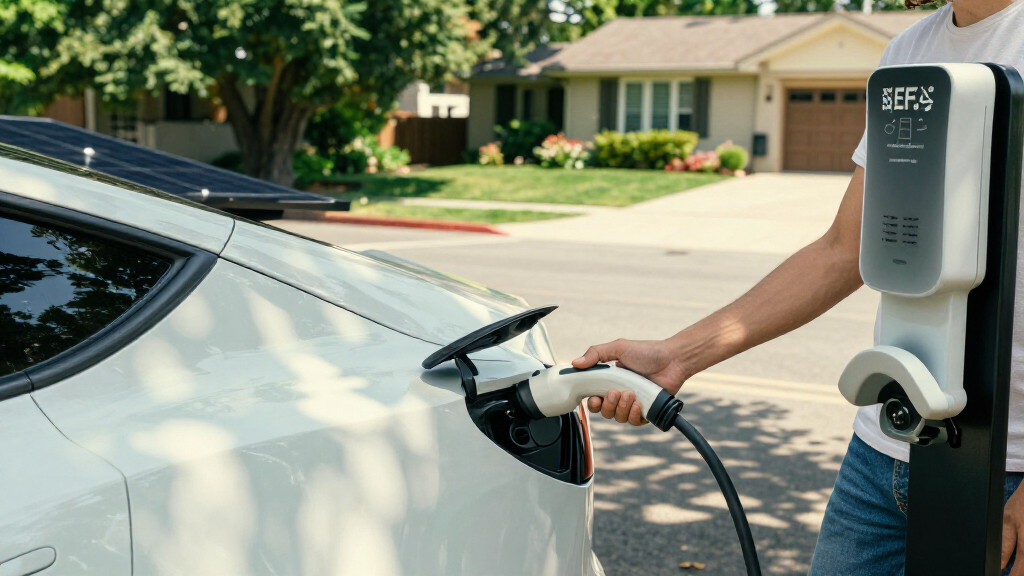
Several EV manufacturers, including Nissan and Ford, have partnered with utilities to facilitate V2G technology, which allows bidirectional charging—meaning vehicles can both draw power from and supply power back to the grid. The expanded program is expected to include thousands of additional EV owners over the next year, as infrastructure and incentives are scaled up.
Why Expanded EV-to-Grid Incentives Matter for California
This expansion represents a significant step toward integrating electric vehicles into California’s energy system as active participants rather than passive consumers. By enabling more EV owners to earn payments for grid support, the program incentivizes the adoption of V2G technology, which can help balance supply and demand, reduce greenhouse gas emissions, and support the state’s renewable energy targets. As California aims for 100% clean electricity by 2045, leveraging EV batteries as distributed energy resources could become a key component of the state’s energy strategy.
Furthermore, this initiative could serve as a model for other states seeking to incorporate more flexible, distributed energy resources into their grids, especially as EV adoption continues to rise nationwide. The potential economic benefits for EV owners also increase, making electric vehicles more financially attractive beyond just transportation savings.
vehicle-to-grid compatible EV charger
As an affiliate, we earn on qualifying purchases.
As an affiliate, we earn on qualifying purchases.
Background on California’s EV and Grid Integration Efforts
California has been a leader in promoting electric vehicle adoption, with over 1.8 million EVs registered as of late 2023. The state’s aggressive climate policies include targets to phase out internal combustion engines and maximize renewable energy use. To support these goals, California has invested heavily in grid modernization, energy storage, and demand response programs.
The concept of vehicle-to-grid technology has been under development for several years, with pilot programs launched in various regions. The California V2G pilot, initiated in 2022, initially limited participation to fleet operators and specific vehicle models. The recent regulatory approval marks a shift toward broader consumer engagement, reflecting increasing interest and technological readiness.
Industry experts note that expanding V2G participation aligns with California’s broader energy transition, but challenges remain, including infrastructure costs, standardization, and ensuring consumer participation and awareness.
“This expansion opens the door for thousands of EV owners to actively participate in grid management and benefit financially, accelerating our clean energy future.”
— California Public Utilities Commission Chair Alice Reynolds
bi-directional EV charging station
As an affiliate, we earn on qualifying purchases.
As an affiliate, we earn on qualifying purchases.
Unanswered Questions About Program Implementation
Details remain unclear about the specific eligibility criteria, enrollment process, and the exact compensation rates for participating EV owners. It is also uncertain how quickly the expanded program will be rolled out and whether all EV models will be compatible. Additionally, the long-term impact on EV battery life and consumer participation incentives are still under review.
As an affiliate, we earn on qualifying purchases.
Next Steps for Broader EV-to-Grid Adoption in California
The California Public Utilities Commission and participating utilities are expected to finalize implementation details over the coming months. Enrollment processes will open gradually, with pilot programs expanding to include more EV owners. Industry stakeholders anticipate that increased participation will lead to further technological developments and policy adjustments to support widespread V2G integration.
Consumers interested in participating should monitor utility announcements and program updates, as participation could become a source of additional income and support California’s energy transition.
As an affiliate, we earn on qualifying purchases.
Key Questions
Who is eligible to participate in the expanded EV-to-grid program?
Eligible participants include EV owners with compatible vehicles and charging setups, as determined by utility and program requirements. Details are still being finalized, but the program aims to include more individual owners beyond fleet operators.
How much can EV owners earn by providing power to the grid?
Payments will depend on the amount of energy supplied during peak periods and market prices. Exact rates are still being established, but early estimates suggest potential earnings of several hundred dollars annually per participating vehicle.
Will participating in V2G affect my vehicle’s battery life?
Experts say that properly managed V2G systems should minimize battery wear, but long-term impacts are still being studied. Participants are advised to consult with their vehicle manufacturers and utility providers.
When will the program be available to all EV owners?
The rollout is expected to occur gradually over the next 12 months, with full participation likely by late 2025, depending on infrastructure and regulatory processes.
What are the main challenges to expanding V2G technology?
Challenges include infrastructure costs, standardization of hardware and software, consumer awareness, and ensuring the economic viability for participants.
Source: rss
Halloween Picks
halloween
As an affiliate, we earn on qualifying purchases.