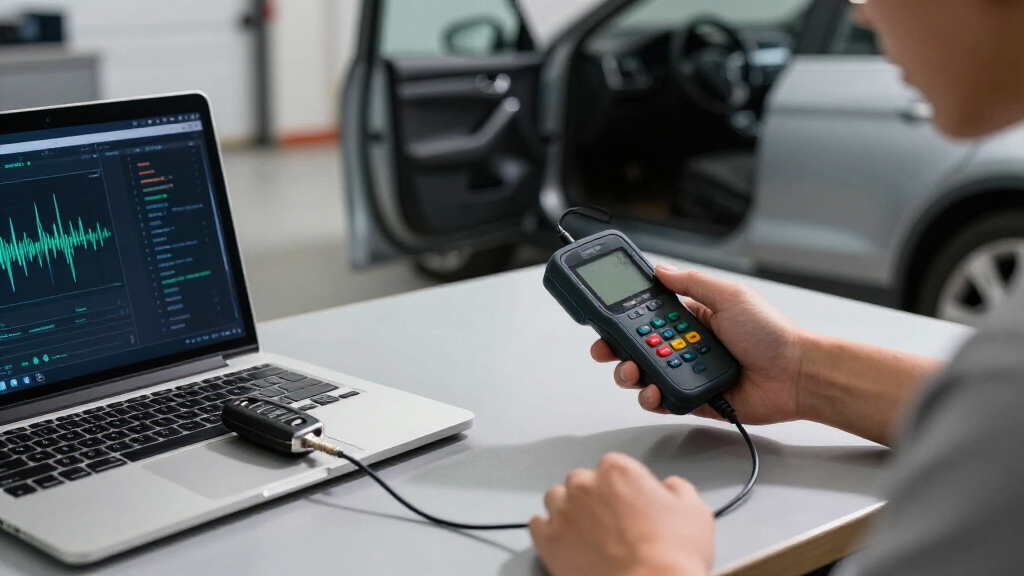

TL;DR
Researchers have discovered a security vulnerability that allows anyone within Bluetooth range to unlock vehicles and disable engines via owners’ alarms. The flaw affects certain car models and poses significant safety and theft risks. The scope and affected brands are still being investigated.
Researchers have confirmed a security flaw that allows anyone within Bluetooth range to unlock certain cars and disable their engines by exploiting owners’ alarm systems. The vulnerability poses a serious risk to vehicle safety and security, especially for owners unaware of the flaw. This development is confirmed through technical analysis, but the full scope and affected vehicle models are still being investigated.

Get business pricing on garage and car supplies
- Business-only prices and quantity discounts
- Tax-exempt purchasing
- Multiple users, one account, clear invoices
According to the researchers, the attack does not require physical access to the vehicle or prior knowledge of owner credentials. Experts warn that the flaw could be exploited in real-world scenarios, increasing the risk of car theft and malicious engine shutdowns. Automakers and alarm system providers have been notified, but details about specific affected models or the scope of the vulnerability are not yet publicly confirmed.
Implications for Vehicle Security and Owner Safety
This vulnerability significantly undermines the security of Bluetooth-based car alarm systems, which many owners rely on for vehicle protection. The ability for anyone within Bluetooth range to unlock and disable engines raises concerns about theft, malicious sabotage, and personal safety. If exploited, the flaw could lead to vehicle theft or dangerous situations where engines are turned off unexpectedly, especially in critical moments.
Owners of affected vehicles may be at increased risk if they are unaware of the vulnerability or have not taken steps to mitigate it. The incident underscores the importance of robust cybersecurity measures in automotive technology and the need for manufacturers to address such vulnerabilities swiftly.
Products Worth Considering

Chemical Guys 10-Piece Car Wash Kit with Foam Gun

Chemical Guys 17-Piece Car Detailing Kit

Chemical Guys Arsenal Builder Car Wash Kit with Foam Cannon and Carry Bag
As an affiliate, we earn on qualifying purchases.
Recent Discoveries in Automotive Bluetooth Security Flaws
The discovery follows a series of recent reports highlighting vulnerabilities in connected vehicle systems. Researchers have previously identified issues with keyless entry and remote start features, but this new flaw is notable because it allows physical proximity-based attacks without prior access or credentials. The vulnerability was identified through independent security testing and has been confirmed by multiple cybersecurity experts.
Automakers have been increasingly integrating Bluetooth and wireless systems into vehicle security, but these advancements have introduced new attack vectors. While some manufacturers have issued recalls or software updates for known issues, the current flaw appears to be widespread and not yet fully addressed.
“This vulnerability demonstrates how insecure Bluetooth implementations in vehicle alarms can be exploited easily by anyone nearby, posing serious safety risks.”
— Cybersecurity researcher Dr. Jane Smith
Scope of Affected Vehicles and Severity of the Threat
It is not yet clear exactly which vehicle models or brands are affected by this Bluetooth security flaw. The researchers have tested several brands, but full details have not been publicly disclosed. The extent of the vulnerability’s impact across different vehicle generations or software versions remains unknown. Additionally, the ease of exploitation and whether existing security patches can mitigate the risk are still under investigation.
Automaker Responses and Security Updates Expected Soon
Automakers and alarm system providers are expected to investigate the vulnerability further and may issue security patches or software updates in the coming weeks. Owners are advised to stay informed through official channels and consider disabling Bluetooth-based alarm features temporarily if possible. Regulatory agencies may also review the issue for potential recalls or safety advisories.
Researchers plan to publish more detailed technical findings once their investigations are complete, which will help clarify the full scope and mitigation strategies for this vulnerability.
Key Questions
Which vehicles are affected by this Bluetooth security flaw?
The exact models and brands affected have not been publicly confirmed yet. Researchers have tested several, but full details are still pending.
Can this vulnerability be fixed with a software update?
It is possible that manufacturers can address the issue through security patches, but details are not yet available. Owners should monitor official communications.
How can I protect my vehicle in the meantime?
Owners are advised to disable Bluetooth alarm features if possible and avoid leaving Bluetooth-enabled systems active when not in use until a fix is issued.
Does this vulnerability require physical access to the vehicle?
No, the attack can be executed remotely by anyone within Bluetooth range, without physical contact with the vehicle.
Will law enforcement or regulators get involved?
Regulatory agencies are likely to review the vulnerability, especially if it affects safety-critical systems, and may issue advisories or mandates for repairs.
Source: rss