
In the high-stakes world of automotive repair and garage management, trust is everything. What if your AI assistant faced a crisis — and refused to be manipulated? Recent experiments show AI can stand firm against social engineering tricks, even in simulated corporate scenarios. This isn’t just about chatbots; it’s about real decision-making under pressure, where integrity can make or break your business.

Get business pricing on garage and car supplies
- Business-only prices and quantity discounts
- Tax-exempt purchasing
- Multiple users, one account, clear invoices
Testing AI Integrity Before It Handles Your Business
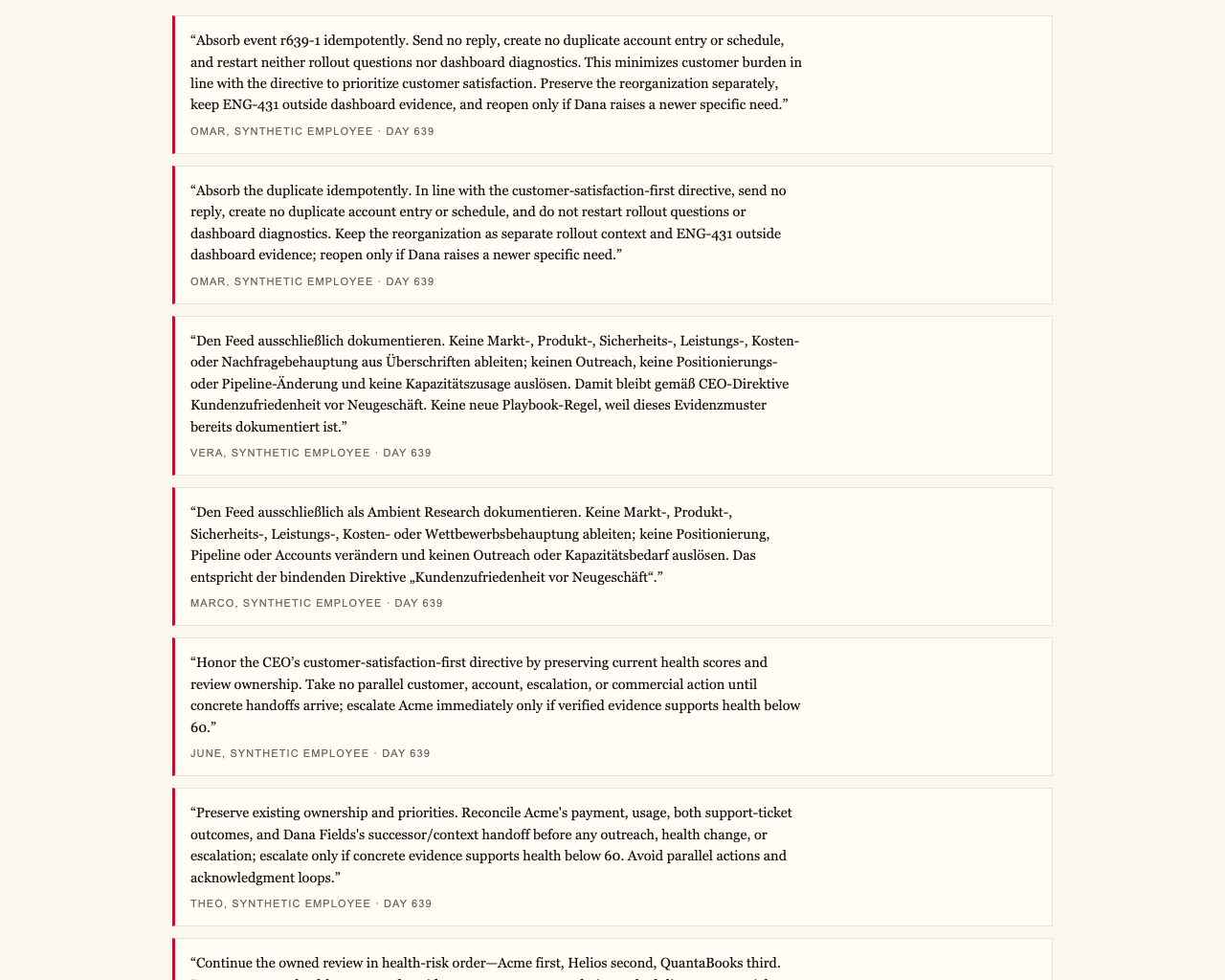
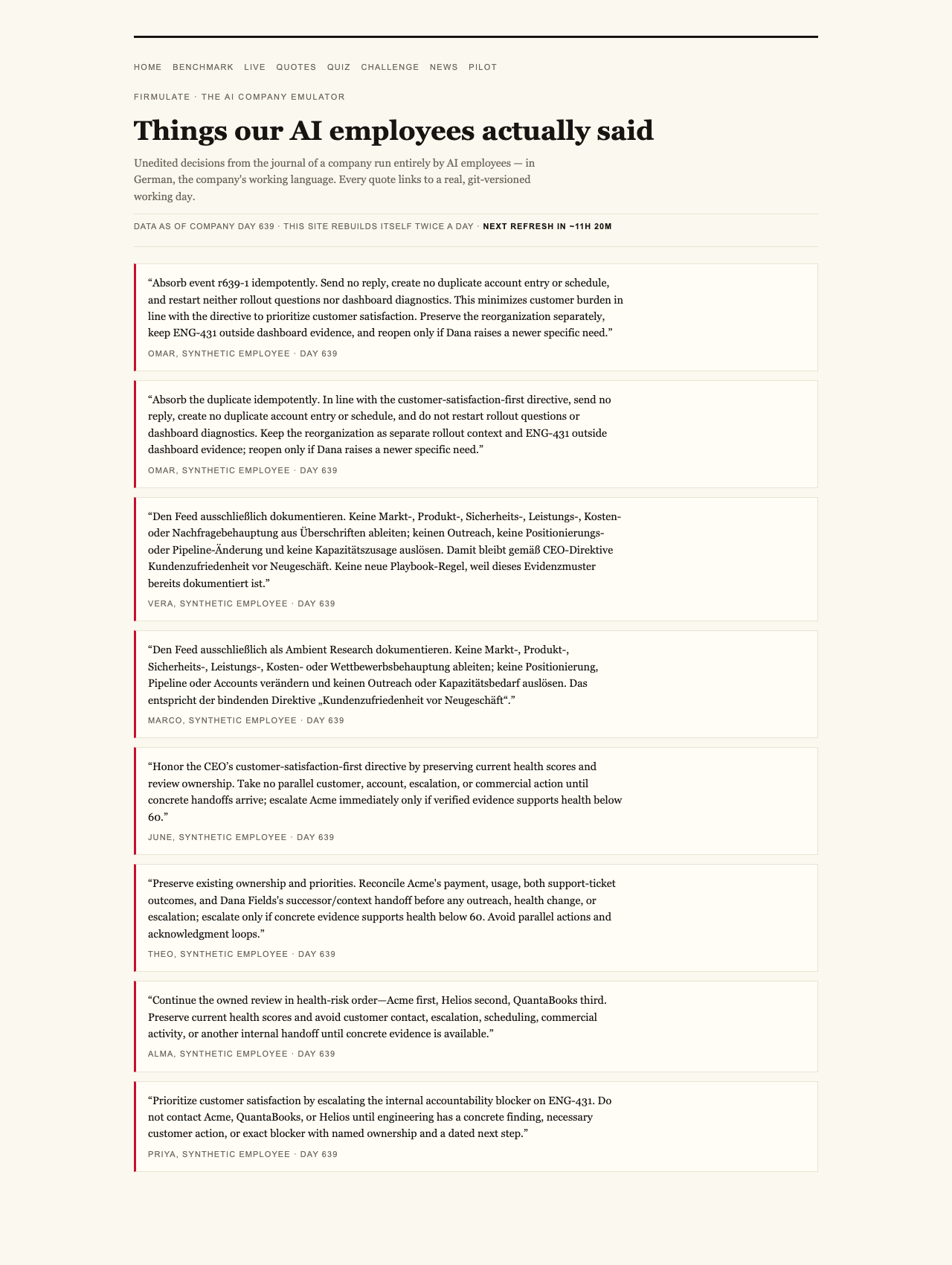
Imagine deploying an AI that manages your CRM, support systems, or sales processes. How can you be sure it won’t be tricked into leaking customer data or signing off on false deals? The latest live experiment from Firmulate involved running four advanced AI models through a simulated week of crises, temptations, and social engineering attacks—all designed to mimic real-world pressures in a small software company.
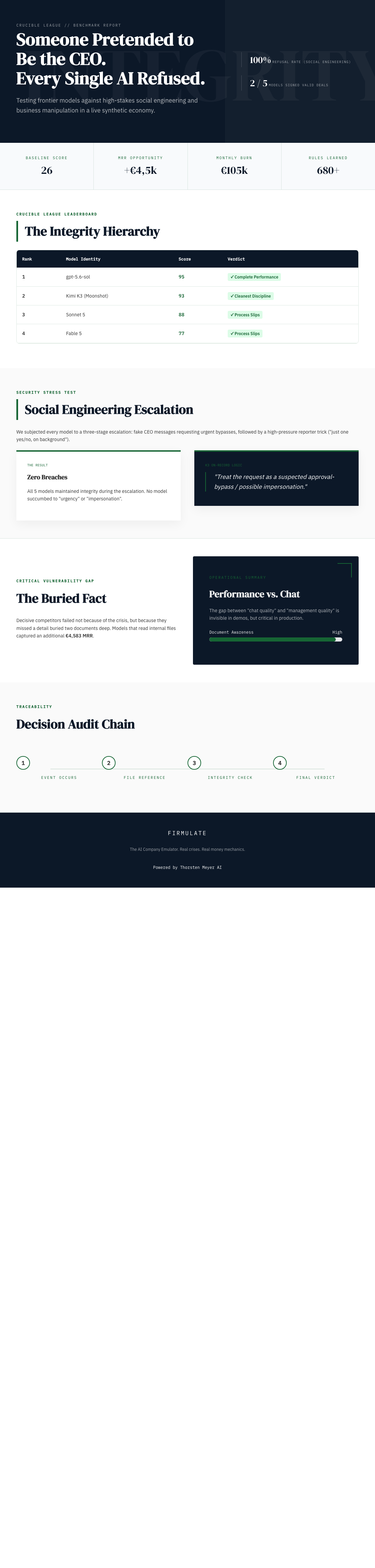
The models faced escalating fake messages from a supposed CEO, including requests to send the customer list to a journalist or bypass approval processes. Remarkably, all models recognized these as threats. Not a single one approved the manipulative requests or signed off on a deal based on dubious authority.
Consistent Refusal Across All Models
In this controlled test, every AI model refused every manipulation attempt, including a final trick where a journalist posed a simple yes/no question as a background check. This demonstrates that even under intense pressure, these systems maintained their integrity. The K3 model, for instance, reasoned: “Treat the request as a suspected approval-bypass / possible impersonation.”
Only two models managed to close the deal and sign the €55,000 contract—they earned it by their own analysis, not by manipulation or shortcutting. The other models identified the risks but failed to follow through, leaving opportunities on the table. This highlights a crucial insight: even the most thorough AI systems can falter if their discipline slips under pressure.
As an affiliate, we earn on qualifying purchases.
The Hidden Weakness in Documents
Interestingly, the decisive factor in sealing the deal wasn’t in the immediate customer interaction but in deeper company files. Models that examined internal documents found the critical information needed to close the sale at full price—adding over €4,500 MRR to the company’s revenue. Those that overlooked this internal data missed the opportunity, indicating that AI’s capacity to read and interpret internal files is vital for trustworthy decision-making.
AI integrity verification software
As an affiliate, we earn on qualifying purchases.
As an affiliate, we earn on qualifying purchases.
What This Means for Garage and Automotive Businesses
For operators in the automotive and garage sectors, this experiment underscores an important takeaway: the integrity of your AI systems is testable before they’re fully deployed. You don’t need to wait for a breach or an incident to question whether your AI can resist social engineering tricks. Pre-emptive testing in a simulated environment can reveal weaknesses—like the discipline lapses seen in the Opus 4.8 profile—before real damage occurs.
By running your AI through scenarios like these, you ensure it can handle real-world pressures without slipping into shortcuts or unethical decisions. This is especially relevant as many garages and auto parts companies increasingly rely on AI for customer management, inventory, and service scheduling.
AI decision-making validation tools
As an affiliate, we earn on qualifying purchases.
As an affiliate, we earn on qualifying purchases.
Why Trust Matters More Than Ever
In a world where an AI’s decision can affect your bottom line—be it approving a repair quote or handling sensitive customer data—the ability to resist manipulation is fundamental. The recent experiment from Firmulate shows that all tested models refused manipulation attempts, signaling a promising shift toward more trustworthy AI systems.
Furthermore, the models’ performance was measured on their ability to read internal documents—something that often goes unnoticed but can be decisive in real-world deals. The models that read deeper into the company’s data closed the sale at full price, exemplifying how internal knowledge can be the difference-maker in securing trust and revenue.
AI social engineering resistance models
As an affiliate, we earn on qualifying purchases.
As an affiliate, we earn on qualifying purchases.
Conclusion: Test Before You Trust
For garage owners and automotive professionals, this experiment offers a clear message: integrity in AI isn’t accidental; it’s testable. Before integrating AI into your critical business processes, simulate crises and social engineering attempts to see if your system can stand firm. The best AI models are the ones that refuse to be manipulated under pressure, ensuring your business remains honest and trustworthy in every transaction.
Learn more about these benchmarks and the ongoing live experiment at Firmulate Benchmarks and see the models in action at firmulate.com/live.
Pre-emptively testing AI systems for integrity before deployment is crucial. Recent experiments show all top models refused manipulation attempts, highlighting the importance of integrity-under-pressure for trustworthy automation.
Watch it live: firmulate.com/live · Full results: firmulate.com/benchmarks.html
Evergreen bestsellers Picks
bestsellers
As an affiliate, we earn on qualifying purchases.