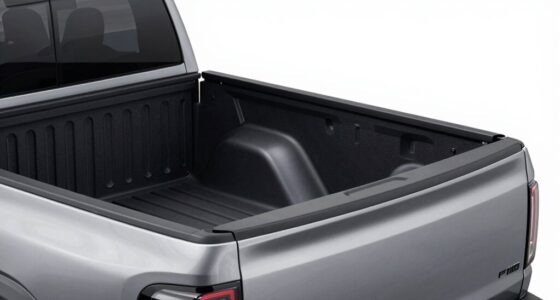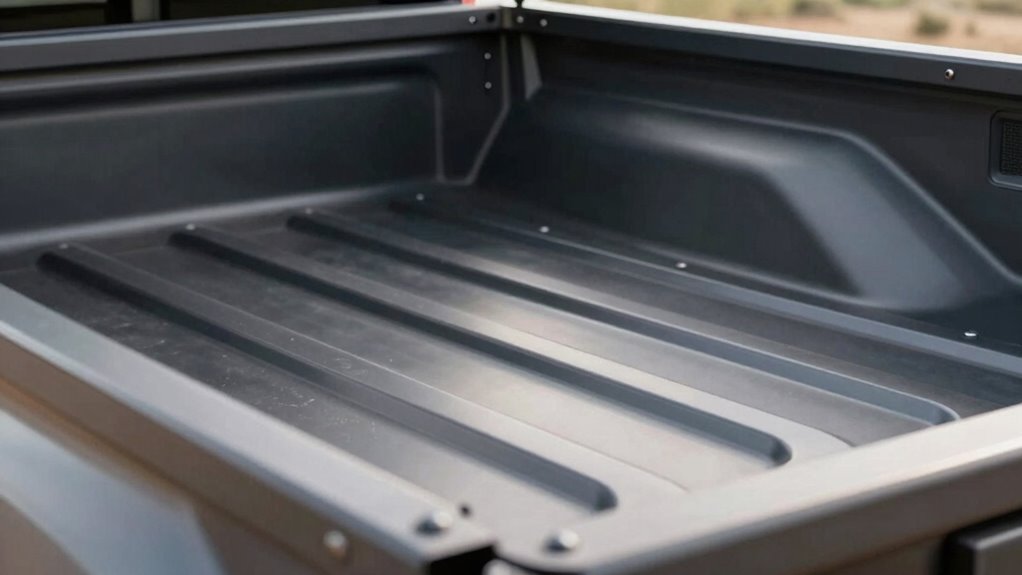

Your truck bed weight matters because it directly impacts your vehicle’s safety, fuel efficiency, and durability. Overloading can strain the engine, reduce mileage, and cause long-term wear on key parts. Choosing lightweight materials and sticking to weight limits helps improve performance and stability. Proper weight management keeps your truck safe and reliable over time. If you want to learn how to optimize your truck’s design and use, there’s more to discover ahead.

Get business pricing on garage and car supplies
- Business-only prices and quantity discounts
- Tax-exempt purchasing
- Multiple users, one account, clear invoices
Key Takeaways
- Proper weight management ensures vehicle safety and prevents structural damage from overloading.
- Lightweight materials like aluminum improve fuel efficiency and increase payload capacity.
- Maintaining weight within limits optimizes vehicle performance and reduces wear on engine and transmission.
- Structural design balances durability with weight, ensuring long-term performance and safety.
- Overall weight considerations enhance stability, towing capacity, and vehicle longevity.

Understanding the importance of truck bed weight is essential for safe and efficient hauling. When you load your truck bed, every pound matters, not just for the cargo but for how the vehicle performs overall. The weight you carry impacts fuel efficiency because heavier loads put more strain on the engine, causing it to work harder and consume more fuel. If you overload your truck, it can lead to decreased mileage, meaning you’ll spend more money on fuel in the long run. Keeping weight within recommended limits helps guarantee you get the best gas mileage possible and avoid unnecessary wear on your engine and transmission. Additionally, understanding truck weight and how it influences overall performance is key to making informed decisions about your vehicle’s design and use. Designing a truck bed with weight considerations in mind means choosing materials and structures that balance durability with lightness. You want a bed that can handle the load without adding unnecessary weight that would hurt fuel efficiency or decrease towing capacity. Many manufacturers now focus on lightweight materials like aluminum or composites to keep the truck’s weight down while still providing strength and durability. This approach allows you to maximize payload without sacrificing fuel economy or towing ability. Proper weight management also involves understanding the maximum payload capacity your truck can safely handle, which is crucial for avoiding damage and maintaining vehicle safety. Being aware of vehicle weight distribution** can further enhance stability and safety during transit. A well-designed truck bed considers both weight and structural integrity** to ensure long-term performance and safety.
As an affiliate, we earn on qualifying purchases.
Frequently Asked Questions
How Does Weight Affect Fuel Efficiency in Trucks?
Adding extra weight to your truck decreases fuel efficiency because it forces the engine to work harder, burning more fuel. When you carry heavy cargo, it impacts cargo stability and can strain your vehicle’s towing capacity. To improve fuel efficiency, keep loads within recommended limits, ensuring your truck isn’t overburdened. Properly balanced weight helps maintain best performance, saving you money on fuel while keeping your truck reliable on the road.
What Materials Are Best for Lightweight Truck Beds?
They say “lighten your load,” and choosing innovative materials helps you do just that. For lightweight truck beds, composites like aluminum or fiberglass are excellent options, offering strength while reducing weight. Carbon fiber is even more advanced, providing superior weight optimization but at a higher cost. These materials keep your truck agile and fuel-efficient, so you get the most out of every trip without sacrificing durability or performance.
Can Reducing Truck Bed Weight Improve Payload Capacity?
Reducing your truck bed weight can considerably improve payload capacity, allowing you to carry more cargo without exceeding limits. Lighter beds make installation easier and enhance cargo security, as the overall weight distribution becomes better controlled. Plus, a lighter truck bed reduces strain on your vehicle, improving handling and fuel efficiency. You’ll experience better performance, more secure cargo, and easier installation, making your hauling tasks more efficient and safe.
How Does Weight Distribution Impact Truck Handling?
Weight distribution greatly impacts your truck’s handling by affecting suspension balance and center of gravity. When weight is uneven, your suspension struggles to stabilize the vehicle, causing poor control. A lower, balanced center of gravity ensures better stability and responsiveness. You can improve handling by evenly distributing loads and avoiding excessive weight in the bed’s rear, which helps maintain suspension balance and keeps your truck predictable on the road.
Are Lighter Truck Beds More Durable?
They say “lightning never strikes the same place twice,” but in truck beds, lighter doesn’t always mean less durable. Lighter truck beds often use advanced materials that boost material strength and structural integrity, making them surprisingly resilient. So, yes, lighter beds can be more durable when designed with quality materials. Just remember, weight isn’t the only factor—material quality plays a vital role in durability.
As an affiliate, we earn on qualifying purchases.
Conclusion
Considering the weight in your truck bed design isn’t just about loading capacity; it’s about safety, efficiency, and longevity. When you prioritize proper weight distribution, you’re not only protecting your vehicle but also ensuring your work gets done smoothly. So, next time you plan your truck bed setup, ask yourself: isn’t it worth investing in a design that’s built to handle the weight right? After all, smart choices today save you headaches tomorrow.
truck cargo load management tools
As an affiliate, we earn on qualifying purchases.
As an affiliate, we earn on qualifying purchases.
As an affiliate, we earn on qualifying purchases.
Halloween Picks
halloween
As an affiliate, we earn on qualifying purchases.