Many believe any truck bed can handle any load, but that’s a myth—you need to take into account material durability, bed liner type, and maintenance. Towing safety isn’t just about hitching up; it depends on your truck’s payload capacity and weight ratings. Knowing the differences between liners and materials helps you protect your bed and extend its lifespan. If you want to avoid costly mistakes and guarantee safety, keep exploring these common truck bed myths.

Get business pricing on garage and car supplies
- Business-only prices and quantity discounts
- Tax-exempt purchasing
- Multiple users, one account, clear invoices
Key Takeaways
- Not all truck beds are equally durable; material choice significantly affects resistance to corrosion and wear.
- Trailer towing capacity depends on truck payload, hitch type, and weight ratings, not just truck bed size.
- Spray-on liners provide seamless, heavy-duty protection, whereas drop-in liners can trap moisture and cause rust.
- Exceeding a truck’s towing capacity risks damage and safety hazards; always check GVWR and load limits.
- Proper maintenance and selecting the right bed liner type extend truck bed lifespan and ensure optimal protection.

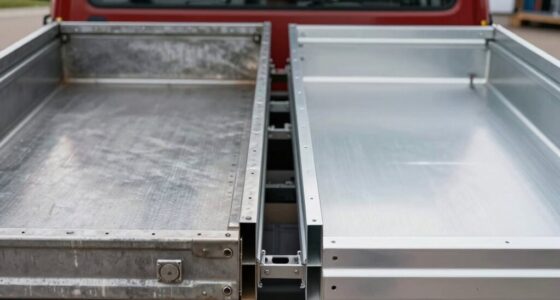
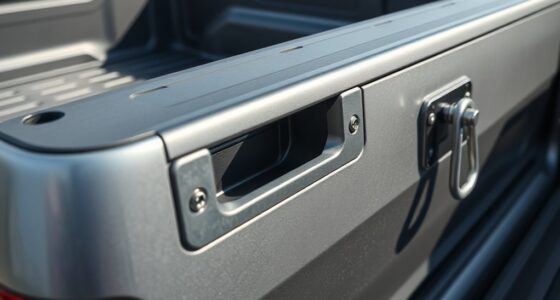
Have you ever heard rumors about truck beds that just don’t seem to add up? It’s common to come across misconceptions that can lead you to make the wrong decisions when it’s time to upgrade or customize your truck. One of the most widespread myths involves trailer compatibility. People often assume that any truck bed can handle any trailer, but that’s not true. Your truck’s ability to tow depends heavily on its payload capacity, hitch type, and overall weight ratings—not just the size of your bed. If you try to tow a trailer that exceeds your truck’s limits, you risk damaging your vehicle or creating a dangerous situation. It’s essential to check your truck’s specifications, especially the Gross Vehicle Weight Rating (GVWR), and verify your trailer’s weight falls within those limits. Don’t just rely on assumptions or hearsay; always confirm your truck’s towing capacity before hitching up. Understanding the truck bed materials can help you select the most durable and suitable options for your workload. Another common myth revolves around bed liner types. Many believe that one type of bed liner fits all needs, but that’s not the case. There are several options—spray-on, drop-in, and bed mats—and each serves different purposes. Spray-on liners, for example, provide a seamless, durable finish that’s resistant to scratches and corrosion, making them ideal for heavy-duty use. Drop-in liners are easier to install and remove, but they can trap moisture underneath, leading to rust. Bed mats, on the other hand, offer extra grip and protection for lighter loads. Choosing the right bed liner depends on what you use your truck for. If you frequently haul heavy, abrasive loads, a spray-on liner might be the best choice. For occasional use or quick installations, a drop-in could be sufficient. Additionally, understanding the material properties can guide you in choosing a liner that withstands your specific environment and usage patterns. Proper maintenance and cleaning can also extend the lifespan of your bed liner and preserve its protective qualities. Believing that any bed liner offers the same protection can lead to disappointment or unnecessary expenses. Recognizing the psychological impact of proper vehicle maintenance can motivate consistent care and prolong the life of your truck and its accessories. Interestingly, truck bed durability is also influenced by the materials used, which directly correlates with the material properties and overall protection.
As an affiliate, we earn on qualifying purchases.
Frequently Asked Questions
Do Larger Truck Beds Always Mean Better Cargo Capacity?
Larger truck beds don’t always mean better cargo capacity because cargo weight and bed dimensions matter more. Even if the bed is bigger, it’s essential to take into account how much weight it can hold safely. You might have ample bed space, but if the truck’s weight limit is low, you can’t maximize cargo capacity. Always check the bed dimensions and cargo weight limits to guarantee you get the most from your truck.
Are Truck Bed Covers Completely Waterproof?
Truck bed covers aren’t always completely waterproof, but high-quality ones do offer excellent protection against rain and dust. When choosing a cover, consider truck bed accessories that include waterproof seals and secure locking systems. Also, think about truck bed ventilation to prevent moisture buildup inside the bed, which helps keep your cargo dry. Proper installation and regular maintenance guarantee your cover keeps water out while allowing airflow.
Can You Safely Modify a Truck Bed?
Yes, you can safely modify a truck bed, but you should do so carefully. Consider adding truck bed insulation to improve temperature control and protect your cargo. When installing aftermarket accessories like toolboxes or bed liners, follow manufacturer instructions to avoid damaging the structure. Always make sure modifications don’t compromise safety or vehicle integrity, and consult a professional if you’re unsure about any changes. Proper planning guarantees your modifications are both safe and effective.
Is It Necessary to Use a Liner in All Truck Beds?
You don’t always need a liner in your truck bed, but it’s highly recommended for off-road protection and preserving your truck’s towing capacity. A liner shields against scratches, dents, and rust, especially if you carry heavy or abrasive loads. Without it, you risk damaging the bed, which can weaken your truck’s structure and reduce towing efficiency. So, while not mandatory, a liner helps maintain your truck’s longevity and performance.
Do Different Truck Bed Materials Affect Durability?
Different truck bed materials definitely impact durability, though you might think your cargo protection depends solely on luck. Aluminum beds resist rust and are lightweight, boosting material longevity, but may scratch easily. Steel beds provide strength but are prone to rust, risking cargo damage over time. Choosing the right material depends on your needs—if you prioritize cargo protection and long-term durability, pick wisely to avoid regretting your material choice later.
As an affiliate, we earn on qualifying purchases.
Conclusion
Now that you’ve unmasked these truck bed myths, imagine your truck as a mighty ship sailing smoothly through the stormy seas of misinformation. With the truth in your hands, you can navigate confidently, avoiding hidden icebergs of doubt. Your truck’s bed isn’t just a storage bay—it’s the steadfast anchor of your adventures. Keep these facts close, and let your trusty vessel carry you forward, fearless and ready for whatever the road throws your way.
As an affiliate, we earn on qualifying purchases.
As an affiliate, we earn on qualifying purchases.
Halloween Picks
halloween
As an affiliate, we earn on qualifying purchases.