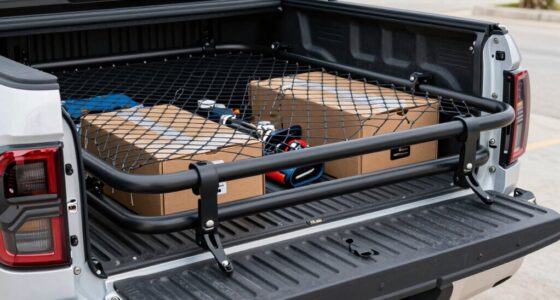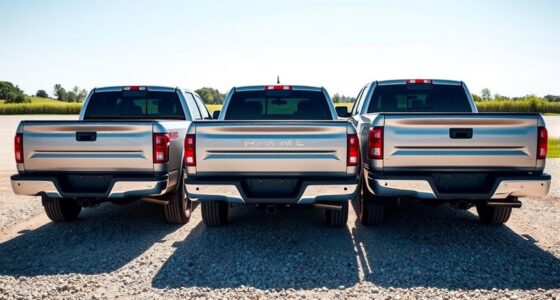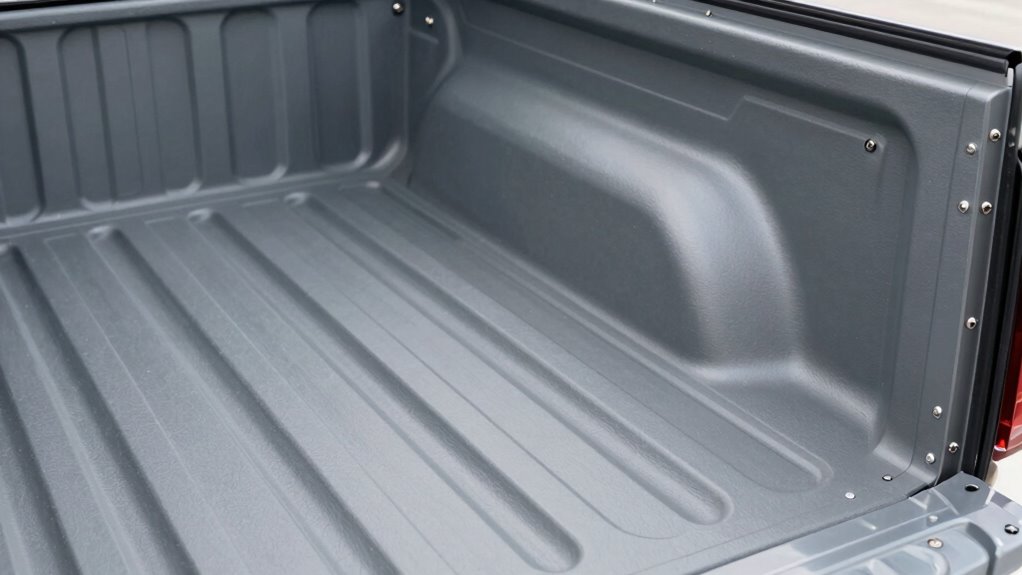
You’ll find that composite truck beds are lighter, eco-friendly, and resistant to corrosion, making them easier to maintain than steel beds. While steel offers unmatched durability and strength for heavy-duty tasks, composites can absorb impacts better and are suitable for hauling fragile items. Modern composites are closing the gap in performance, providing nearly the same resilience. To discover how these materials compare in various conditions, there’s more to explore below.

Get business pricing on garage and car supplies
- Business-only prices and quantity discounts
- Tax-exempt purchasing
- Multiple users, one account, clear invoices
Key Takeaways
- Composite truck beds are eco-friendly, made from recycled or sustainable materials, unlike traditional steel beds.
- Steel beds offer superior strength and durability but are susceptible to rust and corrosion over time.
- Composites are lighter, improving fuel efficiency and payload capacity, while steel provides a robust, heavy-duty feel.
- Modern composites have enhanced impact resistance, approaching steel’s durability for demanding tasks.
- Steel beds are preferred for extreme, heavy-duty applications; composites suit lighter, fragile, or environmentally conscious needs.
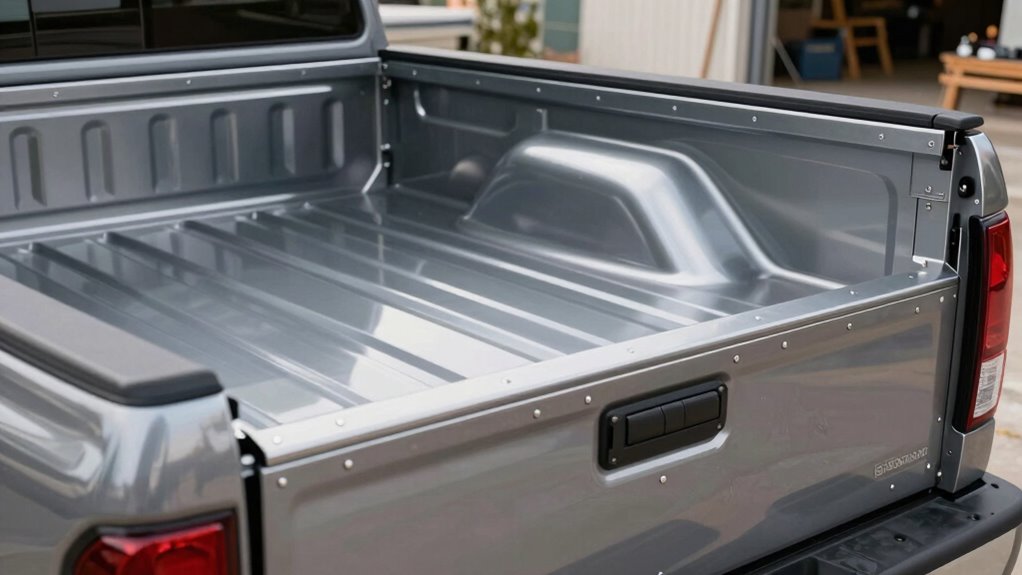
When choosing a truck bed, understanding the differences between composite and steel options can substantially impact your vehicle’s durability and performance. One key factor to evaluate is the materials used in construction. Composite truck beds are often made from eco-friendly materials, which appeal to environmentally conscious buyers. These materials typically include recycled plastics or other sustainable components that reduce the environmental footprint compared to traditional steel. Steel beds, on the other hand, are usually made from high-strength metal, which is durable but less focused on eco-friendliness. If sustainability is a priority for you, composite beds offer a compelling advantage, combining eco-friendly materials with modern manufacturing techniques.
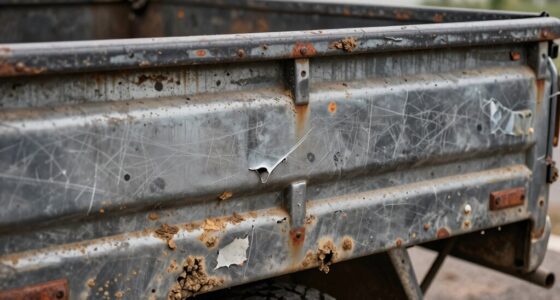
Another critical aspect is corrosion resistance. Steel, while strong, is susceptible to rust and corrosion over time, especially if not properly coated or maintained. This can lead to costly repairs and decreased lifespan. Many steel truck beds are treated with protective coatings, but these can wear down or chip, exposing the metal underneath. Composite beds naturally resist corrosion because they don’t contain metal components that oxidize. This resistance makes them a low-maintenance option, especially if you frequently haul moisture-heavy or corrosive materials. You won’t need to worry about rust patches or repainting, which can save you money and hassle in the long run. Additionally, composite beds often incorporate corrosion-resistant materials that further enhance their longevity. Moreover, the absence of metal parts in composite beds can also contribute to reduced maintenance costs, making them an attractive choice for many truck owners.
Durability is also a significant factor. Steel beds have a proven track record for strength and impact resistance, making them suitable for heavy-duty tasks. They can withstand rough handling and heavy loads without significant damage. Composite beds, while sturdy, tend to be more flexible and less prone to denting or warping. They absorb impacts better, which can help protect the truck bed itself, especially when hauling fragile or irregularly shaped items. Furthermore, advancements in composite technology have improved their impact resistance, making them increasingly comparable to steel in demanding applications. Modern composites are also designed to withstand extreme conditions, further broadening their usability. Steel beds are often preferred for heavy-duty use because of their raw strength, but modern composites are closing this gap. However, they may not match steel’s raw strength for the most demanding applications.
Weight is another consideration. Composite beds are generally lighter than steel, which can improve fuel efficiency and handling. If you’re looking to maximize payload capacity or reduce overall vehicle weight, composites offer a notable benefit. Steel beds, being heavier, might slightly decrease fuel economy but often provide a sense of robustness and traditional strength that some truck owners prefer.
As an affiliate, we earn on qualifying purchases.
Frequently Asked Questions
How Do Composite and Steel Truck Beds Compare in Weight?
You’ll find that composite truck beds are generally lighter than steel ones, making your vehicle easier to handle and more fuel-efficient. While composite beds excel in material durability, they often have higher manufacturing costs compared to steel. Steel beds are heavier but usually cheaper to produce. Your choice depends on whether you prioritize reduced weight and durability or cost savings, as each material offers distinct advantages.
Are Composite Truck Beds More Environmentally Friendly Than Steel?
You might find it surprising, but composite truck beds are generally more eco-friendly than steel ones. They benefit from eco-friendly manufacturing processes that reduce emissions and waste. Plus, their recyclability benefits mean you can reuse or repurpose materials more easily, minimizing environmental impact. While steel is recyclable too, composites often have a smaller carbon footprint overall, making them a greener choice for eco-conscious truck owners.
What Is the Resale Value Difference Between Composite and Steel Beds?
You’ll find that steel beds typically have a higher resale value due to their material durability and widespread familiarity. When doing a cost analysis, consider that steel’s robustness often appeals more to buyers, potentially increasing resale price. Composite beds, while lighter and resistant to corrosion, may not hold their value as well because some buyers prefer proven steel durability. Your choice affects resale potential, so weigh material durability and long-term value carefully.
Can Composite Truck Beds Be Repaired Easily After Damage?
Composite truck beds can be repaired, but durability concerns and repair complexity depend on the damage type. Small scratches or minor cracks are usually easy to fix with DIY kits or professional repairs. However, significant damage may require specialized repairs, which can be more complex than fixing steel beds. Overall, while repairs are possible, you should consider the potential costs and challenges before assuming easy fixes for extensive damage.
How Do Maintenance Costs Differ Between Composite and Steel Truck Beds?
Maintenance costs for composite truck beds tend to be lower over time because they require less frequent repairs and resist rust and corrosion better than steel. Durability concerns are minimal, making them a cost-effective choice. In your cost analysis, you’ll find that composite beds save money on upkeep, while steel beds might incur higher maintenance due to potential rust issues and repair needs. Overall, composites offer a more economical long-term solution.
As an affiliate, we earn on qualifying purchases.
Conclusion
So, as you weigh your options, remember that composite truck beds offer durability, lighter weight, and resistance to rust—traits that can make your truck feel reborn. Steel, with its strength and affordability, remains a classic choice, standing tall in the face of wear. Ultimately, your decision hinges on what you value most: the resilience of composite or the tried-and-true reliability of steel. Whichever you choose, it’s your truck’s new chapter—crafted for the road ahead.
As an affiliate, we earn on qualifying purchases.
As an affiliate, we earn on qualifying purchases.
Halloween Picks
halloween
As an affiliate, we earn on qualifying purchases.