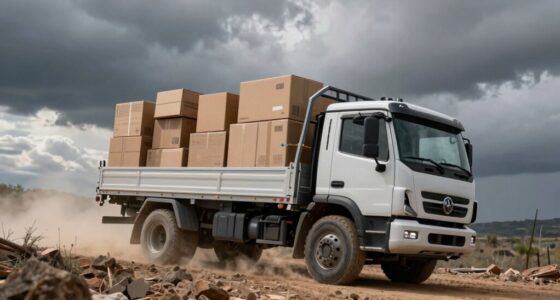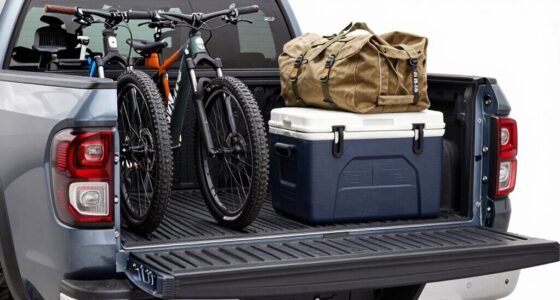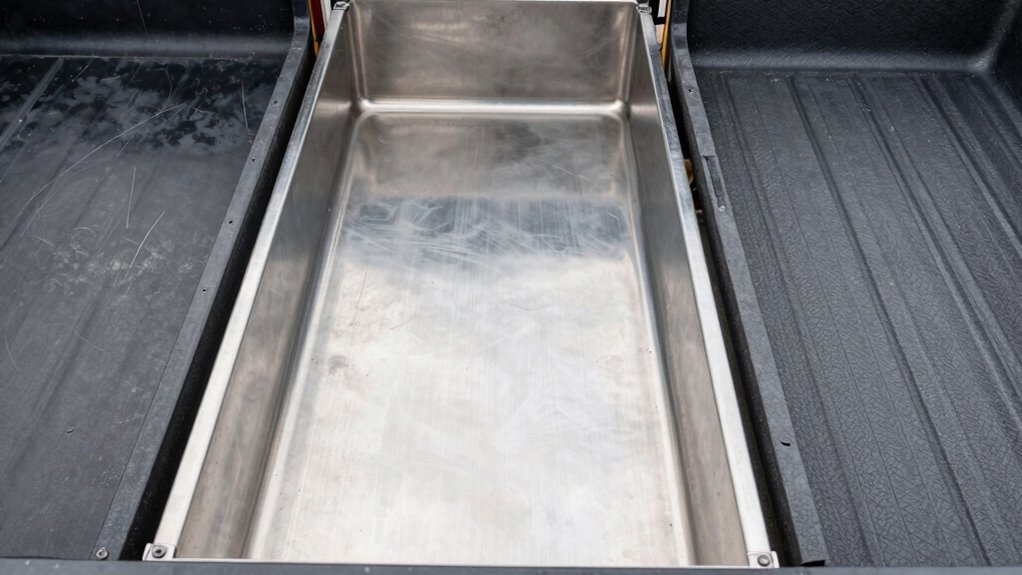

To compare truck beds like an expert, focus on key factors like material, size, and features based on your hauling needs. Consider durability, weight, and maintenance—steel for heavy loads, aluminum for rust resistance, or composites for lighter cargo. Match the bed size to your typical loads, balancing cargo space and maneuverability. Also, evaluate features like tie-down points and accessories for added usability. Keep these criteria in mind, and you’ll be able to choose the best truck bed for your needs.

Get business pricing on garage and car supplies
- Business-only prices and quantity discounts
- Tax-exempt purchasing
- Multiple users, one account, clear invoices
Key Takeaways
- Assess material durability, weight, and maintenance requirements based on your hauling needs and environment.
- Compare bed sizes considering cargo volume, maneuverability, and vehicle compatibility for optimal functionality.
- Evaluate additional features like tie-down points, bed height, and accessory compatibility for enhanced usability.
- Consider load capacity and weight limits to ensure the bed suits your typical cargo loads safely.
- Match bed options with your usage frequency and cargo type for long-term efficiency and convenience.
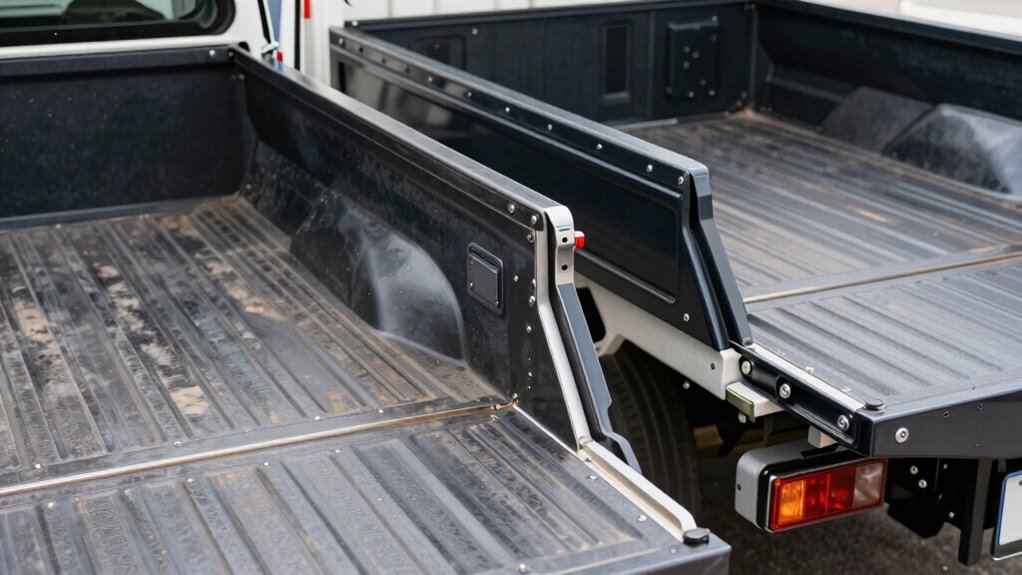
Are you unsure how to choose the right truck bed for your needs? Picking the perfect truck bed involves understanding your specific requirements and how different features impact performance. One of the first things to consider is truck bed materials. The material you select influences durability, weight, and maintenance. Steel beds are incredibly strong and resistant to damage, making them ideal if you often haul heavy or rough loads. Aluminum truck beds, on the other hand, are lighter, which can improve fuel efficiency and payload capacity, and resist rust better. If you prioritize longevity with minimal upkeep, aluminum might be your best bet. There are also composite or plastic beds, which can be lightweight and corrosion-resistant, but they may not handle extremely heavy loads as well. Knowing where you’ll be using your truck and what you’ll carry helps determine the best material for your truck bed. Understanding truck bed materials can help you select the most suitable option for your specific hauling needs. Additionally, considering the maintenance requirements for each material can help you choose a bed that aligns with your willingness to perform upkeep. Regular inspection and cleaning of the bed can prolong its lifespan, especially if exposed to harsh elements.
Next, you should evaluate bed size options. Different trucks come with various bed lengths, typically categorized as short, standard, or long beds. Short beds are easier to maneuver and park but offer less cargo space. Long beds provide more room for larger loads, but they can be harder to handle, especially in tight spots. Standard beds strike a balance, giving enough space for most hauling needs without sacrificing too much maneuverability. Think about the types of cargo you’ll carry most often and how much space you’ll need. If you frequently transport large furniture or bulk items, a longer bed might save you multiple trips. Conversely, if you mostly carry smaller loads or use your truck for commuting, a shorter bed could be more practical. Understanding bed size options helps you match your truck’s capacity with your typical cargo. Being aware of vehicle dimensions in relation to your usual driving environment can prevent complications when navigating tight spaces or parking.
Beyond materials and size, you should also compare features like bed height, tie-down points, and compatibility with accessories such as tonneau covers or bed liners. These elements can enhance usability and protect your cargo. Remember, the right truck bed isn’t just about size or material; it’s about how well it fits your lifestyle and workload. Take measurements of your typical loads, consider your driving environment, and compare these with the available options. By thoroughly weighing these factors, you’ll be equipped to choose a truck bed that maximizes both function and convenience. Ultimately, understanding the differences in truck bed materials and size options puts you in a strong position to make an informed decision, ensuring your truck serves you well for years to come.
As an affiliate, we earn on qualifying purchases.
Frequently Asked Questions
What Materials Are Most Durable for Truck Beds?
For durability, you want to focus on bed materials with high material longevity. Steel tops the bed material comparison as it’s incredibly tough, resisting dents and corrosion. Aluminum is lighter and also corrosion-resistant but may scratch more easily. Wood offers a classic look but isn’t as durable long-term. When comparing, consider your needs—steel provides the best durability, aluminum balances weight and resistance, and wood offers aesthetic appeal but less longevity.
How Does Bed Size Affect Payload Capacity?
The size of your truck bed directly impacts payload capacity, as larger beds can generally carry more weight. However, you need to take into account weight distribution for safety and efficiency. A bigger bed may improve payload optimization by spreading weight evenly, but overloading can compromise vehicle stability. Always check the manufacturer’s weight limits and ensure your payload stays within safe boundaries to maximize capacity without risking damage or safety issues.
Are There Any Weight Restrictions for Different Truck Bed Types?
Imagine your truck bed as a guardian of your dreams—its weight limits keep everything safe. Yes, different truck bed types have specific load capacity and weight limits. Heavy-duty beds can handle more, while others have restrictions to prevent overloads. Always check your truck’s manufacturer guidelines to make certain you don’t exceed these limits, protecting both your vehicle and your cargo. Respecting weight restrictions keeps your journey safe and worry-free.
What Are the Best Features for Off-Road Truck Beds?
For off-road truck beds, prioritize cargo security features like tie-down points and lockable storage to keep your gear safe. Look for bed customization options such as durable, scratch-resistant surfaces and modular accessories that adapt to your needs. These features help you secure your load during rough terrain and personalize your truck for adventure, ensuring safety, convenience, and style on every off-road journey.
How Do Bed Accessories Impact Overall Truck Performance?
Bed accessories substantially impact your truck’s performance by enhancing functionality and protection. Bed liner options, like spray-on or drop-in liners, protect against damage and corrosion, while bed customization trends, such as toolboxes or racks, improve organization and utility. These accessories can also add weight, affecting fuel efficiency and handling. Choose wisely based on your needs, balancing protection, practicality, and style to optimize your truck’s overall performance.
As an affiliate, we earn on qualifying purchases.
Conclusion
Now that you know what to look for, comparing truck beds becomes as easy as pie. Think of it like choosing the perfect puzzle piece—you want it to fit just right for your needs. Remember, the right bed can turn your truck into a reliable workhorse or a weekend adventure buddy. So take your time, weigh your options, and pick a bed that’ll serve you well for miles and smiles ahead.
As an affiliate, we earn on qualifying purchases.
As an affiliate, we earn on qualifying purchases.
Fall Picks
fall essentials
As an affiliate, we earn on qualifying purchases.