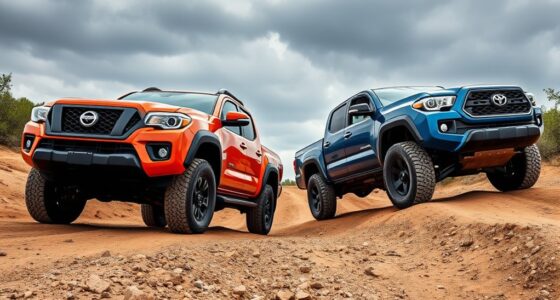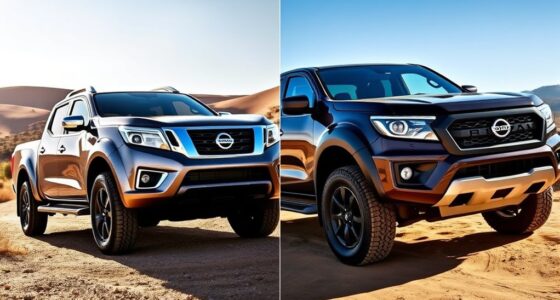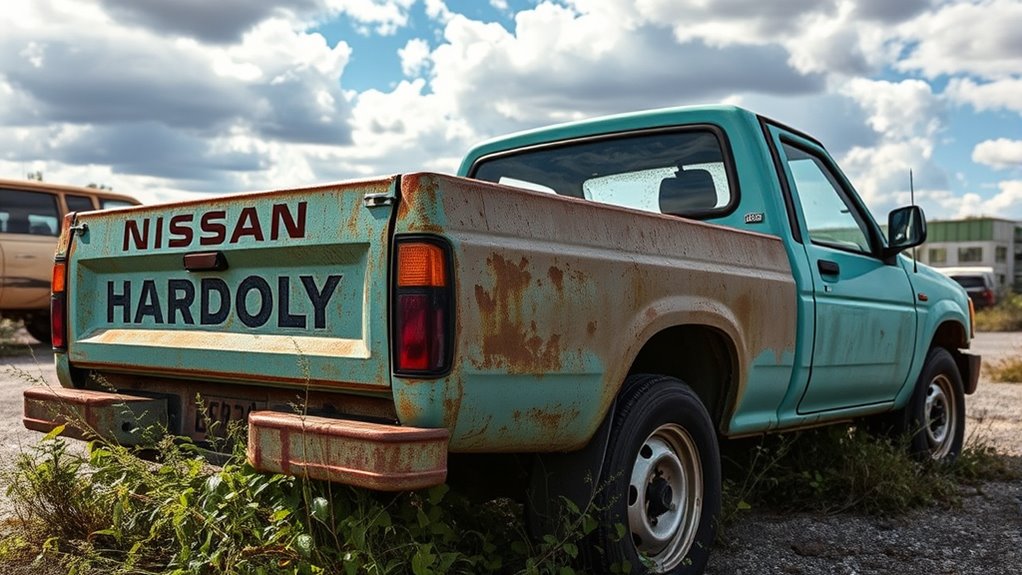

The Nissan Hardbody was produced from 1986 to 1997, earning a reputation for durability, versatility, and a rugged design that made it a favorite among enthusiasts. Its simple construction, strong frame, and iconic look helped it stand out in the pickup market. Although production stopped and it was replaced by the Nissan Frontier in 1998, the Hardbody remains a nostalgic icon. To discover how it’s still celebrated today, you’ll want to explore its legacy in more detail.
Key Takeaways
- Production of the Nissan Hardbody ended in 1997, replaced by the more modern Nissan Frontier.
- It remains a highly sought-after classic, celebrated for its durability and nostalgic appeal.
- Enthusiasts and collectors continue to restore and customize these trucks, maintaining their popularity.
- Its legacy influences modern Nissan trucks and has cemented its status as an automotive icon.
- The Hardbody’s rugged design and cultural significance ensure its enduring presence in automotive history.

Door Hinge Pins Bush Set Repair Kit for 1986-1997 Fits Nissan Navara D21 Hardbody Frontier Truck Pickup
New – Aftermarket Products, Replacement Parts
As an affiliate, we earn on qualifying purchases.
As an affiliate, we earn on qualifying purchases.
The Birth of the Nissan Hardbody: Origins and Design

The Nissan Hardbody’s birth began with a vision to create a durable, versatile pickup truck that could meet the demands of both work and play. Designed by Nissan Design International in California starting in 1982, it aimed to combine toughness with practicality. The name “Hardbody” was coined by early customers who appreciated its rugged build, later officially adopted by Nissan. The first models arrived in 1986, featuring a double-walled bed for extra durability and a ladder-type frame for strength. This design emphasized reliability and versatility, making it suitable for tough jobs and outdoor adventures. The Hardbody was engineered to stand out, blending innovative features with a focus on longevity, setting the stage for its lasting legacy in the pickup truck market. Additionally, high-quality construction played a crucial role in establishing its reputation for durability and long-term performance.

RLB-HILON Dashboard Heater Air Vent Grille Set Compatible with Nissan Navara D21 Hardbody Pickup 1986 to 1997 Year, Black Color
RLB-HILON Dash Air Vent Set Including 2 PCS center air vents with cover 1 PC left side air…
As an affiliate, we earn on qualifying purchases.
As an affiliate, we earn on qualifying purchases.
Features That Made the Hardbody Stand Out
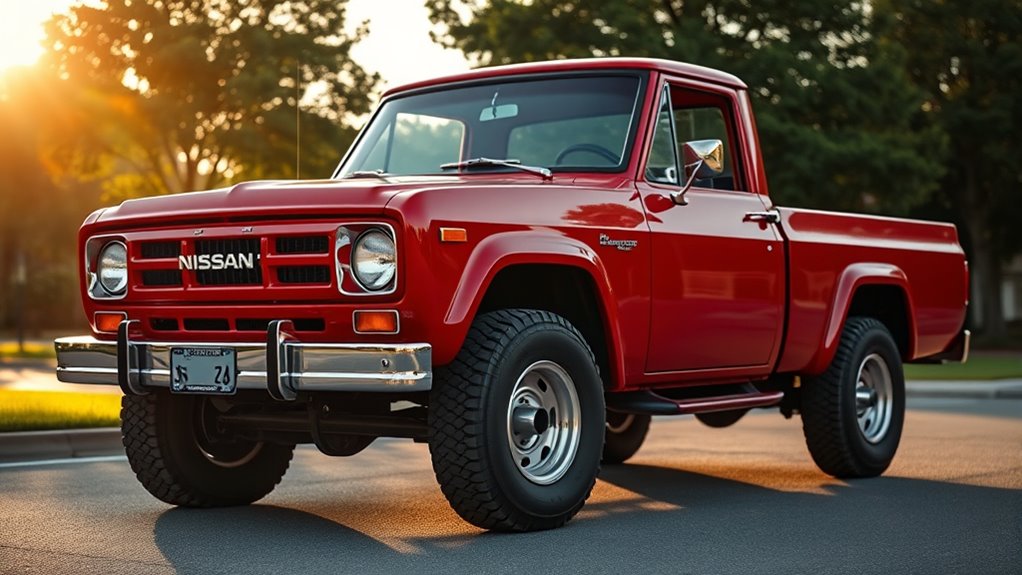
What set the Nissan Hardbody apart from other pickups was its combination of rugged durability and practical features. Its double-walled bed offered exceptional strength for hauling heavy loads, while the ladder-type frame provided solid structural integrity. The independent front suspension with torsion bars made adjusting ride height easy, enhancing versatility, and the solid rear axle with leaf springs boosted load-carrying capacity. Four-wheel drive models could shift “on the fly” at speeds up to 25 mph, giving you flexibility for off-road adventures or tough jobs. Inside, the cabin featured user-friendly controls and optional tech like pitch-and-roll displays on 4x4s. These features made the Hardbody reliable, adaptable, and ready for work or play, earning it a reputation for toughness unmatched in its class. Additionally, the incorporation of modern engineering principles contributed to its enduring reputation for durability and versatility.

LASFIT Bed Mat for Nissan Frontier 2022-2026 5FT/59.5 inchs (Not Fit Drop-in Bed Liners), All Weather TPE Custom Fit Easy Clean Truck Bed Mat for Frontier 2022 2023 2024 2025 2026 Crew Cab Bed Liner
【Custom Fit Frontier 2022-2026 5FT/59.5 INCHES】The LASFIT truck bed mat for Nissan Frontier 2022-2026 models for 5 Feet/59.5''…
As an affiliate, we earn on qualifying purchases.
As an affiliate, we earn on qualifying purchases.
Manufacturing Milestones and Market Launch

You can see that the Nissan Hardbody’s manufacturing journey began in 1986, marking its official market debut. This model was available in North America until 1997, spanning about 11 years of production. Understanding these milestones helps you appreciate how Nissan established its presence in the compact truck segment during that era. Additionally, many owners consider backup power options to keep their vehicles operational during emergencies or outages.
Production Start Year
Did you know that Nissan officially began manufacturing the Hardbody in the middle of 1986? Production kicked off at the Nissan Smyrna Vehicle Assembly Plant in Tennessee, marking the start of its North American presence. The first models rolled off the line around June or July, with the truck available in standard and double cab configurations. Both rear-wheel drive and four-wheel drive options were offered, catering to a variety of needs. This early launch positioned the Hardbody as a durable, versatile pickup for work and recreation. Over the next eleven years, Nissan steadily produced these trucks, establishing a strong reputation. The 1986 start date remains a key milestone, symbolizing the beginning of a lasting legacy in the compact truck segment.
Market Availability Timeline
The Nissan Hardbody officially entered the market in mid-1986, with production starting at the Smyrna Vehicle Assembly Plant in Tennessee. It was available in standard and double cab configurations, offering rear-wheel drive and four-wheel drive options. Production continued until 1997, marking about 11 years of availability in North America. During this period, Nissan introduced key manufacturing milestones, including the adoption of California design influences and the launch of the first V-6 engine in a Nissan pickup. The model quickly gained popularity, thanks to its durability and practicality. Its market presence extended across various segments, from work trucks to lifestyle vehicles. By the late 1990s, the Hardbody was phased out and replaced by the Nissan Frontier, but its availability during this timeline cemented its legacy. Additionally, the Hardbody’s reputation was bolstered by its innovative design and the introduction of energy-efficient manufacturing practices.
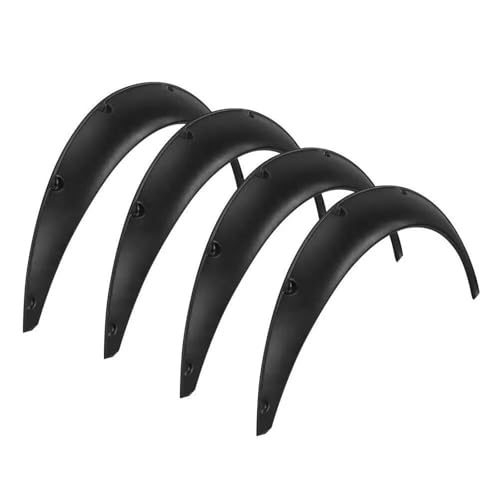
for N&issan for Hardbody D21 720 1983-1994 Car Wheel Arch Fender Flares Mudguard Mud Splash Guard Wheel Eyebrow 4.5"
Performance: Whether you're driving on rough terrain, off-road, or just want to protect your wheels from dust and…
As an affiliate, we earn on qualifying purchases.
As an affiliate, we earn on qualifying purchases.
Powertrain Options and Performance Highlights
Nissan offered a range of powertrain options for the Hardbody, balancing performance and efficiency to meet diverse needs. The most common engine was the Z24, a 2.4-liter four-cylinder with twin spark plugs per cylinder, delivering reliable power for work and everyday driving. It provided a good mix of fuel economy and capability. For those seeking more, Nissan also offered a 3.0-liter V6 engine in some models, enhancing performance and towing capacity. Four-wheel-drive models could be equipped with an optional electric winch, making them even more capable off-road. The engines were paired with manual or automatic transmissions, giving drivers flexibility. Overall, the powertrain options made the Hardbody versatile—able to handle tough jobs, daily commutes, or outdoor adventures with confidence. Additionally, the availability of engine choices allowed buyers to select a setup tailored to their specific needs and driving habits.
The Hardbody’s Role in Popular Culture and Market Impact

You probably recognize the Nissan Hardbody as more than just a work truck—it’s become a cultural icon that resonates with enthusiasts and everyday users alike. Its reputation for durability and affordability shaped market demand, making it a sought-after classic today. This enduring legacy continues to influence modern Nissan trucks and fuels the collectibility of well-preserved models.
Cultural Icon Status
As a rugged and reliable workhorse, the Nissan Hardbody quickly transcended its utilitarian roots to become a cultural icon, resonating deeply with diverse audiences. Its tough image made it a symbol of independence and resilience, especially among outdoor enthusiasts, surfers, and tradespeople. The Hardbody’s distinctive design and reputation for durability earned it a loyal following, often featured in movies, music videos, and TV shows that celebrated adventure and toughness. Enthusiasts still seek out restored models, valuing their nostalgic appeal and rugged charm. Its influence extends beyond the road, inspiring custom builds and off-road adventures. The Hardbody’s status as a cultural icon endures, cementing its place in automotive history as much more than just a pickup truck. Additionally, its reputation for durability and reliability helped solidify its iconic status in popular culture.
Market Influence and Demand
The Nissan Hardbody’s rugged reputation and practical design quickly made it a favorite among a wide range of consumers, from tradespeople to outdoor enthusiasts. Its durability and affordability created steady demand, shaping the compact truck market in the late 1980s and 1990s. The Hardbody’s versatility allowed it to serve multiple roles, from workhorse to recreational vehicle, boosting its popularity across different demographics. Its reputation for reliability fostered a loyal customer base, while its customizable features appealed to enthusiasts and small business owners alike. This demand helped Nissan establish a strong foothold in North America’s truck segment, influencing competitors and setting industry standards. Additionally, the introduction of Free Floating suspension technology contributed to its superior ride comfort and handling, further elevating its market position. Even today, the Hardbody’s market influence endures, with collectors and restorers recognizing its significance in automotive history.
Enduring Legacy and Collectibility
Decades after its initial release, the Nissan Hardbody continues to hold a prominent place in automotive culture and collecting circles. Its reputation for durability, practicality, and versatility keeps it highly sought after among enthusiasts and collectors. Many see it as a symbol of 1980s and 1990s reliability, often restoring or customizing these trucks for off-road adventures or daily use. Its iconic design, especially the double-walled bed and sturdy ladder frame, adds to its nostalgic appeal. Limited production numbers and the model’s influence on modern Nissan trucks boost its market value. As a result, the Hardbody remains a cultural icon, celebrated in car shows, online communities, and vintage markets, cementing its legacy as a durable, collectible classic with lasting appeal. Additionally, the truck’s generative AI-driven storytelling techniques have been used in marketing campaigns to evoke nostalgia and connect with a new generation of enthusiasts.
Transitioning to the Next Generation: From Hardbody to Frontier
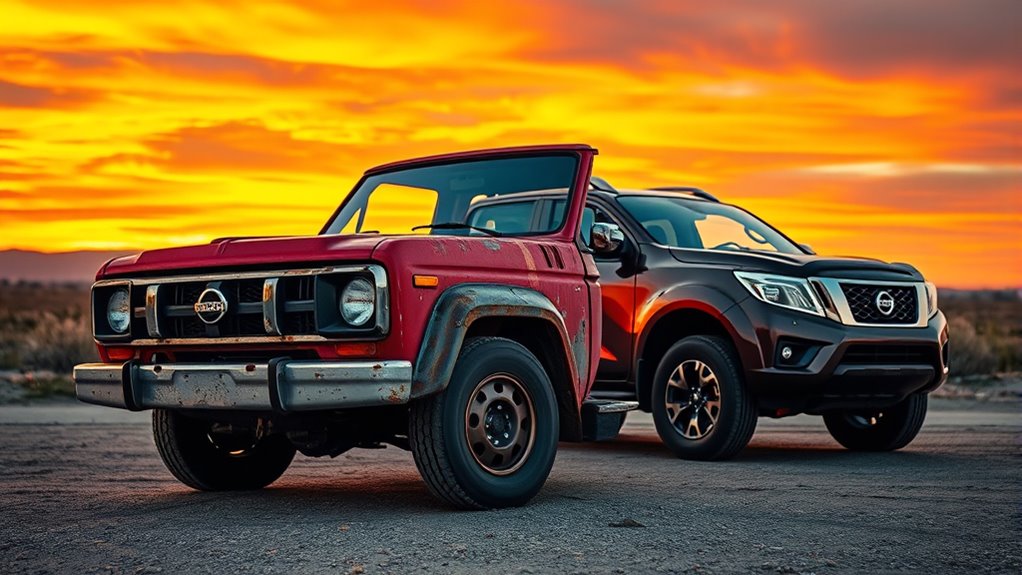
When Nissan decided to replace the Hardbody with a new model in 1998, it marked a significant shift in their pickup truck lineup. The introduction of the Frontier aimed to modernize design, improve comfort, and incorporate advanced technology. This progression reflected Nissan’s response to evolving market demands for better fuel efficiency, safety features, and versatility. The new Frontier retained the rugged spirit but offered upgraded performance and amenities, signaling a move toward a more refined, consumer-friendly truck.
| Hardbody (1986–1997) | Transition Phase | Frontier (1998–present) |
|---|---|---|
| Durable, simple | Modernization | Tech-savvy, refined |
| Classic styling | Design evolution | Contemporary look |
| Proven reliability | Market adaptation | Advanced features |
| Focused on work | Broader appeal | Lifestyle versatility |
| Loyal following | Transition period | Expanding innovation |
Why Enthusiasts Still Cherish the Nissan Hardbody Today
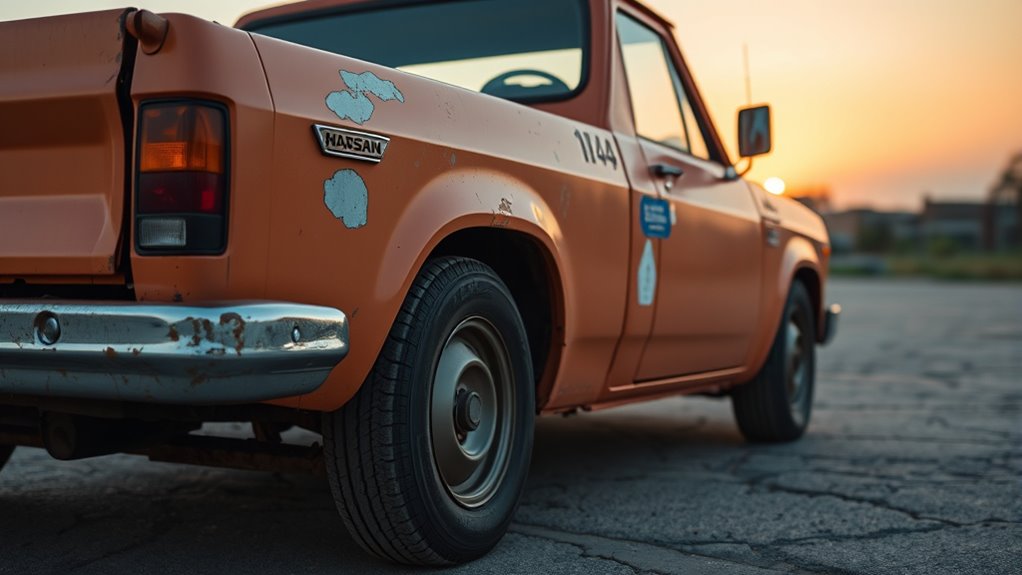
Enthusiasts still cherish the Nissan Hardbody today because it combines rugged durability with a timeless, straightforward design that’s easy to restore and customize. Its simple construction makes parts readily available, and its solid build can handle tough off-road adventures. If you’re into modifying trucks, you’ll appreciate its adaptability—whether upgrading the suspension or boosting performance. The Hardbody’s iconic look and proven reliability foster a strong community of fans. Here are four reasons why it endures: 1. Classic, no-frills design that’s easy to personalize 2. Robust engineering built for off-road and daily use 3. Active aftermarket support for upgrades and restorations 4. Its reputation for longevity keeps it sought after today. Additionally, its astrological sign influence is sometimes linked to its enduring appeal among enthusiasts.
The Legacy of the Nissan Hardbody in Automotive History
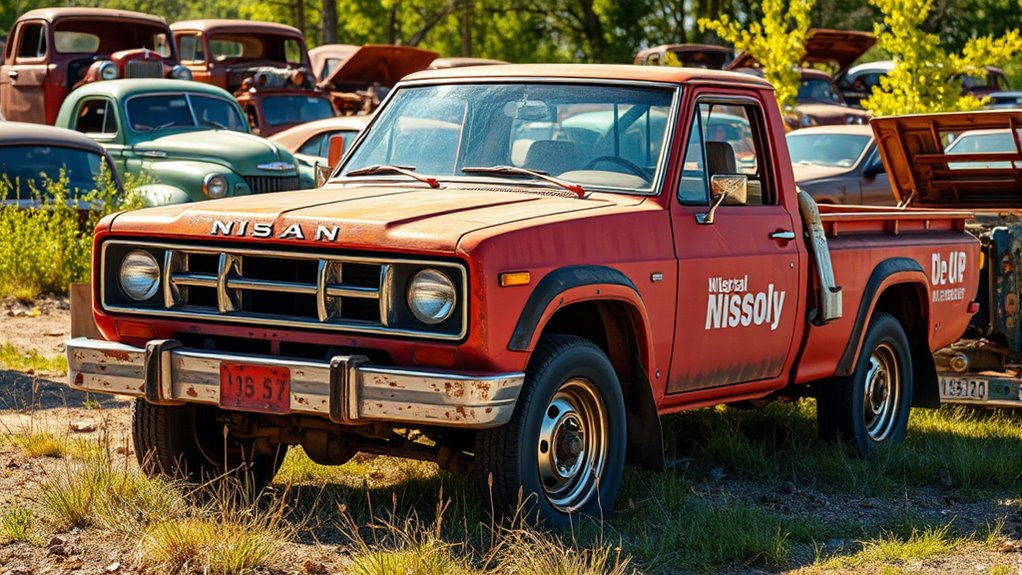
The Nissan Hardbody’s reputation for durability and straightforward design has left an indelible mark on automotive history. You can see its influence in the rugged, reliable pickups that followed, setting a standard for practical, work-ready trucks. Its innovative features, like double-walled beds and on-the-fly four-wheel-drive shifts, showcased Nissan’s commitment to versatility and toughness. The Hardbody’s balanced performance and affordability made it a favorite among a diverse range of users, from DIYers to commercial operators. Its production span and cultural impact cemented its status as a classic icon. Even today, enthusiasts cherish its legacy, restoring and customizing these trucks for modern off-road adventures. The Hardbody’s design philosophy and market success laid the foundation for Nissan’s ongoing truck lineage. Recent advancements in best CAD papers have further influenced how classic trucks like the Hardbody are restored and customized through digital design and manufacturing techniques.
Frequently Asked Questions
Why Did Nissan Discontinue the Hardbody in Favor of the Frontier?
Nissan discontinued the Hardbody in favor of the Frontier to modernize their lineup and meet evolving market demands. You’d notice that the Frontier offered updated styling, improved safety features, and better fuel efficiency, appealing to new buyers. Nissan aimed to stay competitive by integrating advanced technology and enhanced comfort, making the Frontier a more versatile and attractive option. This shift helped Nissan strengthen its position in the compact truck segment.
Are There Modern Nissan Trucks Inspired by the Hardbody’s Design?
Think of the Nissan Frontier as a modern echo of the classic Hardbody’s rugged spirit. It takes inspiration from that durable, boxy design and utilitarian vibe, blending it with today’s tech and comfort. You’ll notice the similar squared-off shape, sturdy frame, and practical features that pay homage to the original. Nissan continues to honor the Hardbody’s legacy by crafting trucks that balance toughness with modern innovation, appealing to fans like you.
How Reliable Are Vintage Nissan Hardbody Trucks Today?
You’ll find that vintage Nissan Hardbody trucks are generally quite reliable today if they’ve been well-maintained. Their reputation for durability stands the test of time, with many owners reporting trouble-free usage even after decades. Keep in mind, though, that aging components like the suspension, seals, and electrical parts may need some attention. Regular maintenance and proper care can keep your vintage Hardbody running smoothly for many more miles.
What Are Common Issues Found in Aging Hardbody Models?
You’ll often find that aging Nissan Hardbody models can develop rust, especially around the bed and frame, due to years of exposure. You might also notice issues with the suspension, such as worn shocks or leaf springs, and electrical problems like failing wiring or sensors. Additionally, engine components like the Z24 may experience oil leaks or reduced performance. Regular maintenance and inspections help catch these issues early, keeping your truck reliable.
Can You Still Find and Restore Original Nissan Hardbody Parts?
You can still find and restore original Nissan Hardbody parts if you know where to look. Enthusiast communities, specialized junkyards, and online marketplaces are treasure troves for vintage parts. While it might take some digging, restoring your truck to its former glory is doable—just keep your eyes peeled, and don’t be afraid to get your hands dirty. With patience, you’ll find those rare pieces and keep your Hardbody running strong.
Conclusion
The Nissan Hardbody remains a steadfast symbol of durability and rugged adventure, like a trusted compass guiding enthusiasts through time’s terrain. Its legacy endures, inspiring new generations to seek reliability and spirit in every drive. Though the model has shifted, its essence — that resilient heart — continues to echo in every pickup that bears its name, reminding us that some classics, like true friends, never truly fade away.