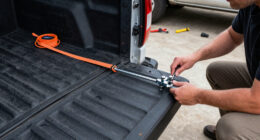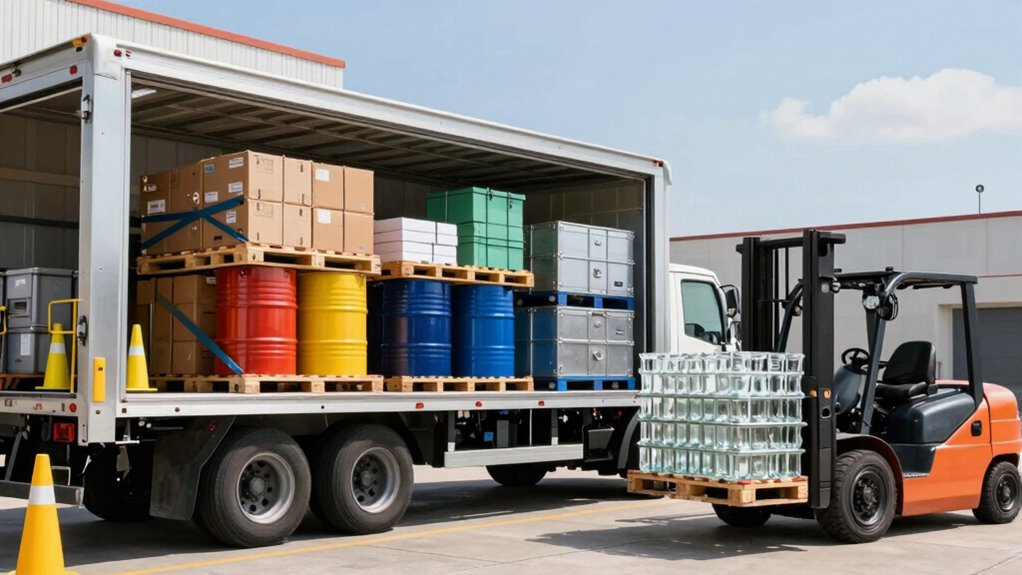

To load mixed cargo types efficiently, prioritize strategic placement by positioning heavy, bulky items at the bottom for stability, and lighter, fragile goods on top to prevent damage. Use cushioning and secure strapping to keep items in place, and consider the shape and size of each load. Balance the weight distribution to avoid overloading and maintain safety. Keep in mind terrain and handling needs, so your trip stays smooth—continue to discover effective tips to optimize your cargo setup.

Get garage and car supplies delivered free — and shop member deals
- Fast, free delivery on millions of items
- Access to Prime Big Deal Days deals on October 6–7
- Prime Video, Amazon Music and more included
Key Takeaways
- Prioritize heavy, bulky items at the bottom for stability and lighter, fragile goods on top to prevent damage.
- Use cushioning and securing materials to protect delicate cargo and prevent shifting during transit.
- Distribute weight evenly across the load to maintain balance and avoid overloading any section.
- Plan the arrangement based on cargo shape, size, and fragility for efficient space utilization.
- Incorporate emerging load stability techniques and terrain considerations to enhance safety and security.
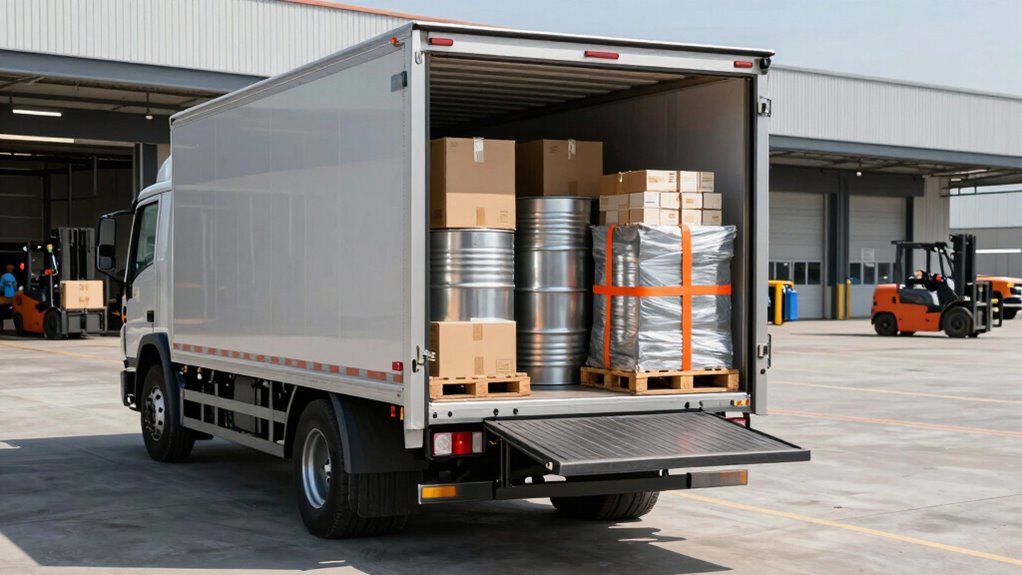
Have you ever wondered how to maximize efficiency when transporting different types of cargo in a single trip? The key lies in smart loading techniques that prioritize safety, stability, and space utilization. When you’re dealing with mixed cargo, attention to detail in container stacking and weight distribution becomes vital. Properly stacking containers ensures that heavier items are placed at the bottom, providing a stable foundation for lighter goods above. This not only prevents shifting during transit but also maximizes space, allowing you to load more within the same vehicle or container.
Smart loading maximizes space, safety, and stability by stacking heavy items at the bottom and lighter goods on top.
Container stacking isn’t just about placing items one on top of the other; it’s a strategic process. You need to consider the shape, size, and fragility of your cargo. Heavy, bulky goods should be positioned at the bottom, while lighter, delicate items go on top to avoid crushing or damage. Use secure strapping and cushioning materials to keep everything in place, especially when stacking multiple layers. This approach minimizes the risk of items shifting or falling, which could cause accidents or damage, and it makes unloading more straightforward at your destination. Additionally, understanding emerging trends in cargo handling can help optimize your loading practices further. Incorporating knowledge about safe stacking practices, load stability, and precise weight distribution can further enhance stability and safety in your load. Moreover, being aware of landscape considerations can help you adapt your approach based on the terrain and delivery environment, ensuring your cargo remains secure throughout transit.
As an affiliate, we earn on qualifying purchases.
Frequently Asked Questions
How Do I Ensure Cargo Weight Distribution Is Balanced?
To guarantee your cargo weight distribution is balanced, start with cargo stacking techniques that evenly spread the weight across the vehicle. Use weight sensors to monitor load distribution in real-time, making adjustments as needed. Place heavier items at the bottom and centered, while lighter cargo goes on top. Regularly check the sensors during loading to prevent shifting and maintain stability, ensuring safe and efficient transport.
What Safety Precautions Are Needed During Loading?
During loading, you need to follow strict safety protocols to prevent accidents. Make sure cargo securing is properly done, using straps, chains, or barriers to keep items stable. Always wear protective gear like gloves and helmets, and keep the loading area clear of hazards. Communicate clearly with your team, double-check securing methods, and avoid rushing. These precautions keep everyone safe and protect the cargo from shifting or falling during transit.
How Do I Prevent Cargo Damage During Transit?
A stitch in time saves nine, and that’s true for preventing cargo damage during transit. To avoid damage, you should focus on cargo securing and damage prevention techniques. Use proper strapping, bracing, and padding to keep items stable and cushioned. Regularly inspect the load during transit, guaranteeing everything stays secure. Effective cargo securing minimizes movement, reduces the risk of damage, and ensures your cargo arrives at its destination in perfect condition.
What Equipment Is Best for Handling Diverse Cargo Types?
You should choose handling equipment like adjustable forklifts, conveyor belts, and specialized cargo loaders that fit your cargo compartment. These tools allow you to carefully load diverse cargo types, preventing damage and guaranteeing stability. Opt for equipment with flexible features to handle different shapes and sizes efficiently. Using the right handling equipment helps you maximize space, improve safety, and guarantee your cargo arrives intact and ready for delivery.
How Can I Optimize Route Planning for Mixed Loads?
To optimize route planning for mixed loads, you should leverage real-time tracking to monitor traffic and road conditions constantly. Use this data to adjust routes dynamically, avoiding delays and reducing fuel consumption. Prioritize efficient sequencing of stops, grouping nearby deliveries, and considering load constraints. This approach enhances fuel efficiency and guarantees timely deliveries, keeping your operations smooth and cost-effective while accommodating diverse cargo types in one trip.
heavy duty cargo straps for trucks
As an affiliate, we earn on qualifying purchases.
As an affiliate, we earn on qualifying purchases.
Conclusion
Think of your cargo like a well-orchestrated symphony, where each item plays its part in harmony. By mastering the art of loading mixed cargo efficiently, you not only maximize your vehicle’s potential but also channel the ingenuity of the great innovators who revolutionized transportation. With smart planning, you’re not just making a trip—you’re creating a masterpiece of efficiency. So, take charge and turn each load into a symphony of success.
cargo weight distribution sensors
As an affiliate, we earn on qualifying purchases.
As an affiliate, we earn on qualifying purchases.
fragile cargo cushioning materials
As an affiliate, we earn on qualifying purchases.
As an affiliate, we earn on qualifying purchases.
Halloween Picks
halloween
As an affiliate, we earn on qualifying purchases.