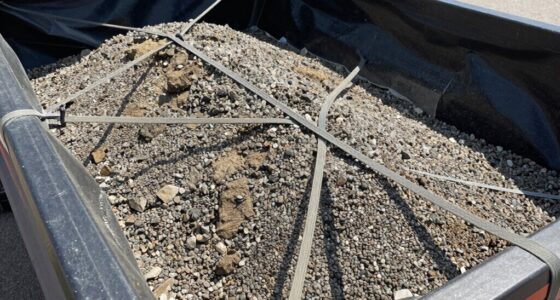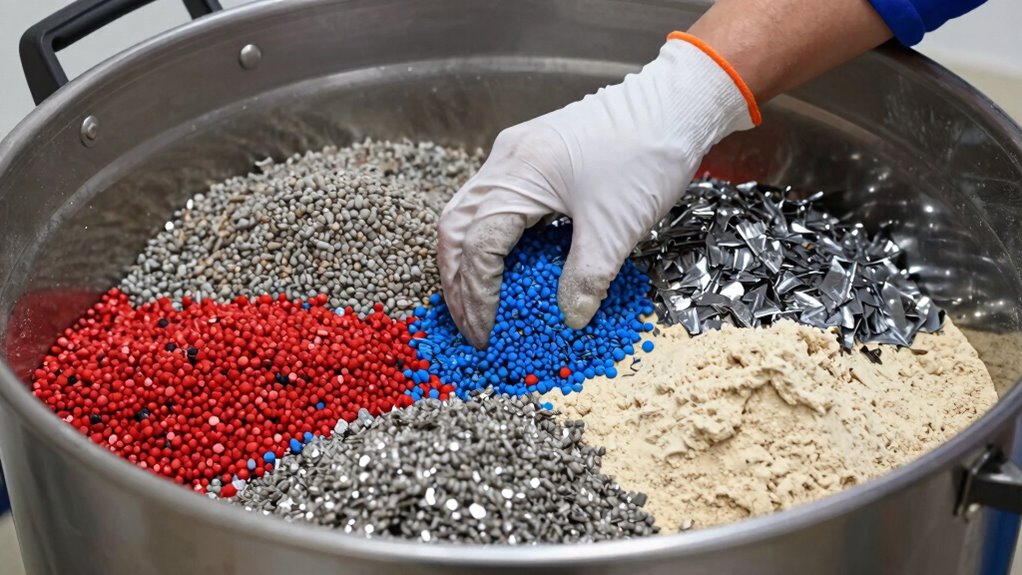

When loading mixed materials, start by analyzing each material’s properties to guarantee compatibility and prevent reactions. Wear proper PPE and secure the area before beginning. Place heavier, stable items at the bottom and lighter or fragile ones on top to maintain balance. Use separators, restraints, and correct stacking techniques to prevent shifting or damage. Regularly check the setup for hazards and clearly label all materials. Keep these safety tips in mind, and you’ll find it easier to ensure a safe, efficient load.

Get business pricing on garage and car supplies
- Business-only prices and quantity discounts
- Tax-exempt purchasing
- Multiple users, one account, clear invoices
Key Takeaways
- Analyze material properties and compatibility to prevent adverse reactions during loading and transit.
- Start with stable, heavy materials at the bottom and layer lighter or fragile items on top.
- Secure each material properly using restraints, separators, or barriers to prevent shifting or spills.
- Wear appropriate PPE and ensure equipment is in good condition before handling materials.
- Conduct regular inspections, communicate plans clearly, and properly label all materials for safety and documentation.
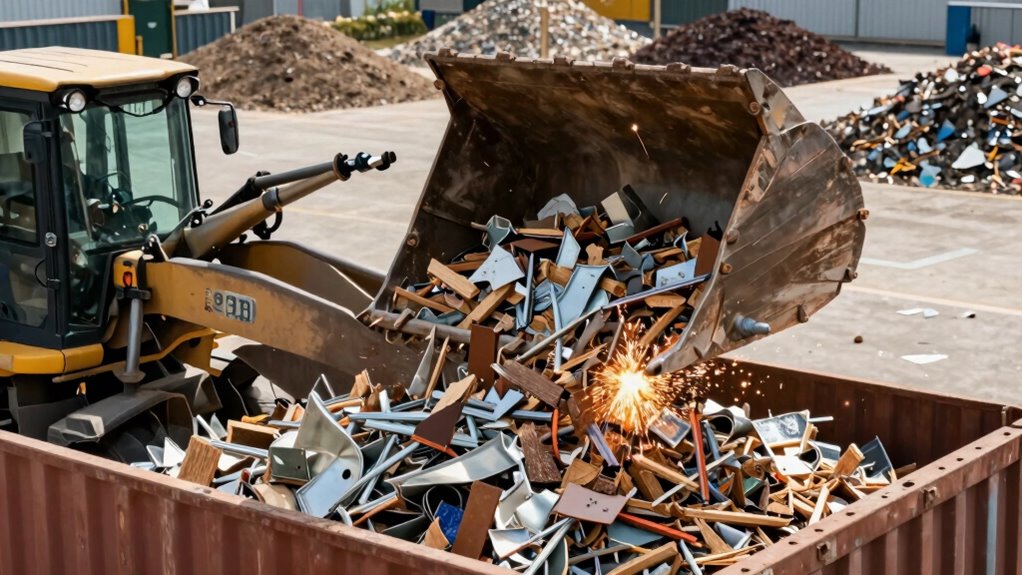
Have you ever wondered how to load mixed materials efficiently without causing damage or delays? When handling different types of materials together, understanding material compatibility is essential. Not all materials behave the same way during transport or loading, so you need to carefully consider how they interact. For example, some substances may react negatively if they come into contact, or certain materials might shift or settle differently, increasing the risk of damage or imbalance. Before you start loading, analyze each material’s properties and determine if they can safely coexist in the same container or vehicle. This preparation helps prevent costly mistakes and guarantees smooth operations.
Equally important are safety precautions. Always wear appropriate personal protective equipment (PPE) such as gloves, safety glasses, and steel-toed boots to minimize risk. Check that the loading area is clear of hazards, and verify that your equipment is in good condition to handle the loads securely. When loading mixed materials, take care to secure each type properly to avoid shifting during transit. Use separators, barriers, or additional restraints if necessary, especially when dealing with materials that could spill, leak, or react. This not only protects the integrity of the cargo but also safeguards everyone involved in the process. Proper material handling protocols can significantly reduce accidents and damages during loading.
You should also plan your loading sequence carefully. Start with the heavier or more stable materials at the bottom and layer lighter or more fragile items on top. This approach helps distribute weight evenly and prevents crushing or deformation. Be mindful of the stacking techniques—avoid overloading or stacking beyond recommended limits, as this can lead to instability. When loading liquids or granular materials, make sure containers are sealed and properly positioned to prevent leaks or spills. If you’re mixing different materials in the same container or compartment, double-check that they won’t react adversely or compromise safety. Understanding material compatibility is crucial for safe and efficient loading. Additionally, knowledge of safe loading practices can help prevent accidents related to improper stacking or securing.
Throughout the loading process, communicate clearly with your team. Make sure everyone understands the plan and safety procedures. Regularly inspect your setup to catch potential issues early. Keep an eye on temperature-sensitive or hazardous materials, ensuring they’re handled according to safety regulations. Proper documentation and labeling also play a key role in safe handling and future identification. By combining thorough knowledge of material compatibility with strict safety precautions, you’ll streamline the loading process, minimize risks, and guarantee that your mixed materials arrive at their destination intact and in good condition.
As an affiliate, we earn on qualifying purchases.
Frequently Asked Questions
What Safety Precautions Should Be Taken When Loading Mixed Materials?
When loading mixed materials, you should wear appropriate personal protective equipment like gloves, goggles, and masks to prevent injuries or exposure. Always check for hazardous substances and handle them carefully. Make certain emergency response procedures are in place, so you’re prepared for accidents. Keep the workspace organized, and communicate clearly with team members to ensure everyone follows safety protocols, reducing risks during the loading process.
How Do Temperature Variations Affect Loading Mixed Materials?
Did you know temperature fluctuations can impact over 60% of material properties? Temperature variations affect loading mixed materials by disrupting temperature stability, which can cause uneven expansion and contraction. This makes it essential to take into account material compatibility, ensuring materials respond similarly to temperature changes. When you manage temperature carefully, you prevent issues like separation or damage, maintaining the integrity of your load and ensuring safer, more efficient handling.
Can Different Materials Be Loaded Simultaneously in the Same Container?
Yes, you can load different materials simultaneously in the same container, but you must consider material compatibility and container segregation. Make certain the materials don’t react negatively when mixed and that they can be stored safely together. Use proper segregation techniques to prevent contamination or chemical reactions. Proper planning and understanding of each material’s properties help you avoid issues, ensuring safe, efficient loading and transportation.
What Equipment Is Best for Handling Mixed Materials?
You should use specialized equipment like vibratory feeders or conveyor belts designed for mixed materials, ensuring proper material segregation. These tools help prevent cross-contamination and maintain uniform flow. Equipment calibration is essential, as it guarantees accurate handling and prevents overloading or spillage. Visualize this process like a finely tuned orchestra, where each instrument (or material) plays its part, ensuring smooth, efficient operation without mixing or damage.
How Should Waste or Leftover Materials Be Managed After Loading?
After loading, you should manage waste or leftovers by promptly segregating materials to prevent contamination. Use designated containers for different types of waste, guaranteeing proper disposal or recycling. Regularly inspect for contamination, and clean equipment to maintain material integrity. Proper material segregation helps prevent cross-contamination, keeps your workspace safe, and complies with environmental regulations. By actively managing leftovers, you guarantee efficient, safe, and environmentally responsible handling of mixed materials.
As an affiliate, we earn on qualifying purchases.
Conclusion
By following these steps, you turn the chaos of mixed materials into a well-orchestrated dance, where each item finds its perfect spot. Think of your load as a carefully crafted mosaic, each piece contributing to a balanced masterpiece. When you load mixed materials correctly, you’re not just transporting items—you’re creating a seamless flow that maximizes space and safety. Remember, a well-loaded truck isn’t just a vehicle; it’s a symphony in motion.
personal protective equipment kit
As an affiliate, we earn on qualifying purchases.
As an affiliate, we earn on qualifying purchases.
As an affiliate, we earn on qualifying purchases.
Halloween Picks
halloween
As an affiliate, we earn on qualifying purchases.