
TL;DR

Get business pricing on garage and car supplies
- Business-only prices and quantity discounts
- Tax-exempt purchasing
- Multiple users, one account, clear invoices
Heavy-duty truck bed organizers are built tough to keep tools and gear secure. They improve access, protect cargo, and maximize space, but choosing the right one depends on load, weather, and security needs.
Imagine hauling a full load of tools, recovery gear, and a few unexpected heavy items on a muddy, bumpy trail. Without a sturdy organizer, those tools could bounce around, get damaged, or even fly out. Heavy-duty truck bed organizers are your secret weapon for taming chaos in your pickup’s bed.
They aren’t just storage bins. They’re built to withstand weather, theft, and the roughest roads. In this guide, you’ll learn how to pick the right system—one that fits your truck, your workload, and your budget—so you can keep your gear secure, organized, and ready for action.
Always measure your truck bed before shopping—fit is everything for security and efficiency.
Choose materials based on your environment—steel for strength, aluminum for weight savings, composites for moisture resistance.
Prioritize weatherproof features—seals, drainage, and UV protection—to keep gear dry and protected.
Secure your cargo with proper tie-downs and avoid overloading—safety first on and off-road.
Invest in quality locks and reinforcement—your tools deserve a fortress, not just a box.
Which Organizer Type Fits Your Heavy-Duty Needs?
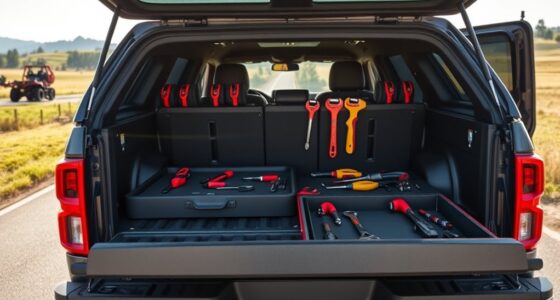
Heavy-duty truck bed organizers come in many shapes and sizes, each designed for specific tasks. For example, full-length drawer systems slide out to give quick access to tools stored deep in the bed. They are particularly advantageous because they reduce the need to crawl into the bed, saving time and effort during busy workdays or emergency situations. However, they can be more complex to install and may add weight, which could impact fuel efficiency or payload limits.
Then there are sliding bed trays, which support heavy loads by allowing you to slide large, bulky items to the tailgate with minimal effort. This design minimizes strain and reduces the risk of dropping or damaging expensive gear. Choosing between drawers and trays involves considering your typical load size, frequency of access, and whether quick, multiple access points are necessary versus a single, large loading surface.
Toolboxes—especially those mounted cross-bed or side-mounted—provide enclosed, lockable storage that protects tools from theft and weather. Their solid construction can support significant weight, but their placement can limit accessibility or interfere with other cargo. They are ideal for securing valuable equipment but may restrict your overall cargo space.
Other options like bed dividers and cargo gates help organize and separate different types of gear, preventing shifting during transit, which is crucial for safety and damage prevention. MOLLE panels provide modular mounting points for accessories, offering customization but requiring more setup time. For bulky or irregular loads, stackable cases secured onto mounting plates offer flexible solutions, but their effectiveness depends on proper securing and weight distribution.
Picking the right type involves analyzing your typical cargo—if you frequently carry large, heavy, or irregular items, a combination of drawers, trays, and dividers might give you the best balance of accessibility and security. Considering your work environment and frequency of use will help determine whether quick access, weather resistance, or maximum security is the priority.
As an affiliate, we earn on qualifying purchases.
How Much Weight Can Your Organizer Handle?
Weight capacity isn’t just a number; it directly impacts safety, durability, and the longevity of your organizer. Overloading an organizer can cause structural failure, damage to your truck bed, or even accidents during transit. Understanding the real-world implications of weight ratings is essential. For instance, a heavy-duty steel drawer system supporting over 1,000 pounds when properly installed means you can safely store and access heavy tools or equipment without risking bending or breaking the system. Conversely, a plastic or lightweight organizer might only handle a few hundred pounds, which could be insufficient for larger loads and lead to failure or damage.
When evaluating capacity, consider the total system weight limit and the per-drawer or tray limit. This helps prevent overloading individual components, which is a common cause of failure. Additionally, pay attention to dynamic load ratings—these reflect how much weight the organizer can support while your vehicle is in motion over rough terrain, where forces are amplified.
For example, if you regularly haul heavy jack stands, large power tools, or multiple spare tires, your organizer must be rated for those weights to prevent safety hazards or damage. The support system—mounts, brackets, and your truck’s tie-down points—must also be capable of handling these loads. Failing to match these ratings can lead to catastrophic failure, risking injury, damage, and costly repairs. Therefore, always verify your truck’s bed capacity and the organizer’s ratings before loading up.
In essence, understanding weight capacity helps you balance safety, efficiency, and durability, ensuring your gear stays secure without risking structural failure or compromising your vehicle’s integrity.
As an affiliate, we earn on qualifying purchases.
Materials Matter: Steel, Aluminum, or Plastic?
Your heavy-duty truck bed organizer’s durability hinges on what it’s made of. Steel is the heavyweight champion—super strong and secure, supporting heavy loads without bending. However, it adds significant weight, which can reduce payload capacity and fuel efficiency. Rust can be a concern unless the steel is properly coated or stainless steel, which resists corrosion, especially in salty coastal environments. The choice of steel impacts long-term maintenance and operational costs, as well as the overall weight of your system.
Aluminum offers a compelling alternative—up to 50% lighter than steel—making it ideal for those who need to maximize payload capacity without sacrificing strength. Aluminum also resists corrosion naturally, reducing maintenance needs. However, aluminum can be more expensive upfront, and its softer nature may mean it’s more prone to dents or scratches if not properly protected. The tradeoff is weight savings versus initial cost and potential cosmetic wear.
High-density polyethylene or composite materials are increasingly popular for their resistance to dents, moisture, and UV rays. They are particularly suited for wet or muddy conditions, where corrosion is a concern. Yet, their support capacity can be lower than metals, making them suitable for lighter loads or as secondary storage solutions. The decision hinges on balancing weight, durability, and environmental exposure.
Hardware quality—such as corrosion-resistant fasteners, reinforced hinges, and smooth, sealed slides—also influences durability. For example, sealed ball bearings in drawer slides prevent dirt ingress, maintaining smooth operation over years of use. Material choice impacts not only the initial cost but also the long-term performance and maintenance needs, so consider your typical environment, load requirements, and budget when making a decision.
As an affiliate, we earn on qualifying purchases.
Weatherproof or Waterproof? Protecting Your Gear in All Conditions
Heavy-duty organizers are built tough, but not all are fully waterproof. Rain, mud, and snow can seep into gaps, especially around tailgates, drawer seals, or mounting holes. If you frequently work or play in wet environments, choosing organizers with features like automotive-style gaskets, raised lips, and drainage channels is crucial. These features help prevent water ingress and facilitate drainage, reducing the risk of rust, mold, and damage to sensitive gear.
Imagine a toolbox with a rubber-sealed lid sitting in a downpour. If it has proper seals and drainage, your tools stay dry and protected. Without these features, moisture can accumulate inside, leading to rust and potential electronic failures. The implications are significant: water damage can void warranties, compromise safety, and increase maintenance costs.
Some high-end models include covered locks, UV-resistant coatings, and drain plugs to help shed water and resist environmental degradation. However, even the most weather-resistant systems require regular inspection—checking seals, cleaning drainage paths, and resealing damaged coatings—to maintain their protective features. For electronics or sensitive items, storing them inside sealed dry bags within the organizer adds an extra layer of security against moisture.
The tradeoff with weatherproof features is often cost and complexity. Higher-end models tend to be more expensive but offer longer-lasting protection, reducing long-term maintenance and replacement costs. Proper selection and maintenance are key to ensuring your gear remains dry and functional regardless of weather conditions.
As an affiliate, we earn on qualifying purchases.
Securing Your Gear: Locks, Locks, Locks
If theft is a concern, a truck bed organizer with reliable locks becomes an essential investment. Lockable drawers or lids act as a first line of defense, deterring casual theft and protecting valuable tools. Reinforced locking mechanisms and concealed hinges make prying open difficult, especially when combined with other security layers. For example, a high-quality lock with hardened steel components can resist cutting or forced entry, providing peace of mind during overnight parking or extended stops.
However, no lock is completely impervious—determined thieves can sometimes bypass security measures. That’s why layering security strategies is critical. Use lockable organizers in conjunction with a locking tailgate, a tonneau cover, or even alarm systems. Each layer adds complexity for potential thieves, significantly reducing the risk of theft.
Investing in high-quality locks and reinforced mounting points ensures that your system remains secure over time. Proper installation—such as anchoring locks to structural points and using tamper-resistant fasteners—further enhances security. Regularly inspecting and maintaining locks, especially after exposure to harsh conditions, keeps your security measures effective. Remember, the goal is to make theft as inconvenient and risky as possible, so the effort exceeds the potential gain for would-be criminals.
Ultimately, security isn’t just about preventing theft; it’s about protecting your investment and ensuring your tools and gear are available when you need them most.
Getting the Perfect Fit for Your Truck
Every truck bed is different, and a proper fit is essential for optimal security, accessibility, and safety. Measure your bed’s length, width, and height carefully, including any factory features like utility rails, bed liners, tie-downs, and lighting. These features can significantly influence the dimensions and mounting options of your organizer. For example, a 2018 Ford F-150 with a 5.5-foot bed and a spray-in liner has different constraints than a 2022 Ram with a 6.4-foot bed and factory utility rails. Understanding these differences ensures compatibility and prevents costly returns or modifications.
Universal systems might seem appealing due to their flexibility, but they often leave gaps or don’t fit snugly, which can compromise security and cause rattling or shifting during transit. Vehicle-specific organizers are designed to match your truck’s contours, providing a tighter fit that enhances stability and ease of installation. This precision reduces the risk of damage to both the organizer and your truck’s interior over time.
When installing yourself, use a tape measure to record all critical dimensions, and double-check clearance around existing features. Consulting the manufacturer’s compatibility list or seeking advice from a professional installer can save time and ensure a perfect fit. Properly fitted organizers improve security by preventing movement, reduce noise and rattling, and maximize usable space for your cargo needs. Investing time in accurate measurement and appropriate selection pays off in longer-lasting, safer, and more efficient cargo management.
Installation Tips: Keep It Secure and Rust-Free
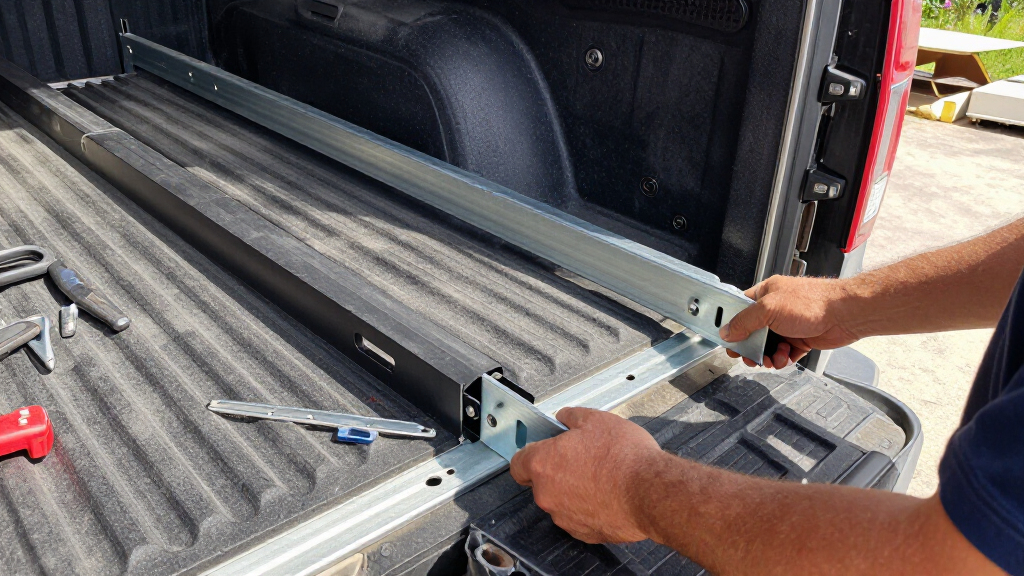
Proper installation is crucial for safety and longevity. Some organizers clamp onto factory rails, while others require drilling into the truck bed. Drilling can introduce corrosion points if not sealed properly, leading to rust and structural issues over time. Always inspect beneath the bed for wiring, fuel lines, or structural ribs before drilling—accidental damage can be costly and dangerous. For example, drilling into steel bed ribs requires sealing the holes with automotive sealant to prevent water ingress and corrosion.
Use corrosion-resistant fasteners and hardware, such as stainless steel or coated bolts, to withstand harsh conditions. Adding rubber or foam pads between metal surfaces can prevent rattling, protect paint, and dampen vibrations, extending the life of both the organizer and your truck’s bed. Follow the manufacturer’s instructions meticulously, paying special attention to torque specifications and mounting points. Secure the system to structural points—not just the bed liner or paint—to ensure stability during off-road driving or sudden stops.
Regular inspections and tightening of mounting points are vital, especially after rough trips or heavy loads. Applying protective coatings or waxes to exposed fasteners can further prevent corrosion. Thoughtful installation and maintenance not only preserve the integrity of your organizer but also ensure safety and reliability during every use.
Making Access Easy and Safe
An effective heavy-duty organizer should simplify access, not complicate it. Design features like large, ergonomic handles that can be operated while wearing gloves are essential for safety and efficiency. Consider the effort required to open drawers or doors—minimal effort reduces fatigue and injury risk, especially during long workdays or cold weather. For example, side-mounted handles that glide smoothly facilitate quick access without strain, even when your hands are full or gloved.
Drawer extension limits are important safety features—they prevent drawers from pulling out completely, avoiding accidental spills or injuries. Proper labeling, color-coded dividers, or transparent panels help you identify gear quickly, saving time and reducing frustration. If your truck is parked on a hill, locks or stops prevent drawers from sliding open unexpectedly, which could cause damage or injury.
Ergonomic considerations—such as reachability and effort—are critical for reducing strain and ensuring safe, comfortable use. Think about how you access your gear during daily work, and choose or design systems that minimize awkward movements. These features enhance safety, productivity, and user satisfaction, making your truck bed a well-organized and accessible workspace.
Keep Your Cargo Safe and Secure During Transit
Organization isn’t just about neatness; it’s a critical safety measure. Loose gear or heavy tools can become dangerous projectiles during sudden stops, sharp turns, or off-road jolts. Proper restraint using tie-downs, straps, or built-in restraints ensures that items stay put. For example, securing a heavy jack or a load of bricks with multiple tie-downs reduces shifting, which in turn prevents damage to your vehicle and enhances safety for everyone inside and outside the truck.
Understanding your load’s weight and distribution relative to your truck’s rated tie-down points is crucial. Overloading or improper placement can cause shifting, which compromises stability and can lead to accidents or damage. Always double-check that all straps and fasteners are tight and secure before hitting the road, especially after off-road excursions or heavy loads. Regular inspections help catch wear or loosening early, maintaining safety over time.
The key is to balance load weight, placement, and restraint method to keep everything stable. This not only protects your gear but also reduces wear on your truck’s suspension and frame. Effective restraint strategies are essential for safe, worry-free transit, whether you’re hauling tools across town or over rugged terrain.
What’s New and Trending in Heavy-Duty Organizers?
The market is evolving rapidly as manufacturers innovate to meet diverse needs. Modular systems with adjustable dividers, removable cases, and MOLLE panels are now standard, allowing users to customize their storage solutions for specific jobs or adventures. This flexibility is especially beneficial for those who switch between work, camping, and overlanding, as it enables quick reconfiguration and adaptability.
Lightweight yet durable materials like aluminum and composites are trending, helping preserve payload capacity without sacrificing strength. Tonneau-compatible storage options that sit low-profile beneath covers provide discreet security and easy access. Installation is becoming easier with no-drill clamps, factory rail mounts, and quick-release systems, reducing setup time and complexity.
Technology integration is also on the rise—some models now include built-in lighting, USB ports, and small power banks, transforming your truck bed into a mobile command center. Overland enthusiasts value recovery gear mounts, modular water storage, and camp-kitchen modules that integrate seamlessly into their systems. Hardware improvements, such as sealed bearings and positive locks, enhance durability and reliability on rugged trails. The trend towards transferability and removable systems makes it easier to adapt your storage to multiple vehicles or changing needs, emphasizing versatility and longevity in design.
Overall, these innovations aim to improve durability, convenience, and functionality, ensuring that heavy-duty organizers keep pace with evolving demands and technological advancements, shaping the future of cargo management.
Frequently Asked Questions
How do I know if a truck bed organizer will fit my truck?
Measure your bed’s length, width, and height, including any factory features like rails or liners. Check the product specifications for compatibility, and when in doubt, consult the manufacturer or a professional installer to ensure a perfect fit.
Are heavy-duty organizers worth the extra cost?
Yes, if you regularly carry heavy, valuable, or fragile gear. High-quality systems last longer, support larger loads, and provide better security. For occasional use, simpler, removable cases may suffice.
Can I install a heavy-duty organizer myself?
Many systems are designed for DIY installation, especially clamp-on or bolt-in models. However, some require drilling and proper sealing to prevent corrosion. Always follow the manufacturer’s instructions and consider professional help if unsure.
Will a waterproof organizer keep my gear dry?
Most are water-resistant rather than fully waterproof. Features like sealed gaskets and drainage channels help, but sensitive electronics or documents should be stored inside sealed bags for extra protection.
What’s the best way to prevent tools from rattling inside the organizer?
Use adjustable dividers, foam inserts, and padded cases. Secure heavy tools with straps or modular bins, and choose systems with anti-rattle latches or stops for smooth operation and minimal noise during transit.
Conclusion
A heavy-duty truck bed organizer isn’t just storage; it’s a game changer for anyone who depends on their truck every day. When you pick the right system—one that’s tough, secure, and perfectly fitted—you turn chaos into control. Your tools stay dry, your gear stays put, and your truck becomes a true workhorse.
Remember: The best organizer is the one that matches your needs, your truck, and your work style. Make it count, and your truck will thank you for years to come.
Halloween Picks
halloween
As an affiliate, we earn on qualifying purchases.