
To extend your pickup truck’s engine life, follow the manufacturer’s oil change schedule using quality oils, and keep your engine clean with routine inspections. Replace air, fuel, and oil filters on time, and maintain the cooling system to prevent overheating. Regularly check your battery and electrical connections for corrosion. Drive smoothly and avoid aggressive behaviors, while promptly fixing leaks. Proper maintenance and responsible habits will keep your engine running strong longer—discover how to optimize your truck’s longevity even further.
Key Takeaways
- Follow the manufacturer’s recommended oil change schedule with high-quality oils to reduce engine wear and contamination.
- Regularly inspect and maintain coolant levels, hoses, and clamps to prevent overheating and corrosion.
- Keep engine components clean and dry, removing dirt and debris to prevent corrosion and overheating.
- Drive smoothly, avoiding rapid acceleration and excessive idling to minimize engine stress and wear.
- Conduct routine electrical system checks, including battery, wiring, and connections, to prevent electrical failures.

Lucas Oil 10679 Hot Rod & Classic Car SAE 10W-30 Motor Oil – 5 Quart
Manufactured with the highest quality paraffinic base oils
As an affiliate, we earn on qualifying purchases.
As an affiliate, we earn on qualifying purchases.
Follow the Manufacturer’s Oil Change Schedule
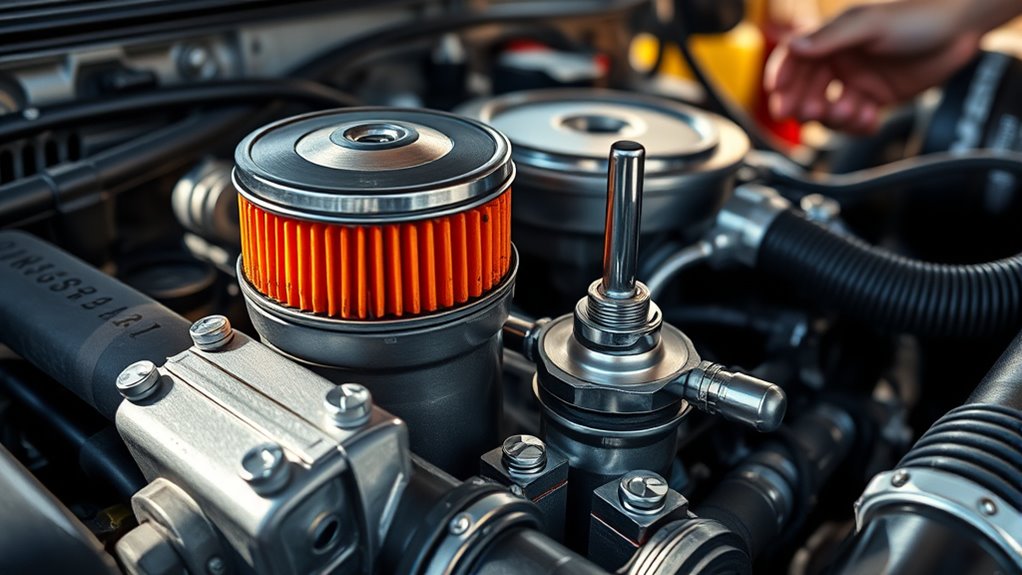
Following the manufacturer’s recommended oil change schedule is essential for keeping your pickup truck’s engine running smoothly and efficiently. Regular oil changes prevent the oil from breaking down and becoming contaminated with dirt, debris, and metal particles. This helps reduce engine wear, maintain proper lubrication, and improve fuel efficiency. Depending on your truck’s make, model, and driving habits, you’ll typically need to change the oil every 3,000 to 5,000 miles. Using high-quality oil and filters maximizes engine protection and longevity. If you often tow heavy loads or drive in harsh conditions, consider more frequent changes. Staying consistent with your oil change schedule guarantees your engine stays clean and well-lubricated, ultimately extending its lifespan and reducing costly repairs down the road.

EPAuto Spill Proof Radiator Coolant Filling Funnel Kit
Allows color matching of caps for dedicated adapters.
As an affiliate, we earn on qualifying purchases.
As an affiliate, we earn on qualifying purchases.
Keep Your Engine Clean and Inspect Regularly
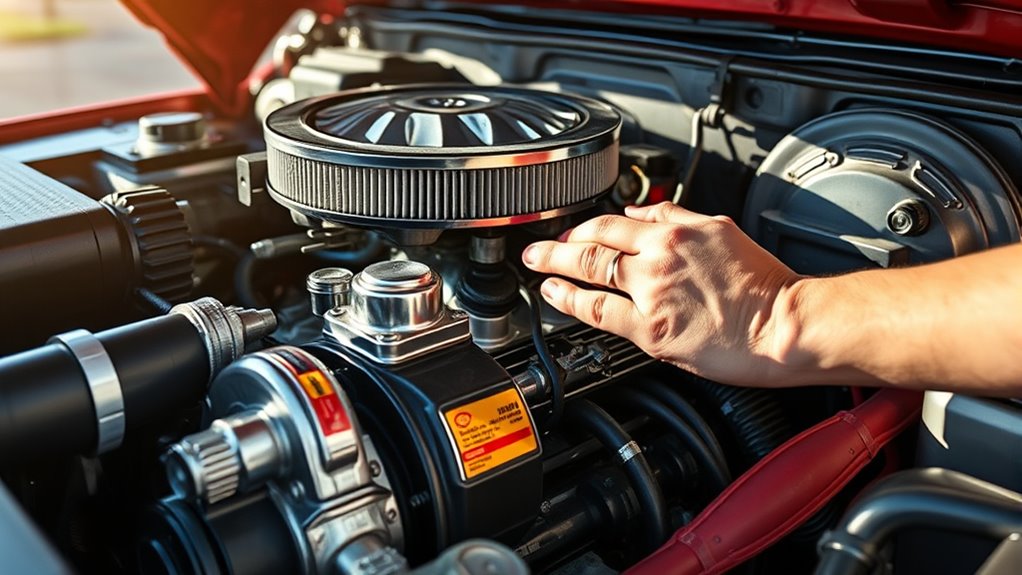
Keeping your engine clean and inspecting it regularly helps catch small problems before they become costly repairs. Use proper cleaning techniques and check for leaks, corrosion, or debris that can cause damage. Staying on top of these tasks guarantees your engine runs smoothly and lasts longer. Additionally, ensuring proper ventilation around your engine can prevent overheating and improve overall performance. Good airflow helps dissipate heat effectively, which is crucial for maintaining engine health. Proper engine maintenance practices can further extend your engine’s lifespan by ensuring all components function optimally. Regularly monitoring engine load can also help identify stress points that may lead to premature wear. Implementing preventative maintenance routines based on engine hours or mileage can maximize longevity and reliability.
Routine Engine Cleaning
Regular engine cleaning is essential to maintain your pickup truck’s performance and extend its lifespan. Keeping the engine free of dirt, grease, and debris prevents corrosion and reduces the risk of overheating. Starting with a cool engine, use a degreaser to break down grime, focusing on areas with built-up oil or dirt. After applying the degreaser, use a high-pressure washer to rinse away loosened debris, avoiding sensitive components like the alternator and sensors. Make sure the engine is completely dry before starting it again to prevent moisture-related issues. Regular cleaning not only helps spot potential problems early but also keeps your engine running smoothly and efficiently over the long haul. Incorporating proper maintenance practices can further enhance engine longevity and performance. Performing routine inspections regularly allows you to identify and address issues before they escalate, saving you from costly repairs down the line. Additionally, understanding heat distribution during cleaning can help prevent damage to sensitive parts. Being aware of engine temperature fluctuations can guide you to clean more effectively without risking damage. Moreover, utilizing engine diagnostic tools can help monitor engine health and ensure optimal operation.
Regular Inspection Schedule
Scheduling consistent engine inspections is key to maintaining your pickup truck’s performance and catching issues early. Regular checks help you spot leaks, worn belts, or loose connections before they cause serious damage. Make it a habit to examine fluid levels—oil, coolant, and brake fluid—and look for signs of contamination or leaks. Inspect your air and fuel filters for dirt and clogs, replacing them as needed. Check the battery terminals for corrosion and ensure connections are tight. Listen for unusual noises or vibrations that might signal underlying problems. Performing these inspections every few thousand miles or before long trips keeps your engine running smoothly and extends its lifespan. Staying proactive with inspections saves you money and prevents unexpected breakdowns. Using quality vehicle maintenance products can further enhance your engine’s longevity. Additionally, consulting recommended maintenance schedules helps you stay on top of necessary service intervals. Regularly monitoring security system effectiveness can also help protect your vehicle from theft or vandalism, ensuring your investment remains safe. Incorporating preventive maintenance practices into your routine is essential for long-term engine health. To further support your efforts, consider keeping a maintenance log to track all inspections and repairs over time.

WD-40 Specialist Machine & Engine Degreaser Foaming Spray, 18 OZ
Powerful degreaser removes oil, dirt, grime, and grease from machinery and all types of engines
As an affiliate, we earn on qualifying purchases.
As an affiliate, we earn on qualifying purchases.
Replace Air, Fuel, and Oil Filters Timely

Replacing your air, fuel, and oil filters on schedule is key to preventing engine damage. Dirty filters restrict airflow and fuel flow, forcing your engine to work harder and wear out faster. Keep up with the recommended replacement intervals to make certain your truck runs smoothly and lasts longer. Regular maintenance in urban and rural settings ensures optimal engine performance across diverse environments. Additionally, maintaining clean filters can help prevent unnecessary wear on engine components, extending the overall engine life. Awareness of filter maintenance is crucial for achieving maximum vehicle longevity. Proper filter care also contributes to maintaining better air quality, which is vital for engine health and efficiency. Using filter replacement schedules tailored to your driving conditions can further enhance engine durability and performance.
Filter Replacement Schedule
Keeping your truck’s filters in top condition is essential for ideal engine performance and longevity. You should replace air, fuel, and oil filters according to your vehicle’s recommended schedule, usually every 15,000 to 30,000 miles or annually. Check your owner’s manual for specific intervals, as driving conditions can affect these timelines. Dirty air filters restrict airflow, reducing power and fuel efficiency. Clogged fuel filters can cause injector problems and poor engine performance. Worn oil filters fail to trap contaminants, increasing engine wear. Regularly replacing these filters prevents dirt and debris from damaging engine components, ensuring smooth operation. Staying proactive with filter changes helps you avoid costly repairs and keeps your engine running efficiently longer. Incorporating traditional practices and natural remedies into vehicle maintenance routines can also promote overall well-being and sustainability. Additionally, staying informed about regulatory changes can help you make better decisions to safeguard your vehicle’s health and compliance. Monitoring performance metrics can help identify potential issues early, further extending your engine’s life. Moreover, consistent maintenance of filters supports the overall engine health, which is crucial for minimizing emissions and maintaining environmental standards.
Prevent Engine Damage
To prevent engine damage, it’s essential to replace your air, fuel, and oil filters on time. Dirty filters restrict airflow and fuel flow, forcing the engine to work harder and risking internal damage. Regularly changing filters ensures peak performance and prevents contaminants from harming engine parts. Use the table below to keep track of your filter maintenance:
| Filter Type | Replacement Interval | Signs to Check |
|---|---|---|
| Air Filter | Every 15,000 miles | Reduced power, poor acceleration |
| Fuel Filter | Every 30,000 miles | Engine stalling, sluggish response |
| Oil Filter | With every oil change | Unusual engine noise, dark oil |
Staying proactive with filter upkeep preserves engine health, saves fuel, and extends your truck’s lifespan.
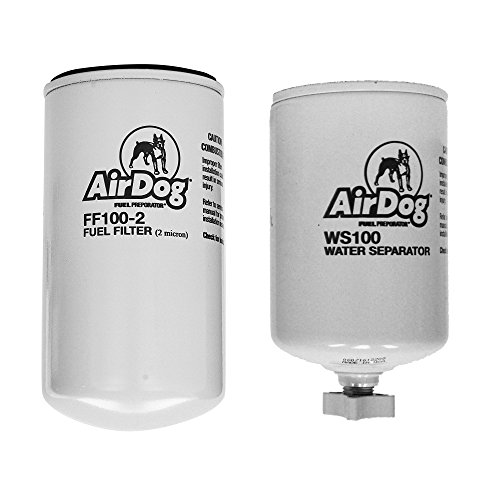
AirDog Pre-Filter WS100 and Fuel Filter FF100-2 Combo Pack
Fuel Type: Diesel
As an affiliate, we earn on qualifying purchases.
As an affiliate, we earn on qualifying purchases.
Monitor and Maintain the Coolant System
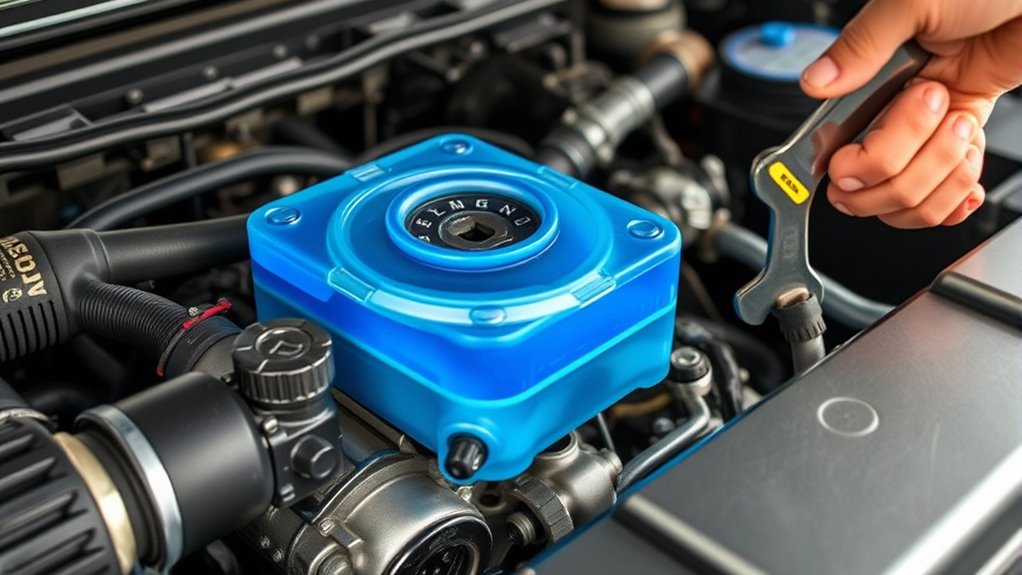
Monitoring and maintaining your truck’s coolant system is essential for preventing overheating and ensuring ideal engine performance. Regularly check the coolant level in the reservoir and top it off with the correct mix if it’s low. Look for signs of leaks, such as puddles or a sweet smell under the truck. Inspect hoses and clamps for cracks, corrosion, or looseness, replacing or tightening them as needed. Always use the manufacturer’s recommended coolant type and change it according to your truck’s schedule to prevent corrosion and buildup. Keep an eye on the temperature gauge during drives; if it rises above normal, stop and let the engine cool. Proper coolant maintenance helps your engine run smoothly and extends its lifespan.
Check and Care for Your Battery and Electrical Connections

Ensuring your truck’s electrical system is in top shape starts with checking the battery and its connections regularly. Inspect the battery terminals for corrosion, which appears as a white or bluish film. Clean any buildup with a wire brush and a mixture of baking soda and water, then dry thoroughly. Confirm the terminals are tightly connected to prevent electrical issues. Worn or loose wiring can cause starting problems or electrical failures, so look for frayed or damaged wires and replace them promptly. Test your battery voltage periodically with a multimeter—ideally, it should read around 12.6 volts when the truck is off. Properly maintained connections reduce strain on your electrical system and help prevent unexpected breakdowns, extending your engine’s lifespan.
Use High-Quality Fluids and Lubricants
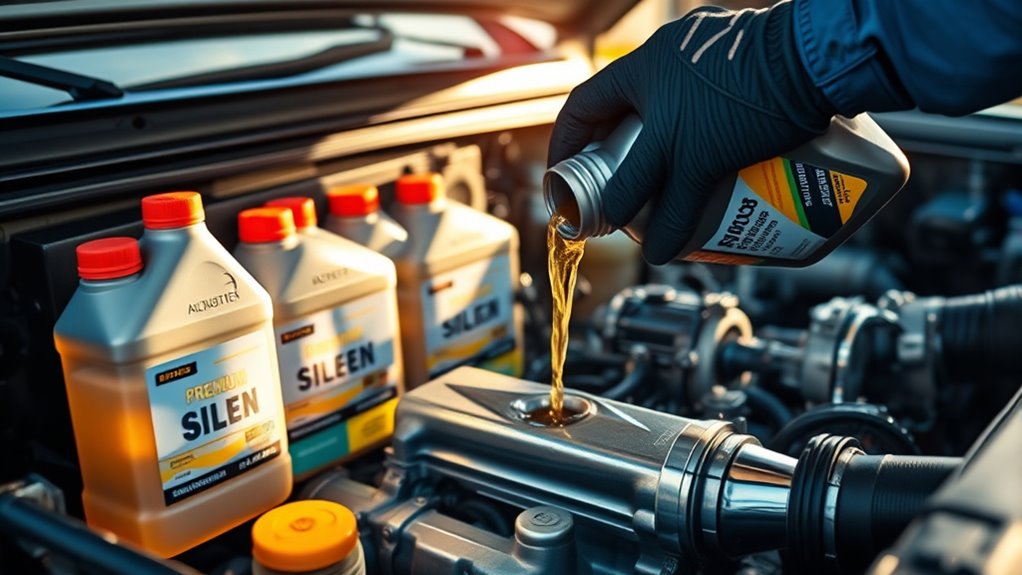
Using high-quality fluids and lubricants is crucial for keeping your pickup truck’s engine running smoothly and efficiently. Premium engine oil reduces friction, minimizes wear, and prevents sludge buildup, helping your engine stay in top shape longer. Always choose oils and lubricants that meet or exceed your truck manufacturer’s specifications. High-quality filters also ensure contaminants don’t circulate through the engine, protecting essential components. Regularly check fluid levels and top off or replace fluids as recommended, especially under heavy use or extreme weather. Using inferior fluids can lead to increased engine wear, overheating, and reduced fuel efficiency. Investing in top-tier fluids and lubricants is a simple yet effective way to extend your engine’s lifespan and maintain peak performance over time.
Drive Responsibly and Avoid Aggressive Behaviors

Practicing responsible driving habits can considerably extend your pickup truck’s engine life. Aggressive driving behaviors like rapid acceleration, sudden braking, and high speeds put unnecessary strain on your engine. Instead, drive smoothly, maintain steady speeds, and avoid unnecessary idling. This reduces engine stress, prevents overheating, and minimizes wear and tear. To help you stay on track, here’s a quick overview:
| Behavior | Impact on Engine | Recommended Practice |
|---|---|---|
| Rapid acceleration | Increases wear | Accelerate gradually |
| Excessive idling | Causes overheating | Turn off engine if stopped long |
| Heavy loads or towing | Strains engine | Distribute weight evenly |
| Sudden deceleration | Causes shocks | Brake gradually |
Inspect for Leaks and Address Them Immediately
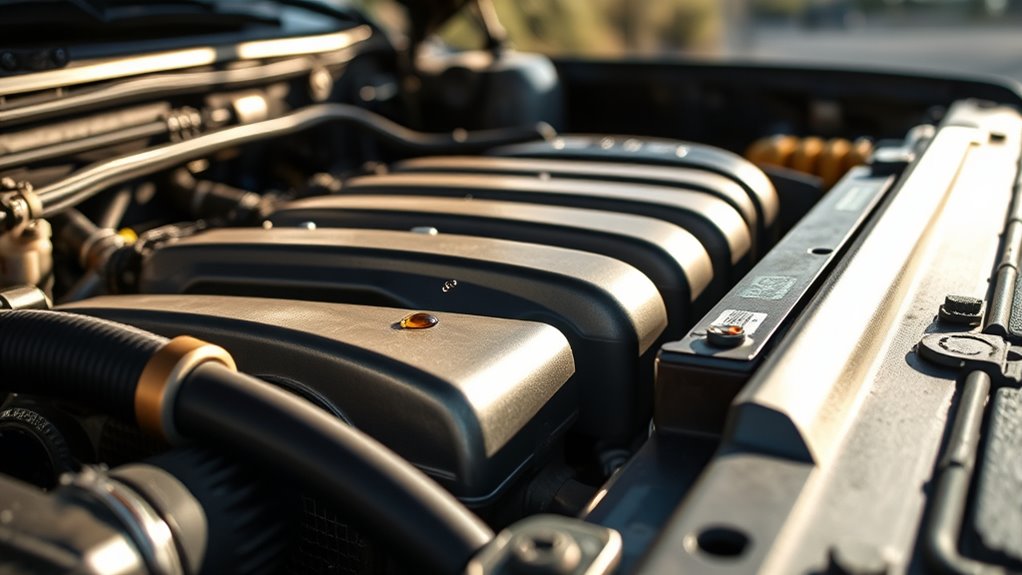
Regularly inspecting your pickup truck for leaks is essential to maintaining its engine health. Leaks can lead to low oil levels, coolant loss, or fluid contamination, putting added strain on your engine. Check under your truck frequently for puddles or drips, especially after long drives or heavy towing. Look for signs of oil, coolant, or fuel leaks around hoses, seals, and connections. If you notice any fluid pooling or a noticeable decrease in fluid levels, address the issue immediately. Ignoring leaks can cause engine overheating, increased wear, or even catastrophic failure. Catching leaks early allows you to repair or replace faulty components before they cause serious damage. Staying vigilant ensures your engine stays clean, well-lubricated, and running smoothly for the long haul.
Conduct Regular Engine and System Inspections

You should verify your engine and system regularly to catch issues early. Keep an eye out for leaks and unusual noises, as these can signal trouble. Monitoring your engine’s performance helps ensure everything runs smoothly and extends its lifespan.
Check for Leaks Regularly
Conducting routine engine and system inspections is essential for catching leaks early before they cause costly damage. Regularly check under your truck for puddles or spots, as these signs indicate potential leaks. Look closely at hoses, gaskets, and seals for cracks or deterioration. Keep an eye on fluid levels; sudden drops could signal a leak. Pay special attention to oil, coolant, and transmission fluid. Here are key points to remember:
- Inspect hoses and belts for cracks or wear
- Check for fresh oil or coolant puddles
- Monitor fluid levels regularly
- Look for greasy spots or stains
- Tighten loose fittings or clamps promptly
Early detection prevents engine damage, reduces repair costs, and keeps your truck running smoothly. Make leak inspections part of your routine maintenance for ideal engine health.
Monitor Engine Performance
Monitoring engine performance through consistent inspections helps catch issues early before they escalate into costly repairs. Regularly check for unusual sounds, vibrations, or warning lights on your dashboard. Pay attention to fluid levels, exhaust smoke color, and engine temperature. These signs can reveal underlying problems that need addressing. Use the following table as a quick reference:
| Indicator | Action Needed |
|---|---|
| Unusual noises or vibrations | Schedule a mechanic inspection |
| Dashboard warning lights | Diagnose promptly to prevent damage |
| Excessive smoke or heat | Check for leaks or coolant issues |
Consult Professionals for Complex Maintenance Tasks
While regular maintenance can handle many routine tasks, complex engine repairs and intricate systems are best left to professional mechanics. These experts have the experience, tools, and diagnostic skills to identify issues that aren’t obvious. Attempting complicated repairs without proper knowledge can cause more damage or lead to safety hazards.
Remember, you should seek professional help when:
- Diagnosing persistent engine problems
- Replacing timing belts or chains
- Repairing or replacing the fuel injection system
- Servicing the cooling system beyond basic checks
- Handling electrical system repairs or wiring issues
Frequently Asked Questions
How Often Should I Change My Truck’s Engine Oil Beyond the Basic Schedule?
You should change your truck’s engine oil more often if you frequently tow heavy loads, drive in harsh conditions, or do lots of stop-and-go city driving. In these cases, consider changing the oil every 3,000 miles or sooner, even if the manufacturer recommends longer intervals. Regularly check your oil level and condition, and follow your owner’s manual for tailored advice to keep your engine running smoothly.
What Are the Signs of a Failing Fuel or Air Filter?
You’ll notice a failing fuel or air filter if your truck experiences reduced power, sluggish acceleration, or poor fuel efficiency. You might also see rough idling, engine misfires, or difficulty starting. Increased exhaust emissions, unusual noises, or a decrease in overall performance are common signs. If these symptoms appear, it’s time to replace the filters to restore your truck’s efficiency and prevent further engine damage.
How Can I Tell if My Coolant System Needs Immediate Attention?
You’ll know your coolant system needs immediate attention if your engine overheats frequently, especially during normal driving or in hot weather. Watch for coolant leaks under your truck, steam from the radiator, or a warning light on your dashboard. Also, if your coolant level drops consistently or you notice a sweet smell or discolored fluid, it’s time to get your cooling system inspected and serviced promptly to prevent engine damage.
What Are the Best Practices for Maintaining Battery Health in Cold Weather?
Ever wondered why your truck struggles to start on chilly mornings? To maintain battery health in cold weather, regularly inspect terminals for corrosion, keep connections tight, and clean them as needed. Test the voltage periodically, especially before extreme cold hits, and consider a battery warmer or insulating cover for added protection. Proper maintenance guarantees your battery stays reliable, so your truck starts smoothly no matter how cold it gets.
When Should I Seek Professional Help for Engine or Electrical Repairs?
You should seek professional help as soon as you notice signs of engine or electrical problems, like strange noises, frequent stalls, difficulty starting, or warning lights. Don’t ignore persistent issues or sudden performance drops. If you see corrosion on battery terminals, loose wiring, or suspect electrical faults, get a mechanic to diagnose and fix the problem promptly. Catching issues early prevents costly repairs and keeps your truck running smoothly.
Conclusion
Taking good care of your pickup truck’s engine is like tending a quiet garden—you’ll enjoy its steady bloom for years to come. By following simple, consistent habits, you’re nurturing its longevity and performance. Patience and regular attention might seem small, but over time, they create a resilient heart beneath the hood. Remember, a well-loved engine’s whisper of reliability can be your steady companion on every journey ahead.