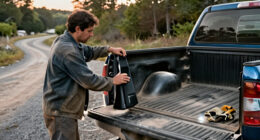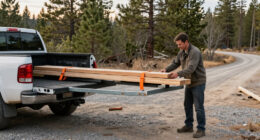

When discussing your truck bed modifications with your insurance agent, be clear and thorough. Disclose all changes that affect appearance, function, or value, like bed liners or racks, and provide supporting receipts and photos. Explain how these upgrades impact your vehicle’s safety and worth. Make sure to ask about coverage limits, endorsements, or additional protection options. Staying organized and transparent helps prevent your policy from lagging behind your modifications—keep going to learn more about staying covered.

Get business pricing on garage and car supplies
- Business-only prices and quantity discounts
- Tax-exempt purchasing
- Multiple users, one account, clear invoices
Key Takeaways
- Clearly disclose all truck bed modifications, including aftermarket parts and customizations, to your insurance agent.
- Provide detailed documentation such as receipts, photos, and work orders to support your disclosures.
- Discuss how modifications impact your coverage, vehicle value, and premiums, and ask for written confirmation.
- Regularly review and update your policy after modifications to ensure accurate coverage.
- Maintain open communication and keep records of all correspondence for future reference.
As an affiliate, we earn on qualifying purchases.
Understanding Your Insurance Policy and Coverage Limits

Understanding your insurance policy and its coverage limits is essential before making any truck bed modifications. You need to know what’s included and where gaps might exist. Review your policy documents carefully to see if customizations are covered, and note any maximum dollar limits for aftermarket parts. Some policies specify which modifications are eligible for coverage, while others exclude certain upgrades altogether. Be aware that unreported modifications can lead to denied claims or voided coverage, leaving you responsible for repairs. Keep track of your upgrades, including receipts and photos, so you can provide proof if needed. Understanding these limits helps ensure you’re properly protected and avoids surprises if you have to file a claim after modifications. Additionally, knowing the insurance policy terms can help you negotiate coverage for future modifications.
As an affiliate, we earn on qualifying purchases.
Identifying Modifications That Need to Be Reported
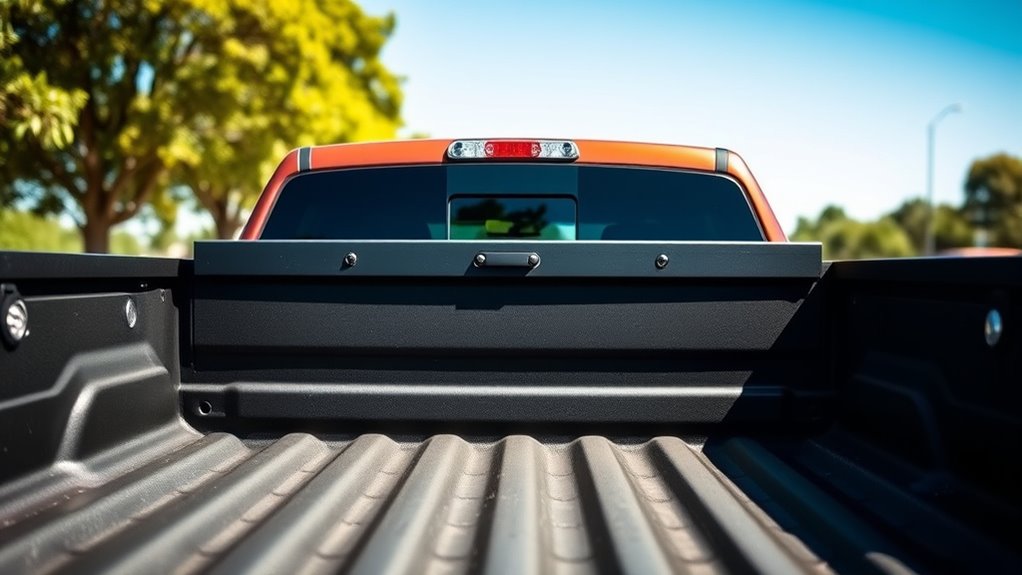
You need to know which modifications require reporting to your insurer to avoid coverage issues. Unreported custom parts or upgrades can lead to denied claims or underinsurance, leaving you responsible for costs. Make sure you identify all changes that could affect your policy, including bed liners, aftermarket beds, and added accessories. Additionally, color accuracy can influence the visual representation of your vehicle, which may be relevant for certain specialized modifications.
Modifications Requiring Disclosure
Whenever you make modifications to your truck bed, it’s vital to disclose them to your insurance provider. This includes any changes that alter the truck’s appearance, functionality, or value, such as installing a new bed liner, adding a tonneau cover, or upgrading to an aftermarket truck bed. If you install accessories like winches, custom lighting, or racks, you need to report those as well. Even minor modifications, like changing the bed’s paint or adding a toolbox, may require disclosure depending on your insurer’s policies. Failing to report these changes can lead to denied claims or voided coverage. Always check your policy details and notify your agent about any modifications that could affect your coverage, ensuring your policy remains accurate and thorough. Understanding coverage implications is crucial when modifying your truck bed.
Unreported Custom Parts
Failing to report custom parts can leave your insurance coverage vulnerable. If you don’t disclose upgrades, you risk claim denial or voided coverage when you need it most. To avoid surprises:
- You might face out-of-pocket costs for damages or theft of unreported parts.
- Your insurance could be canceled if they discover undisclosed modifications during a claim process.
- You risk underinsurance, meaning your coverage doesn’t fully reflect your truck’s value, leaving you financially exposed.
- Proper documentation and reporting of all aftermarket parts help ensure your insurance policy accurately reflects your vehicle’s modifications.
It’s vital to identify all aftermarket parts—like custom lighting, bed caps, or toolboxes—and report them. Keep receipts, photos, and detailed descriptions ready. Being transparent ensures your policy accurately covers everything, giving you peace of mind on the road.
As an affiliate, we earn on qualifying purchases.
Gathering Documentation and Evidence of Your Upgrades

Gathering thorough documentation of your truck bed upgrades is essential to guarantee your insurance coverage accurately reflects your modifications. Start by compiling receipts, invoices, and work orders for all upgrades, including parts and professional installation costs. Take clear, detailed photos of each modification from multiple angles, highlighting specific features and tags if available. Create a written list describing each upgrade, noting the make, model, and installation date. Keep digital copies of all documents in a dedicated folder for easy access. This evidence helps verify your modifications when discussing coverage with your agent. Accurate documentation not only ensures your upgrades are properly valued but also facilitates smooth policy updates and claims processing in case of damage or theft. Additionally, understanding style options like pomade, putty, and styling cream can help you maintain a professional appearance during meetings with your agent.
As an affiliate, we earn on qualifying purchases.
Communicating Clearly and Providing Detailed Information

Clear communication with your insurance agent is key to guaranteeing your truck bed modifications are properly covered. Be precise and thorough when describing your upgrades. For example:
- Clearly state what you’ve added, like a custom tonneau cover or bed liner, including brand and model.
- Provide supporting documentation such as receipts, photos, or invoices to confirm details.
- Explain how the modifications affect your vehicle’s value and safety features.
- Consider discussing any smart home integration features that may be relevant to your vehicle security or monitoring systems.
This clarity helps prevent misunderstandings and ensures your coverage aligns with your truck’s current setup. Don’t leave room for assumptions—be direct and detailed. By doing so, you’ll foster trust and make it easier for your insurer to assess your policy accurately. Remember, transparency now saves headaches later.
Discussing Additional Coverage Options and Endorsements

Have you considered adding specific coverage options or endorsements to protect your truck bed modifications? These can provide extra security and ensure your investments are covered if damage occurs. Endorsements vary by insurer but often include coverage for custom parts, aftermarket accessories, or specialized equipment. To clarify, review what’s available and ask your agent about options like comprehensive coverage or specific endorsements for high-value modifications. Here’s a quick overview:
| Coverage Type | What it Includes | Typical Cost Impact |
|---|---|---|
| Custom Parts Endorsement | Covers aftermarket and custom parts | Usually adds a small premium |
| Equipment Endorsement | Protects installed accessories | Varies based on value |
| Total Coverage Extension | Increases overall policy limits | May increase premium slightly |
| Coverage Options | Discuss additional endorsements with your insurer to tailor coverage |
Confirming Changes and Getting Written Proof of Coverage

When you notify your insurance provider about truck bed modifications, obtaining written confirmation of any coverage changes is vital. It protects you from surprises if you need to file a claim. To make sure you’re fully covered, follow these steps:
- Request written proof — Always ask for documentation that confirms your policy now includes your modifications.
- Review the details — Check that all modifications, costs, and coverage limits are accurately listed.
- Keep records safe — Store the confirmation in a secure place for future reference or disputes.
- Understand coverage options — Familiarize yourself with insurance coverage and how modifications might affect your policy.
Having this proof provides peace of mind and clarity. It also helps prevent misunderstandings about what’s covered if an accident occurs. Confirming and documenting changes now saves headaches later.
Reviewing Your Policy Regularly and Updating as Needed

Make it a habit to review your policy regularly, especially after adding new truck bed modifications. Keep track of any changes you make so you can update your coverage promptly. Staying proactive guarantees your policy reflects your current setup and prevents surprises if you need to file a claim. Additionally, understanding cloud security can help you better protect your vehicle modifications and related data.
Schedule Policy Reviews
Regularly reviewing your insurance policy guarantees it accurately reflects any truck bed modifications or upgrades you’ve made. Staying proactive ensures you’re fully protected and avoids surprises if an incident occurs. To keep your coverage current, consider these steps:
- Schedule regular reviews—set reminders every 6 to 12 months to revisit your policy.
- Update your agent on new modifications—share receipts, photos, and details immediately after changes.
- Confirm coverage adjustments—ask for written confirmation that your updates are included and understand any impact on premiums.
- Understand the importance of documented communication—keeping detailed records helps ensure your coverage aligns with your modifications and provides support in case of claims.
Track Modification Changes
Keeping your insurance policy up to date is essential as you make modifications to your truck bed. Regularly tracking these changes helps guarantee your coverage stays accurate and thorough. Keep a detailed record of each modification, including receipts, photos, and invoices. Update your policy immediately when you add or remove features like bed liners, racks, or custom lighting. This proactive approach helps prevent surprises if you need to file a claim. Review your policy documents after each update to confirm all modifications are properly listed and valued. Staying organized makes communicating with your insurance agent easier and ensures you’re fully protected. Remember, some modifications might require special endorsements or impact your premiums, so keeping track helps you stay informed and in control of your coverage.
Frequently Asked Questions
Can I Get Coverage for Custom Modifications Made by Myself?
You might be able to get coverage for custom modifications you made yourself, but it depends on your insurer. Many companies require professional installation for coverage, and some exclude owner-installed modifications altogether. To increase your chances, report the modifications, provide detailed documentation, receipts, and photos. Always check your policy’s terms, as some insurers set limits or require endorsements for DIY upgrades. Be transparent to make certain you’re properly protected.
Are There Specific Restrictions on Certain Types of Truck Bed Upgrades?
Yes, there are restrictions on certain truck bed upgrades. Some modifications, like high-value or rare custom parts, may need special endorsements or could be excluded altogether. Insurers often set limits on coverage amounts, especially for aftermarket beds or high-cost accessories. Owner-installed modifications might also face restrictions. Always check with your provider to understand what’s covered, and be prepared to provide documentation or get specific approvals for these upgrades.
How Do I Handle Modifications That Exceed Policy Coverage Limits?
Your truck modifications exceeding coverage limits require quick action. First, review your policy to understand the maximum coverage amount. Then, talk to your insurer about increasing your limits or obtaining a special endorsement for high-value upgrades. Providing detailed documentation and photos can help justify your request. If your modifications are too valuable for your current policy, consider shopping for a provider that offers higher coverage for custom parts.
Will Reporting Modifications Affect My Existing Premium Rates?
Reporting modifications can increase your premiums because they typically raise your vehicle’s value and risk profile. When you notify your insurer about custom parts or upgrades, expect a possible premium boost, especially for high-value additions. However, some modifications, like security features, might lower rates. To avoid surprises, discuss your specific upgrades with your agent beforehand and provide documentation to get an accurate quote.
Do I Need to Notify My Insurer Every Time I Make a Change?
Yes, you need to notify your insurer every time you make a change. While it might seem like a hassle, failing to do so can leave you underinsured or risk claim denial if an incident occurs. Reporting each modification guarantees your policy stays accurate, your coverage remains valid, and you’re protected when you need it most. It’s a simple step that keeps your investment safe and your peace of mind intact.
Conclusion
Talking to your insurance agent about your truck bed modifications might seem intimidating, but it’s worth the effort. Clear communication and thorough documentation help prevent surprises down the road. Remember, it’s better to be safe than sorry—covering all your bases now keeps you protected later. Stay proactive, keep the lines open, and don’t be afraid to ask questions. After all, an ounce of prevention is worth a pound of cure in protecting your investment.
Halloween Picks
halloween
As an affiliate, we earn on qualifying purchases.