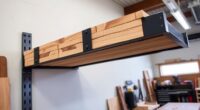
For your DIY bed rail caps, common materials like aluminum, steel, PVC, wood, and 3D-printed plastics work well because they’re affordable, durable, and easy to shape. Aluminum and steel offer strength and corrosion resistance, while PVC is weather-resistant and simple to cut. Wood adds a decorative touch, and 3D-printed caps let you customize designs precisely. Choosing the right material depends on your project needs, and exploring each option can help you create a secure and stylish cap.
Open a free Amazon Business account
Business pricing, bulk buying and tax-exempt orders.
As an affiliate, we earn on qualifying purchases.
Key Takeaways
- Aluminum extrusions or steel channels provide durable, customizable, and easy-to-install bed rail caps with secure fastening options.
- PVC or ABS pipe caps are affordable, weather-resistant, and simple to shape for quick DIY solutions.
- Wooden caps add a natural, decorative touch and are easy to cut, sand, and paint for personalized finishes.
- 3D-printed plastic caps enable precise, custom-fitting designs with intricate details for specialized needs.
- Material choice balances strength, environmental resistance, ease of installation, and aesthetic preferences for effective bed rail protection.
As an affiliate, we earn on qualifying purchases.
Common Materials for DIY Bed Rail Caps
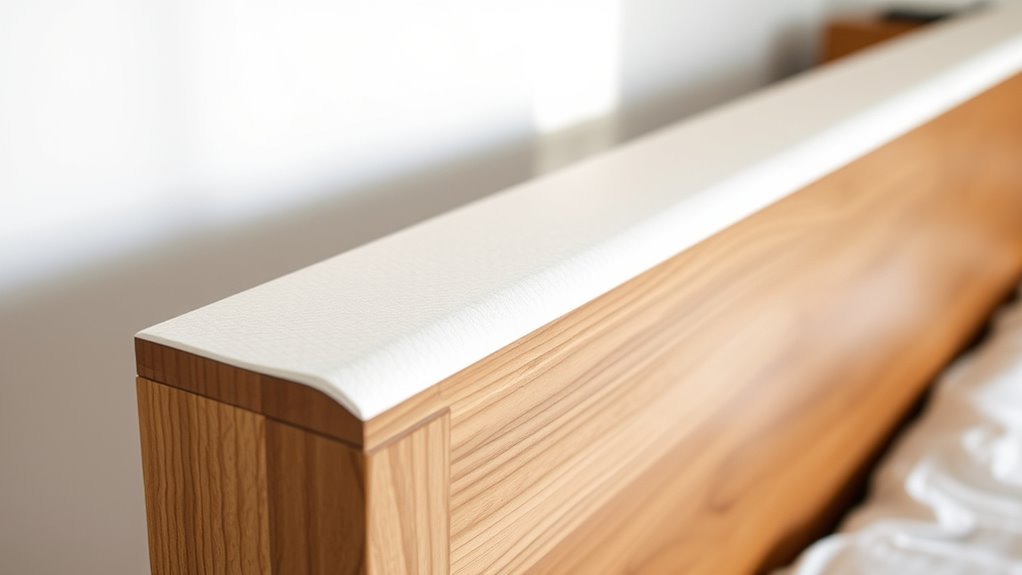
When choosing materials for DIY bed rail caps, you have several practical options based on your needs and budget. Aluminum extrusions, like 80/20 or Unistrut, are popular because they’re lightweight, strong, and easy to cut or drill. Steel channel or angle iron provides durability for heavy-duty use and can be welded or bolted for a permanent fix. PVC or ABS pipe caps are affordable, simple to shape, and weather-resistant, making them good for light-duty or temporary needs. You might also consider wood blocks or dowels for a decorative touch or easy customization. finally, 3D-printed plastic caps allow for custom designs, fitting specific bed rails perfectly. Each material offers unique benefits, so choose based on your project’s strength requirements, appearance, and longevity.
As an affiliate, we earn on qualifying purchases.
Benefits and Considerations of Aluminum and Steel Options
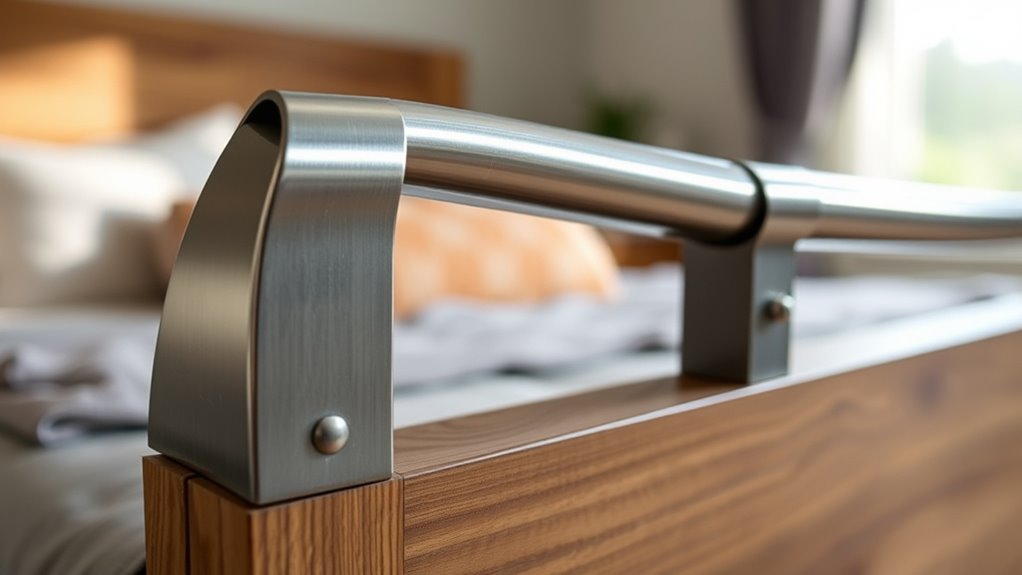
Aluminum and steel are both excellent choices for DIY bed rail caps, offering distinct advantages depending on your project’s needs. Aluminum is lightweight, easy to cut, drill, and handle, making installation simpler. It resists corrosion, so it’s great for outdoor or humid environments, ensuring longevity without rust. Aluminum profiles often feature built-in channels for fasteners, simplifying assembly. Steel, on the other hand, is highly durable and supports heavy loads, ideal for demanding applications. It can be welded or bolted for a secure, permanent fit. However, steel is heavier, more prone to rust without proper coating, and may require painting. Both materials are widely available and versatile, but your choice depends on whether you prioritize ease of installation and rust resistance (aluminum) or maximum strength and durability (steel). Considering the versatility of these materials, outdoor durability makes aluminum especially suitable for environments exposed to the elements.
As an affiliate, we earn on qualifying purchases.
Advantages of PVC, Wood, and 3D-Printed Caps
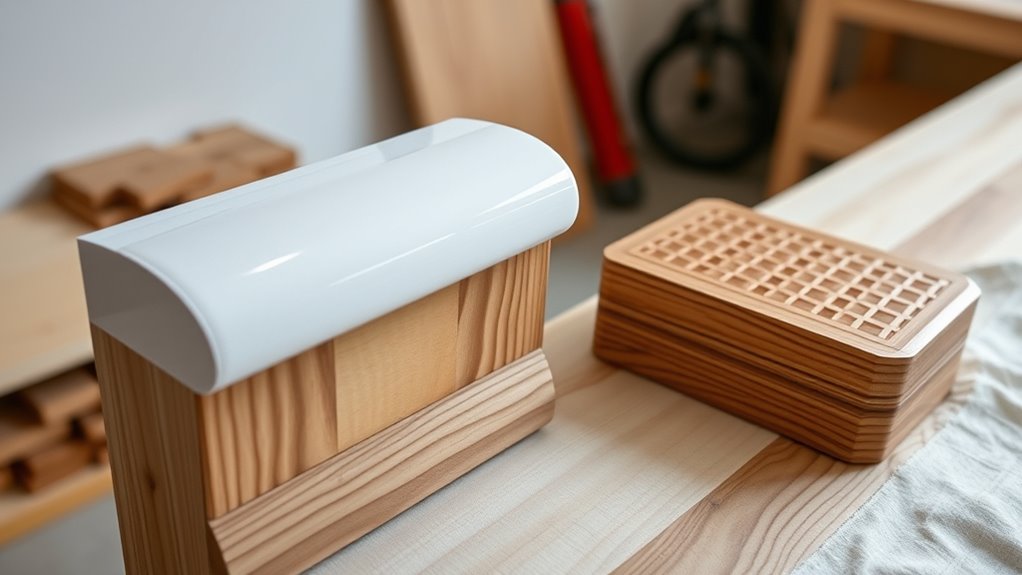
PVC, wood, and 3D-printed caps each offer unique advantages that make them suitable for specific DIY bed rail projects. PVC is affordable, lightweight, and easy to cut, shaping itself into smooth, weather-resistant ends. Picture a snug friction fit or glued joint, providing a clean look. Wood is simple to work with using basic tools, allowing you to sand, paint, or stain for a polished finish. Imagine a warm, natural touch on your bed rail, adding a decorative element. 3D-printed caps give you custom shapes and sizes, perfect for intricate or unique bed rails. Visualize a precisely designed, lightweight cap with threaded inserts, ready to be assembled. These options are ideal for light-duty, decorative, or temporary applications, offering versatility and ease of use. Additionally, considering sustainable materials can enhance the eco-friendliness of your DIY project while maintaining durability and style.
As an affiliate, we earn on qualifying purchases.
Frequently Asked Questions
Can These Caps Be Easily Removed or Replaced Later?
Yes, you can easily remove or replace these caps later. Aluminum extrusions and PVC caps often have friction-fit designs, making them simple to pop off and swap out. Steel and wood caps can be bolted or glued, so you’ll need tools to remove or replace them. 3D-printed caps are designed to be lightweight and removable, allowing you to customize or repair them without much hassle.
Which Material Is Safest for Outdoor Weather Conditions?
Like a knight’s shield in a storm, steel channel stands best against outdoor weather. It resists rust with proper coating and handles harsh conditions, making it your reliable choice. Aluminum also offers corrosion resistance and is lightweight, but steel’s durability often outperforms in the long run. PVC and ABS are weather-resistant but may degrade over time, so for the safest outdoor option, steel with protective paint is your best bet.
Are DIY Caps as Durable as Factory-Made Options?
DIY caps can be nearly as durable as factory-made options if you choose the right materials and install them properly. For example, steel or aluminum can withstand outdoor conditions and heavy use, while PVC or 3D-printed plastics work well for light-duty applications. You need to guarantee secure attachment and proper sealing to prevent damage from weather or wear. With careful selection and craftsmanship, your DIY caps can hold up just as well.
How Do I Ensure a Proper Fit for Different Bed Rail Sizes?
To guarantee a proper fit for different bed rail sizes, measure the rail’s dimensions carefully, including diameter or width and height. Choose materials that can be easily shaped or adjusted, such as PVC, wood, or 3D-printed parts. Use flexible or friction-fit designs, and consider adding adjustable fasteners or clamps. If needed, trim or sand the cap for a snug, secure fit that won’t slip or rattle.
Can I Customize the Appearance of These DIY Caps?
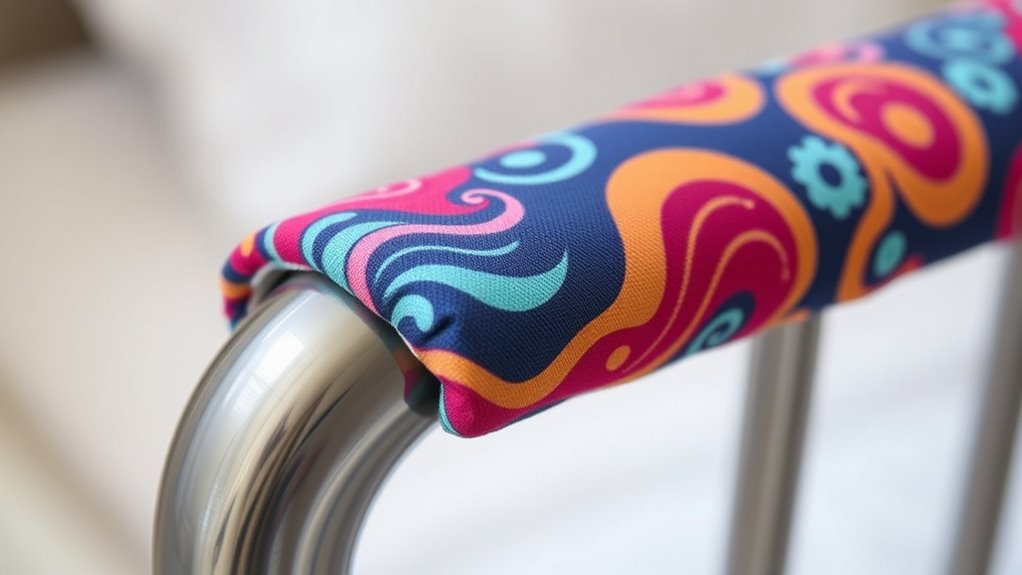
Think of your DIY caps as a blank canvas waiting for your personal touch. You can customize their appearance by painting, staining, or adding decorative elements like decals. For metal caps, try powder coating or wrapping with vinyl for a sleek look. With wood, sand and finish it to match your style. 3D-printed caps let you design unique textures and colors. Your bed rails become a reflection of your creativity and personality.
Conclusion
Now that you know how to craft your own bed rail caps with everyday materials, you’re ready to create a safer, personalized space. Whether you choose aluminum, PVC, or even repurposed wood, each option offers its own charm and protection—just like a trusty knight’s armor. So roll up your sleeves, channel your inner MacGyver, and give your bed a stylish, practical upgrade that’s as clever as it is cozy. Your bed will thank you!
Flea & tick season Picks
flea and tick prevention
As an affiliate, we earn on qualifying purchases.