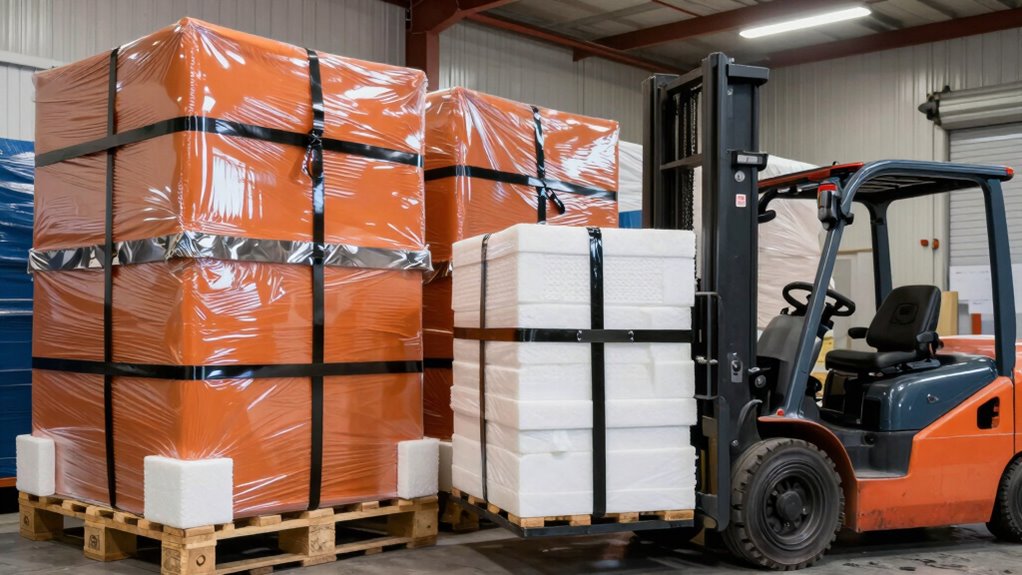
To prevent cargo damage during long trips, you should properly secure your items using high-quality straps, nets, and barriers and regularly check fastenings throughout the journey. Distribute weight evenly to maintain stability and avoid overloading one side. Keep temperature-sensitive goods monitored with reliable gauges, and use insulation or climate-controlled vehicles if necessary. Conduct thorough vehicle inspections before departure and during stops. If you want practical tips to keep your cargo safe, continue exploring these essential strategies.
Key Takeaways
- Properly distribute weight and secure cargo with high-quality restraints to prevent shifting during transit.
- Continuously monitor temperature and condition of sensitive goods with reliable gauges and sensors.
- Conduct thorough pre-departure inspections for damage or leaks, ensuring secure packing and padding.
- Regularly check fastenings and restraints during stops to maintain cargo stability and safety.
- Use clear labeling and documentation for special handling needs to ensure proper care throughout the journey.
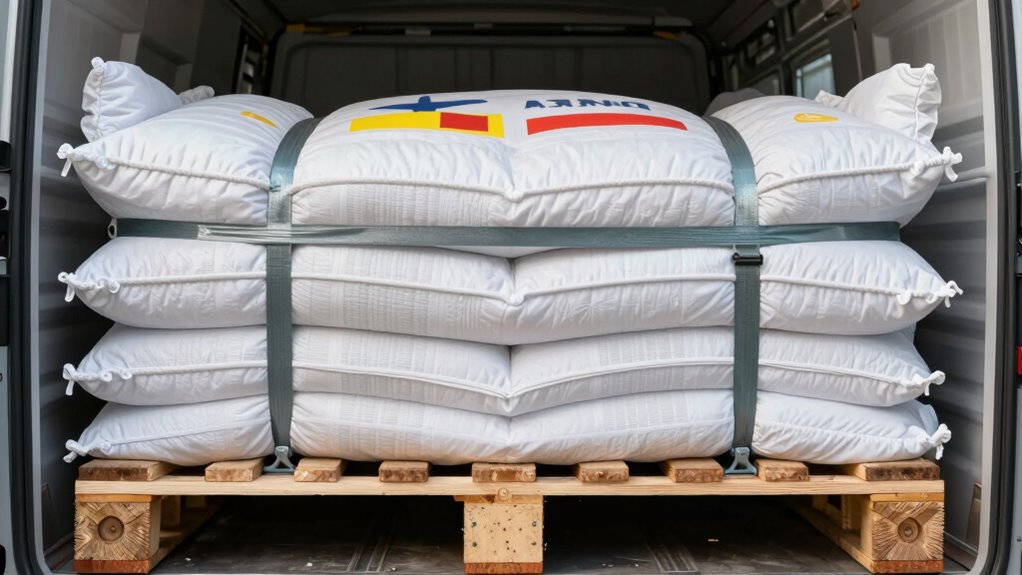
Long trips can pose noteworthy risks to your cargo’s safety, but careful planning and proper techniques can help prevent damage. Guaranteeing your cargo remains secure throughout the journey is essential, especially when it’s subjected to movement, vibrations, and varying environmental conditions. Cargo security involves more than just tying down items; it requires an all-encompassing approach that includes properly distributing weight, using appropriate restraints, and checking these restraints regularly during transit. You want to minimize shifting or falling over, which can cause damage or even accidents. Make certain your cargo is evenly loaded and balanced, avoiding overloading one side of the vehicle, which can compromise stability. Use high-quality straps, nets, and barriers to keep everything in place, and double-check all fastenings before departure and during stops.
Secure and balance your cargo with quality restraints, check fastenings regularly, and prevent shifting during transit.
Temperature control plays an indispensable role in protecting sensitive goods. If your cargo includes perishable items, pharmaceuticals, or any temperature-sensitive materials, maintaining a stable environment is essential. Fluctuations in temperature can cause spoilage, degradation, or malfunction, so invest in proper insulation, refrigerated containers, or climate-controlled vehicles if necessary. Regularly monitor the temperature throughout the journey with reliable gauges or sensors, and have contingency plans in case of equipment failure. Proper ventilation can also help maintain consistent conditions and prevent moisture buildup, which can lead to mold or corrosion. Additionally, understanding cargo needs and catering to specific requirements can significantly reduce the risk of damage. Incorporating temperature-sensitive handling protocols can further enhance the safety of delicate goods. Implementing proper documentation and clear labeling can also ensure proper handling and quick identification of special needs during transit.
Preparation is key when planning a long trip. Before setting out, inspect your vehicle or container for any damage or leaks that could jeopardize cargo security or temperature control. Secure all items tightly and use padding or dunnage to absorb shocks and vibrations. Consider the route and plan for potential delays, roadwork, or rough terrains that could impact your cargo. Communicating your cargo’s specific needs to drivers and handlers, so they understand the importance of gentle handling and vigilant monitoring, is crucial. Regular checks at rest stops help detect any issues early, preventing costly damages. By focusing on cargo security and temperature control, you markedly reduce the risk of damage, helping your goods arrive in perfect condition, regardless of the distance traveled.

4 Pack 2 Inch Ratchet Straps Heavy Duty 20ft Tie Down Straps Ratchet with Double J Hook, 10000 LBS Break Strength, Cargo Ratchet Straps for Moving, Truck, Trailers, Motorcycles, Kayaks, Car Roof
- Strap Dimensions: 2 inch wide, 20 feet long
- Load Capacity: Working load limit 8800 lbs
- Break Strength: 10000 lbs break strength
As an affiliate, we earn on qualifying purchases.
As an affiliate, we earn on qualifying purchases.
Frequently Asked Questions
What Are Common Causes of Cargo Damage During Long Trips?
Common causes of cargo damage during long trips include improper cargo securing, which lets items shift and break. Poor container maintenance can lead to leaks or structural issues, risking cargo safety. Vibration and rough terrain also contribute, causing goods to move or get damaged. To prevent this, you should make certain cargo is securely fastened and containers are well-maintained, reducing the risk of damage and ensuring your cargo arrives safely.
How Does Weather Impact Cargo Safety on Long Journeys?
Like a sailor braving stormy seas, you face weather hazards that threaten cargo safety on long journeys. Sudden rain, snow, or extreme heat can cause damage or spoilage if not managed properly. To build climate resilience, you must monitor weather forecasts, secure cargo against moisture and temperature shifts, and plan routes that avoid severe conditions. Staying vigilant helps you protect your cargo from nature’s unpredictable forces, ensuring it arrives intact.
Are There Specific Packaging Materials Recommended for Long-Distance Transport?
For long-distance transport, you should use innovative packaging made from eco-friendly materials. These materials provide durable protection against shocks and vibrations, reducing the risk of damage. Opt for biodegradable bubble wraps, recycled cardboard boxes, and biodegradable fillers to minimize environmental impact. By choosing sustainable, innovative packaging solutions, you guarantee your cargo stays safe and intact throughout the journey while also supporting eco-conscious practices.
How Often Should Cargo Be Inspected During Transit?
You should inspect cargo regularly during transit, ideally every few hours or at major stops, to catch issues early. Keep in mind that cargo insurance provides added protection, but frequent checks help prevent damage. Proper driver training guarantees safe handling and timely inspections. By maintaining a consistent inspection schedule, you reduce the risk of damage, safeguard your shipment, and ensure your cargo arrives intact and ready for delivery.
What Legal Responsibilities Do Carriers Have for Cargo Damage?
As a carrier, you’re legally responsible for cargo damage under liability clauses, which define your obligations and limits of liability. You must also maintain adequate insurance coverage to protect against potential claims. If damage occurs, you’re expected to document the incident thoroughly and adhere to contractual and legal standards. Failing to meet these responsibilities can result in legal penalties, financial liability, and damaged reputation, so always stay compliant and well-insured.
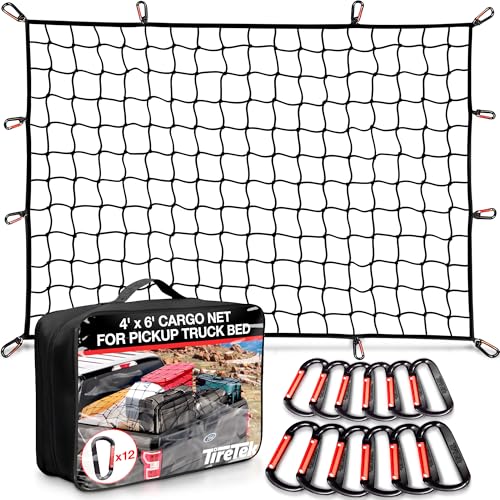
Cargo Net for Pickup Truck Bed – Truck Bed Net with 12 Metal Carabiners
- Heavy Duty Cargo Net: Extra thick 5mm latex core webbing
- Large Stretch Size: Stretches from 4'x6' to 8'x12'
- Mesh Design: 4×4 inch tight mesh for small items
As an affiliate, we earn on qualifying purchases.
As an affiliate, we earn on qualifying purchases.
Conclusion
By following these tips, you’re not just protecting your cargo—you’re safeguarding your peace of mind. Think of your goods as precious treasures; treating them with care guarantees they arrive intact and ready to shine. Remember, the journey may be long, but with vigilance and proper precautions, you can turn every trip into a story of success. After all, isn’t it worth the effort to keep your cargo safe and sound?
temperature monitoring sensors for shipping
As an affiliate, we earn on qualifying purchases.
As an affiliate, we earn on qualifying purchases.
As an affiliate, we earn on qualifying purchases.