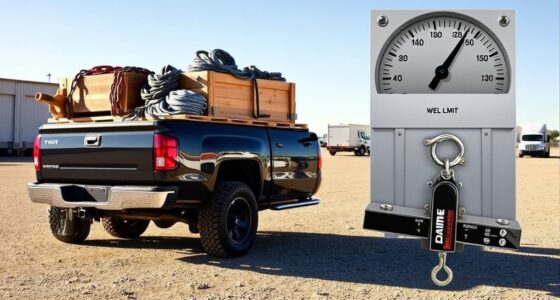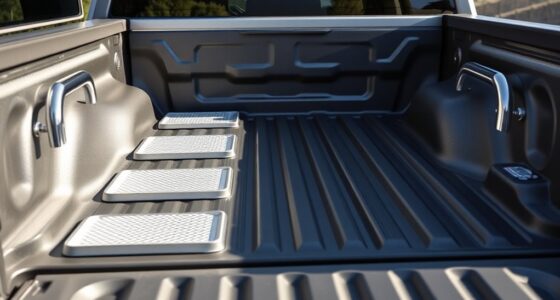
If you’re new to pickup trucks, understanding key bed terms helps you load safely. Know the difference between fleetside, styleside, and stepside beds, which affect cargo space and access. Measure your bed length—short, standard, or long—to fit your cargo. Pay attention to features like bed rails, tailgate, and wheel wells, which impact loading and securing items. For heavy loads, dually beds support dual wheels. Keep in mind how tie-downs and anchors secure your gear. Exploring more terms will boost your confidence behind the truck.
Key Takeaways
- Understand different bed styles (Fleetside, Styleside, Stepside) to choose the right bed for your hauling needs.
- Know bed lengths (short, standard, long) to match cargo size and maneuverability requirements.
- Learn key features like bed rails, tailgate, and tie-down points for secure and efficient loading.
- Recognize specialized beds such as flatbeds and utility beds for handling large or heavy items.
- Use proper cargo securing methods with tie-downs and anchors to ensure safety and prevent shifting.

Tigeracing Tie Down Anchors Retractable Truck Bed Top Side D Ring Compatible with 2015-2026 F150 / 17-26 F250 & F350 Super Duty / 17-26 Raptor – 3000 LBS Capacity of 4
Vehicle Compatibility: B07P6ZCC4P (Center)– Fits in the Front, Middle, or Rear Stake Pockets. B07V35TGV9 (Offset) – Certain trucks…
As an affiliate, we earn on qualifying purchases.
As an affiliate, we earn on qualifying purchases.
Understanding Different Bed Styles: Fleetside, Styleside, Stepside, and Flareside
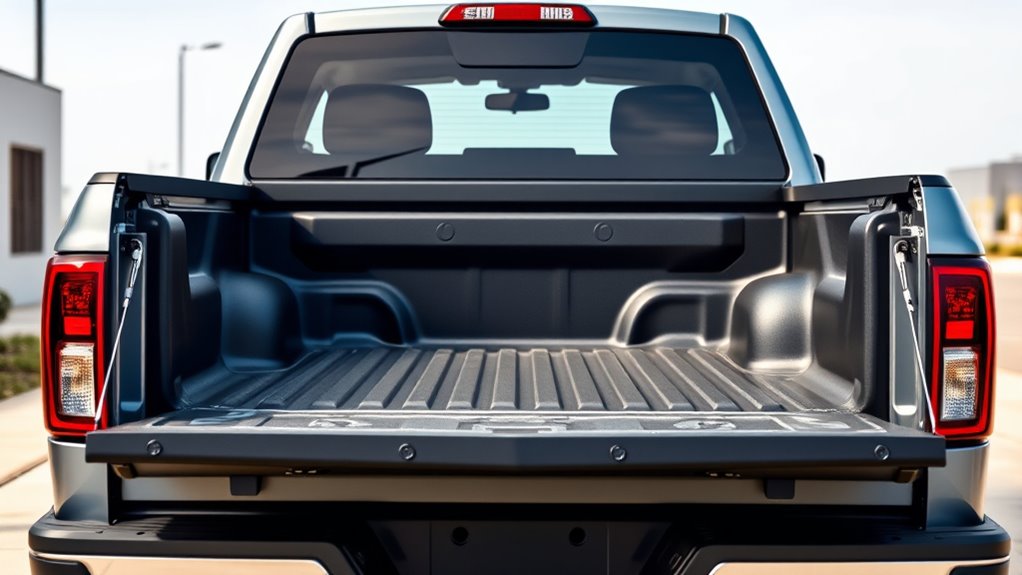
Understanding different bed styles on pickup trucks is essential for choosing the right one for your needs. Fleetside beds, common on GM, Dodge, and imports, feature flat exterior sides with wheel wells inside the bed, offering a wider cargo area. Styleside beds, used by Ford, are similar but are manufacturer-specific. Stepside beds, found on Chevy and GMC, have wheel wells outside the bed, creating a rectangular cargo space inside. Flareside is another term for stepside, often used interchangeably. These styles differ in shape and construction, so parts aren’t interchangeable. Additionally, European-inspired designs are increasingly influencing pickup bed styles, emphasizing sustainable materials and innovative configurations. Choosing the right bed style depends on your cargo needs and how you plan to load and unload. Proper understanding of bed configurations can help you select a truck that maximizes efficiency and utility. Being aware of vehicle customization options can further enhance your truck’s utility and adaptability to specific tasks, especially as herbalism principles can be applied to optimize your approach to selecting the best truck setup.

Heavy Duty Truck Bed Tie Down Anchors Rings Trailers Hook Cargo Bolt on V Ring Pickups Rail Accessories (4 Pack)
Easy To USE: By threading a screw or bolt through the 13/32" diameter bolting hole( (that's between 3/8"…
As an affiliate, we earn on qualifying purchases.
As an affiliate, we earn on qualifying purchases.
Recognizing Common Pickup Bed Types: Standard, Flatbed, Utility, Drop-Side, and Custom
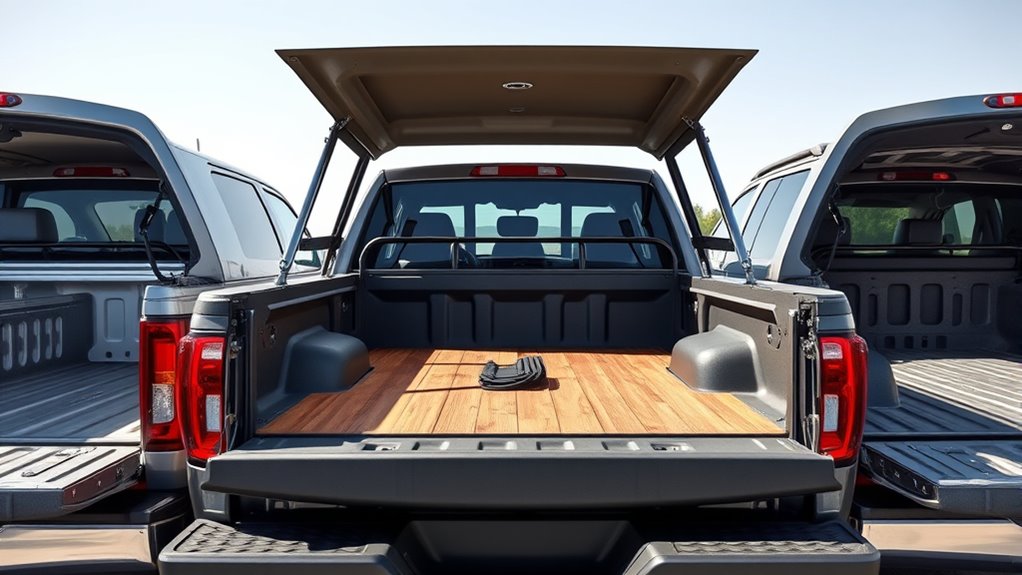
Pickup truck beds come in several common types, each designed for specific tasks and loading preferences. The standard pickup box is the most familiar, featuring a rectangular shape with a flat floor, reinforced rails, and a tailgate that hinges downward. Flatbeds offer a completely flat surface without wheel wells or sidewalls, making loading large or bulky items easier. Utility beds include built-in compartments and side access panels, ideal for tools and equipment. Drop-side beds have sides that fold down, simplifying access for heavy or awkward loads. Custom beds are tailored to specific needs, often extended or modified from standard sizes for specialized hauling. Recognizing these types helps you choose the right bed for your cargo, whether for everyday use or heavy-duty tasks.

AOPHY Trunk Organizer for Car, 95L Large Capacity Storage with Non-Slip Bottom Strips and 2 Retractable Straps, Cargo Organizer for Suv, Truck, Sedan, Waterproof Portable Car Organizers for Women Men
Expandable Trunk Organizer: This trunk organizer for suv has 3 compartments and you can adjust their size by…
As an affiliate, we earn on qualifying purchases.
As an affiliate, we earn on qualifying purchases.
Measuring Your Bed: Short, Standard, Long, and Extended Lengths
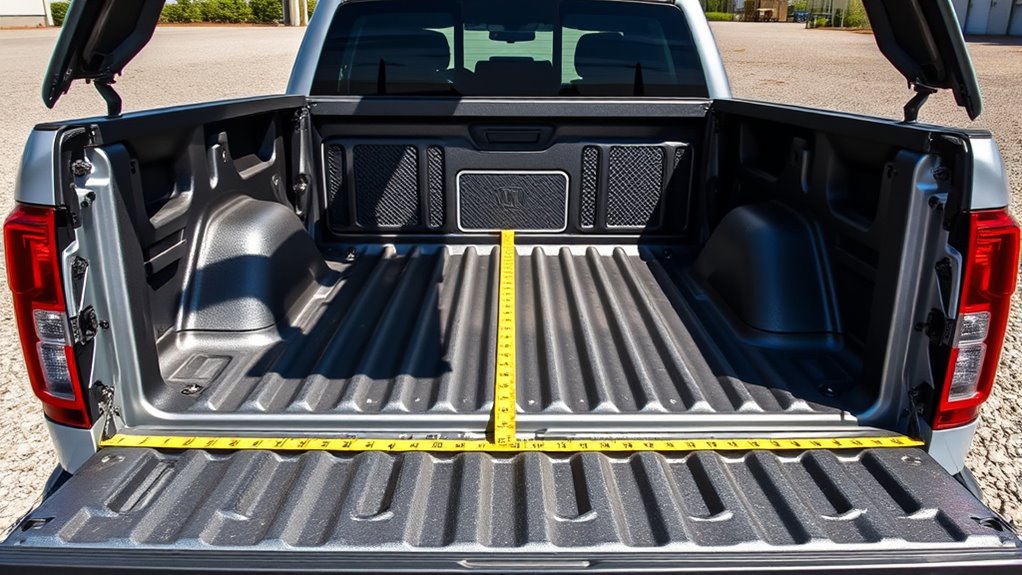
Measuring your truck bed accurately is essential for selecting the right size for your cargo needs. First, measure from the inside of the bed’s front wall to the inside of the tailgate or rear edge. This gives you the bed’s length. Short beds typically range from about 5’4” to 6.5’, ideal for maneuverability and tight spaces. Standard beds are around 6.5 to 7 feet, offering a balance of space and agility. Long beds measure approximately 8 feet, providing extra cargo capacity for larger loads. Extended or super-long beds exceed 8 feet, mainly used for heavy-duty or commercial trucks. Knowing these measurements helps you match your hauling needs with the right bed size, ensuring your truck is capable of handling your cargo safely and efficiently. Additionally, understanding bed dimensions can help you select appropriate accessories and coverings for your truck bed. Being aware of payload capacity is also important to prevent overloading and maintain safety while transporting your cargo. Moreover, understanding truck bed types can assist in choosing the most suitable configuration for your specific needs. To further optimize your truck’s utility, consider learning about piercings and body jewelry materials, which can be useful if you plan to customize or accessorize your vehicle with specialized items. Recognizing truck customization options can also help you personalize your vehicle for better functionality and style.

RENEGADE Truck Bed Cargo Cover 8×6 ft – Heavy Duty, 6X Stronger, Waterproof, UV-Resistant, PFAS-Free – Tarp for Pickups, Trailers & Exterior Hauling Protection
INDUSTRIAL-GRADE TRUCK BED COVER: The 8×6 ft Renegade Cargo Cover is built for real work. Made from high-tensile…
As an affiliate, we earn on qualifying purchases.
As an affiliate, we earn on qualifying purchases.
Key Features to Know: Bed Rails, Tailgate, Bulkhead, and Wheel Wells
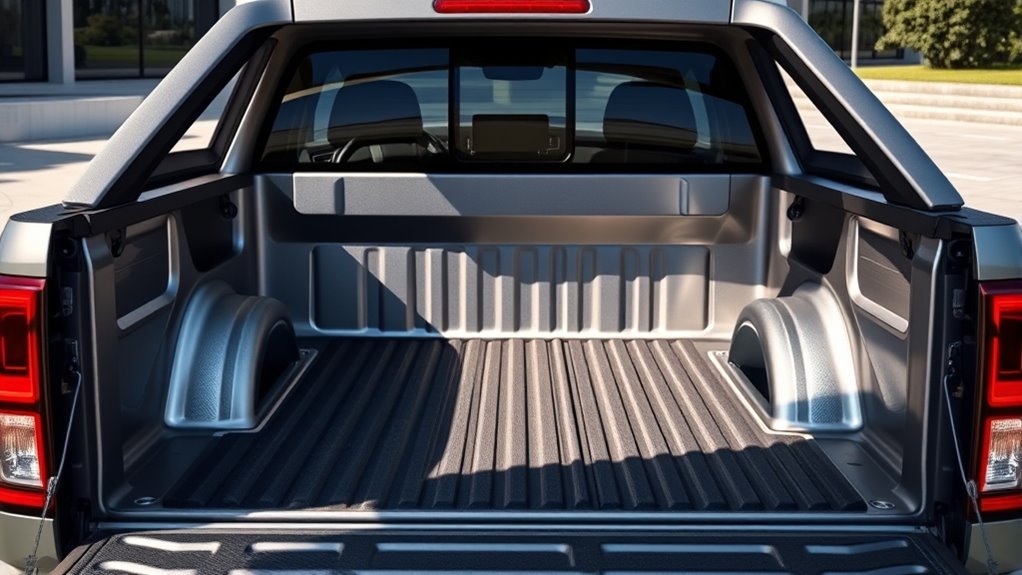
Key features like bed rails, tailgate, bulkhead, and wheel wells play a crucial role in a pickup truck’s functionality. Bed rails are reinforced edges on top of the sides, allowing you to attach covers, racks, or tie-downs securely. The tailgate is the hinged rear door that lowers to facilitate loading and unloading; many have locks for added security. The bulkhead separates the truck bed from the cab, providing structural support and safety for cargo. Wheel wells are the intrusions inside the bed to cover the wheels; they reduce available space but protect the wheels and suspension components. Understanding these features helps you load efficiently, secure your cargo properly, and utilize your truck’s full potential safely and effectively. Additionally, modern truck bed features like integrated lighting or adjustable tie-down points can further enhance your loading and hauling experience. Being familiar with truck bed design can also help you select the right accessories and modifications to customize your truck for specific needs. Recognizing the importance of bed structure can improve your overall cargo management and vehicle safety. Moreover, understanding the field‑of‑view provided by various truck bed sizes can assist in planning how much cargo you can carry comfortably.
The Benefits of Flatbeds for Heavy or Oversized Cargo
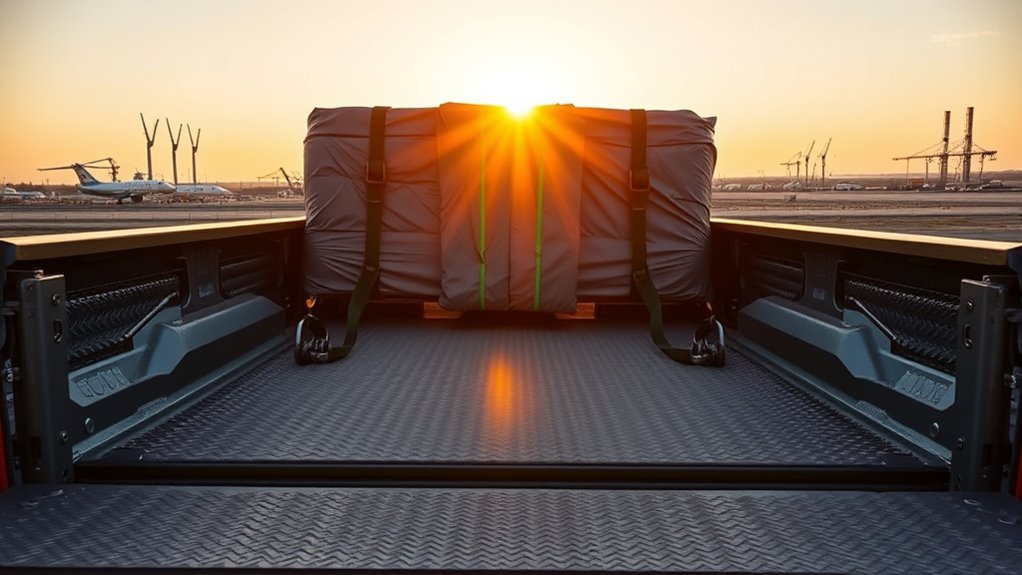
Flatbeds make loading heavy or oversized cargo much easier because they have a completely flat surface without wheel wells or sidewalls. This allows you to position and secure large items more efficiently, saving time and effort. With versatile cargo handling options, flatbeds are ideal for jobs that require quick loading and unloading of bulky or irregularly shaped loads. Proper care and maintenance of the flatbed can also extend its lifespan and ensure safety during operations. Regular inspections and cleaning techniques can help prevent rust and damage, maintaining optimal performance. Incorporating sound health practices in maintenance routines can ensure the longevity of your flatbed equipment and safety for operators, especially when handling heavy loads. Additionally, understanding hydraulic systems used in some flatbeds can improve operational safety and efficiency.
Easy Loading Access
Have you ever struggled to load heavy or oversized cargo into a traditional pickup bed? Flatbeds eliminate this challenge by providing a completely flat surface without wheel well humps or sidewalls. This design makes it much easier to slide or lift large items onto the bed, especially with forklifts or dollies. With no obstacles blocking access from the sides or rear, you can load bulky equipment or long materials more efficiently. Flatbeds also allow for easier tie-down placement, ensuring your cargo stays secure during transit. If you frequently haul heavy or oversized loads, investing in a flatbed considerably simplifies the process, saving you time and effort while reducing the risk of damage or injury. Additionally, the customizable features of flatbeds enable you to tailor the setup to your specific hauling needs. Incorporating modern materials can further improve durability and reduce weight, making your loading and unloading tasks even easier. Selecting innovative hauling solutions can further streamline your operations and enhance safety during transport. For even greater efficiency, connected technology can be integrated to monitor and optimize your hauling operations. Embracing these innovative solutions can significantly enhance your overall hauling experience.
Versatile Cargo Handling
For hauling heavy or oversized cargo, a flatbed offers unmatched versatility and efficiency. Its flat, open surface allows you to load large, bulky items directly without obstructions like wheel wells or sidewalls. This makes loading and unloading easier, especially with forklifts or cranes. Flatbeds are perfect for equipment, construction materials, or oversized pallets. You can also customize them with racks, tie-downs, or extension rails to secure your cargo.
| Advantage | Description |
|---|---|
| Easy access for forklifts | No wheel wells or barriers, simplifying loading |
| Flexibility in cargo size | Accommodates oversized, irregularly shaped items |
| Customization options | Racks, tie-downs, and extensions for secure transport |
How Drop-Side Beds Make Loading and Unloading Easier
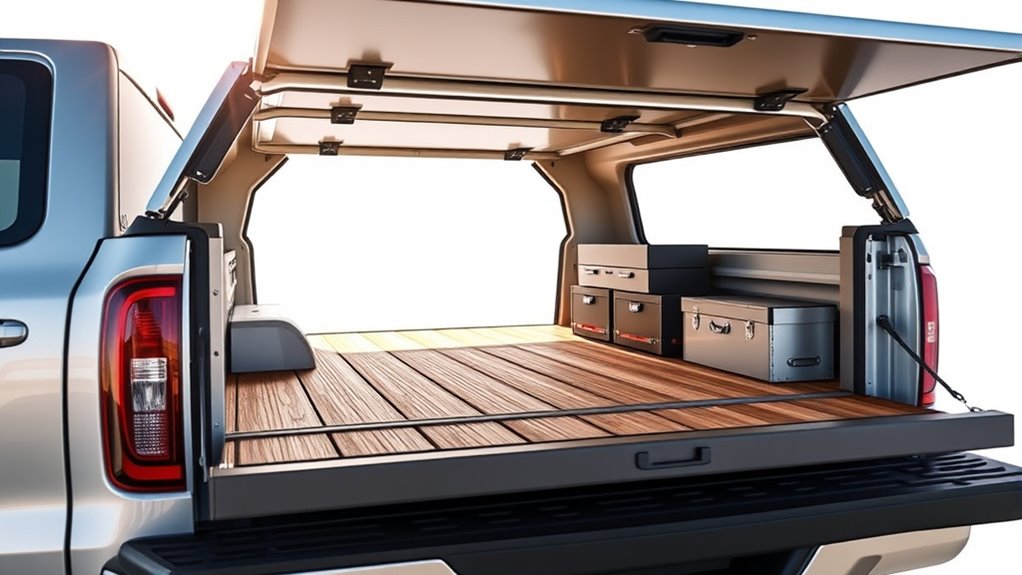
Drop-side beds simplify loading and unloading by allowing you to fold or lower the sides, eliminating the need to lift heavy cargo over high walls. This feature makes it easier to slide bulky items or tools directly into the bed without awkward lifts. Whether you’re loading construction materials, landscaping supplies, or large boxes, dropping the sides reduces strain and speeds up the process. You can also position items more precisely since you have better access from the sides. Additionally, lowering the sides helps prevent damage to cargo and makes it easier to secure loads with ropes or straps. Overall, drop-side beds enhance efficiency and safety, especially when handling heavy or awkward items, saving you time and effort during every loading or unloading task.
Utility Beds and Their Specialized Storage Compartments
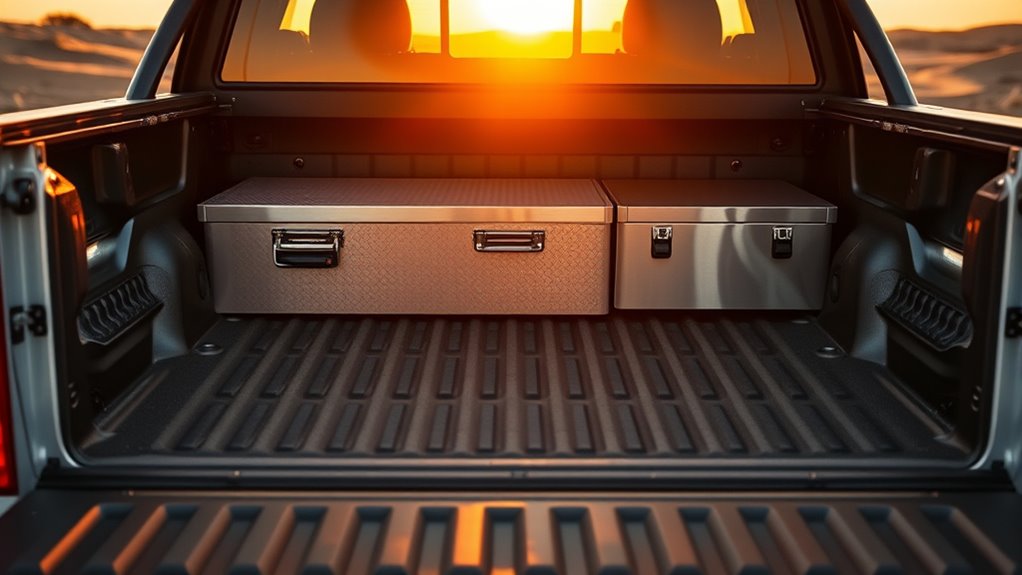
Utility beds are designed to maximize storage and organization for work-related tasks, making them perfect for tradespeople and contractors. These beds feature specialized compartments that keep tools, equipment, and supplies secure and accessible. You’ll find built-in side access panels and lockable storage boxes, helping you stay organized on the job site. Here are three key features:
- Dedicated Tool Compartments: Separate sections for hand tools, power tools, or small parts, reducing clutter.
- Side Access Panels: Easy reach to stored items without climbing into the bed.
- Lockable Storage Boxes: Secure your gear from theft or weather, ensuring everything stays in place.
Utility beds streamline work, improve efficiency, and protect your equipment, making them a smart upgrade for serious users.
Dually Beds: Accommodating Dual Rear Wheels for Heavy Loads
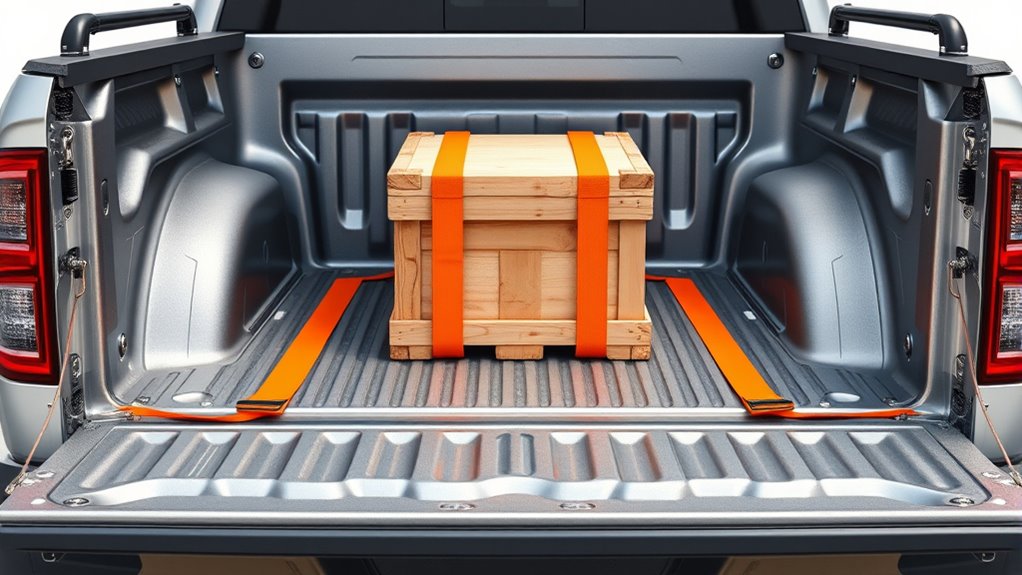
Dually beds are designed to fit trucks with dual rear wheels, which provide added stability and weight distribution for heavy loads. They are wider than standard beds to accommodate the extra tires, offering increased load capacity and towing strength. If you frequently haul large or heavy items, understanding dually bed design and benefits can help you choose the right setup for your needs.
Dually Bed Design
Designing a truck bed to accommodate dual rear wheels involves specific considerations to guarantee strength, stability, and proper fit. You need a wider and reinforced structure to handle the extra width and weight, ensuring the bed supports heavy loads without warping or damage. The design must also account for the dual wheel wells, providing enough clearance to prevent contact and allow smooth loading. Additionally, the mounting points and tie-downs should be robust enough to secure heavy cargo safely.
Here are three key features of a dually bed design:
- Wider width to fit dual rear wheels comfortably
- Reinforced sidewalls and floor for added durability
- Properly positioned wheel wells for clearance and stability
Load Capacity Benefits
A dually bed considerably enhances a truck’s load-carrying capabilities by providing increased weight capacity and stability. With dual rear wheels, your truck can support heavier loads without sacrificing balance or safety. This setup distributes the weight more evenly across the axle, reducing stress on individual tires and the bed itself. You’ll notice improved traction and reduced sway when hauling bulky or uneven cargo, making your load safer during transport. Dually beds are especially beneficial for towing heavy trailers or carrying dense materials, as they maximize the truck’s payload potential. Plus, the added stability helps prevent fishtailing or rollover risks, giving you confidence when handling demanding loads. Overall, a dually bed allows you to push your truck’s limits while maintaining control and safety.
Essential Cargo Securing Points: Tie-Downs and Anchors

Have you ever wondered how to keep your cargo secure during transit? The key lies in understanding your truck bed’s cargo securing points. These include essential tie-downs and anchors built into the bed to prevent shifting or falling. Here’s what you need to know:
Secure your cargo with truck bed tie-downs and anchors to prevent shifting during transit.
- D-rings: Heavy-duty metal rings embedded in the bed, perfect for attaching ropes or straps.
- Tie-down hooks: Strategically placed along the bed rails or floor, providing multiple anchor points.
- Built-in cleats: Fixed fixtures that allow secure attachment of straps or bungee cords.
Using these points correctly guarantees your load stays put, reduces risk, and keeps you compliant with safety regulations. Always inspect and utilize all available securing points before hitting the road.
Payload and Towing Capacity: What They Mean for Your Load
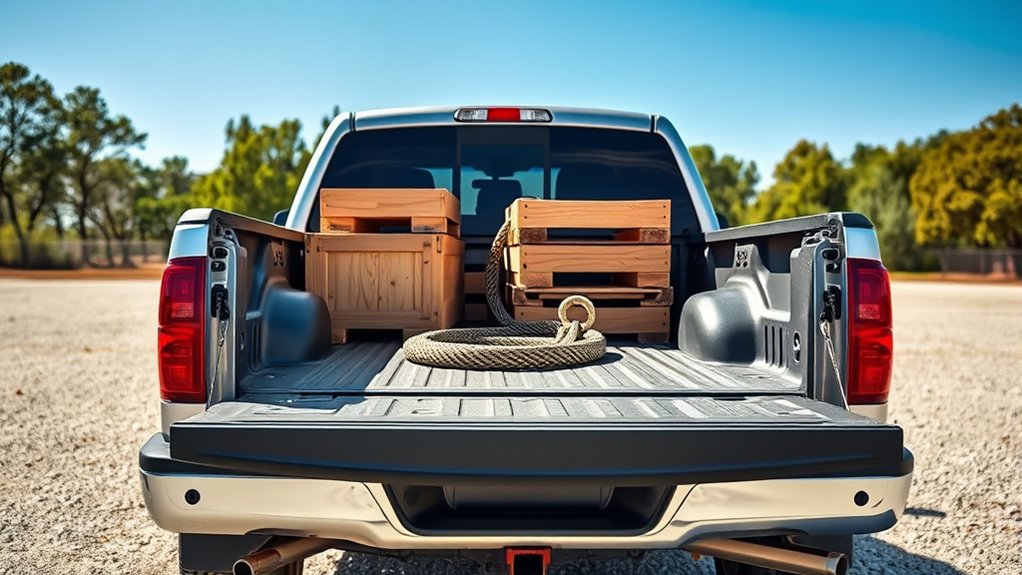
Understanding your truck’s payload and towing capacity helps you determine how much weight you can safely carry and haul. Payload refers to the combined weight of cargo, passengers, and any added accessories in your truck’s bed and cab. Towing capacity is the maximum weight your truck can pull safely with a trailer. Exceeding these limits risks damage to your vehicle, unsafe driving, or accidents. Your truck’s specifications are set by the manufacturer and depend on factors like engine size, drivetrain, and suspension. Always check your owner’s manual or placard for these numbers before loading or hitching a trailer. Staying within limits ensures safe handling, prevents excessive wear, and keeps you compliant with safety standards. Proper understanding helps you load efficiently without compromising safety.
The Difference Between Single and Dual Rear Wheel Trucks (SRW vs. DRW)
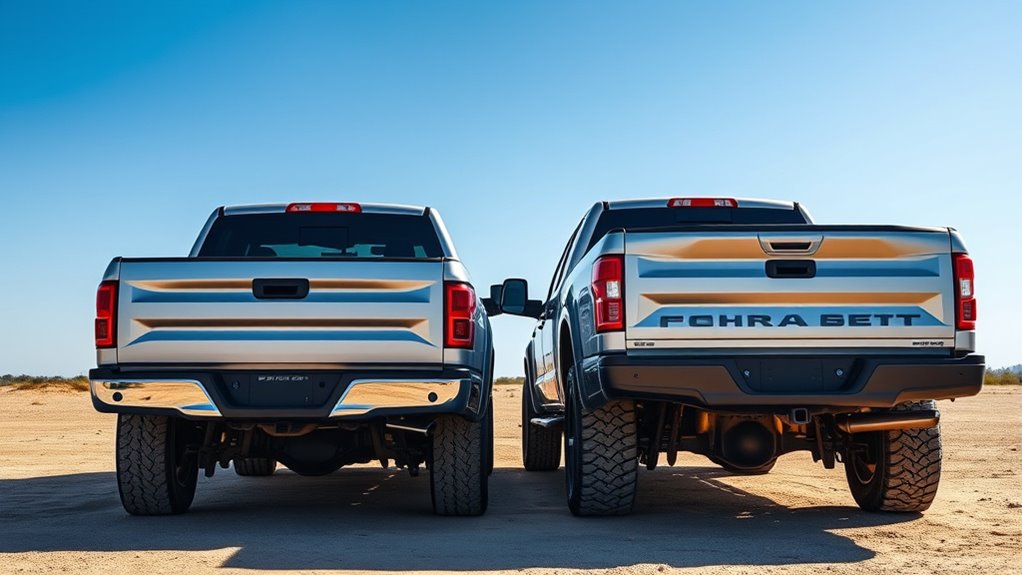
Single rear wheel (SRW) trucks feature one wheel on each side of the rear axle, making them lighter, more maneuverable, and easier to park. They’re ideal for everyday driving and lighter loads. Dual rear wheel (DRW) trucks, or duallys, have two wheels on each side, providing a wider stance. This configuration offers better stability and increased payload capacity, especially for heavy hauling.
You should consider these points:
- Load Capacity: DRWs handle heavier loads with more stability.
- Maneuverability: SRWs are easier to turn and park.
- Use Case: Choose SRW for daily use; opt for DRW if towing or hauling heavy loads.
Frequently Asked Questions
How Do I Choose the Right Bed Style for My Needs?
You choose the right bed style based on what you plan to haul. If you need easy access and versatility, go for a standard or long bed. For bulky or oversized cargo, a flatbed offers more space and forklift access. If you need tool storage, a utility bed is ideal. Consider a drop-side for heavy loads or customization options for specific tasks. Match the bed style to your cargo, usage, and work environment.
What Accessories Are Compatible With Different Truck Bed Types?
You can add accessories like tonneau covers, bed liners, and racks to most bed types. For fleetside and styleside beds, you’ll find compatible bed covers, tie-downs, and toolboxes that fit inside the walls or on the rails. Drop-side and flatbeds let you install additional brackets or mounts for specialized gear. Always check manufacturer specifications to confirm accessories match your truck bed’s shape, size, and features for a secure fit.
How Do I Measure My Truck Bed Accurately?
To measure your truck bed accurately, start by opening the tailgate. Use a tape measure to find the length from the inside edge of the tailgate to the inside of the bulkhead next to the cab. Measure the width at the widest point between the inner walls, avoiding wheel wells if possible. Then, note the height from the bed floor to the top of the sidewalls. Record these dimensions for precise measurements.
Can I Modify a Standard Bed Into a Flatbed?
Think of modifying your standard truck bed into a flatbed like transforming a regular table into a buffet—you’re removing the sides to create more open space. You can do this by replacing or removing the bed sides and installing a flat, reinforced surface. Keep in mind, you’ll need compatible parts and possibly professional help to make sure of safety and structural integrity. This upgrade boosts loading ease for oversized or bulky cargo.
What Safety Features Should I Consider When Loading Cargo?
When loading cargo, you should consider securing it with tie-downs and anchors to prevent shifting. Use appropriate straps or ropes, especially for heavy or bulky items. Make sure the load is evenly distributed to avoid unbalancing the truck. Keep the cargo below the bed rails to prevent it from falling out during transit. Also, double-check that the tailgate is securely closed and locked for added safety.
Conclusion
Now that you’re familiar with these 11 truck bed terms, you’re ready to load up like a pro—no need to channel your inner cowboy from the Old West. Remember, knowing your bed style, features, and capacity helps you pick the right truck for the job. With this knowledge, you’ll be able to confidently secure your cargo and hit the road. So, gear up and get ready to conquer your next haul with confidence!