Your truck bed rusts faster if it has poor-quality paint or if the surface isn’t properly prepared, allowing moisture and dirt to seep in. Environmental factors like rain, snow, and salty conditions also speed up corrosion, especially if the paint gets chipped or scratched. Regular maintenance, such as washing and inspections, can help reduce rusting. To learn more about how to protect your truck bed, keep exploring the key factors involved.

Get garage and car supplies delivered free — and shop member deals
- Fast, free delivery on millions of items
- Access to Prime Big Deal Days deals on October 6–7
- Prime Video, Amazon Music and more included
Key Takeaways
- Poor-quality or thin paint allows water and dirt to penetrate, accelerating rust formation.
- Surface imperfections and damage trap moisture, increasing corrosion risk.
- Exposure to salty, humid environments hastens rust development on unprotected surfaces.
- Lack of regular maintenance and protective coatings enables moisture to corrode the metal quicker.
- Inadequate surface preparation reduces paint adhesion, compromising the protective barrier against rust.

Truck beds are vital for hauling and work purposes, but some tend to rust faster than others. The primary reason often comes down to how well the bed’s surface resists corrosion, and two key factors influence this: paint quality and exposure to elements. When you’re choosing or maintaining a truck bed, understanding these aspects can help you prevent rust and extend the life of your vehicle.
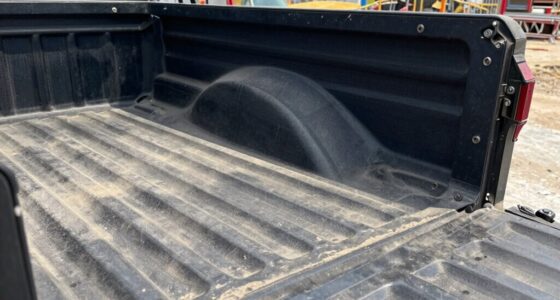
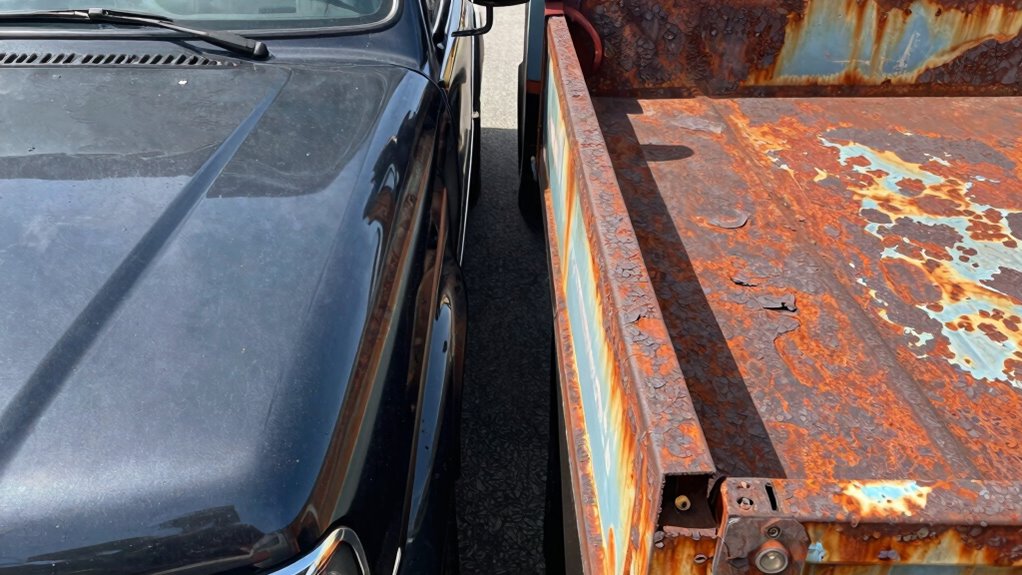
Paint quality plays a fundamental role in protecting your truck bed from rust. High-quality paint creates a robust barrier that shields the metal underneath from moisture and oxygen, which are the main culprits behind rust formation. If the paint is thin, poorly applied, or of inferior quality, it’s much easier for water and dirt to seep through tiny cracks or chips. Over time, this exposure accelerates corrosion. You might notice that trucks with a thick, well-adhered coat of durable paint tend to stay rust-free longer, even in harsh conditions. Conversely, if your truck’s paint is peeling or scratched, it exposes the bare metal beneath, increasing the risk of rust developing rapidly. Proper surface preparation before painting is crucial to ensure maximum adhesion and protection.
High-quality paint forms a strong barrier, preventing moisture and oxygen from reaching and rusting the metal.
Exposure to elements is another vital factor. When your truck is regularly subjected to rain, snow, humidity, or salty environments—like coastal areas or roads salted during winter—your truck bed is more vulnerable. The moisture from these elements can settle into imperfections on the surface, especially if the paint isn’t intact. Even if you’ve applied a good coat of paint, constant exposure without proper maintenance can allow moisture to penetrate over time. Salt, in particular, accelerates rust formation by breaking down protective coatings and reacting with the metal itself. If you park your truck outdoors without a cover or don’t wash off salt and dirt regularly, you’re essentially inviting rust to take hold. Regular inspections and preventive maintenance can further help minimize the risk. Additionally, applying a protective sealant or coating can provide an extra layer of defense against moisture and corrosive agents.
As an affiliate, we earn on qualifying purchases.
Frequently Asked Questions
How Does Climate Influence Truck Bed Rusting?
Climate effects your truck bed rusting by exposing it to moisture, salt, and temperature fluctuations. If you live in a humid or coastal area, salt accelerates rust formation, making rust prevention tougher. Cold climates with snow and ice cause more corrosion due to road salt. To protect your truck bed, regularly wash and apply rust-proof coatings, especially in harsh climates, to help prevent rust and extend its lifespan.
Do Aftermarket Coatings Prevent Rust Longer?
Think of aftermarket coatings as your truck bed’s knight in shining armor—yes, they do prevent rust longer. These coatings offer superior rust prevention and extend coating longevity compared to factory options. By creating a durable barrier, they protect against moisture, salt, and scratches. Regularly applied, they help your truck bed stay rust-free for years, saving you money and hassle down the road. So, investing in quality aftermarket coatings is a smart move.
Can Regular Washing Stop Rust Formation?
Regular washing helps prevent rust formation by removing dirt, salt, and debris that can promote corrosion. To be most effective, you should also focus on proper surface preparation before washing—scrubbing off any existing rust and applying rust inhibitors. These inhibitors create a protective barrier, stopping rust from developing further. Consistent maintenance, including regular washing and rust inhibitor application, substantially extends your truck bed’s lifespan and keeps it looking good longer.
What Role Does Truck Bed Material Play?
Did you know that steel beds have a 40% higher rust risk than aluminum ones? Your truck bed’s material plays a vital role in its lifespan. Aluminum boasts better material durability and resists rust, unlike traditional steel, which’s prone to corrosion if not properly protected. Bed construction, such as layered coatings or galvanization, further influences rust resistance. Choosing the right material and construction methods helps your truck stay rust-free longer.
How Often Should I Inspect for Rust?
You should inspect your truck bed for rust at least every three to six months, especially if you frequently haul salt, mud, or corrosive materials. Regular inspection helps catch rust early, allowing you to take rust prevention measures before it worsens. Pay attention to seams and joints, and clean and dry the bed thoroughly after exposure to moisture. Consistent inspection frequency keeps your truck bed protected and extends its lifespan.
As an affiliate, we earn on qualifying purchases.
Conclusion
You should know that truck beds exposed to salt, moisture, and road debris rust up to 60% faster than those kept in cleaner environments. Regularly inspecting and washing your truck can notably slow down this process. Remember, taking simple steps now can save you hundreds or even thousands in repairs later. Protect your investment—your truck’s lifespan depends on how well you care for it. Don’t wait until rust becomes a costly problem; act today!
As an affiliate, we earn on qualifying purchases.
As an affiliate, we earn on qualifying purchases.
Halloween Picks
halloween
As an affiliate, we earn on qualifying purchases.