Before hurricane season, you should clean and inspect your truck bed for rust, damage, and clear drainage holes. Waterproof the surface, tighten fasteners, and secure or remove loose items and covers. Organize emergency supplies in waterproof containers, and check your mechanical and electrical systems for proper operation. Reinforce your bed with additional fasteners and prevent water damage with drainage improvements. To protect your truck and supplies effectively, follow these steps carefully for extensive preparedness.
Key Takeaways
- Clean and inspect the truck bed for rust, damage, and debris; repair and reinforce as needed.
- Waterproof and cover the bed securely, ensuring drainage holes are clear to prevent water accumulation.
- Secure emergency supplies in waterproof containers and organize them for quick access during storms.
- Check and maintain mechanical and electrical systems, including locks, lights, and tires, for reliable operation.
- Use barriers and elevate the truck if possible; remove loose accessories and secure the bed to prevent storm damage.

Rust-Oleum 248914 Automotive Truck Bed Coating Spray, 15 oz, Black
Ideal for use on truck beds, trailer floors, fenders and other metal surfaces
As an affiliate, we earn on qualifying purchases.
As an affiliate, we earn on qualifying purchases.
Clean and Inspect the Truck Bed
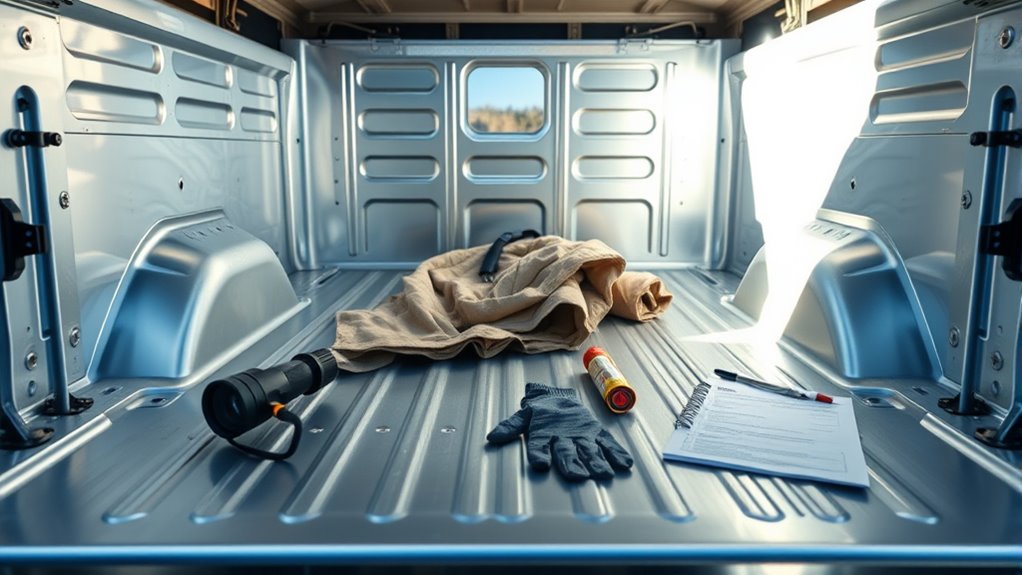
Before hurricane season arrives, you should thoroughly clean and inspect your truck bed. Start by removing all debris, dirt, and leaves to prevent clogging drainage holes and avoid rust. Check the bed for rust spots or scratches; treat any you find with rust inhibitor or touch-up paint to prevent corrosion. Inspect the bed liner, if you have one, for damage or wear, and repair or replace it as needed. Ensure all drainage holes are clear so water doesn’t pool and cause rust. Verify that the tailgate and bed locks function properly to keep the bed secure during storms. Regular inspections now can save you time and money later, and help keep your truck in top shape for emergency situations. Additionally, staying informed about emerging trends in vehicle protection can help you adopt innovative solutions to safeguard your truck bed effectively.
![[Jumbo 38 CuFt] Truck Bed Cargo Bag, 100% Waterproof Heavy Duty Pickup Storage Bag (58"x49"x23"), Heat-Welded Seams & 3-Side Zipper, Fits Full-Size Trucks for Moving & Camping](https://m.media-amazon.com/images/I/41w3xVtRJsL._SL500_.jpg)
[Jumbo 38 CuFt] Truck Bed Cargo Bag, 100% Waterproof Heavy Duty Pickup Storage Bag (58"x49"x23"), Heat-Welded Seams & 3-Side Zipper, Fits Full-Size Trucks for Moving & Camping
Maximize Your Haul: Massive 38 cubic feet capacity—nearly double the size of standard bags. Perfect for moving day,…
As an affiliate, we earn on qualifying purchases.
As an affiliate, we earn on qualifying purchases.
Waterproof and Protect the Bed Surface
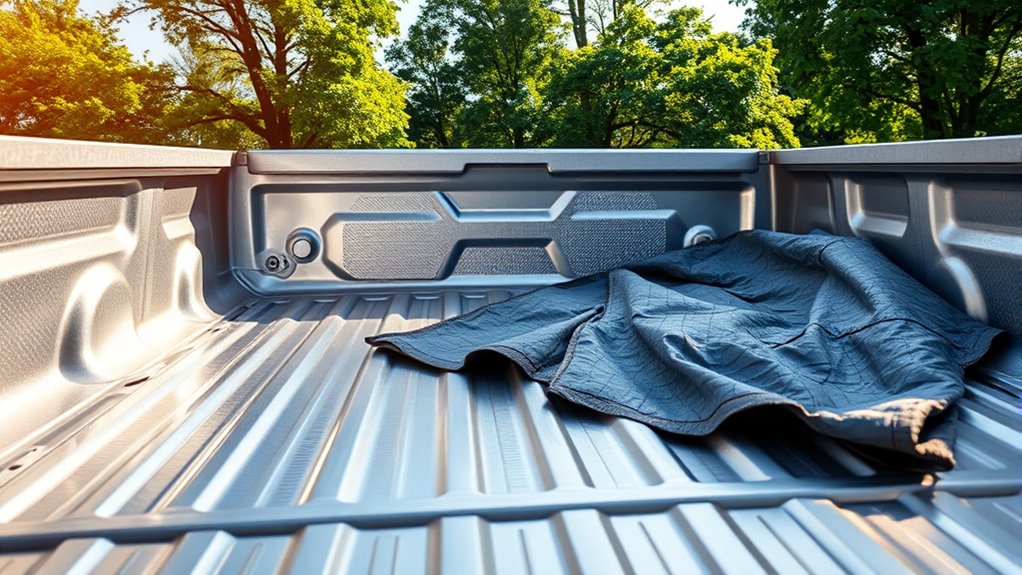
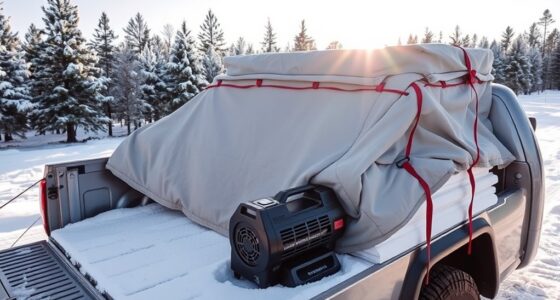
To effectively safeguard your truck bed during hurricane season, you should waterproof and protect its surface. Start by applying a high-quality waterproof spray or sealant designed for truck beds. This creates a moisture-resistant barrier that prevents water from seeping in through scratches or porous areas. Cover your truck bed with tarps or fitted waterproof covers during heavy rain, securing them tightly with cords or ratchet straps to prevent wind from lifting them. Store loose items in waterproof containers to avoid water damage and loss. Avoid placing absorbent materials like cardboard, which can retain water and accelerate rust. Regularly inspect your protective coatings and covers, reapplying or adjusting them as needed to make certain your truck bed remains dry and protected throughout hurricane season. Additionally, consider ventilation considerations to prevent moisture buildup underneath covers, reducing the risk of rust and mold formation.

Outngo Truck Bed Cargo Bag-Waterproof Luggage Bag For Truck Bed 26 Cu. Ft Heavy-Duty PVC Truck Bed Waterproof Storage Fits Any Truck Size Dual Opening 4 Stretch Cord 2 Combination Lock (50"x40"x22")
WEATHERPROOF TRUCK BED STORAGE FOR FAMILY TRAVEL – Designed for road trips, camping, and outdoor adventure, this 26…
As an affiliate, we earn on qualifying purchases.
As an affiliate, we earn on qualifying purchases.
Secure and Organize Emergency Supplies

You need to stock your truck bed with essential hurricane supplies like water, non-perishable food, and first-aid kits. Use secure storage containers or compartments to keep everything organized and prevent shifting during high winds. Properly securing your supplies guarantees quick access and safety when you need them most. Incorporating proper mounting techniques can further enhance the stability of your gear during a storm.
Stock Essential Items
Securing and organizing emergency supplies in your truck bed guarantees quick access during a storm and prevents items from shifting or becoming hazards. First, gather your essential items: nonperishable food, water, and a first-aid kit. These form the foundation of your emergency response. Second, include practical tools like flashlights, batteries, and rain gear, making sure you’re prepared for various situations. Third, store fuels, chargers, and spare batteries in waterproof containers or secured compartments to prevent spills and water damage. Keep everything in designated, easily accessible spots to avoid searching during an emergency. Additionally, consider incorporating essential oils that promote calmness and reduce stress during emergencies. By organizing these essentials properly, you ensure your truck bed remains a reliable, safe storage space, ready to support you through hurricane season.
Use Secure Storage
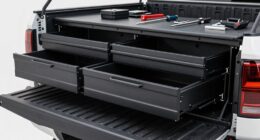
Organizing emergency supplies in your truck bed guarantees quick access when seconds matter. Use secure storage options like weatherproof containers or sturdy bins to keep items protected from water and wind. Designate specific compartments for essentials such as first-aid kits, flashlights, batteries, and nonperishable food, so you can find them easily during a crisis. Fasten all containers tightly to prevent shifting or spilling during heavy winds or sudden stops. Consider installing lockable storage boxes to keep valuable or sensitive gear safe from theft or tampering. Label each container clearly for quick identification. Keep frequently used items within reach, and store less-needed supplies in the back or lower sections. Proper organization ensures your emergency gear stays in good condition and ready when you need it most. Additionally, vehicle organization can help you optimize space and ensure everything stays secure during transit.

Permatex® Plastic Tank Repair Kit
State-of-the-art components
As an affiliate, we earn on qualifying purchases.
As an affiliate, we earn on qualifying purchases.
Prepare Mechanical and Electrical Systems

Ensuring your mechanical and electrical systems are ready for hurricane season is essential for safe evacuation and post-storm recovery. First, check your tire condition and pressure to guarantee they’re suitable for emergency travel. Second, inspect the windshield wipers and fluid levels to maintain visibility during heavy rain. Third, test your battery and electrical systems, including truck bed lighting and tail lights, to confirm they work reliably during power outages or low visibility. Make sure the electrical connections are clean and free of corrosion, and replace any faulty bulbs or wiring. Confirm that all lights function properly, especially those critical for safety. These steps help ensure your truck operates smoothly when you need it most, minimizing breakdowns and maximizing safety during hurricane preparations. Additionally, reviewing your vehicle’s electrical systems for proper functioning can prevent unexpected failures when you need your truck the most.
Implement Flood and Wind Damage Prevention Measures
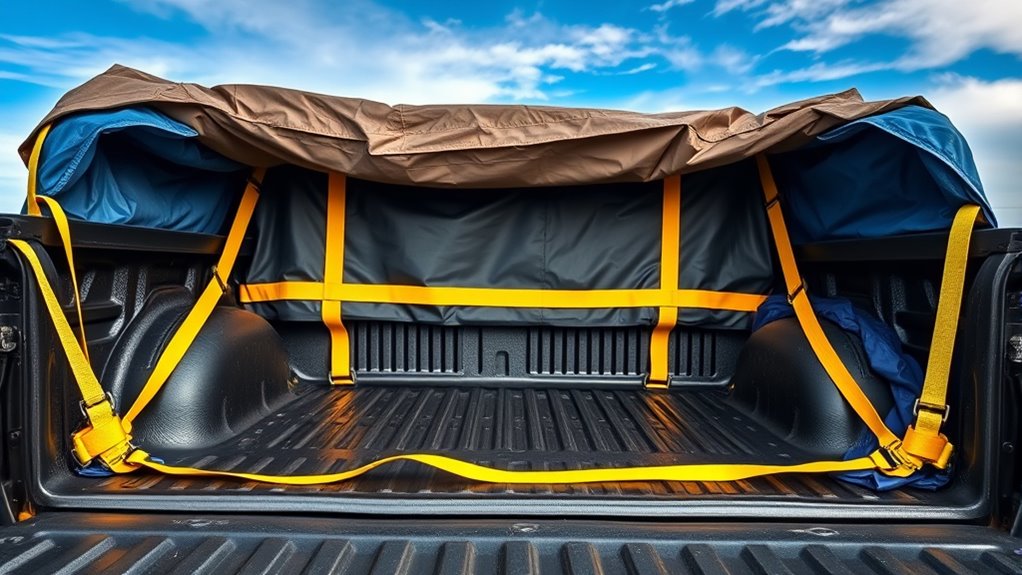
To effectively prevent flood and wind damage to your truck bed during hurricanes, you should deploy strategic barriers like sandbags or portable flood barriers. Place these barriers at key entry points to divert water and reduce pressure. Reinforce your truck bed cover with extra fasteners or straps to prevent wind uplift. Avoid leaving unsecured items that can become airborne debris. Whenever possible, park on elevated ground away from flood zones. Consider covering or removing detachable accessories that could be damaged or pose hazards. Use the following table to identify critical measures:
| Barrier Type | Purpose | Placement Tips |
|---|---|---|
| Sandbags | Flood protection | Seal gaps at bed edges |
| Portable Flood Barriers | Water diversion | Surround vulnerable areas |
| Extra Fasteners | Wind uplift prevention | Secure bed cover tightly |
| Secured Items | Reduce debris hazards | Store or tie down loose gear |
Additionally, regularly inspecting your storm preparedness measures ensures your truck bed remains secure throughout hurricane season.
Protect Detachable Accessories and Coverings

Before a storm hits, make sure to secure all loose components and remove vulnerable accessories from your truck bed. Reinforce cover fasteners to prevent them from coming loose in high winds, and take off any items that could become dangerous projectiles. Taking these steps helps protect your truck and surroundings during severe weather. Additionally, consider modern safety features that enhance your vehicle’s resilience during storms.
Secure Loose Components
Securing loose components and coverings on your truck bed is essential to prevent damage or dangerous hazards during storms. Loose items can become projectiles or cause damage to your truck or others. To stay safe, follow these steps:
- Tighten all fasteners, bolts, and screws on covers, racks, or attachments, ensuring they won’t loosen in high winds.
- Remove or secure detachable accessories like toolboxes, bike racks, or cargo carriers, so they don’t fly off or damage nearby vehicles.
- Cover any exposed items with waterproof tarps or secure coverings, fastening them tightly with cords or straps to prevent wind uplift.
- Proper securing techniques are crucial to ensure all items stay firmly in place during severe weather conditions.
Taking these precautions minimizes risks and keeps your truck and surroundings safe during severe weather.
Reinforce Cover Fasteners
Reinforcing cover fasteners is essential because high winds and storm debris can easily loosen or tear unsecured attachments, risking damage to your truck and nearby vehicles. Start by inspecting all fasteners, clips, and straps securing your truck bed cover or tarp. Tighten any loose bolts and replace missing or damaged fasteners immediately. Consider adding extra bungee cords, ratchet straps, or heavy-duty clips to bolster weak points. Ensure that the cover is tightly secured across all edges, especially at corners and seams. Avoid relying on a single fastener; multiple fasteners provide extra security against wind uplift. Regularly check these fasteners before the storm hits to prevent accidental loosening during high winds, keeping your truck and surrounding property safe. Additionally, understanding how to maintain a secure fit can help prevent damage and ensure your cover stays in place during severe weather.
Remove Vulnerable Accessories
Vulnerable accessories and coverings can become dangerous projectiles during a hurricane, so it’s essential to remove or secure them beforehand. First, check all detachable items like bike racks, toolboxes, and cargo nets. 1. Remove or tightly secure these items to prevent them from flying off or causing damage. Second, cover or remove any loose coverings, such as tarps or bed covers, that could be torn loose by wind. 2. Use strong fasteners or straps to keep coverings in place or take them off entirely. Third, examine smaller accessories like antennas or lights that can break free. 3. Remove or secure these to avoid flying debris or damage, ensuring your truck remains safe and intact during the storm. Additionally, understanding vehicle tech safety features can help you prepare your truck more effectively before a storm.
Upgrade Drainage and Ventilation Systems

Upgrading your truck bed’s drainage and ventilation systems is essential to prevent water accumulation and promote airflow, especially during hurricane season. Start by inspecting all drainage holes, clearing any debris or blockages to guarantee water can drain freely. Consider installing additional drain plugs or adding extra drainage points if necessary. Enhance ventilation by adding vents or screens that allow air to circulate, reducing moisture buildup inside the bed. Secure any existing vents to prevent wind damage. Installing mesh covers over drainage holes can stop debris from clogging the system while maintaining airflow. Proper drainage and ventilation help prevent rust, mold, and water damage, keeping your truck bed in prime condition and ready for storm events. Regular checks before hurricane season will ensure these systems operate effectively. Proper maintenance of these systems is crucial for long-term durability and protection.
Plan and Practice Emergency Deployment Strategies

Having your drainage and ventilation systems in top shape sets the stage for effective emergency responses. Once your truck bed is prepared, it’s vital to plan and practice deployment strategies. First, identify key locations where you’ll store essential supplies, guaranteeing quick access during a storm. Second, develop a clear step-by-step plan for loading and securing items, using designated compartments or straps to prevent shifting. Third, conduct regular drills to simulate storm scenarios, practicing rapid loading, securing, and deployment. This helps you identify potential delays or issues. Repeating these exercises builds confidence and ensures smooth execution when real emergencies strike. Consistent practice minimizes chaos and guarantees your truck bed is ready for swift, effective deployment during hurricane events. Additionally, understanding tool organization principles ensures your gear remains accessible and undamaged during urgent situations.
Conduct Post-Storm Inspection and Maintenance

After a storm passes, it’s essential to inspect your truck bed promptly to identify and address any damage. Start by checking for dents, scratches, or rust spots caused by debris or flooding. Drain any water accumulated in the bed to prevent rust and mold growth. Wash the truck bed thoroughly with fresh water to remove salt, dirt, and debris that can cause corrosion. Reinspect all locks, hinges, and tailgate mechanisms, lubricating them to ensure smooth operation. Look for loose or damaged cargo restraints and secure or replace them as needed. Examine the bed liner for tears or wear, repairing or replacing it if necessary. Restock emergency supplies that were used or expired during the storm, making certain everything is ready for future events. Additionally, consider inspecting your home charging setup to ensure your electric vehicle remains safe and ready for the next drive.
Frequently Asked Questions
How Often Should I Inspect My Truck Bed for Rust Before Hurricane Season?
You should inspect your truck bed for rust at least once every three months before hurricane season. Regular checks help catch early rust spots or corrosion, allowing you to treat them promptly. After heavy storms or flooding, inspect more frequently to prevent rust from spreading. Keep an eye on scratches or damaged areas, and use rust inhibitors or touch-up paint to maintain your truck bed’s integrity and prolong its lifespan.
What Types of Waterproof Sealants Are Best for Truck Beds?
You should choose high-quality, flexible waterproof sealants like rubberized or asphalt-based products for your truck bed. These sealants provide strong adhesion and excellent moisture resistance, protecting against rust and corrosion. Look for options labeled for automotive use and suitable for metal surfaces. Apply them evenly, following the manufacturer’s instructions, to guarantee a durable, watertight seal. Regularly inspect and reapply as needed, especially before hurricane season, to maintain peak protection.
How Can I Prevent My Emergency Supplies From Shifting During Storms?
To prevent your emergency supplies from shifting during storms, you should secure them with tight-fitting, sturdy containers or storage boxes designed for rough conditions. Use bungee cords, ratchet straps, or tie-downs to fasten these containers to the truck bed, ensuring they stay put even in high winds. Additionally, organize supplies in designated compartments to keep everything stable and easily accessible when needed, reducing the risk of movement or damage.
What Safety Precautions Should I Take When Deploying Flood Barriers From My Truck Bed?
When deploying flood barriers from your truck bed, make certain you wear gloves and protective gear to avoid injury. Secure the barriers with straps or cords to prevent shifting during deployment. Clear the area of obstacles and bystanders. Use caution when lifting or moving heavy barriers, keeping your back straight and lifting with your legs. Confirm the barriers are properly positioned before leaving the site, and stay alert to changing weather conditions.
How Do I Identify Hidden Damage After a Hurricane Impacts My Truck Bed?
After a hurricane, you should carefully inspect your truck bed for hidden damage. Look for dents, cracks, or rust spots that may not be obvious at first. Check for loose or missing bolts, damaged bed liners, or compromised drainage holes. Feel for warping or bending in the metal. Test the locks and hinges for proper function. Take photos of any damage for insurance claims and plan repairs promptly to prevent further issues.
Conclusion
By following these steps, you’ll guarantee your truck bed is ready to face the storm like a seasoned sailor braving the high seas. Think of it as donning your armor before the Battle of Hastings—preparing now can save you headaches later. Stay vigilant, keep supplies handy, and don’t forget to double-check your preparations. With a little effort, you’ll be back on the road faster than a flash of lightning, ready to conquer whatever Mother Nature throws your way.