To protect your truck bed from hail damage, park in a garage, carport, or use portable shelters and specialized hail covers with impact-absorbing materials. Fold mirrors and remove fragile accessories beforehand. Layer thick blankets or mats over the bed, secure them tightly, and apply paint protection film or vinyl wraps for added defense. Stay alert to weather forecasts and act quickly with quick-deploy covers or blankets when a storm approaches. Continuing further can help you master all effective strategies.
Key Takeaways
- Park in a garage, covered carport, or portable shelter to fully shield the truck bed from hail.
- Use specialized, multi-layered or inflatable hail covers secured tightly with straps or fasteners.
- Fold side mirrors and remove fragile accessories to reduce vulnerable surfaces during storms.
- Apply paint protection film or vinyl wraps to the truck bed for added dent and scratch resistance.
- Prepare protective blankets, mats, or cardboard panels in advance for quick deployment before hail begins.
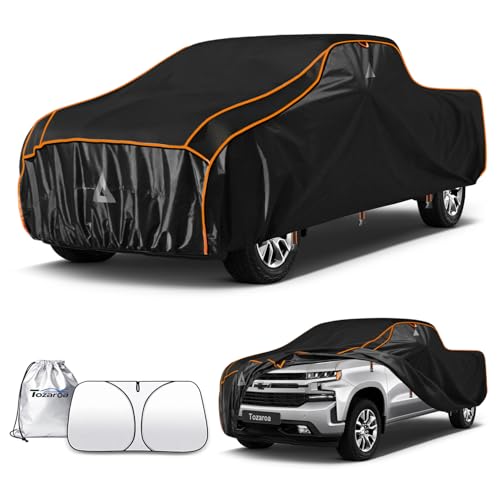
Hail Protector Car Cover for Truck(Length:242"-262") + Gift Windshield Sunshade, Multi-Layered EVA Hail Proof Car Cover, Padded Car Hail Protector F-150, Silverado, Ram, Sierra,Tundra, Tundra etc.
【Find Your Perfect Fit】Ensure maximum hail protection by choosing the right size! This hail protector car cover is…
As an affiliate, we earn on qualifying purchases.
As an affiliate, we earn on qualifying purchases.
Utilizing Garage and Shelter Options
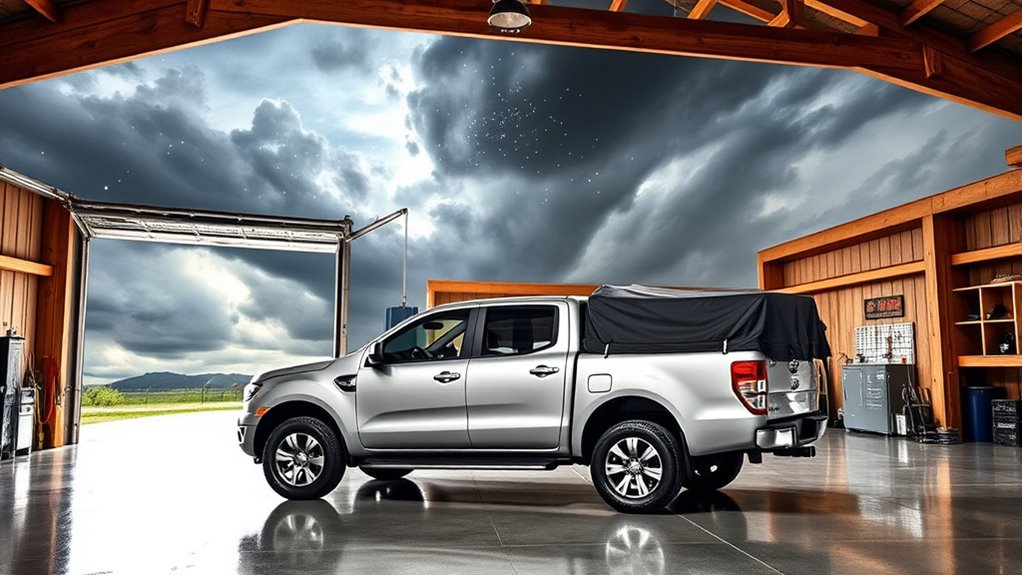
When a hailstorm approaches, parking your truck in a garage is the most effective way to safeguard the bed from damage. A garage shields your vehicle completely, preventing hail from striking any side. If a garage isn’t available, consider covered carports or portable shelters, which can still offer significant protection. You can also use roof-mounted plywood secured properly on vehicles with roof racks for localized impact resistance. Folding side mirrors reduces vulnerable surface areas, lowering the risk of damage to delicate parts. Keep a close eye on weather forecasts to ensure you have enough time to move your truck into a sheltered area before hail begins. Planning ahead and acting quickly are key to minimizing hail-related damage to your truck bed. Additionally, understanding vehicle protection options can help you choose the best method for safeguarding your truck in various situations.

VEVOR Versatility Camping Tent, Auto Canopy Sun Shade UV50+ PU3000mm, Car Tailgate Sun Shelter for Truck Bed, SUV, RV, Van, Trailer and Overlanding, Portable Teardrop Awning Canopy Tear Resistant Tarp
Car Awning Tent with Expansive Coverage: Our large 10×7 ft car side awning provides complete sunshade, effectively shielding…
As an affiliate, we earn on qualifying purchases.
As an affiliate, we earn on qualifying purchases.
Choosing Effective Specialized Hail Covers

Choosing effective specialized hail covers is essential for providing reliable protection against hail damage, especially when you lack access to permanent shelters. These covers are designed with multi-layered or inflatable materials that absorb and disperse hail impact, reducing dents and cracks. Portable systems come in sizes tailored for trucks and SUVs, offering a customizable fit that stays secure during storms. Investing in a patented hail cover system ensures durability and reusability, giving you long-term protection. Use straps, bungee cords, or fastening mechanisms to secure the cover tightly, preventing displacement caused by wind. Look for covers with thick padding and water-resistant outer layers to guard against both hail and moisture damage. Proper selection and secure fastening maximize the cover’s effectiveness, keeping your truck bed safe from unpredictable hailstorms. Additionally, understanding the ventilation considerations can help prevent moisture buildup and mold, extending the lifespan of your protective covers.

RENEGADE Truck Bed Cargo Cover 8×6 ft – Heavy Duty, 6X Stronger, Waterproof, UV-Resistant, PFAS-Free – Tarp for Pickups, Trailers & Exterior Hauling Protection
INDUSTRIAL-GRADE TRUCK BED COVER: The 8×6 ft Renegade Cargo Cover is built for real work. Made from high-tensile…
As an affiliate, we earn on qualifying purchases.
As an affiliate, we earn on qualifying purchases.
Implementing Do-It-Yourself Bed Protection Techniques

Implementing do-it-yourself bed protection techniques offers a practical and cost-effective way to shield your truck from hail damage. Start by layering thick blankets or moving blankets over the bed, securing them tightly with bungee cords or straps to prevent shifting. For added protection, place heavy-duty cardboard panels over the blankets, ensuring they’re firmly fastened and cover all vulnerable areas. Rubber-backed mats can be positioned on top of the blankets for extra impact resistance. Combine these with a fitted vehicle cover to provide multiple layers of defense. Always secure everything tightly, especially around edges and corners, to resist wind. Before a storm, prepare your materials and practice quick deployment. Selecting appropriate materials based on their impact resistance can further enhance your protection. This approach minimizes hail impact and helps preserve your truck bed without breaking the bank.

Hail Blanket for Truck for GMC Sierra 1500 Denali Crew Cab Short Bed 2024,Hail Protector Car Cover Truck All Weather Pickup Full Hail-Proof Protection Cover Rain Snow UV(Black) a63
🚛 Year-Round All-Weather Protection:Hail Blanket for Truck for GMC Sierra 1500 Denali Crew Cab Short Bed 2024. This…
As an affiliate, we earn on qualifying purchases.
As an affiliate, we earn on qualifying purchases.
Applying Structural and Surface Safeguards
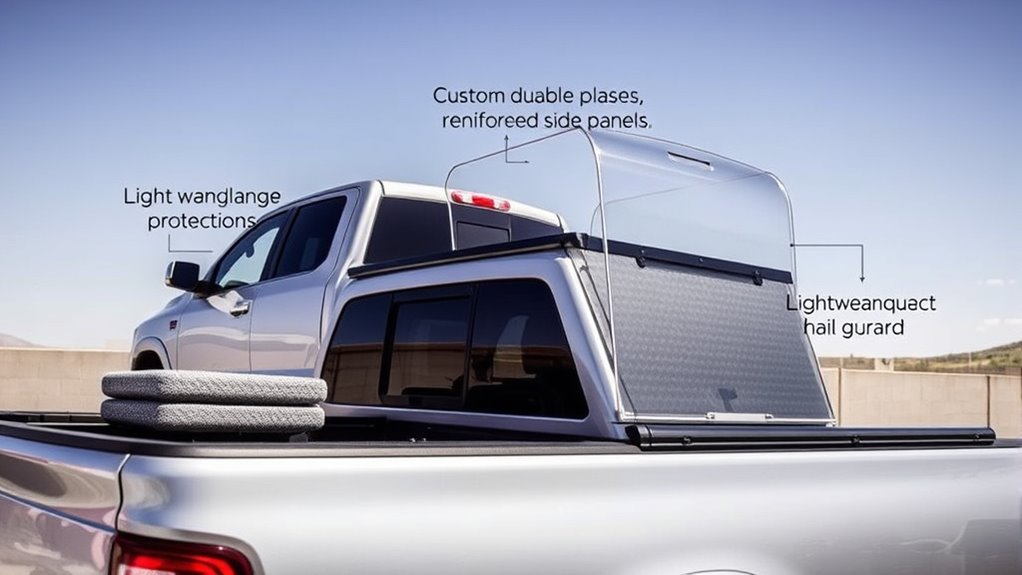
Applying structural and surface safeguards can considerably reduce hail damage to your truck bed by strengthening vulnerable areas and minimizing the impact of hailstones. Start by folding mirrors in to protect protruding parts. Applying paint protection film or clear vinyl wrap helps prevent minor dents and scratches. Regular washing and waxing improve the durability of your truck bed’s surface coatings, making them more resistant to impacts. Installing bed liners can offer slight cushioning, while securing tonneau covers provides a modest shield against hail. Consider these additional steps:
Protect your truck bed with impact-resistant coatings and secure covers to minimize hail damage.
- Use impact-resistant bed mats or padding
- Reinforce weak spots with protective coatings
- Secure covers tightly with straps or bungee cords
- Remove or secure fragile accessories before storms
- Check for and fix any surface damage regularly
- Utilize reliable whole-home backup power options to ensure your vehicle and equipment stay operational during severe weather events.
These measures create a layered defense, reducing hail’s damaging effects.
Timing and Planning for Storms

Being proactive about storm timing can considerably improve your chances of protecting your truck bed from hail damage. Stay alert to weather forecasts and hail alerts in your area. Regularly check trusted weather apps and local updates to anticipate storms. Prepare your protective gear—covers, blankets, or mats—so you’re ready to deploy quickly. Identify and designate a sheltered parking spot before storms hit. If possible, set reminders to move your truck into safety at the first sign of severe weather. Planning ahead minimizes exposure and reduces damage risk. Keep this table handy to track storm timing and preparation:
| Time to Act | Action | Equipment Needed |
|---|---|---|
| Before storm | Park in shelter | Cover, blankets |
| During storm | Secure covers | Straps, ropes |
| Post-storm | Inspect damage | Flashlight, camera |
| Ongoing | Monitor forecasts | Weather app |
Additionally, understanding storm preparation strategies can further enhance your ability to protect your vehicle effectively.
Selecting Materials and Securing Fasteners
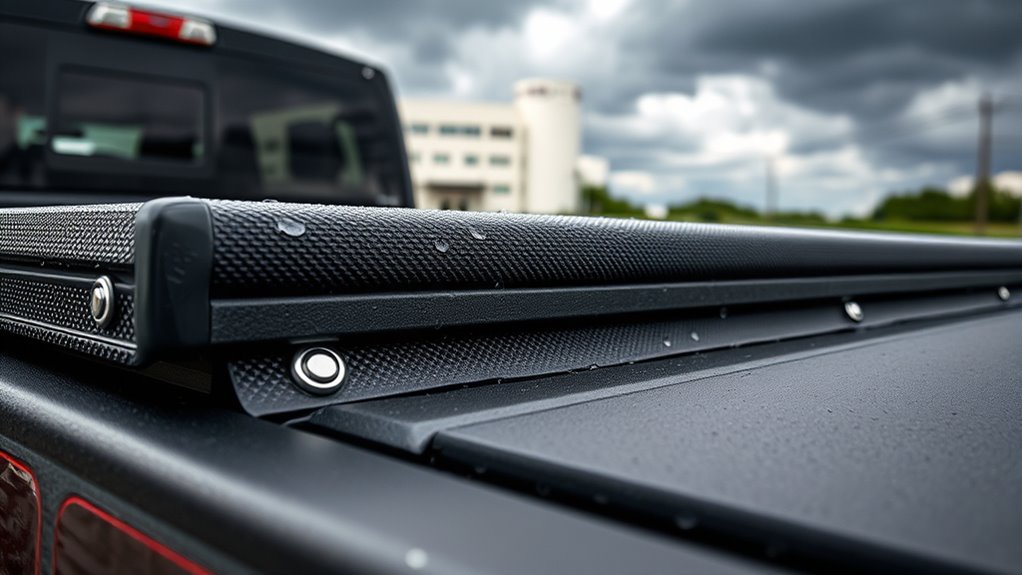
To keep your truck bed protected from hail, choose thick, durable fabrics that won’t disintegrate under impact or moisture. Secure your covers tightly using bungee cords, straps, or ropes to prevent wind from displacing them during storms. Opt for waterproof materials to make sure your protection stays effective even in rain or wet hail conditions. Additionally, consider using Free Floating systems that allow your cover to move naturally with wind and weather, reducing strain on fasteners.
Durable Fabric Choices
Choosing the right fabrics for your DIY hail protection is essential because thick, durable materials can withstand impact and moisture better than thin or cheap options. Look for fabrics like heavy-duty vinyl, reinforced polyester, ballistic nylon, or ripstop nylon, which resist tears and water absorption. These materials stay intact during hailstorms and protect your truck bed effectively. When selecting fabrics, consider their water resistance, impact strength, and weather durability. Secure your covers tightly using bungee cords, straps, or ropes to prevent displacement from wind. Overlap fabric edges to minimize exposed areas and ensure full coverage. Using water-resistant fabrics helps prevent saturation, maintaining the protective barrier even in rainy conditions. Additionally, understanding auditory processing can help you choose materials that minimize noise and vibrations caused by hail impact, further protecting your vehicle. Durable fabrics combined with proper fastening substantially enhance your hail protection.
Secure Fastening Methods
Selecting the right materials and securing fasteners are crucial steps in guaranteeing your hail protection stays in place during storms. Use thick, durable fabrics or padding that won’t disintegrate when wet. Choose water-resistant or waterproof materials to maintain protection during rain. Secure covers tightly with bungee cords, straps, or ropes, making sure they’re anchored to stable points on your truck bed. Overlap edges and fold excess material to prevent wind from lifting or shifting the cover. For added security, double-strap or double-clip fastenings around corners and edges. Regularly inspect fasteners before storms to guarantee they’re tight and undamaged. Proper fastening prevents displacement, reducing the risk of hail damage caused by loose or flapping covers during high winds. Proper fastening techniques are essential to withstand strong winds and ensure your cover stays firmly in place.
Waterproof Material Selection
Using waterproof materials is essential to guarantee your hail protection remains effective during stormy weather. You need durable fabrics that resist moisture and prevent saturation, which can weaken the barrier and expose your truck bed. Choose high-quality, water-resistant or waterproof fabrics like heavy-duty nylon or PVC-coated materials. These materials won’t tear or degrade under heavy hail or rain. Ensure your covers are properly sealed and secured with waterproof fasteners to keep moisture out. Incorporating connected equipment such as weather-resistant sensors can help monitor conditions and alert you to potential damage.
- Opt for thick, water-resistant fabrics like nylon or PVC-coated materials
- Use waterproof fasteners such as sealed straps or clips
- Overlap edges to prevent water ingress
- Secure all seams with waterproof tape or welding
- Avoid thin, non-waterproof materials that disintegrate when wet
Preparing Your Vehicle for Hail Season

Start by keeping an eye on weather forecasts so you can plan ahead. Gather and prepare your protective materials, like covers or blankets, before storms are near. Having your vehicle ready and materials on hand allows you to respond quickly when hail is imminent. Additionally, understanding manipulative tactics can help you stay alert to unexpected threats or risks during severe weather events.
Monitor Weather Forecasts
Monitoring weather forecasts is essential for effectively preparing your vehicle for hail season. By staying informed, you can act quickly to protect your truck bed before a storm hits. Regularly check local weather updates through reliable sources like apps, news stations, or weather websites. Sign up for alerts that notify you of severe weather or hail warnings in your area. Keep a calendar of storm seasons to anticipate high-risk periods. Planning ahead allows you to move your truck into a garage, covered shelter, or apply protective covers in time. Being proactive minimizes damage and saves you money. Remember, quick response makes all the difference in hail protection. Stay alert, stay prepared, and act promptly to shield your truck bed effectively.
Prepare Protective Materials
Preparing your protective materials in advance guarantees you’re ready to respond quickly when hail threatens. Gather high-quality, durable covers, blankets, and mats designed for impact resistance. Use thick, water-resistant fabrics like heavy-duty tarp or inflatable covers to absorb hail force. Secure all items tightly with straps, bungee cords, or ropes to prevent displacement in strong winds. Overlap blankets and covers around edges for full coverage and added protection. Consider layering padding for larger hail, increasing impact absorption. Remove fragile accessories and fold mirrors to reduce vulnerabilities. Keep emergency kits with extra covers and fastening tools in your vehicle. By organizing these materials beforehand, you’ll minimize damage and save time, ensuring you’re prepared to shield your truck bed swiftly during sudden hailstorms.
Tips for Quick Response During Severe Weather
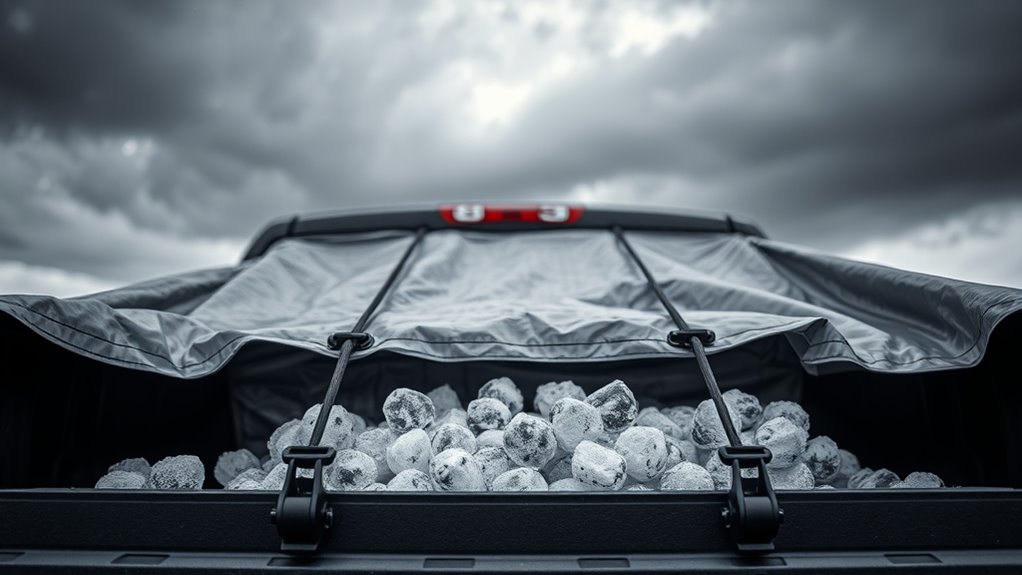
When severe weather suddenly strikes, acting quickly can make all the difference in protecting your truck bed from hail damage. Immediately move your vehicle to the nearest shelter or covered area. If none are available, deploy your prepared protective materials without delay. Quick action minimizes hail impact and prevents costly repairs. Keep these tips in mind:
Act quickly during storms to protect your truck bed from hail damage with prompt shelter or protective materials.
- Monitor weather alerts to stay informed about approaching storms.
- Have protective gear ready in your vehicle, like blankets or covers.
- Move your truck promptly into a garage, carport, or portable shelter.
- Secure loose items on or near your truck to prevent damage or loss.
- Use quick-deploy covers or blankets to shield vulnerable areas if time is limited.
Prompt response is key to reducing hail damage and safeguarding your truck bed effectively.
Frequently Asked Questions
How Long Before a Hailstorm Should I Deploy Protective Coverings?
You should deploy protective coverings about 30 to 60 minutes before a hailstorm is expected. Keep an eye on weather forecasts and alerts, and be ready to act quickly. If you notice hail starting or a storm approaching, don’t delay—fast action can prevent damage. Having your covers, blankets, or shelters prepared in advance makes it easier to protect your truck bed efficiently.
Are There Specific Truck Models Better Suited for Hail Protection?
Certain truck models with sturdy, reinforced beds and protective features are better suited for hail protection. If your truck has a durable, impact-resistant bed liner or a metal roof, it can withstand hail better. Consider models with customizable options like additional roof reinforcement or built-in protective coatings. Using a truck with a solid, high-quality construction, and adding extra shields like hail covers or blankets, improves your chances of minimizing hail damage effectively.
Can I Combine Multiple DIY Methods for Maximum Protection?
Yes, you can combine multiple DIY methods for maximum protection. Just like layering clothing keeps you warmer, stacking thick blankets, securing cardboard panels, and adding rubber-backed mats creates a stronger barrier against hail. Use straps or bungee cords to hold everything securely, ensuring no gaps. Combining these approaches not only disperses impact forces but also gives you peace of mind, reminding you that preparedness multiplies your chances of avoiding damage when storms strike unexpectedly.
What Is the Average Lifespan of Specialized Hail Covers?
Specialized hail covers typically last between 3 to 5 years with proper care. You can extend their lifespan by storing them in a cool, dry place when not in use and cleaning them regularly to prevent dirt and damage buildup. Avoid exposing the covers to sharp objects or rough handling, and ensure they’re securely fastened during storms. Proper maintenance helps maximize their protective potential and longevity.
How Do I Store Protective Materials During Off-Season Periods?
You should store your protective materials in a cool, dry place when not in use. Clean them thoroughly to remove dirt and moisture, then fold or roll them carefully to prevent creases or damage. Use airtight containers or dedicated storage bins to keep everything organized and protected from dust, pests, and humidity. Make sure they’re out of direct sunlight to preserve the materials’ integrity for next hail season.
Conclusion
Protecting your truck bed from hail damage might seem challenging, but with the right precautions, you can keep it safe. Whether you choose garage storage, specialized covers, or DIY techniques, preparation is key. Are you ready to take action before the next storm hits? By planning ahead and using these tips, you’ll save yourself time, money, and stress. Don’t let hail catch you off guard—your truck deserves the best protection you can give it!