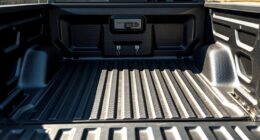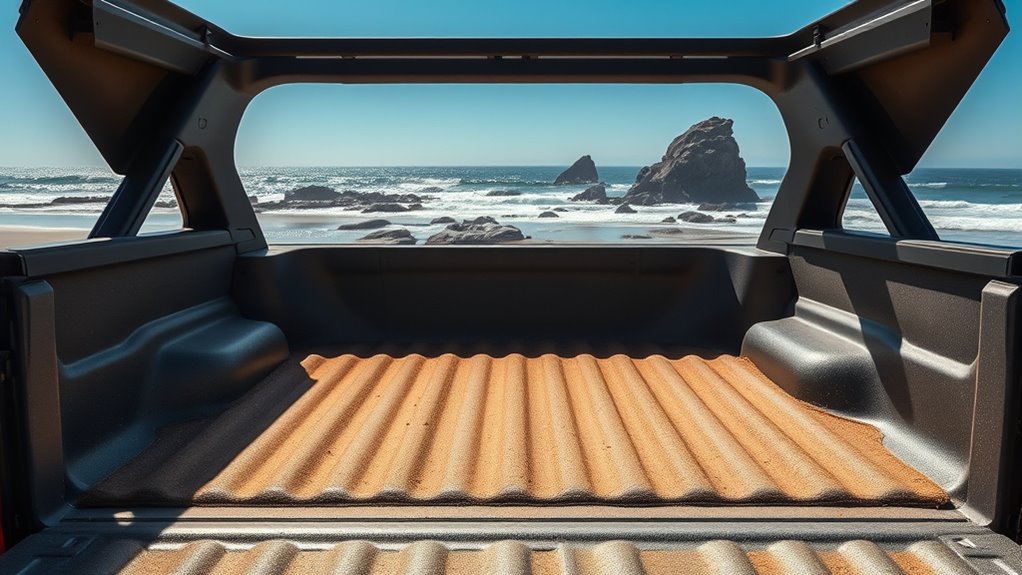

To protect your truck bed from salt air and sand in coastal living, regularly wash it with fresh water to rinse away salt and debris. Apply protective coatings like spray-on liners or polyurethane coatings to create a barrier against corrosion. Consider high-impact polyethylene liners for extra durability, and use salt-specific products to treat equipment. Consistent maintenance, sealing, and proper protective choices can substantially extend your truck’s lifespan—exploring these options further can help you keep your truck in top shape.
Key Takeaways
- Regularly rinse the truck bed with fresh water after coastal drives to remove salt and sand buildup.
- Apply protective sealants or coatings, such as polyurethane or polyethylene liners, to create a barrier against salt and abrasive particles.
- Use impact-resistant, corrosion-proof bed liners to prevent scratches, dents, and rust from sand and salt spray.
- Maintain equipment and moving parts with salt-specific lubricants and encapsulating sealants to prevent seizure and corrosion.
- Conduct routine inspections for paint chips or rust spots, and promptly reseal or repair affected areas to prolong bed lifespan.
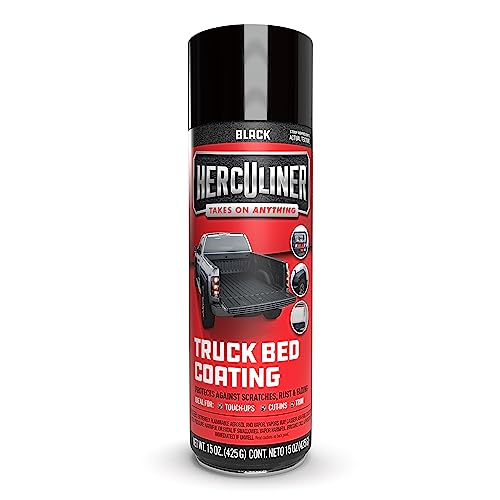
Herculiner Aerosol Spray Truck Bed Liner, 15 Ounce Spray Can, Black, Textured, Suitable For All Truck Beds, 6-7 sq ft Coverage
Herculiner "Original" Truck Bed Liner Aerosol protects against scratches, rust & fading for use as a touch-up or…
As an affiliate, we earn on qualifying purchases.
As an affiliate, we earn on qualifying purchases.
Understanding the Impact of Salt Air and Sand on Your Truck Bed

Salt air and sand pose significant threats to your truck bed, especially in coastal environments. The salty air accelerates oxidation of exposed metal surfaces, leading to rust formation that weakens your truck’s structure over time. Sand particles can scratch and scuff the paint, creating tiny chips that allow moisture and salt to seep underneath, speeding up corrosion. Brake and fuel lines in the undercarriage are particularly vulnerable to salt-induced rust, which can cause costly failures. Unprotected surfaces are more prone to scratches and dents, exposing bare metal. Additionally, plastic drop-in liners may rub against your truck bed, damaging paint and creating pathways for rust. Understanding these impacts helps you recognize the importance of proactive protection against the harsh coastal elements. Implementing protective measures can significantly extend the lifespan of your truck bed in salty environments.

Rust-Oleum 248914 Automotive Truck Bed Coating Spray, 15 oz, Black
Ideal for use on truck beds, trailer floors, fenders and other metal surfaces
As an affiliate, we earn on qualifying purchases.
As an affiliate, we earn on qualifying purchases.
Choosing the Right Protective Coatings for Coastal Conditions

Living near the coast demands choosing protective coatings that can withstand salt spray, sand, and high humidity. You need a barrier that resists corrosion and keeps your truck bed looking new. Consider polyurethane spray-on coatings for a durable, seamless shield that prevents rust and chips. Alternatively, high-quality roll-on liners offer impact resistance and flexibility. Think about the following options:
| Coating Type | Benefits | Best For |
|---|---|---|
| Spray-On Liners | Seamless, impact-resistant | Heavy use, impact protection |
| Polyurethane Coatings | Rust-proof, long-lasting | Salt-heavy environments |
| Polyethylene Liners | Abrasion-resistant, impact absorption | Heavy loads, sand exposure |
Choosing the right coating is crucial because corrosion resistance ensures your truck remains protected against the harsh coastal elements and prolongs its lifespan.

Husky Liners Custom Bed Liner | Fits 2015-2024 Ford F-150, Includes 22-24 Lightning Crew/SuperCrew (67.1 Bed) | 1-pc. Black – 16008
CUSTOM FITMENT | Fits 2015 – 2024 Ford F-150, 5'7" Bed; 2022 – 2024 Ford F-150 Lightning, 5'7"…
As an affiliate, we earn on qualifying purchases.
As an affiliate, we earn on qualifying purchases.
Benefits of Spray-On Bed Liners for Salt and Sand Resistance
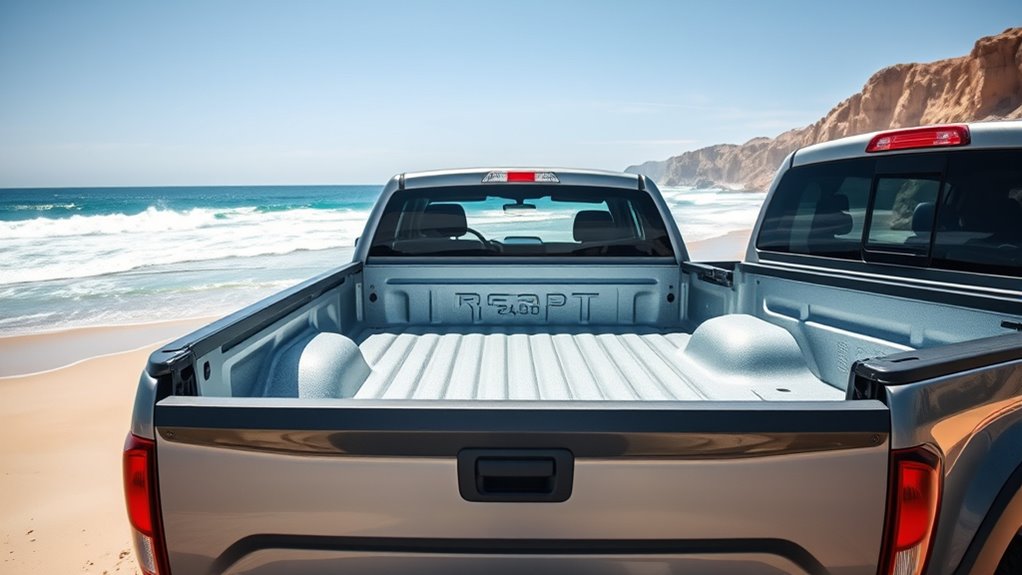
Spray-on bed liners create a seamless salt barrier that prevents corrosion from salt spray and sand abrasion. They offer excellent impact and scratch resistance, protecting your truck bed from daily wear and coastal hazards. Plus, with customizable colors and textures, you can choose a protective solution that matches your style and needs. Additionally, air quality is an important factor to consider when selecting protective coatings, as proper application can help reduce the buildup of harmful particles and ensure a healthier environment.
Seamless Salt Barrier
Seamless spray-on bed liners offer a powerful defense against the corrosive effects of salt and sand commonly encountered in coastal environments. Their continuous, uniform coating eliminates gaps and seams where moisture, salt, and debris can collect, preventing rust and deterioration. Unlike drop-in liners or patchy coatings, a seamless barrier guarantees complete coverage of your truck bed, including hard-to-reach corners and edges. This airtight seal resists cracking, chipping, and peeling, maintaining its protective integrity over time. The durable polyurethane material absorbs impacts from shifting cargo and resists abrasion caused by abrasive particles like sand. Additionally, proper maintenance and regular inspections help ensure the liner’s longevity and ongoing effectiveness in harsh coastal conditions. With regular maintenance, a seamless spray-on liner provides long-lasting protection, preserving your truck’s value and functionality in harsh coastal conditions.
Impact and Scratch Resistance
Impact and scratch resistance are key advantages of spray-on bed liners, especially in harsh coastal environments where salt and sand can quickly cause damage. These liners create a tough, durable barrier that absorbs impacts from shifting cargo or accidental drops, preventing dents and chips. Their flexible formula also resists scratches from gravel, sand, and debris, keeping your truck bed looking new longer. Unlike plastic drop-in liners, spray-on coatings bond directly to the metal surface, offering superior protection without rubbing or chipping. This seamless coverage helps prevent cracks that can allow rust to form underneath. Overall, spray-on bed liners provide a resilient shield that maintains your truck’s integrity against the daily wear and tear caused by sand, salt, and rough handling in coastal conditions. Additionally, proper maintenance techniques can extend the lifespan of your liner and ensure ongoing protection.
Customizable Protection Options
Because salt and sand can cause significant damage to your truck bed, choosing a protective solution that can be tailored to your needs offers clear advantages. Spray-on bed liners provide customizable protection, with options for color, texture, and thickness. You can select a finish that matches your style or enhances durability against abrasions and salt spray. These liners form a seamless, air-tight barrier that resists cracking and peeling, ensuring long-lasting defense. To help you decide, here’s a quick comparison:
| Feature | Benefit |
|---|---|
| Color options | Match your truck’s look |
| Texture choices | Improve grip and impact resistance |
| Thickness levels | Customize protection against wear |
| Finish durability | Extend lifespan in coastal environments |
This flexibility guarantees your truck bed stays protected, no matter your specific needs. Customizable protection options like spray-on bed liners are ideal for maintaining your truck’s integrity in harsh coastal conditions.

Seymour 20-41 Truck Bed Coating, Black, 15 Ounce, Packaging May Vary
Suggested uses: truck beds, trailers, vehicle panels, wheel wells and repair existing liner coatings
As an affiliate, we earn on qualifying purchases.
As an affiliate, we earn on qualifying purchases.
DIY Solutions for Maintaining Your Truck Bed in a Coastal Environment
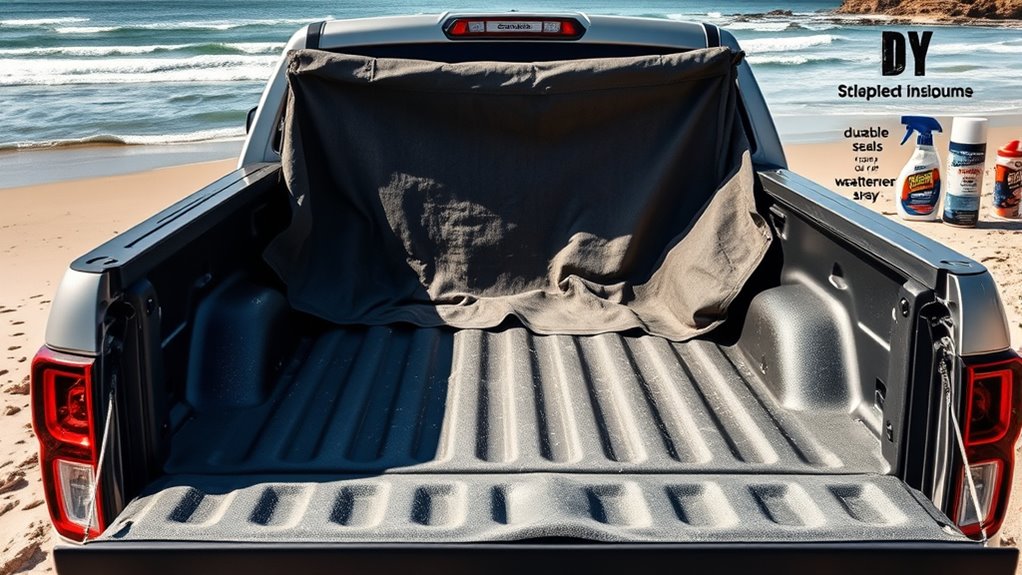
To keep your truck bed protected from salt and sand, regular removal of salt buildup is essential—hosing it down after drives on the coast can prevent corrosion. Applying a protective sealant creates a barrier that guards against moisture and salt penetration, extending the lifespan of your bed. Using durable bed liners, like roll-on coatings or polyethylene options, adds an extra layer of defense against scratches, impacts, and corrosive elements. Incorporating Free Floating techniques can help prevent debris from settling and causing damage over time.
Regular Salt Removal
Ever wonder how to keep salt from damaging your truck bed in coastal environments? Regular salt removal is essential to prevent corrosion and rust. The key is frequent washing with fresh water, especially after exposure to salt spray or mud. This helps wash away salt residues that can erode metal surfaces over time. Using a garden hose with a high-pressure nozzle makes this task easier. For stubborn salt deposits, a soft brush can help scrub away build-up without scratching the surface. Remember to focus on hidden areas like wheel wells and undercarriages. To maximize protection, follow up with a wax or sealant to create a barrier against future salt intrusion. Consistent maintenance is your best defense against salt damage and extending your truck bed’s lifespan. Incorporating expert voice actors into instructional videos can make these maintenance steps more engaging and easier to follow.
Protective Sealant Application
Wondering how to defend your truck bed from relentless salt exposure? Applying a protective sealant is an effective DIY solution. Start by thoroughly cleaning the surface with water and a degreaser to remove dirt, salt, and debris. Once dry, choose a high-quality sealant designed for metal and painted surfaces—look for products with waterproof, UV-resistant, and corrosion-inhibiting properties. Use a brush, roller, or spray to evenly coat the entire bed, paying close attention to seams and edges. Allow the sealant to cure completely as per the manufacturer’s instructions before exposing your truck to salt spray or sand. Regular sealing creates a barrier that prevents salt and moisture from penetrating, markedly reducing rust risk. To ensure long-lasting protection, consider dog-friendly sealants that are safe around pets and environmentally friendly. Reapply every six months or after heavy cleaning to maintain ideal protection.
Durable Bed Liners
In coastal environments where salt and sand constantly threaten your truck bed, installing a durable DIY liner can be a game-changer. It offers a tough barrier that resists impacts, scratches, and corrosion from harsh elements. Roll-on and spray-on liners are popular choices, providing customizable textures and colors while creating a protective layer. These liners adhere well to metal, primer, and paint, preventing rust and damage. They’re easy to apply with basic tools and require minimal prep. Regular maintenance, like washing and sealing, enhances their effectiveness. For added protection, polyethylene liners offer impact resistance and a seamless surface that handles abrasive materials. Combining these liners with routine cleaning keeps your truck bed protected in salt-laden environments. Contrast ratio plays a role in how well the liner’s surface reflects light and maintains appearance over time.
Regular Cleaning and Sealants to Prevent Rust and Corrosion

Regular cleaning is essential to prevent salt and debris from accumulating on your truck bed and undercarriage, which can lead to rust and corrosion over time. Use a garden hose to rinse off salt, mud, and grime after driving near the coast. Focus on the underside, wheel wells, and seams, especially before winter. Refrain from using recycled water at commercial washes, as it may contain salt. After cleaning, apply a high-quality wax or sealant to create a protective barrier against moisture and salt buildup. Sealants should be applied before winter to block salt penetration and preserve your truck’s metal surfaces. Regular maintenance helps catch early signs of corrosion, extending your truck’s lifespan and keeping it looking good despite salty coastal conditions. Proper maintenance also involves inspecting for any damage or chips in the paint that could expose metal to the elements.
Utilizing High-Performance Polyethylene Liners for Extra Durability
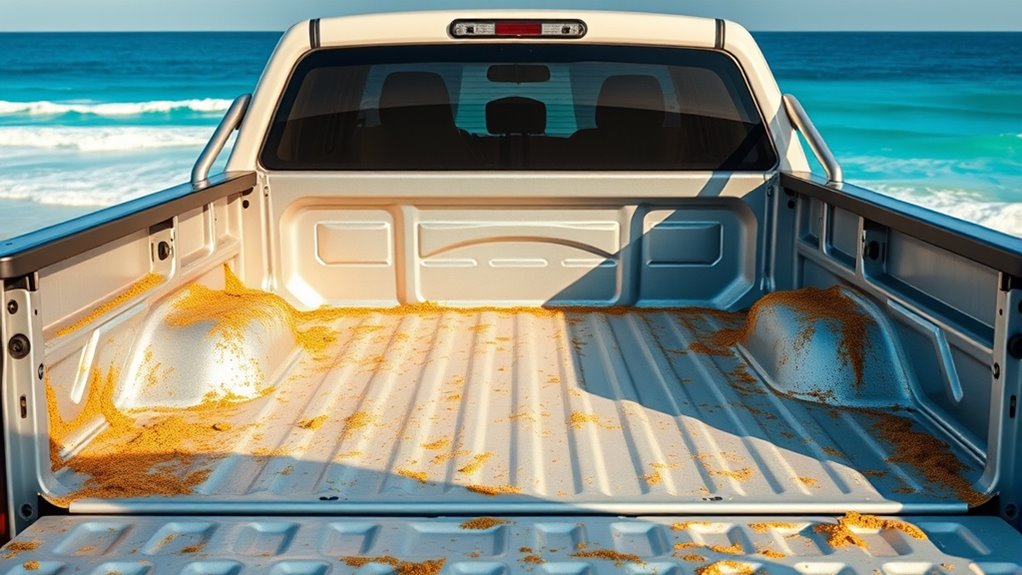
High-performance polyethylene liners, particularly those made from Ultra High Molecular Weight Polyethylene (UHMW-PE), offer unparalleled durability for your truck bed in salty coastal environments. They create a tough, seamless barrier that resists impact, abrasion, and corrosion from salt and sand. These liners are designed to stay in place, reducing the risk of damage from shifting cargo or rough materials. Their high resistance to chemicals and moisture makes them ideal for unloading challenging loads without deterioration. Plus, UHMW-PE liners are low-maintenance, easy to clean, and do not require frequent replacement. You’ll benefit from increased truck bed longevity and better protection against the harsh coastal elements.
- Seamless, durable construction resists impact and abrasion
- Prevents rust and corrosion caused by salt and sand
- Reduces maintenance and replacement costs
- Supports heavy and abrasive loads efficiently
Applying Salt-Specific Products to Safeguard Your Equipment
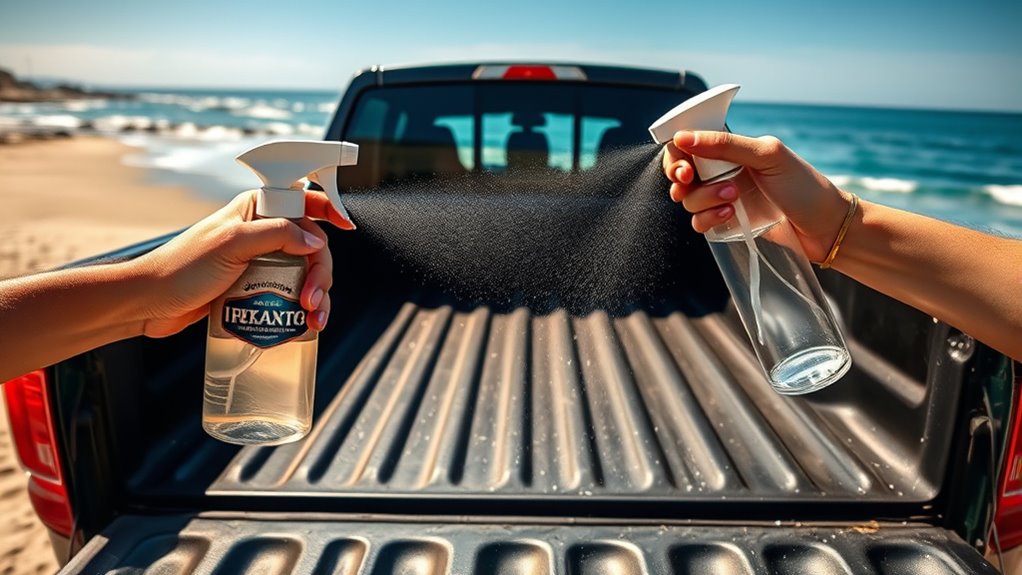
Applying salt-specific products is essential for protecting your equipment from the corrosive effects of salt and moisture. Start by using encapsulating sealants and lubricants designed to form a barrier against oxygen, moisture, and salt residue. These products prevent corrosion and help maintain the integrity of metal surfaces. For salt spreaders, LUBRA-SEAL proprietary coatings are highly effective, especially when applied before storage or during use. Ensure you coat all moving parts, augers, and drag chains to prevent seizure and wear. Additionally, flexible polymer skins, like those made from moly lubricants, provide lasting protection without leaving tacky residues or washing off in harsh conditions. Regular application of these products keeps your equipment protected, extends its lifespan, and minimizes costly repairs caused by salt damage. Incorporating attention to detail in your maintenance routine helps identify potential issues early and maintain optimal equipment performance.
Frequently Asked Questions
How Often Should I Reapply Protective Coatings in Coastal Areas?
You should reapply protective coatings every 1 to 2 years in coastal areas. Regularly inspect your truck bed for signs of wear, scratches, or corrosion, especially after harsh weather or winter. Clean the surface thoroughly before reapplication, and consider applying sealants or coatings more frequently if you notice any damage or salt buildup. Consistent maintenance helps prevent rust and prolongs your truck bed’s lifespan in salty environments.
Can Plastic Bed Liners Cause More Rust Damage Over Time?
Think of plastic bed liners as double-edged swords. While they protect your truck bed from scratches and impacts, they can trap moisture and dirt underneath, acting like a hidden rust party. Over time, this trapped moisture accelerates rust formation, especially if the paint underneath is compromised. To avoid this, regularly check for debris, clean thoroughly, and consider a protective coating or a different liner material to keep your truck rust-free.
Are DIY Bed Liner Applications as Effective as Professional Spray-On Coatings?
DIY bed liner applications can be effective if you follow proper preparation, cleaning, and application steps. They offer good impact and scratch resistance, especially with flexible formulas that resist UV and water damage. However, professional spray-on coatings generally provide a more durable, seamless barrier with better adhesion and longer-lasting protection against rust, salt spray, and abrasions. If you’re meticulous and experienced, DIY can work; otherwise, professional installation ensures maximum protection.
What Are the Best Methods to Detect Early Rust on Truck Beds?
To detect early rust on your truck bed, regularly inspect the surface for tiny reddish-brown spots or discoloration, especially in hidden areas and seams. Feel for any roughness or bubbling paint that indicates underlying corrosion. Use a flashlight to spot shadows or pits, and consider tapping suspicious spots lightly with a metal tool; a dull sound may signal rust beneath the paint. Catching rust early helps you address it before it spreads.
How Do Temperature Fluctuations Affect the Durability of Protective Coatings?
Did you know temperature swings of over 50°F can weaken protective coatings? When temperatures fluctuate sharply, coatings expand and contract, creating microcracks that allow salt and moisture to reach metal surfaces. Over time, this compromises the coating’s integrity, increasing rust risk. To maintain durability, choose high-quality, flexible coatings designed for variable temperatures, and regularly inspect and reapply protective layers, especially after extreme weather changes.
Conclusion
Living near the coast means constantly battling salt air and sand, which can cause serious damage to your truck bed. Did you know that salt causes over 90% of corrosion on vehicles? By choosing the right protective coatings, regularly cleaning, and using durable liners, you can keep your truck in top shape for years. Stay proactive, and your truck will withstand coastal conditions—saving you time and money on costly repairs down the road.