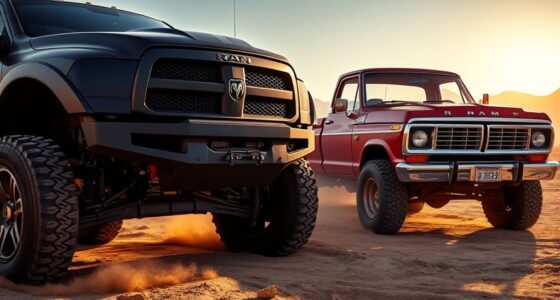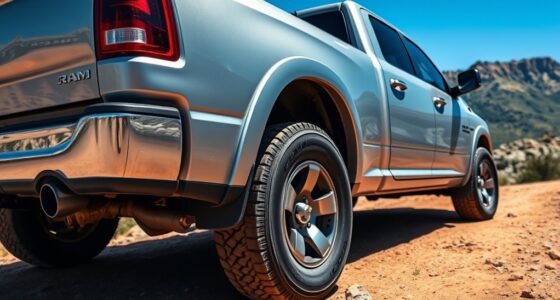
If you’re comparing Ram’s coil suspension to Chevy’s leaf springs, you’ll find that Ram offers a smoother ride and better off-road flexibility, thanks to its multi-link coil design. Chevy’s leaf springs excel in durability and heavy-duty tasks, making them ideal for towing and hauling. Each has its strengths depending on your needs, but there’s more to discover about how these systems impact performance and longevity. Keep exploring to find out which setup suits your driving style best.

Get garage and car supplies delivered free — and shop member deals
- Fast, free delivery on millions of items
- Access to Prime Big Deal Days deals on October 6–7
- Prime Video, Amazon Music and more included
Key Takeaways
- Ram’s coil suspension offers a smoother ride and better off-road articulation than Chevy’s leaf springs.
- Leaf springs provide higher load capacity and durability, ideal for heavy-duty towing and hauling.
- Coil suspensions improve handling, reduce body roll, and enhance responsiveness during dynamic driving.
- Leaf springs are simpler, more durable, and better suited for demanding commercial and heavy-duty applications.
- Technological advancements like air assist systems in coil suspensions enhance load support and ride comfort.
As an affiliate, we earn on qualifying purchases.
Suspension Design Foundations: Coil Springs vs. Leaf Springs
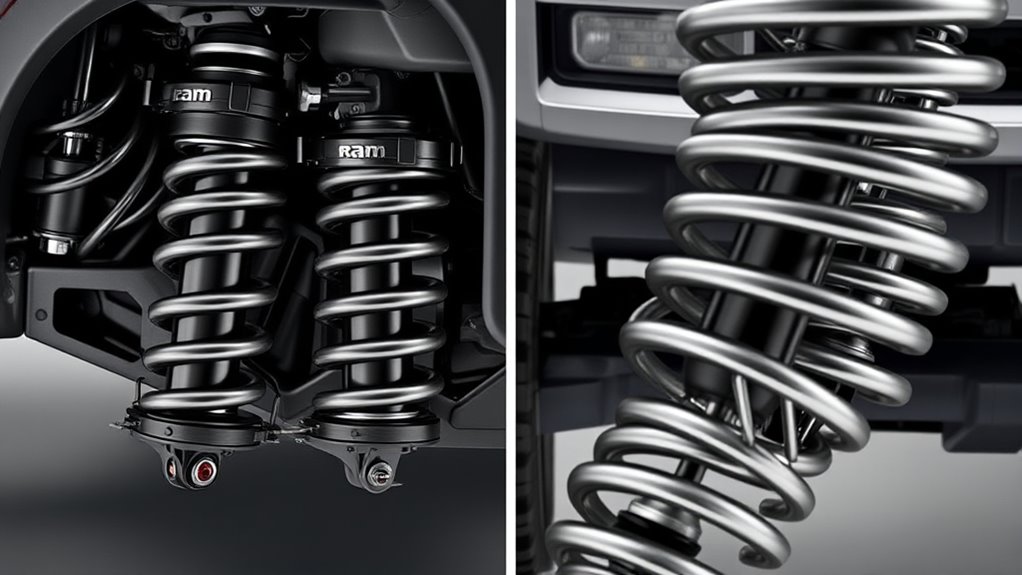
When comparing suspension designs, understanding their fundamental differences helps you see how each system affects ride quality and performance. Coil springs, like those in Ram 1500, use helical springs that allow for more wheel articulation and smoother movement over bumps. They often work with multi-link setups, improving handling and reducing body roll. In contrast, Chevy Silverado’s rear leaf springs are made of stacked metal strips that provide rigidity and excellent load-carrying capacity. Leaf springs are simpler and more durable under heavy loads, but they tend to transmit more road shocks, resulting in a stiffer ride. Coil springs are more flexible and better at absorbing road imperfections, while leaf springs prioritize load stability and durability, especially for heavy-duty tasks. Suspension design impacts not only ride comfort but also the truck’s capability to handle different terrains and loads effectively, with load-carrying capacity being a key factor in selecting the appropriate suspension system. Additionally, maintenance requirements can differ significantly between these systems, and understanding their long-term durability can help owners make informed decisions. Moreover, cost considerations often influence the choice between coil and leaf spring suspensions, as each system varies in initial price and repair expenses.
Chevy leaf spring replacement parts
As an affiliate, we earn on qualifying purchases.
As an affiliate, we earn on qualifying purchases.
Impact on Ride Comfort and On-Road Handling
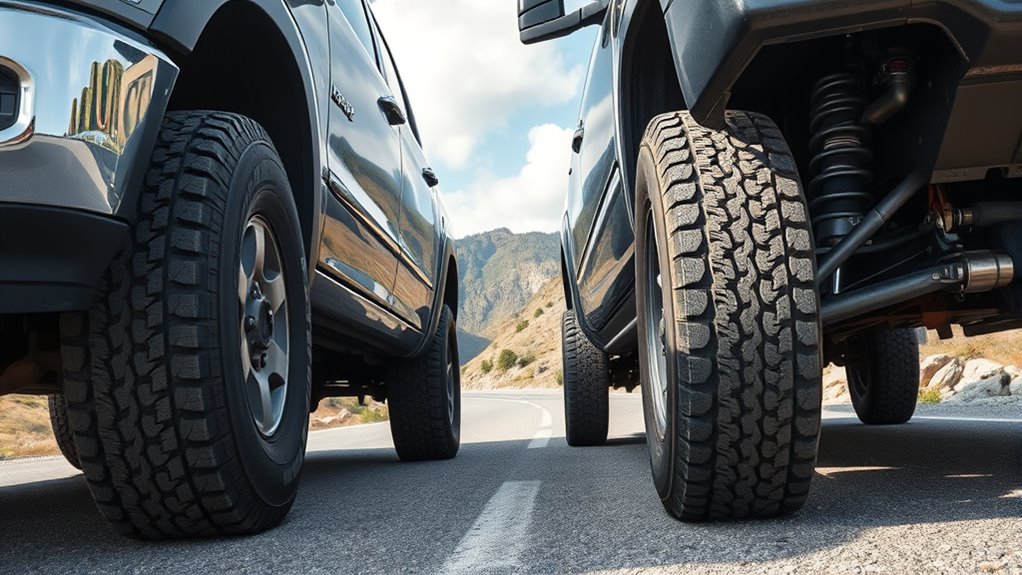
When it comes to ride comfort and handling, coil springs typically deliver a smoother experience by absorbing bumps more effectively. You’ll notice better stability and less body roll during turns, thanks to their design. On uneven roads, coil suspensions adapt more quickly, providing a more controlled and comfortable ride. Additionally, coil springs contribute to overall suspension efficiency, enhancing vehicle performance and driver confidence.
Smoother Ride Quality
Coil springs considerably enhance ride comfort and on-road handling by providing a smoother response to bumps and road imperfections. When driving over uneven surfaces, you’ll notice less jarring and more absorption of shocks, making your ride more comfortable. Unlike leaf springs, coil setups flex and adapt better to road irregularities, reducing the harshness transmitted to the cabin. Multi-link coil suspensions further improve this experience by minimizing body roll and ensuring a steadier ride. If you often drive unloaded or on paved roads, coil springs deliver a notably smoother, more compliant feel. This setup also helps you maintain better control and confidence, especially on rougher terrain, by allowing each wheel to react independently. Additionally, the flexibility of coil springs can contribute to improved durability and longevity of the suspension system. Overall, coil suspensions significantly boost ride quality for daily driving and on-road comfort.
Handling Stability Dynamics
Handling stability is crucial for maintaining control and confidence on the road, and the suspension design plays a key role in this. Coil springs, especially with multi-link setups, provide better on-road handling by reducing body roll and improving responsiveness. They allow the wheels to stay in contact with the surface more effectively, offering a smoother, more predictable ride. This results in sharper steering and enhanced stability during cornering or quick maneuvers. In contrast, leaf springs tend to be stiffer and less adaptive, which can compromise handling finesse, especially on uneven pavement. While leaf springs excel at load-bearing stability, they often transmit more road shock, reducing overall control. Proper suspension setup and maintenance also play vital roles in ensuring optimal handling stability, as they influence how well the suspension components perform under varying conditions and loads, ultimately enhancing vehicle safety. Additionally, the dynamic response of coil suspensions helps improve overall vehicle behavior during different driving scenarios.
Road Imperfection Absorption
Because coil spring suspensions are more flexible, they excel at absorbing road imperfections, resulting in a smoother ride and better control on uneven surfaces. You’ll notice fewer jarring impacts, especially over bumps and potholes. The multi-link coil setup allows wheels to move independently, smoothing out rough patches and maintaining stability. In contrast, leaf springs transmit more shock to the cabin, leading to a stiffer ride. This difference impacts on-road handling, with coil suspensions offering improved comfort and agility. Here’s a comparison: Free Floating
off-road coil spring suspension system
As an affiliate, we earn on qualifying purchases.
As an affiliate, we earn on qualifying purchases.
Load-Bearing Capacity and Durability in Heavy-Duty Use
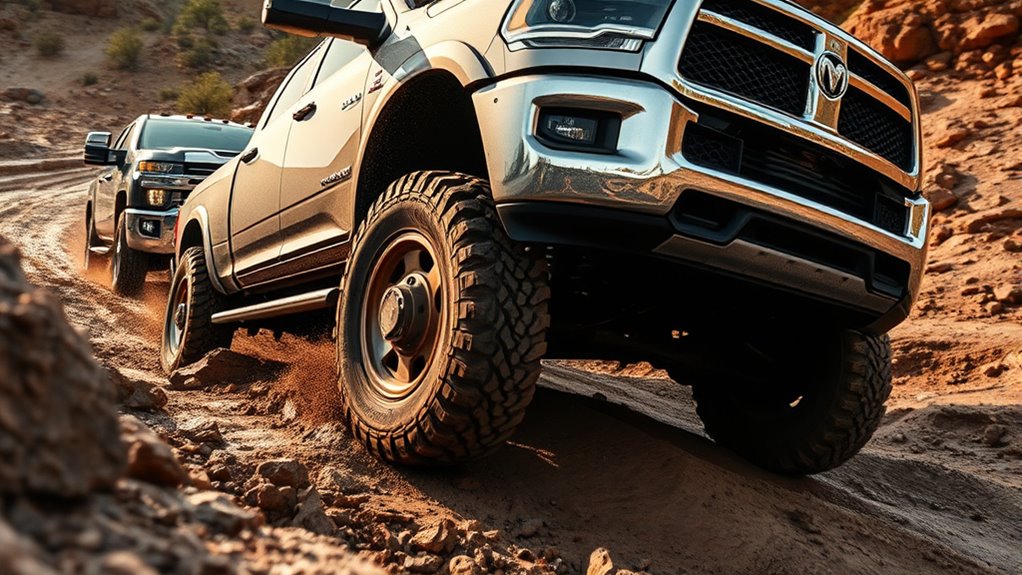
When it comes to heavy-duty use, leaf springs generally outperform coil springs in load-bearing capacity and durability. Leaf springs are designed to handle significant weights consistently, making them ideal for towing and hauling. You can increase their capacity by adding extra leaves, which enhances stability under heavy loads. In contrast, coil springs can sag or weaken over time when subjected to constant heavy use, especially if not reinforced. They are more susceptible to corrosion and breakage if overloaded or poorly maintained. While coil suspensions may offer some load support through air assist systems, these are additional upgrades. Overall, leaf springs provide a proven, reliable solution for demanding applications, ensuring your vehicle maintains stability and performance under heavy-duty conditions.
heavy-duty leaf springs for trucks
As an affiliate, we earn on qualifying purchases.
As an affiliate, we earn on qualifying purchases.
Off-Road Performance and Articulation Capabilities
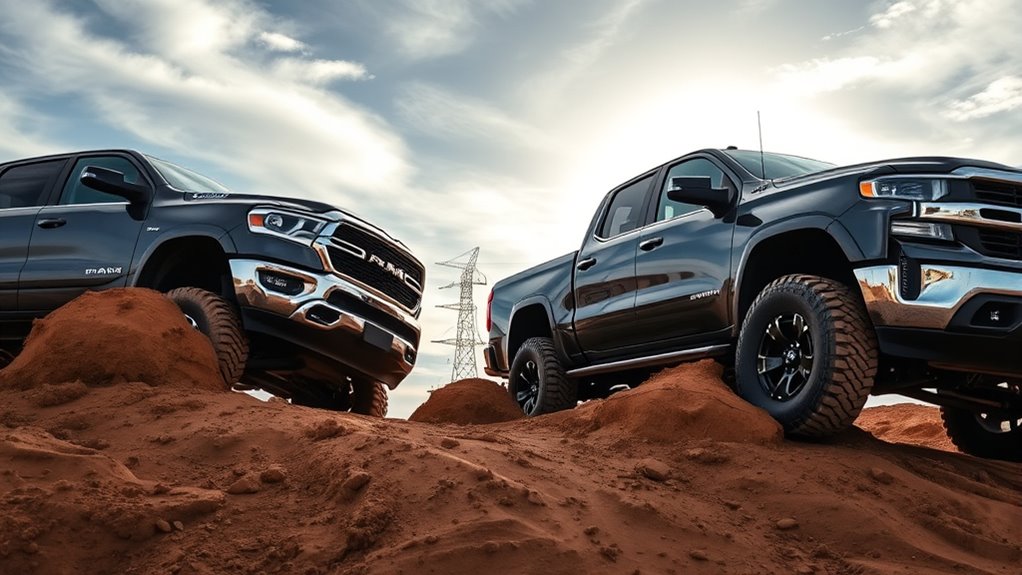
Coil spring suspensions excel off-road thanks to their superior articulation and flexibility. With coil springs, your vehicle can better adapt to uneven terrain, maintaining contact with the ground and improving traction. The multi-link setups often paired with coil springs allow for smoother wheel movement, reducing the risk of wheel lift and enhancing stability on rough surfaces. This increased articulation means your tires stay in contact with rocks, ruts, and dips, giving you better control and confidence in challenging conditions. In contrast, leaf springs tend to be stiffer and can lose contact with the ground more easily on uneven terrain, limiting off-road capability. Overall, coil suspensions provide a more responsive, adaptable platform for tackling off-road adventures.
Maintenance Requirements and Long-Term Reliability

While leaf springs are generally simpler and more durable over time, maintaining coil spring suspensions requires regular inspections to prevent issues like corrosion and sagging. You should check for rust, especially if you drive in wet or salty environments, and watch for uneven ride height, which indicates sagging. Coil springs are more complex, with multi-link systems that involve additional components, making repairs more labor-intensive and costly. Over time, coil springs may weaken or break if overloaded or corroded, leading to compromised ride quality and safety. Conversely, leaf springs have fewer moving parts, making them easier to service and more resistant to wear under heavy loads. Corrosion resistance is an important factor to consider when evaluating long-term suspension performance. Additionally, material quality plays a crucial role in how well coil suspensions hold up over time. Proper maintenance practices, including timely lubrication and component replacement, can significantly extend coil spring suspension lifespan. Regular inspection routines are essential to identify early signs of deterioration and ensure optimal performance. Overall, coil suspensions demand consistent upkeep to ensure long-term reliability, especially if you frequently carry heavy loads or drive in harsh conditions.
Suitability for Different Types of Truck Applications
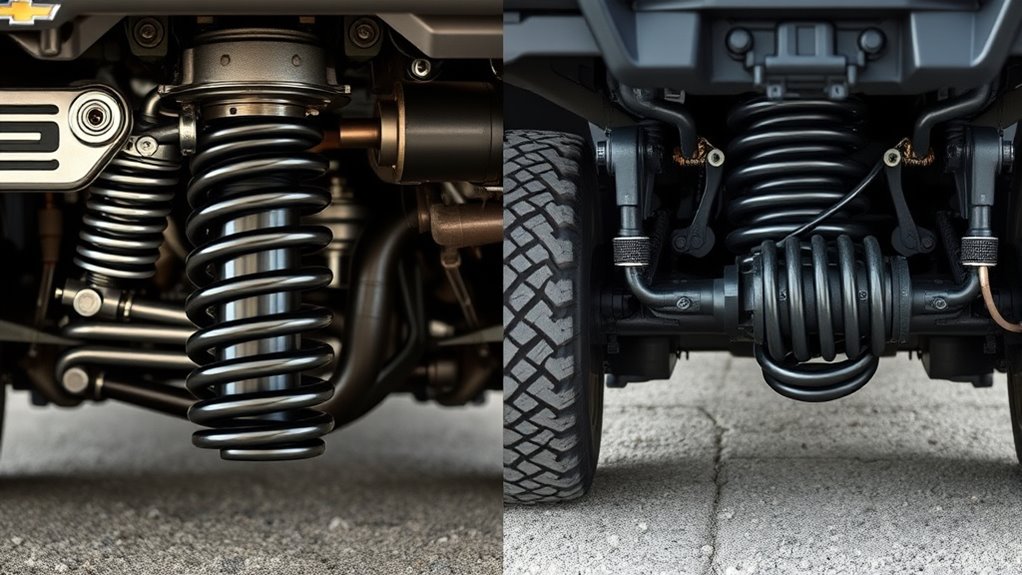
Different truck applications demand different suspension setups to optimize performance and durability. If you frequently haul heavy loads or tow large trailers, leaf springs are ideal due to their superior load-bearing capacity and stability. They handle heavy weights consistently and are well-suited for commercial or work trucks. On the other hand, if your driving involves mostly daily commuting, off-road adventures, or lighter loads, coil springs provide a smoother ride and better wheel articulation. They excel in off-road conditions, offering improved traction and handling on uneven terrain. For versatile use, coil suspensions with multi-link setups can balance comfort and off-road capability. Additionally, aquatic exercise techniques can be beneficial for maintaining joint mobility and muscle strength in physically demanding applications. Ultimately, choosing the right suspension depends on your typical truck use—heavy-duty tasks favor leaf springs, while mixed or recreational driving benefits from coil spring designs.
User Experience and Market Preferences
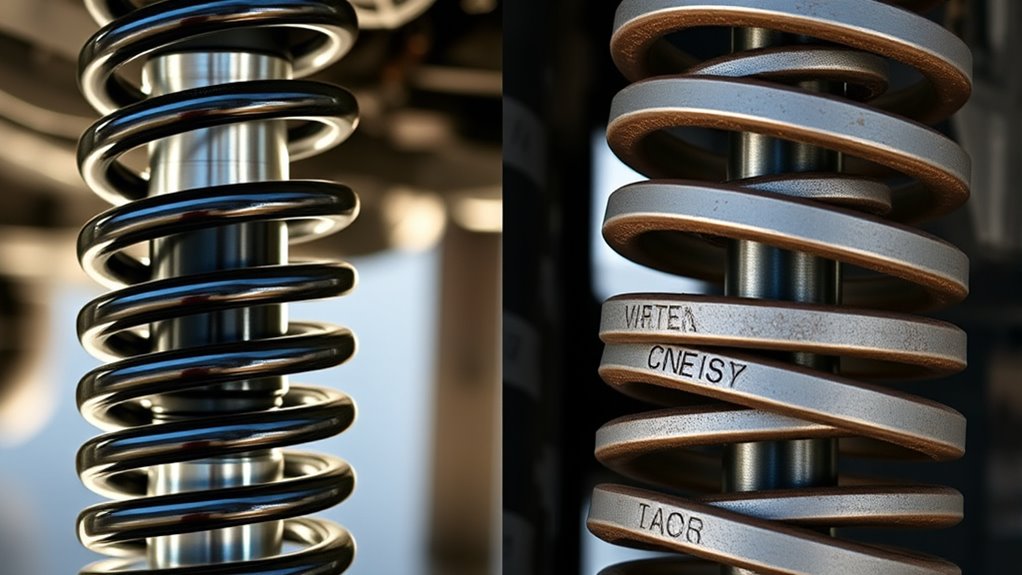
You probably notice that Ram’s coil suspension is gaining popularity for its smooth ride and off-road agility, especially among daily drivers. Meanwhile, Chevy’s leaf springs remain trusted for heavy-duty tasks and commercial use, reflecting different market preferences. As drive experience trends shift, more consumers prioritize comfort unloaded, but durability and load capacity still influence overall choices.
Popularity in Market
Market preferences reveal a clear divide between coil spring and leaf spring users, shaped by their respective advantages. If you prioritize ride comfort and smooth handling, you’ll likely favor coil springs, especially for daily driving. Conversely, if heavy load capacity and durability matter most, leaf springs attract those with demanding work needs. User feedback highlights that Ram’s coil suspension is praised for a comfortable, unloaded ride, while Chevy’s leaf springs are trusted for hauling heavy loads reliably. The popularity of air assist systems shows a desire for enhanced coil spring versatility. Additionally, cultural content such as community celebrations and shared poetry reflects how different vehicle setups cater to varied lifestyles and needs. The technological advancements in suspension systems have further expanded options for customization and performance, leading to increased vehicle safety and efficiency. As more manufacturers incorporate innovative suspension technologies, consumers have greater flexibility to select setups tailored to their specific driving environments. Overall, the market reflects these preferences, with each setup catering to specific lifestyles and tasks. Whether you’re after comfort or strength, the choice aligns with your driving priorities and the tasks you want your truck to perform.
Drive Experience Trends
As consumers prioritize comfort and handling, coil spring suspensions like Ram’s have gained popularity for delivering a smoother, more responsive ride, especially when unloaded. You’ll notice that Ram’s coil setup absorbs bumps and road imperfections better, making daily driving more comfortable. Market trends show a growing demand for coil suspensions in trucks focused on ride quality, with many users preferring the plush feel over the stiffer ride of leaf springs. Off-road enthusiasts also favor coil suspensions for improved articulation and traction on uneven terrain. Additionally, air assist systems are becoming common, allowing you to adjust load capacity and ride height for greater versatility. Overall, these trends reflect a shift toward more refined, adaptable suspension options that enhance user experience across diverse driving conditions. Furthermore, low maintenance costs for coil suspensions are often lower over time compared to leaf spring setups, making them a more economical choice for many consumers. As technology advances, automated suspension adjustments are increasingly available, further improving ride quality and versatility.
Technological Enhancements: Multi-Link and Air Assist Systems
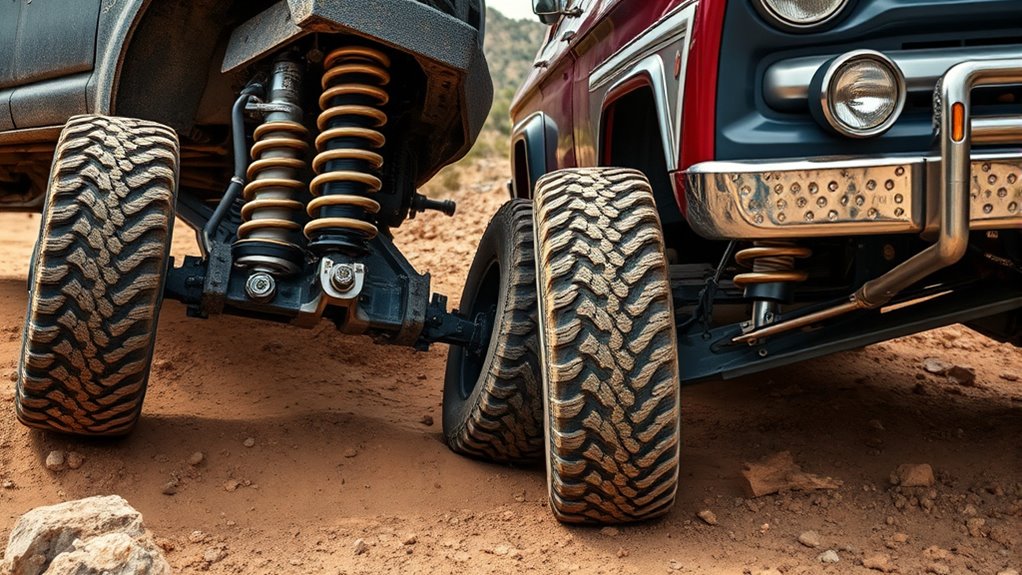
Technological enhancements like multi-link suspension systems and air assist setups have considerably improved the performance and versatility of coil spring suspensions. Multi-link systems optimize handling by reducing body roll and providing precise wheel control, giving you a smoother, more confident ride. Air assist systems allow you to adjust load capacity on the fly, making heavy loads feel lighter and maintaining ride quality regardless of weight. These innovations give you greater control and comfort, especially when towing or off-roading. You’ll experience a more stable, responsive drive, even on challenging terrains.
Enhanced coil spring suspensions offer better handling, stability, and comfort for towing and off-road adventures.
- Feel the confidence of improved handling and stability
- Enjoy a smoother ride with less body roll
- Experience effortless towing and payload management
- Feel secure on uneven, rugged surfaces
- Appreciate increased durability and adaptable comfort
Future Trends in Pickup Suspension Technologies
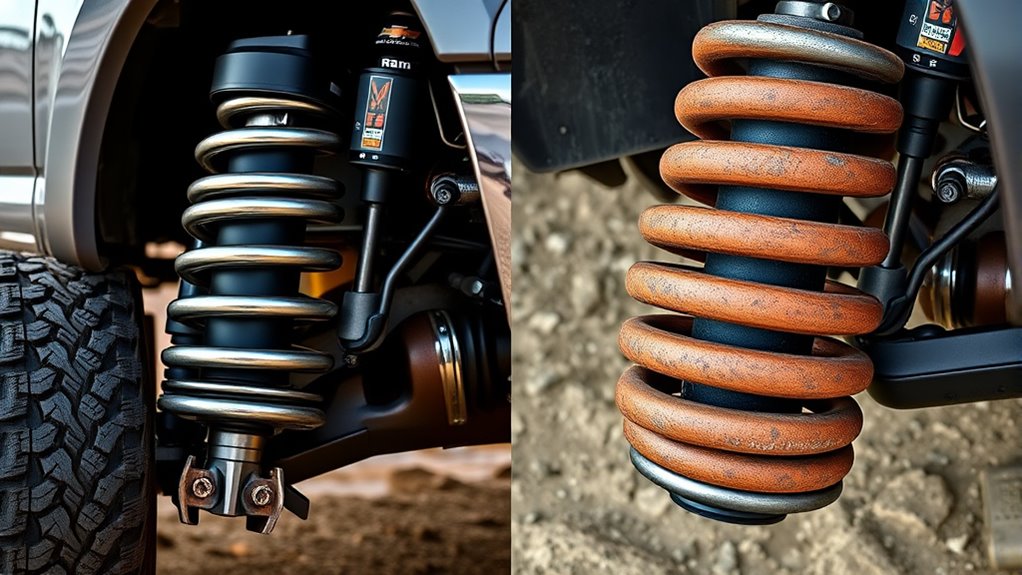
Looking ahead, pickup suspension technologies are poised to become more intelligent and adaptable, integrating advanced electronics and materials to enhance performance. Expect to see self-adjusting systems that optimize ride comfort and load handling in real-time, using sensors to monitor road conditions and vehicle dynamics. Active suspension components will become more prevalent, automatically adapting stiffness and damping for better off-road traction and on-road stability. Lightweight, high-strength materials will improve durability while reducing weight, boosting efficiency. Additionally, innovations like electric shock absorbers and smart air suspension will allow drivers to customize ride height and firmness instantly. These advancements will make pickups more versatile, providing smoother rides unloaded and robust support when carrying heavy loads, all while improving safety and overall driving experience.
Frequently Asked Questions
How Do Coil Springs Affect Towing Capacity Compared to Leaf Springs?
Coil springs generally offer less towing capacity than leaf springs because they can’t handle as much weight without sagging or losing stability. When you’re towing heavy loads, leaf springs provide better load-bearing strength and stability, making them ideal for demanding tasks. However, with added air suspension or heavy-duty coil setups, you can improve coil springs’ towing performance, but they still might not match the robust capacity of leaf springs for extreme loads.
Are Coil Suspensions More Prone to Corrosion Than Leaf Spring Setups?
Yes, coil suspensions are more prone to corrosion than leaf spring setups. You’re more likely to see rust develop on coil springs because they often have more exposed metal parts and are more complex, with multi-link systems. Regular inspection and maintenance can help prevent corrosion, but you should keep an eye out for rust, especially if you frequently drive in harsh conditions like snow or off-road terrains where moisture and mud can accelerate corrosion.
Can Coil Spring Suspensions Be Upgraded for Heavier Loads?
Yes, coil spring suspensions can be upgraded for heavier loads. You can add auxiliary air springs or heavy-duty coil springs designed for increased capacity. These modifications help reduce sag and improve load handling. Keep in mind, though, that heavy loads may still challenge coil suspensions over time, so regular maintenance and possible reinforcement with additional components are key to ensuring durability and performance under heavier weights.
How Does Suspension Type Influence Fuel Efficiency and Vehicle Weight?
You might worry that suspension type impacts fuel efficiency and vehicle weight, but coil springs actually help improve both. They’re lighter than leaf springs, reducing overall weight and boosting fuel economy. Plus, their better wheel articulation means less energy wasted on uneven terrain, making your drive smoother and more efficient. So, switching to coil springs can give you a lighter, more fuel-efficient ride without sacrificing durability.
What Are the Best Maintenance Practices for Coil Versus Leaf Spring Systems?
To keep your coil and leaf spring systems in top shape, regularly inspect for corrosion, cracks, or sagging. Lubricate coil spring components and check multi-link joints for wear. For leaf springs, look for broken or loose leaves and verify bushings are intact. Keep the suspension clean, and address any issues promptly to prevent further damage. Proper maintenance prolongs suspension life, improves ride quality, and ensures safe, reliable handling.
Conclusion
Think of choosing between coil and leaf springs like picking the right shoes for a hike—you want comfort, support, and durability. I once drove a Ram with coil suspension over rocky trails, feeling every bump yet enjoying precise handling. Knowing how each system performs aids you in matching your truck to your needs. Whether for heavy hauling or off-road adventures, understanding these differences ensures you’re equipped for whatever journey lies ahead.
Halloween Picks
halloween
As an affiliate, we earn on qualifying purchases.