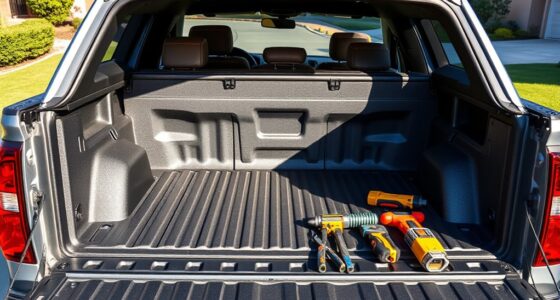
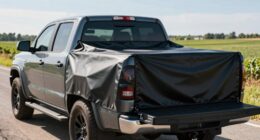
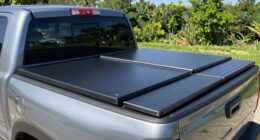
The Toyota Tundra offers three bed sizes: 5.5 ft, 6.5 ft, and 8.1 ft, with the 5.5 ft exclusive to CrewMax cabs. The cargo space varies from about 55 to 81.6 cubic feet, and payload capacities range roughly from 1,755 to 1,940 pounds, depending on the setup. Material features like composite liners and impact-resistant construction boost durability. To find the best fit for your hauling needs, continue exploring the specific dimensions and capabilities.
Key Takeaways
- Toyota Tundra offers three bed lengths: 5.5 ft, 6.5 ft, and 8.1 ft, with availability depending on cab type and trim level.
- Bed dimensions vary: 5.5 ft bed is 65.6″ long, 6.5 ft bed is 77.6″, and 8.1 ft bed is 97.6″ long, impacting cargo capacity.
- Payload capacities range from about 1,755 to 1,940 pounds, depending on configuration, cab style, and bed size.
- Bed features include composite liners, LED lighting, tailgate dampers, and optional outlets for enhanced durability and utility.
- Properly matching bed size and cab style optimizes payload, handling, and daily versatility for various hauling needs.

LASFIT Bed Mat for Toyota Tundra 2022-2026 5.5FT/5.5' Truck Bed, All Weather 5.5 FT Bed Liner for Toyota Tundra 2026 2025 2024 2023 2022 Accessories TPE Trunk Mat Cargo Mat (Not Fit Drop-in Liners)
【Custom Fit Tundra 2022-2026 5.5FT】The LASFIT truck bed mat for Tundra 2022 2023 2024 2025 2026 (Don`t fit…
As an affiliate, we earn on qualifying purchases.
As an affiliate, we earn on qualifying purchases.
Overview of Bed Length Options

The Toyota Tundra offers three distinct bed length options to suit different hauling needs. You can choose from a 5.5-foot, 6.5-foot, or 8.1-foot bed, depending on your cargo requirements. The 5.5-foot bed is exclusively available with the CrewMax cab, making it ideal for those needing a shorter, more maneuverable truck. The 6.5-foot bed works with both Double Cab and CrewMax models, providing a versatile balance between cargo space and driving ease. The 8.1-foot bed is only available on Double Cab configurations, perfect for larger loads and heavy-duty tasks. Availability varies by trim level, with higher trims offering more options. This variety guarantees you can select a bed length that aligns with your specific hauling and storage needs, ensuring a customized fit for your vehicle.

SZYANG Truck Bed Divider Compatible with 2022-2026 Toyota Tundra Cargo Manager Molle Panel Truck Bed Organizer Replacement for 2022-2026 Toyota Tundra Accessories
Perfect Fit:This cargo bed divider is specifically designed to compatible with 2022 2023 2024 2025 2026 Toyota Tundra…
As an affiliate, we earn on qualifying purchases.
As an affiliate, we earn on qualifying purchases.
Detailed Cargo Space by Bed Size
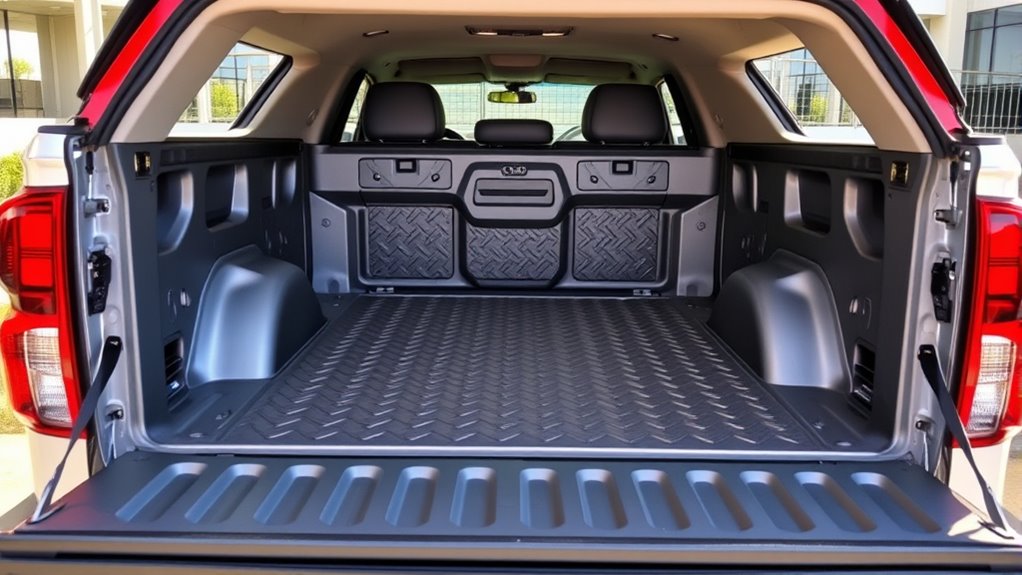
Understanding how cargo capacity varies with each bed size helps you choose the right truck for your needs. The dimensions and fitment influence what you can haul, from bulky materials to everyday gear. Let’s explore practical load examples to see how each bed size works in real-world scenarios. Additionally, considering high-resolution imaging capabilities can help you better visualize how your cargo will appear on your chosen truck bed.
Cargo Capacity Variations
Choosing the right bed size directly impacts your cargo capacity, allowing you to maximize space for your hauling needs. The 5.5-foot bed offers about 55.5 cubic feet of space, ideal for smaller loads or tight storage areas. The 6.5-foot bed increases capacity to approximately 65.6 cubic feet, suitable for most DIY projects and weekend hauling. If you need maximum cargo space, the 8.1-foot bed provides around 81.6 cubic feet, perfect for large loads like lumber or construction materials. Keep in mind, the width between wheel wells stays consistent at 48.5 inches, accommodating standard sheets of plywood or drywall flat. Your choice depends on what you plan to carry and the amount of space needed, ensuring you select a bed that fits your specific hauling requirements. Additionally, choosing the appropriate bed size can influence your European cloud server options if you utilize digital tools for planning and logistics.
Dimensions and Fitment
Selecting the right bed size means paying close attention to its precise dimensions and how well it fits your hauling needs. The 5.5-foot bed measures 65.6 inches long, 58.7 inches wide, and 20.9 inches deep, offering about 55.5 cubic feet of cargo space. The 6.5-foot bed extends to 77.6 inches in length, maintaining the same width and depth, providing roughly 65.6 cubic feet of space. The 8.1-foot bed is 97.6 inches long, with identical width and depth, delivering around 81.6 cubic feet. All beds have a width of approximately 48.5 inches between wheel wells, accommodating standard sheets flat. Bed features include composite liners, LED lighting, and optional 120V outlets, ensuring versatile fitment for diverse cargo. Understanding the payload capacity of each bed size helps you determine the maximum weight your truck can safely carry, which is crucial for heavy-duty hauling.
Practical Load Examples
With the Toyota Tundra’s different bed sizes, you can easily gauge how much cargo each configuration can accommodate for your specific needs. The 5.5-foot bed offers about 55.5 cubic feet, perfect for smaller loads like furniture, tools, or grocery runs. The 6.5-foot bed increases capacity to around 65.6 cubic feet, ideal for DIY projects, medium-sized furniture, or hauling appliances. The 8.1-foot bed provides roughly 81.6 cubic feet, making it suitable for large lumber, construction materials, or significant cargo loads. For example, you could transport two sheets of plywood without folding, or carry multiple heavy-duty storage bins. Additionally, understanding payload ratings is essential to ensure your load stays within safe limits. These practical examples help you visualize how each bed size fits different hauling needs.

ARANA Tailgate Assist Shock for Toyota Tundra, 2007-2021 Tundra Tail Gate Safe-Controlled Lowering Accessories Damper Kit for Toyota Tundra 2WD/4WD(Not to Install in Tailgate Light)
Multiple Fitment: This was rated on the Toyota Tundra forum to be the best add on for your…
As an affiliate, we earn on qualifying purchases.
As an affiliate, we earn on qualifying purchases.
Physical Dimensions of Each Bed Configuration

The physical dimensions of each Toyota Tundra bed configuration are designed to meet different hauling needs. The 5.5-foot bed measures 65.6 inches long, 58.7 inches wide, and 20.9 inches deep, making it ideal for tight spaces and garage parking. The 6.5-foot bed extends to 77.6 inches in length while maintaining the same width and depth, offering more cargo capacity for weekend projects. The 8.1-foot bed, available only with the Double Cab, is 97.6 inches long, providing the most cargo space—around 81.6 cubic feet. Across all models, the width between wheel wells stays consistent at approximately 48.7 inches. Bed side height is roughly 21.5 inches, and the tailgate adds about 11.5 inches to overall length in the 6.5-foot version. Understanding the payload capacity of each configuration is essential for safely transporting heavier loads.
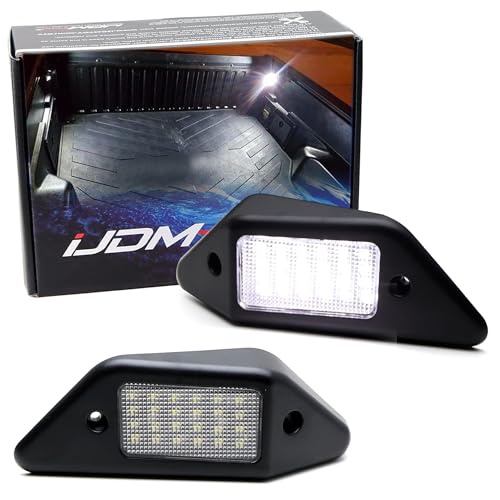
iJDMTOY Super Bright 24-SMD Direct Fit LED Truck Bed Lighting Kit w/Wiring Harness Compatible With Toyota 2014-2021 Tundra, 2016-2019 Tacoma
Offers even lighting projection and illumination, delivering triple the brightness compared to dull yellowish incandescent bulbs and most…
As an affiliate, we earn on qualifying purchases.
As an affiliate, we earn on qualifying purchases.
Compatibility With Cab Styles and Bed Lengths
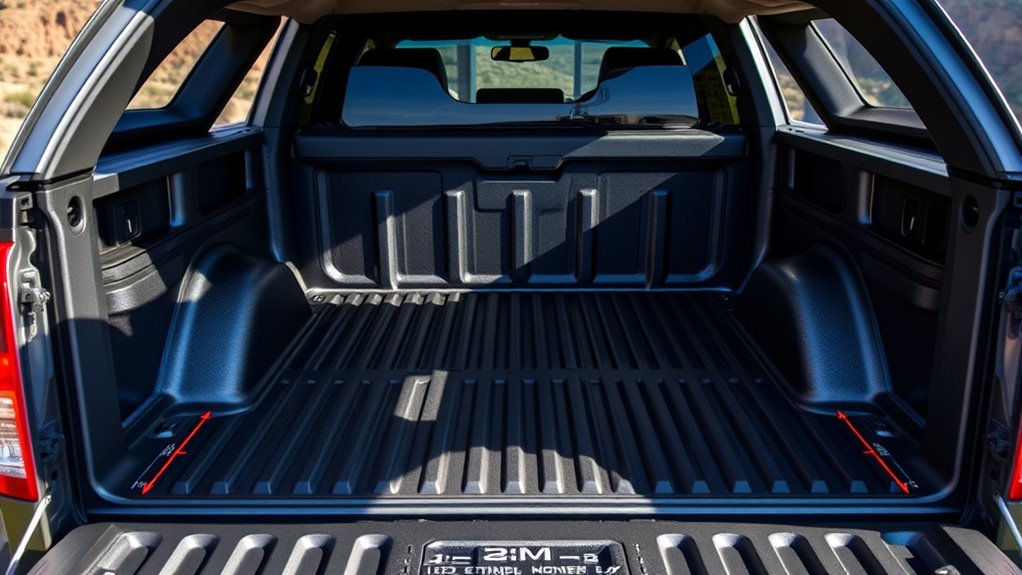
Your choice of bed length depends on your cab style, as certain configurations are exclusive to specific cab types. For example, the 5.5-foot bed only works with CrewMax, while the 8.1-foot bed is limited to Double Cab models. Keep in mind that available options vary by trim level, so your preferred combination might influence your overall capacity and features. Additionally, understanding Free Floating design principles can help optimize your backyard transformations and vehicle customization options.
Bed Length and Cab Pairings
Choosing the right bed length for your Toyota Tundra depends on your cab style, as certain configurations are only available with specific bed sizes. If you have a CrewMax cab, you’re limited to the 5.5-foot bed, ideal for tight spaces and easy parking. The 6.5-foot bed works with both CrewMax and Double Cab models, offering a balance of cargo capacity and passenger comfort. The 8.1-foot bed is exclusive to Double Cab versions, perfect for heavy-duty hauling and worksite needs. Keep in mind, these options may vary depending on trim levels, so verify availability for your preferred setup. Matching the bed length with your cab style ensures you get the right combination for your hauling, storage, and everyday driving needs. Understanding bed compatibility helps you make an informed decision to optimize your truck’s capabilities.
Cab Style Impact on Capacity
Cab style substantially influences the available bed length options and overall cargo capacity of your Toyota Tundra. The CrewMax cab, known for its spacious rear seats, pairs exclusively with the shorter 5.5-foot bed, limiting cargo space but prioritizing passenger comfort. The Double Cab offers more flexibility, accommodating both the 6.5-foot and 8.1-foot beds, making it ideal for those needing extra cargo capacity. The 8.1-foot bed is only available with the Double Cab, maximizing load space for heavy-duty tasks. Your choice of cab style determines the bed length you can get, affecting cargo volume and payload capacity. Consider your primary needs—whether passenger space or hauling capacity—when selecting the cab and bed combination. This compatibility guarantees exceptional performance for your specific usage. Additionally, understanding payload capacity is essential to ensure your truck can handle your typical load without compromising safety or performance.
Compatibility by Trim Levels
Trim levels on the Toyota Tundra influence which bed lengths and cab styles you can select, shaping both payload and cargo capacity. Higher trims often provide more options, allowing you to customize your setup. Here are key considerations:
- Lower trims typically restrict bed length choices to essential configurations, focusing on practicality.
- Mid-range trims expand options, offering choices like the 6.5-foot bed with different cab styles.
- Limited and premium trims often include exclusive configurations, such as the 8.1-foot bed with Double Cab.
- Availability varies, so your preferred trim determines the combinations of cab style and bed length, affecting your payload and cargo capabilities.
Choosing the right trim guarantees you get the bed size and cab style that match your hauling needs.
Payload Capacities Across Different Setups
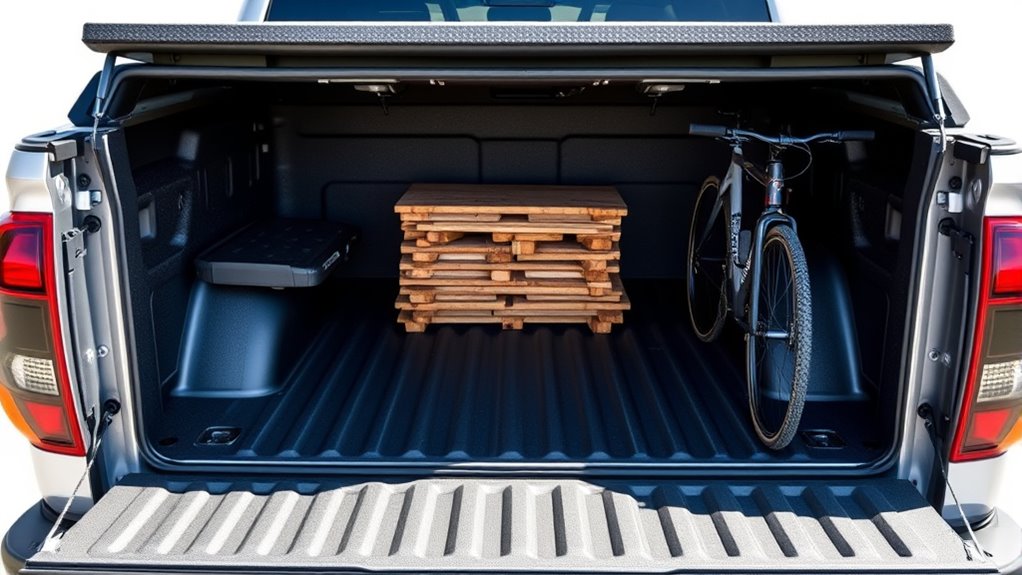
The payload capacity of a Toyota Tundra varies markedly depending on the configuration and bed size you select. For example, a Double Cab SR with a 6.5-foot bed supports up to 1,940 pounds, making it ideal for heavier loads. Choosing the same cab style with an 8.1-foot bed slightly reduces capacity to 1,875 pounds. A CrewMax SR with a 5.5-foot bed offers a payload of approximately 1,830 pounds, balancing passenger comfort with cargo needs. The CrewMax with a 6.5-foot bed handles about 1,810 pounds. Higher trims may have reduced payload capacities, typically ranging from 1,755 to 1,860 pounds. Your payload capacity depends on the specific setup, so always verify the official ratings for your chosen configuration to ensure it meets your hauling requirements. Additionally, understanding payload capacities is crucial for safe and efficient vehicle operation.
Selecting the Right Bed for Your Needs
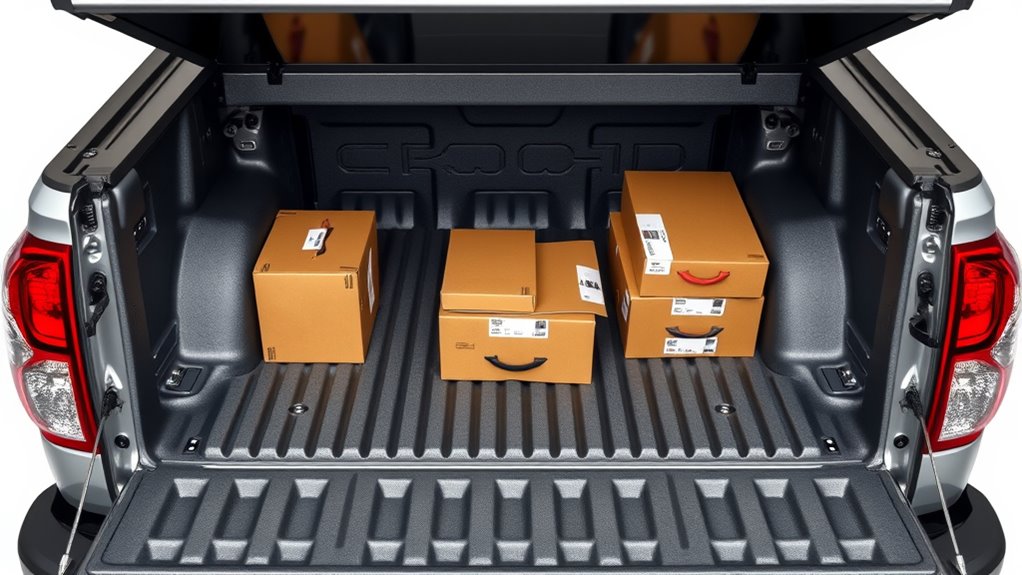
Choosing the right bed size for your Toyota Tundra depends on how you plan to use your truck. To make an informed decision, consider these factors:
Select your Tundra bed size based on your specific hauling, parking, and passenger needs.
- Garage Parking and Tight Spaces: Opt for the 5.5-foot bed to fit into most garages easily.
- Hauling Larger Items: The 6.5-foot bed balances cargo capacity and maneuverability for weekend projects.
- Heavy-Duty Worksites: The 8.1-foot bed provides maximum space for long loads like lumber or equipment.
- Passenger vs. Cargo Priorities: CrewMax with 6.5-foot bed offers a good mix of space for passengers and gear, while Double Cab models prioritize cargo capacity.
- Maintenance and Safety Considerations: Proper ventilation and sanitation are essential for keeping your truck bed in optimal condition, especially when hauling different types of cargo.
Assess your typical loads, storage needs, and parking constraints to choose the ideal bed size.
Material Composition and Durability Features

You’ll find that Toyota Tundra beds are built with durable aluminum and composite materials, making them strong yet lightweight. These materials provide excellent resistance to dents, impacts, and rust, helping your truck stay in top shape longer. Plus, features like protective bed liners and standard tailgate dampers guarantee your bed remains protected and easy to use. Incorporating connected equipment and smart accessories can further enhance your truck’s durability and functionality.
Durable Aluminum and Composite Materials
Toyota Tundra bed construction emphasizes durability by combining aluminum and composite materials that resist dents, impacts, and rust. This advanced mix guarantees your truck bed stays strong through tough jobs and harsh weather. Here’s what makes it stand out:
- Corrosion Resistance: Aluminum and composites prevent rust, extending your bed’s lifespan.
- Impact Absorption: The composite liner absorbs impacts, reducing damage from heavy loads.
- Lightweight Strength: Aluminum reduces weight without sacrificing durability, improving fuel efficiency.
- Low Maintenance: These materials require less upkeep, saving you time and money.
- Enhanced Durability Features: The integration of security zone info ensures your bed remains protected against environmental and physical threats over time.
Together, they create a resilient cargo area designed to handle daily wear and tear while maintaining a sleek appearance. This combination ensures your bed remains functional and looking good over time.
Protective Bed Features
The Toyota Tundra’s bed features durable materials designed to withstand daily use and harsh conditions. Its composite bed liner provides excellent protection against dents, dings, and rust, ensuring your cargo area stays in top shape over time. The liner is resistant to impacts and corrosive elements, making it ideal for heavy-duty hauling. All models come with tailgate dampers, which prevent sudden drops and reduce wear on hinges. LED bed lighting is integrated, giving you clear visibility during nighttime or low-light tasks. Additionally, an optional 120V power outlet allows you to run tools or charge equipment directly from the bed. These features work together to enhance the bed’s durability, protect your cargo, and make loading and unloading more convenient in any environment. Implementing durability features can help prolong the lifespan of your truck bed and maintain its appearance over years of use.
Bed Features and Utility Enhancements

Bed features and utility enhancements in the Toyota Tundra are designed to maximize functionality and convenience. These enhancements include:
- Composite bed liner—protects against dents, dings, and rust, extending bed lifespan.
- LED bed lighting—ensures clear visibility for nighttime loading and unloading.
- Optional 120V outlets—power tools and equipment directly from the bed, boosting productivity.
- Tailgate dampers—smoothly lower and raise the tailgate, reducing noise and impact damage.
A notable local tradition in many regions is the use of durable bed liners, reflecting Italy’s appreciation for craftsmanship and long-lasting materials.
These features work together to improve your hauling experience, making the bed more durable, practical, and user-friendly. Whether you’re transporting construction materials or camping gear, these enhancements help you get the most out of your Tundra’s bed.
Practical Tips for Bed Usage and Maintenance
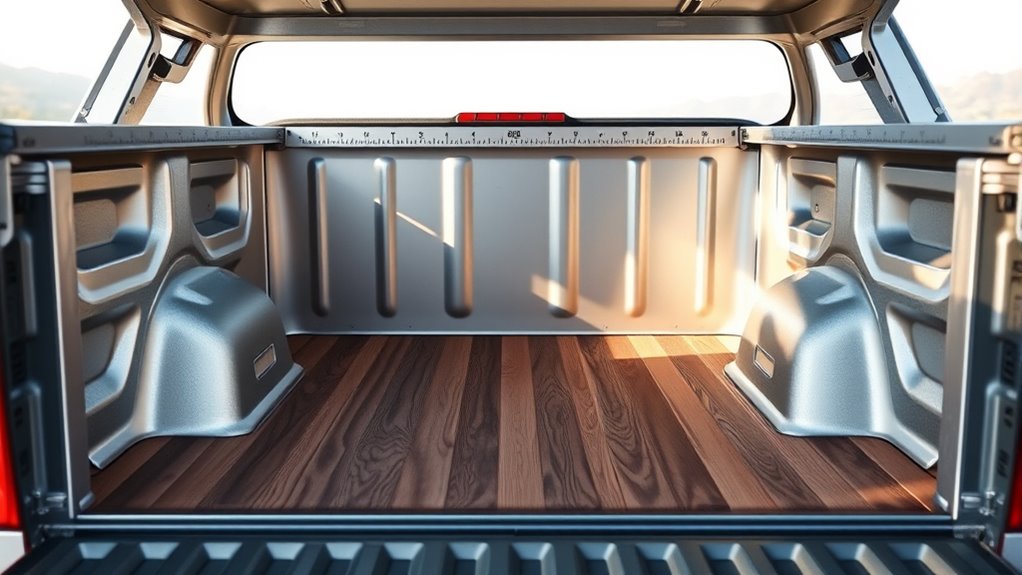
To keep your truck’s cargo area in top shape, regular maintenance and mindful usage are essential. Always clean your bed after hauling dirt, mud, or corrosive materials to prevent rust and damage. Use a bed liner or protective cover to guard against dents and scratches, especially when transporting heavy or sharp items. When loading, distribute weight evenly to avoid stressing the tailgate or frame. Secure loads properly with straps or cords, preventing shifting during transit. Periodically inspect the bed’s composite liner and tailgate dampers for wear or damage, replacing parts as needed. Keep the bed dry and consider applying a rust-inhibitor spray if you frequently drive in humid or salty environments. Incorporating smart maintenance reminders through connected devices can help you stay on top of these tasks, extending your truck’s lifespan and maintaining its utility.
Comparing Bed Sizes for Optimal Hauling

Choosing the right bed size depends on your hauling needs and workspace constraints. To maximize efficiency, consider these factors:
- Cargo Volume: The 8.1-foot bed offers the most space, ideal for large loads like lumber or furniture.
- Maneuverability: The 5.5-foot bed fits easily in tight garages or urban environments.
- Versatility: The 6.5-foot bed balances cargo capacity with everyday usability for DIY projects or weekend hauling.
- Vehicle Compatibility: Confirm your cab style and trim support your preferred bed length for ideal fit and payload capacity.
Additionally, understanding bed size options can help you better match your vehicle to your specific hauling needs.
Matching your typical load size and storage environment helps you select a bed that maximizes utility without sacrificing ease of use.
Frequently Asked Questions
Can I Customize My Toyota Tundra Bed Length After Purchase?
No, you can’t customize your Toyota Tundra bed length after purchase. The bed sizes—5.5-foot, 6.5-foot, and 8.1-foot—are built into the truck’s design and selected during the initial purchase. If you need a different bed length, you’ll need to trade in or buy a different model with the preferred configuration. Consider carefully which size suits your needs before making your purchase, since modifications aren’t feasible later.
Are There Any Safety Features Specific to the Truck Beds?
You’ll find that all Toyota Tundra beds come with built-in safety features, like LED bed lighting that improves visibility and standard tailgate dampers that prevent sudden drops. notably, the composite bed liner is designed to resist dents and impacts, protecting your cargo and the truck. These features help keep your load secure and your truck safe during work or transport, giving you peace of mind every time you hit the road.
How Does Bed Material Affect Long-Term Durability?
You’ll find that the bed’s composite liner and durable aluminum construction markedly boost long-term durability. The composite material resists dents, dings, and rust, helping your truck stay in top shape over time. Plus, the aluminum frame adds strength without extra weight. These features protect your bed from daily wear and tear, ensuring it remains functional and looks good, even after years of hauling heavy loads and rough use.
What Accessories Are Available for Bed Organization?
You can choose from a variety of bed organization accessories, including bed dividers, cargo nets, and storage boxes, to keep your gear secure and organized. Many of these accessories are designed to fit the bed dimensions precisely, making it easier for you to manage tools, equipment, or groceries. Installing a bed tonneau cover or a bed extender can also enhance protection and expand your cargo space for larger items.
Is There a Recommended Method for Cleaning the Bed Liner?
You should clean your bed liner with a simple solution of mild soap and water. Use a soft brush or cloth to scrub away dirt, mud, or debris, avoiding harsh abrasive cleaners that could damage the liner. Rinse thoroughly with water and let it air dry. For tougher stains or rust spots, consider applying a specialized bed liner cleaner or rust inhibitor for added protection.
Conclusion
Now that you know the bed dimensions and payload details, you’re ready to conquer any hauling challenge. Think of your Tundra bed as the open road’s heartbeat—flexible, strong, and built to carry your world. With the right size, the right features, and a bit of care, your truck becomes more than just a vehicle; it’s your trusty partner in every adventure. Embrace the space and power—your Tundra is ready to roll.