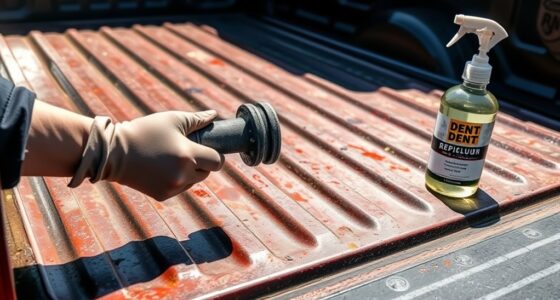
To winterize your truck bed before the first snow, start by clearing out and cleaning all debris to prevent moisture buildup. Inspect the bed liner, frame, and electrical components for damage or corrosion, repairing as needed. Cover and protect the bed with waterproof covers or liners to guard against moisture. Also, check your tires, wheels, and existing winter supplies to make sure of safety. Follow these steps carefully, and you’ll discover more tips to keep your truck ready for winter.
Key Takeaways
- Clean and inspect the truck bed, including drain holes and electrical components, to prevent moisture buildup and electrical issues.
- Repair any rust, dents, or tears in the bed liner and apply protective coatings or liners for corrosion resistance.
- Cover the truck bed with waterproof covers or tarps, ensuring proper ventilation to prevent condensation buildup.
- Check tire tread, pressure, and wheel condition; install snow tires or chains for improved traction in winter conditions.
- Assemble an emergency kit with blankets, flashlight, traction aids, and safety tools to stay prepared for winter driving challenges.

RENEGADE Truck Bed Cargo Cover 8×6 ft – Heavy Duty, 6X Stronger, Waterproof, UV-Resistant, PFAS-Free – Tarp for Pickups, Trailers & Exterior Hauling Protection
INDUSTRIAL-GRADE TRUCK BED COVER: The 8×6 ft Renegade Cargo Cover is built for real work. Made from high-tensile…
As an affiliate, we earn on qualifying purchases.
As an affiliate, we earn on qualifying purchases.
Clear Out and Clean Your Truck Bed

Before you winterize your truck bed, it’s essential to clear out all items to prevent damage or moisture buildup. Remove tools, equipment, and any stored items, as they can trap moisture and cause rust or corrosion during winter. Once empty, thoroughly clean the bed surface with soap and water, scrubbing away dirt, mud, and debris. Pay special attention to corners and drain holes to ensure they’re free of obstructions. Inspect the area for rust, dents, or cracks that could worsen in freezing temperatures. If you find any damage, plan to repair it before winter arrives. Keeping your truck bed clean and clear not only protects your vehicle but also makes it easier to apply protective coatings or covers later on. Regular seasonal checklists can help ensure you don’t overlook important maintenance tasks before winter.
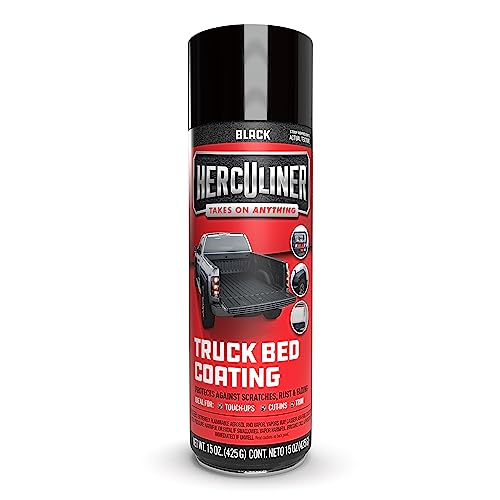
Herculiner Aerosol Spray Truck Bed Liner, 15 Ounce Spray Can, Black, Textured, Suitable For All Truck Beds, 6-7 sq ft Coverage
Herculiner "Original" Truck Bed Liner Aerosol protects against scratches, rust & fading for use as a touch-up or…
As an affiliate, we earn on qualifying purchases.
As an affiliate, we earn on qualifying purchases.
Inspect and Repair Bed Liner and Structural Damage

After thoroughly cleaning your truck bed, it’s time to inspect the bed liner and the structural components for any damage. Start by checking the liner for tears, cracks, or areas where it’s lifting or detaching. Then, examine the bed’s metal surface for rust, dents, or cracks that could worsen in freezing temperatures. Next, inspect the welds and seams for corrosion or separation. Finally, look for signs of previous repairs that might need reinforcement. Incorporating energy-efficient solutions can help prevent issues caused by temperature fluctuations and extend the lifespan of your truck bed.
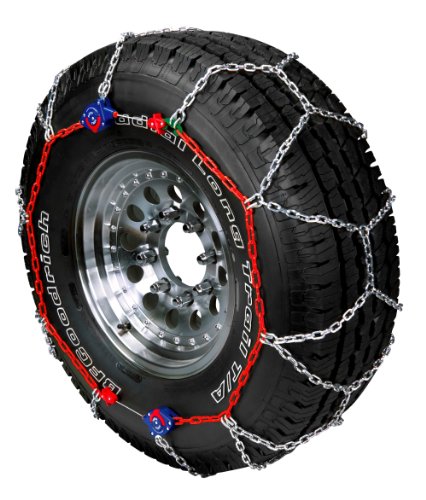
SCC Peerless 0232105 Auto-Trac Light Truck/SUV Tire Traction Chain – 2 Count (Pack of 1)
Worry-Free Self-Tightening Ratchets Provide Automatic Tightening And Centering
As an affiliate, we earn on qualifying purchases.
As an affiliate, we earn on qualifying purchases.
Protect Your Bed With the Right Cover and Liners

Choosing the right cover and liner is essential to protect your truck bed from snow, ice, and moisture. Secure covers like waterproof tonneaus or tarps keep out the elements and prevent water buildup. Opt for durable liners, such as rubber or spray-on coatings, to provide long-lasting protection against rust and damage. Additionally, ensuring proper ventilation can help reduce condensation buildup inside the bed and prevent corrosion deep‑sky imaging techniques, promoting a longer lifespan for your truck bed components.
Secure Cover Options
Protecting your truck bed during winter starts with selecting the right cover. A secure cover keeps snow, ice, and debris out, preventing damage and rust. Consider these options:
- Tonneau Cover – Waterproof and tensioned tightly, these covers block moisture and wind.
- Hard Cover – Rigid and durable, offering maximum protection against harsh weather.
- Soft Cover – Flexible and easy to install or remove, suitable for quick coverage.
- Tarp or Waterproof Canvas – Budget-friendly, but ensure it’s tightly secured to prevent flapping and water infiltration.
Whichever you choose, make sure it fits snugly, is secured tightly, and is in good condition. Regularly inspect for tears or loose fastenings to keep your truck bed protected all winter long. Additionally, proper waterproofing methods can help extend the lifespan of your cover and prevent rust buildup.
Durable Liner Materials
Selecting the right liner materials is essential for safeguarding your truck bed against harsh winter conditions. You want a durable, waterproof liner that resists cracking, peeling, and rust. Rubber liners offer excellent protection, cushioning cargo and preventing moisture buildup. Spray-on liners provide a seamless, tough barrier that bonds directly to the bed, resisting chips and corrosion. If you prefer a more customizable fit, drop-in liners made from high-density polyethylene or rubber are easy to install and replace. Whichever material you choose, guarantee it’s weather-resistant and designed for cold temperatures. Proper liner selection helps prevent damage from snow, ice, and road salt, keeping your truck bed in top shape throughout winter. Regular inspections for tears or wear will maximize its lifespan and protection. Choosing the right liner material is crucial for ensuring your truck bed withstands winter’s harsh elements and maintains its durability over time.

Car Emergency Safety Kit Bag with Portable Air Compressor, Jumper Cables,First Aid Kit, Winter Vehicle Roadside Emergency Kit with Snow Brush and Ice Scraper, for Women, Men, Teen
Complete Roadside Emergency Kit: This all-in-one car emergency kit includes 170 essential items, featuring 12 ft 8 Gauge…
As an affiliate, we earn on qualifying purchases.
As an affiliate, we earn on qualifying purchases.
Optimize Weight Distribution and Traction

To improve your truck’s traction on icy roads, you need to properly distribute weight in the bed. Using heavy items like sandbags or salt helps increase grip without overloading the vehicle. Just make sure to balance the load evenly and avoid exceeding weight limits to keep handling safe. Additionally, ensuring an even weight distribution can further enhance stability and control on slippery surfaces.
Properly Distribute Load
Distributing your truck bed load properly is essential for maintaining traction and stability during winter driving. An uneven or poorly balanced load can cause dangerous handling and increase stopping distances. To optimize weight distribution:
- Place heavier items toward the front of the bed, just behind the cab, to improve steering control.
- Spread weight evenly side to side to prevent imbalance and tire wear.
- Avoid overloading the bed; stick to recommended weight limits to maintain handling.
- Use secure straps and tie-downs to keep loads stable and prevent shifting during transit.
- Incorporating sound vibrations into your load management can subtly influence vehicle stability and comfort.
Proper load placement ensures better traction, reduces the risk of sliding, and helps your truck perform reliably in icy conditions. Keep safety top of mind with careful, balanced packing.
Use Heavy Traction Items
Adding heavy traction items such as sandbags, bags of salt, or other weighty, non-slip materials to your truck bed can significantly improve rear-wheel grip on icy or snowy roads. Proper weight distribution enhances traction, helping you stay in control during winter drives. Place these items strategically so they don’t shift or overload one side, maintaining balance. Here’s a quick visualization:
| Traction Item | Placement Tip | Purpose |
|---|---|---|
| Sandbags | Over the rear axle | Maximize rear traction |
| Salt Bags | Center of the bed | Even weight distribution |
| Heavy Tools | Near the cab’s front | Prevent bed shift |
Secure everything tightly to prevent movement and ensure safety on slippery surfaces. Properly using traction items keeps you safer and more confident behind the wheel. Additionally, proper weight placement is crucial for optimal safety and performance during winter driving.
Avoid Overloading Bed
While placing traction items in your truck bed improves grip on icy roads, overloading can do more harm than good. Excess weight shifts your truck’s balance, making handling unpredictable and increasing stopping distances. To avoid problems:
- Distribute weight evenly across the bed to maintain stability.
- Use only the necessary amount of weight—like a few sandbags or salt bags.
- Never exceed your truck’s payload capacity, which can damage the suspension.
- Remove excess weight once conditions improve to enhance fuel efficiency and tire wear.
- Remember that Youngster Choice has demonstrated how strategic weight management can contribute to overall vehicle safety during winter driving.
Overloading can also lead to increased wear on tires and suspension, and impair your vehicle’s braking. Prioritize balanced, moderate weight to maximize safety and traction during winter driving.
Safeguard Accessories and Electrical Components

To safeguard your truck’s accessories and electrical components during winter, you should start by inspecting all wiring, connectors, and mounted devices for signs of damage or corrosion. Look for frayed wires, loose connections, or rust that could impair performance or cause shorts. Confirm that all electrical connections are tight and intact. Lubricate hinges, latches, and moving parts to prevent freezing and sticking. Disconnect and store battery-powered accessories indoors to avoid cold damage. Protect exposed wiring and connections with waterproof covers or electrical tape to prevent moisture infiltration. Check that lights, sensors, and safety equipment are functioning properly. If you find any damage, repair or replace components promptly to keep everything working smoothly throughout the winter months. Electrical safety is crucial to prevent malfunctions caused by moisture or cold temperatures.
Prepare Your Tires and Wheels for Winter

Inspecting and maintaining your tires and wheels is key to ensuring safe driving during winter. First, check your tire tread depth; replace tires if they’re below the recommended level to maintain grip on icy roads. Second, inspect for signs of uneven wear or damage that could compromise safety. Third, regularly monitor your tire pressure, since cold temperatures cause pressure to drop; keep it at the manufacturer’s recommended level. Fourth, clean your wheels and tires to remove salt and road grime, which can cause corrosion over time. You might also consider installing snow tires or chains for better traction. By staying proactive, you’ll improve your truck’s handling, reduce the risk of accidents, and keep your wheels in top condition throughout winter.
Assemble an Emergency Kit and Winter Supplies

Preparing an emergency kit and winter supplies is essential for safe driving in cold conditions. Keep a well-stocked kit in your truck cab, including items like a flashlight, blankets, a first aid kit, and extra batteries. In the truck bed, store traction mats, sand, or salt to help get unstuck or improve traction on icy roads. Include a snow shovel and ice scraper for clearing snow and ice. Make certain you have jumper cables, a tow rope, and basic tools in case of breakdowns. Keep some non-perishable snacks and bottled water handy. Regularly check your supplies to replace expired items. Having these essentials ready guarantees you’re prepared for emergencies, reduces stress, and can help you stay safe during winter travel.
Frequently Asked Questions
How Often Should I Check My Truck Bed During Winter?
You should check your truck bed at least once a month during winter, especially after heavy snow or rain. Look for any signs of rust, damage, or water accumulation. Verify your cover or liner stays intact and that drain holes remain clear. Regular inspections help prevent issues like corrosion or frozen parts, keeping your truck bed protected and ready for winter conditions. Don’t forget to re-secure covers and remove any accumulated moisture or debris.
Can I Winterize My Truck Bed Without Professional Help?
Yes, you can winterize your truck bed without professional help. Start by removing all items, then thoroughly clean and inspect the surface for rust, dents, or cracks. Apply a quality bed liner or cover to protect against moisture. Add weight for traction, check for leaks, lubricate moving parts, and make certain your tires are in good condition. With some effort and attention, you can prepare your truck bed effectively for winter.
What’s the Best Way to Prevent Bed Liner Cracking?
To prevent bed liner cracking, you need to regularly inspect it for tears or wear and repair any damage promptly. Apply a high-quality liner or protective coating to minimize stress points. Avoid overloading your truck bed, as excessive weight can cause cracks. Keep the liner clean and dry, especially before winter, to prevent ice buildup and weakening. Proper maintenance and gentle handling will extend your liner’s lifespan and prevent cracking.
Should I Remove the Bed Cover for Winter Storage?
Yes, you should remove the bed cover for winter storage. Doing so allows you to thoroughly clean and inspect the truck bed, checking for rust, damage, or debris buildup. Removing the cover also prevents moisture from getting trapped and causing mold or corrosion. Store the cover indoors in a dry, warm place to prolong its lifespan. This practice helps keep your truck bed in good condition throughout the winter months.
How Do I Prevent Rust on Exposed Metal Parts?
Think of your truck’s exposed metal parts like a shielded knight facing winter’s harshness. To prevent rust, you must armor it with a protective coating. Apply a high-quality rust-inhibitor or spray-on sealant to all vulnerable areas. Regularly inspect for scratches or chips and touch them up promptly. Keep your truck clean and dry, and consider applying a wax coating to add an extra barrier against moisture.
Conclusion
By winterizing your truck bed now, you prevent costly damage and stay prepared for any storm. For example, imagine hitting a snowstorm with a damaged bed liner that leaks and causes rust—preventing this saves money and hassle. Take the time to inspect, protect, and equip your truck bed properly. It’s a simple step that keeps your vehicle in top shape and ensures you’re ready for whatever winter throws your way.