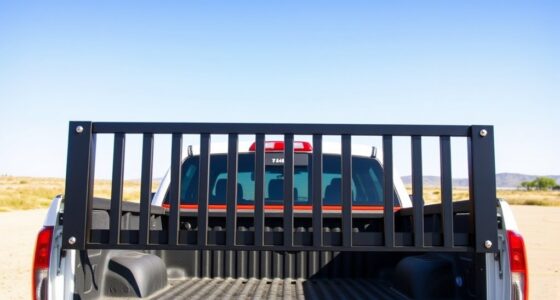
Even when your loads are properly secured, external factors like rough road conditions, sharp turns, and sudden stops can still cause them to shift. Vehicle dynamics and uneven terrain create forces that may overcome your securing methods if not accounted for. Worn straps or improper load distribution also increase the risk of movement. Staying aware of these factors helps you prevent shifts — explore further to learn how to adapt your strategies effectively.

Get business pricing on garage and car supplies
- Business-only prices and quantity discounts
- Tax-exempt purchasing
- Multiple users, one account, clear invoices
Key Takeaways
- External factors like potholes, sharp turns, and sudden stops can cause loads to shift despite proper securing.
- Improper load distribution or packing can make cargo more susceptible to movement under stress.
- Worn or damaged securing equipment may fail, allowing loads to move during transit.
- Changes in vehicle dynamics, such as acceleration or deceleration, can dislodge unsecured or inadequately restrained loads.
- Human error or insufficient inspection can overlook potential vulnerabilities, leading to shifting loads.

Even when loads are properly secured, they can still shift during transit, posing serious safety risks. This isn’t just a hypothetical concern; it’s a real issue that can lead to accidents, damage, and legal liabilities. Understanding why loads shift despite using securing techniques is essential to maintaining cargo safety and ensuring a smooth journey. Often, you might think that following standard securing procedures is enough, but various factors can undermine those efforts. For example, road conditions, vehicle dynamics, and the nature of the cargo itself all play crucial roles in how well your securing techniques hold up.
Properly secured loads can still shift due to road conditions and cargo nature, risking safety and stability during transit.
Road surfaces can be unpredictable—potholes, sharp turns, and sudden stops can cause even the most securely fastened loads to move. When you’re driving over uneven terrain or taking tight corners, the forces acting on your cargo increase dramatically. If your securing methods aren’t adaptable or don’t account for these forces, the cargo can shift, risking stability. Similarly, sudden braking or acceleration can generate enough momentum to dislodge unsecured or loosely secured loads. It’s important to anticipate these forces and adjust your securing techniques accordingly. Recognizing how vehicle dynamics influence load stability can help you select better securing methods. Additionally, understanding external forces can aid in designing more effective securing strategies that withstand various transit conditions.
The type of cargo you’re transporting also affects how easily it shifts. Heavy, dense items may seem less likely to move, but if they’re not properly restrained, they can still slide or tip over. Lighter or irregular-shaped loads are even more prone to shifting, especially if they’re not packed tightly or if padding isn’t used to prevent movement. The way you load the cargo—distributing weight evenly and securing fragile or loose items—can make a significant difference in cargo safety. Proper loading techniques help ensure that the cargo remains stable under various driving conditions. Additionally, cargo behavior can vary significantly based on the container or packaging used, which influences how loads respond to external forces. Using appropriate securing equipment**** tailored to the specific type of cargo can greatly reduce the risk of shifting.
Another overlooked aspect is the condition of the securing equipment itself. Worn straps, frayed ropes, or damaged chains can fail under stress, leading to shifts in the load. Regular inspections and maintenance of securing equipment are vital so you can trust that your securing techniques will hold up when needed. Also, consider the use of additional securing devices, like dunnage or blocking and bracing, especially for irregular or bulky loads. These extra measures provide a backup in case primary securing methods are compromised. Being aware of securing equipment condition is crucial for preventing load shifts. Regularly checking the integrity of your securing gear ensures that external factors don’t unexpectedly cause a load shift. It’s equally important to train personnel in proper securing procedures to minimize human error.
In the end, even with the best securing techniques, loads can shift because of external factors beyond your immediate control. Staying vigilant, regularly inspecting your cargo and securing gear, and adapting your approach based on road and load conditions are key to maintaining cargo safety. Recognizing these potential pitfalls allows you to proactively prevent shifting, ensuring safer trips and protecting everyone on the road.
As an affiliate, we earn on qualifying purchases.
Frequently Asked Questions
Can Weather Conditions Cause Loads to Shift Unexpectedly?
Weather impact can definitely cause loads to shift unexpectedly. Strong winds, rain, or icy conditions can compromise load stability, even if you’ve secured everything properly. Wind, in particular, exerts pressure that can push or sway cargo, while slippery surfaces increase the risk of movement. To keep your load secure, you should regularly check weather forecasts and adjust your securing methods accordingly, especially during extreme weather.
Do Different Types of Cargo Require Different Securing Methods?
Ever wonder if cargo types demand special care? You should know that different cargo types do require distinct securing methods. Heavy or fragile items, for example, need tailored approaches to prevent shifting. Using the right securing methods guarantees safety and compliance. So, when handling various cargo types, adapt your securing techniques accordingly to keep everything in place during transit, minimizing risks and ensuring a smooth journey for all involved.
How Often Should Securing Equipment Be Inspected for Effectiveness?
You should inspect your securing equipment before every trip and regularly throughout the journey to maintain load stability. This helps guarantee your securing techniques remain effective, especially since equipment can wear or loosen over time. Frequent inspections catch potential issues early, preventing load shifts. Remember, consistent checks keep your cargo secure, reduce accidents, and ensure safety for everyone on the road. Prioritize regular, thorough inspections for maximum load security.
Does Vehicle Design Impact the Likelihood of Load Shifting?
Yes, vehicle design substantially impacts load shifting. You’ll find that vehicle aerodynamics influences how air flows around the load, affecting stability. Proper load distribution is key—you should guarantee weight is evenly spread to prevent shifting during transit. If the vehicle’s design isn’t optimized for your load type, even properly secured loads can shift, so always consider factors like aerodynamics and load placement to enhance safety and prevent accidents.
Are There Legal Penalties for Improperly Secured Loads?
Imagine a tightrope walker lost in a storm; just as even the slightest wobble can be disastrous, improperly secured loads risk legal consequences. You face legal penalties when your load isn’t properly secured, and penalty enforcement can lead to hefty fines or license suspension. These consequences serve as a warning, ensuring you prioritize securing your load correctly. Always double-check, because the law won’t hesitate to hold you accountable if your safety measures falter.
As an affiliate, we earn on qualifying purchases.
Conclusion
Even when you think your load is secured, it’s like holding a fragile seed in your hand—careful tension isn’t enough. The wind, the road, the unseen forces are the currents that whisper and tug at your cargo. You must stay vigilant, like a gardener tending their garden daily. Trust your securing techniques, but remember, the journey’s rhythm is unpredictable. Keep watch, adjust, and respect the subtle dance between stability and chaos.
cargo tie down straps with padding
As an affiliate, we earn on qualifying purchases.
As an affiliate, we earn on qualifying purchases.
load distribution tools for trucks
As an affiliate, we earn on qualifying purchases.
As an affiliate, we earn on qualifying purchases.
Fall Picks
fall essentials
As an affiliate, we earn on qualifying purchases.