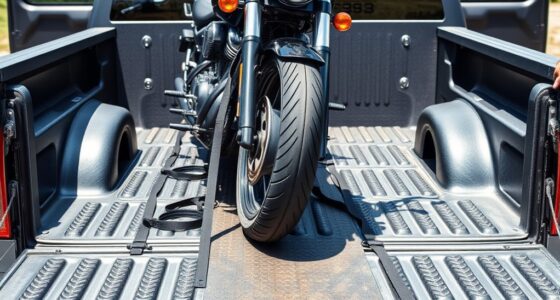

The biggest truck bed loading mistakes are overloading, improper weight distribution, unsecured cargo, poor planning, and ignoring vehicle limits. Overloading can cause handling issues and mechanical failure, while uneven weight shifts make driving unsafe. Failing to secure loads increases the risk of shifting during transit, and poor planning leads to instability. By avoiding these pitfalls and understanding your truck’s limits, you’ll guarantee safer, more stable trips. Keep going to discover more expert tips on how to load safely.
Key Takeaways
- Avoid overloading beyond the truck’s maximum payload capacity to prevent handling issues and mechanical failure.
- Distribute weight evenly, placing heavy items at the bottom and near the front for better stability.
- Secure cargo tightly with quality straps or tie-downs to prevent shifting during transit.
- Plan load placement to keep the center of gravity low and avoid stacking items too high.
- Always respect vehicle weight limits to maintain safe handling and prolong truck lifespan.

Loading a truck bed might seem straightforward, but many drivers make common mistakes that can compromise safety and damage their vehicles. One of the biggest errors is neglecting proper loading safety. When you overload your truck or improperly secure your cargo, you risk accidents, injury, and damage to your vehicle. It’s essential to always assess the weight of your load before you start loading. Know your truck’s maximum payload capacity, which you can usually find in the owner’s manual or on a sticker inside the driver’s door. Exceeding this limit can lead to reduced handling, increased braking distance, and even mechanical failure.
Avoid overloading your truck to ensure safety, proper handling, and prevent vehicle damage.
Another critical aspect of safe loading is weight distribution. Many drivers focus on fitting as much as possible into their truck bed without considering how the weight is spread out. Poor weight distribution can cause your truck to become unbalanced, especially during turns or sudden stops. To avoid this, always place heavier items at the bottom and towards the front of the bed, near the cab. This helps keep the center of gravity low and stable, improving handling and reducing the risk of tipping. Distributing weight evenly across the bed is equally important. Avoid piling everything on one side; instead, load items symmetrically to maintain balance. Ensuring proper cargo placement can drastically improve vehicle stability and safety. Proper planning and understanding of your vehicle’s capacity are essential for safe loading practices, especially considering vehicle weight limits and their impact on handling.
Securing your cargo properly is another common mistake. Even if your weight is distributed correctly, unsecured loads can shift during transit, affecting both safety and vehicle control. Use high-quality tie-downs, straps, or ropes, and make sure everything is tightly fastened before hitting the road. Check periodically during your trip, especially on longer drives, to ensure nothing has come loose. Incorporating secure cargo techniques can further prevent shifting and accidents.
Additionally, many drivers underestimate the importance of planning their load. Before you start loading, visualize how the cargo will settle and plan accordingly. Place heavier items first, then lighter ones on top or in front to prevent shifting. Avoid stacking items too high, which can obstruct your rearview mirror and make the vehicle top-heavy. Properly loading for safety and ideal weight distribution isn’t just about protecting your truck; it’s about ensuring your safety and that of everyone around you. Taking the time to load carefully, secure your cargo, and respect your vehicle’s limits will make your journey safer, smoother, and more efficient. Being aware of vehicle weight limits and how they impact handling can help prevent accidents and prolong your vehicle’s lifespan.
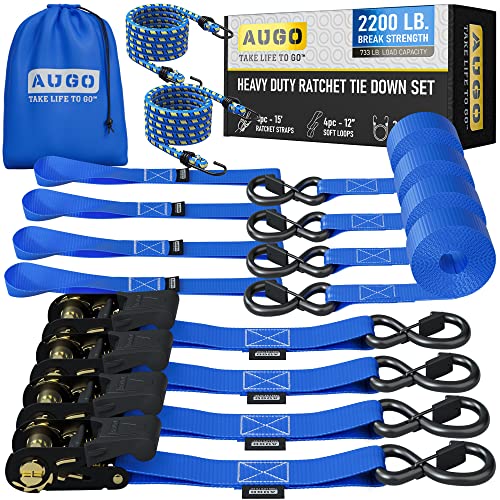
AUGO Ratchet Straps Heavy Duty 4 Pack -15 FT – 2200 LB Break Strength – with Safety Lock S Hooks – Cargo Straps for Moving, Appliances, Motorcycle – Soft Loop Tie Down Straps
TIE DOWN ANYTHING WITH CONFIDENCE | Pack of [4] 15 Ft Ratchet Strap Tie Downs Provides Durable, Dependable…
As an affiliate, we earn on qualifying purchases.
As an affiliate, we earn on qualifying purchases.
Frequently Asked Questions
How Can I Prevent Cargo From Shifting During Transit?
To prevent cargo from shifting during transit, you should secure your load properly. Use cargo netting to hold items in place and guarantee it’s tight. Focus on proper load distribution by placing heavier items on the bottom and centering the weight. This balance reduces movement and maintains stability. Regularly check your restraints during transit to make sure everything stays secure, keeping you and your cargo safe on the road.
What Are the Legal Weight Limits for Truck Beds?
The legal weight limits for truck beds vary by vehicle and jurisdiction, but generally, you should not exceed the manufacturer’s maximum payload capacity. Proper weight distribution is essential to maintain stability and safety, so evenly distribute cargo across the bed. Staying within these legal limits guarantees compliance with laws, reduces the risk of penalties, and helps prevent accidents caused by overloading. Always check your truck’s weight ratings before loading.
How Do I Secure Fragile Items Properly?
To secure fragile items properly, use effective packing techniques like wrapping each item with padding materials such as bubble wrap, foam, or blankets. Place these items snugly in the truck bed, ensuring they don’t shift during transit. Use straps or bungee cords to hold the packed items firmly in place, and add extra padding around the edges. This approach minimizes movement and protects your fragile belongings from damage.
What Tools Are Best for Loading Heavy Items Safely?
To load heavy items safely, you should use strong loading straps to secure the load tightly, preventing shifting during transit. Additionally, employ proper lifting equipment like dollies, hand trucks, or forklifts to handle heavy objects efficiently and reduce injury risk. Always inspect your tools for damage before use, and confirm you follow safety protocols. Using the right combination of loading straps and lifting equipment makes loading safer and more manageable.
How Often Should I Inspect My Truck Bed for Damage?
Don’t wait until it’s too late to check your truck bed; regular inspections are key. You should examine it at least once a month, especially after heavy loading or rough drives. This routine is essential for truck bed maintenance and damage prevention. Look for dents, rust, or loose hardware, and address issues promptly. Staying vigilant keeps your truck in top shape and helps you avoid costly repairs down the line.

Everest Premium Ratchet Tie Down – 1 PK – 2 IN – 27 FT – 3333 LBS Working Load – 10000 LBS Break Strength – Double J Hook – Cargo Straps Perfect for Moving Appliances, Lawn Equipment and Motorcycles
Features aluminum handle
As an affiliate, we earn on qualifying purchases.
As an affiliate, we earn on qualifying purchases.
Conclusion
By avoiding these common truck bed loading mistakes, you’re steering clear of potential mishaps that could turn your haul into a nightmare. Think of your truck bed as a delicate puzzle—you’re the master at fitting pieces together safely and securely. When you load smartly, you’re not just protecting your cargo, but also ensuring your journey stays smooth as a well-oiled machine. So, load wisely, and let your truck be the steady ship it’s meant to be.

EZ4X4 Truck Buddiez EZ Bed Anchor 2pk– Easily Secures Your Ratchet Straps, Tie Downs, or Cargo Straps to Your Truck Bed Tailgate in Seconds! Patent Pending
● Instant Secure Anchoring: Quickly create strong anchor points at the rear of your truck bed. No need…
As an affiliate, we earn on qualifying purchases.
As an affiliate, we earn on qualifying purchases.
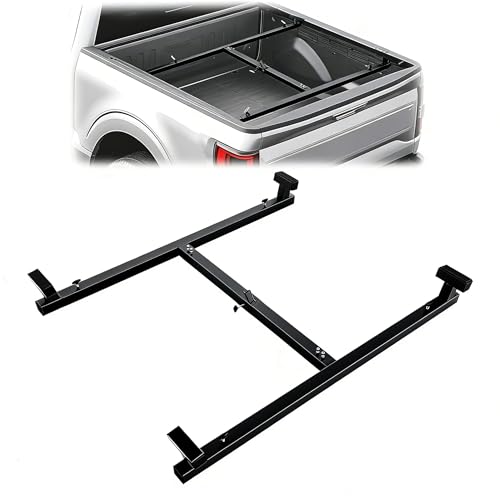
GarveeTech Truck Bed Lifter Box for Pickups Trucks, Heavy-Duty Truck Bed Lift Support 800 LBS Weight Capacity and Capacity Works On Beds, Black
ADJUSTABLE DESIGN: Adjustable support arms to fit the size of the truck, and an adjustable center hook that…
As an affiliate, we earn on qualifying purchases.
As an affiliate, we earn on qualifying purchases.