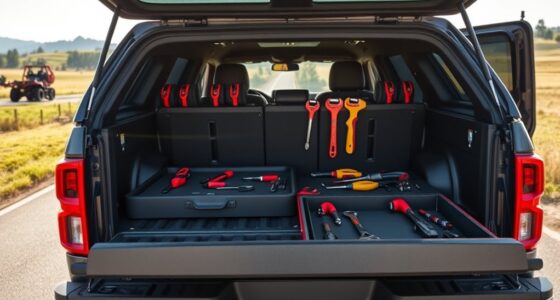
To guarantee other drivers see your long load, use clear, large “OVERSIZE LOAD” signs at least 7 feet long and 18 inches high with bold black letters on a yellow background. Attach bright red flags on all four corners of wider loads and position everything at least 7 feet high and unobstructed. Add reflective tape, proper lighting, and ensure your markings stay visible throughout the trip. Keep these tips in mind, and you’ll improve safety and visibility—learn more to get it just right.
Key Takeaways
- Use large, highly visible “OVERSIZE LOAD” signs at least 7 feet long and 18 inches high with black letters on a yellow background.
- Attach red flags, at least 18 inches square, securely to all four corners of wide loads extending beyond 12 feet.
- Apply reflective tape and decals along load edges and signage to enhance visibility in low-light and nighttime conditions.
- Mount high-mounted warning lights (amber or yellow) at least 53 inches above the road, ensuring they are functioning and clearly visible.
- Regularly inspect and maintain all markings, flags, and lights to ensure continued compliance and maximum visibility during transit.
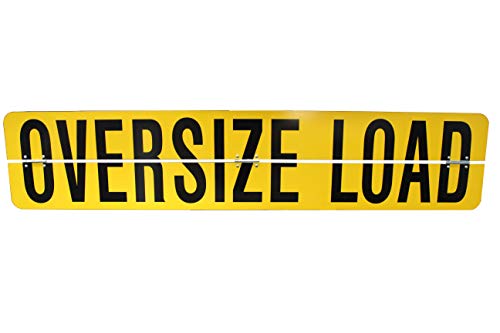
Oversize Load Sign – Aluminum, Center Hinged, Reflective (Black on Yellow, 60" x 12")
Perfect for Trailers, Flatbed Trucks and other Vehicles Requiring Professional Signage Attached for Travel
As an affiliate, we earn on qualifying purchases.
As an affiliate, we earn on qualifying purchases.
Understanding the Legal Requirements for Load Markings
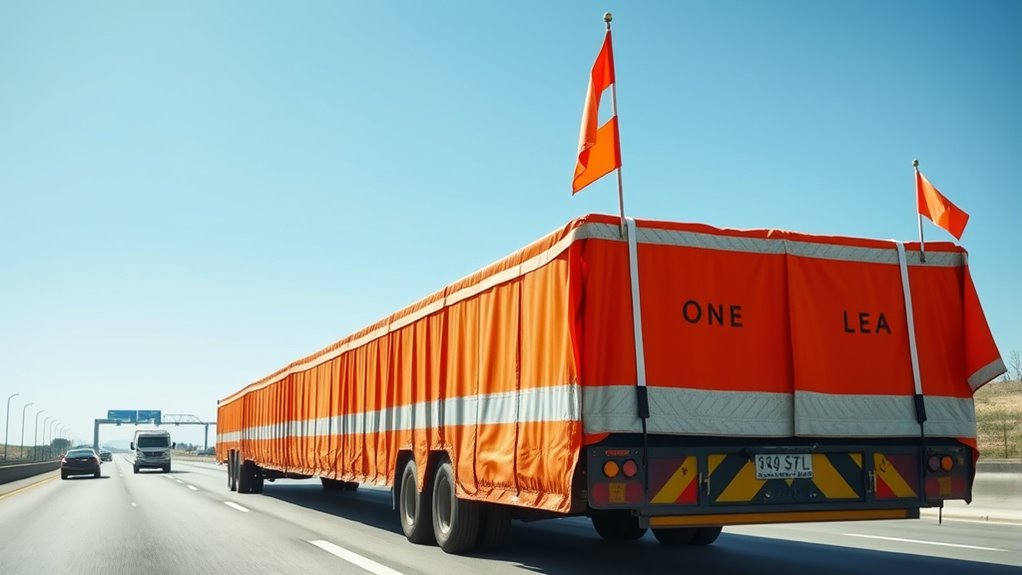
Understanding the legal requirements for load markings is vital to guarantee compliance and safety during transport. If your load exceeds certain dimensions, like 10 feet in width, you must display “OVERSIZE LOAD” signs at the front of your vehicle and the rear of the load. These signs should be at least 7 feet long, 18 inches high, with black letters 10 inches tall on a yellow background for maximum visibility. For loads wider than 12 feet, red flags measuring at least 18 inches square are mandatory on all four corners. Additionally, escort vehicles need special signage, flags, and lights to warn other drivers. Failing to meet these requirements can lead to fines, delays, and safety risks, so always verify specific state regulations before hauling. Proper projector technology can also improve visibility and safety during transport and setup.

Warp's Red Safety Flags 18" x 18" -500 per Roll
Heavy duty red signal flags
As an affiliate, we earn on qualifying purchases.
As an affiliate, we earn on qualifying purchases.
Choosing the Right Signage for Clear Visibility
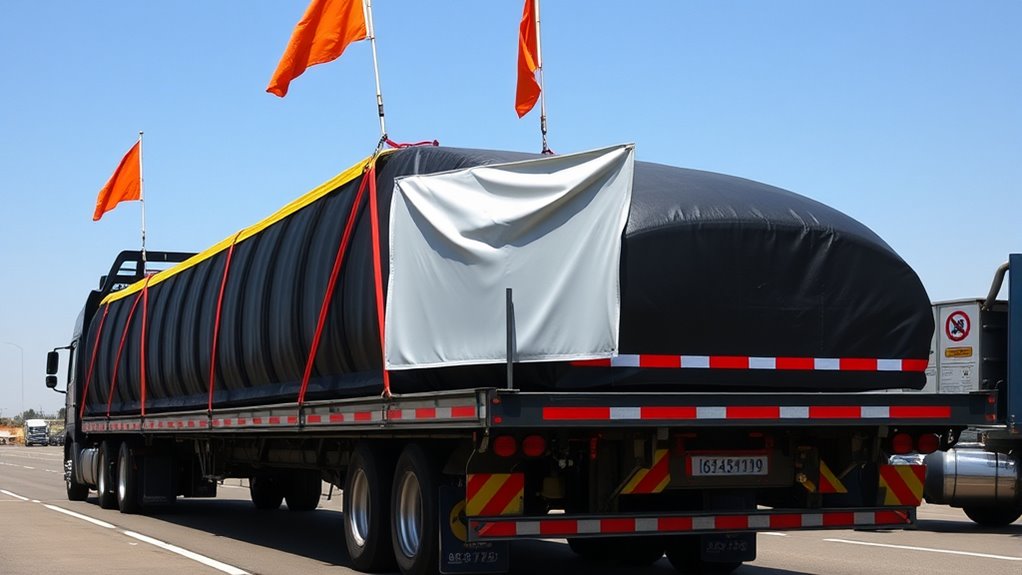
To make certain your long load is visible and compliant, choosing the right signage involves selecting appropriate sign size and colors that stand out on the road. You’ll also need to focus on proper placement and regular maintenance to keep signs legible and secure. When you prioritize these factors, you improve safety and meet legal requirements effortlessly. Additionally, considering Free Floating concepts can help ensure signs are adaptable to changing conditions and surroundings.
Sign Size and Color
How do you guarantee your long load is visible and compliant on the road? The key is choosing the right sign size and color. Your “OVERSIZE LOAD” sign must be at least 7 feet long and 18 inches high, with bold black letters at least 10 inches tall on a bright yellow background. This color combination ensures high contrast and quick readability from a distance. Larger signs improve visibility, especially in fast-moving traffic or adverse weather. Avoid dull or dark colors that blend into surroundings. Bright yellow with black lettering stands out best, catching drivers’ attention early. Proper sizing and color help meet legal standards, improve safety, and give you peace of mind knowing your load is clearly marked for all road users. Incorporating connected technologies such as reflective materials and LED lighting can further enhance visibility in low-light conditions.
Placement and Maintenance
Proper placement and regular maintenance of your signage are essential to guarantee long load visibility. You want signs positioned at the front and rear of the load, ensuring they’re unobstructed and easily readable from a distance. Mount signs at the correct height—typically at least 7 feet long and 18 inches high—so they’re visible over other vehicles and obstacles. Check and clean signs frequently to remove dirt, debris, or damage that could reduce their reflectivity and legibility. Replace any worn or faded signs promptly. Flags should be securely attached at all four corners of wider loads, especially those exceeding 12 feet. Regular inspections during transit help maintain high visibility, ensuring drivers and the public stay alert to the load’s presence and size.

WAENLIR 2 inch x 160Feet Dot Reflective Tape Outdoor Waterproof High Visibility Safety Tape, Red and White Adhesive Conspicuity Tape for Trailer, Cars, Trucks, Cinta reflectiva para camiones
Size: 2"inch wide x 160ft" length,6" red and 6" white Repeated, along with an additional layer of rhombus…
As an affiliate, we earn on qualifying purchases.
As an affiliate, we earn on qualifying purchases.
Proper Placement of Flags on Wide Loads

When transporting wide loads, placing flags correctly is essential for safety and visibility. You should attach red flags at each corner of the load, especially if it extends more than 4 feet beyond your vehicle’s edges. Ensure each flag is at least 18 inches square and securely fastened to prevent movement. For loads wider than 12 feet, flags on all four corners are mandatory to alert other drivers of your load’s width. Position the flags so they’re clearly visible from a distance, not obstructed by cargo or vehicle parts. Check regularly during transit to confirm they remain in place and visible. Proper flag placement helps other drivers judge your load’s size accurately, reducing the risk of accidents or violations on the road. Additionally, understanding environmental considerations like minimizing impact and adhering to safety regulations contributes to responsible hauling practices.

V-SEK 47" Amber Yellow Extreme High Intensity Construction Emergency Warning Strobe Light Bar Roof Top Low Profile Law Enforcement Hazard Flashing 88 LED For Tow Truck Vehicle (Amber/Yellow 88LED 47")
High intensity LED. Light Color: Amber. Working Wattage: 88W (1W/LED). Waterproof Rate: IP 65,Last pattern memory recall.
As an affiliate, we earn on qualifying purchases.
As an affiliate, we earn on qualifying purchases.
Ensuring Adequate Lighting for Nighttime Visibility

To keep your long load visible at night, you need to use high-mounted warning lights that can be seen from a distance. Reflective materials on signs and load edges also play a vital role in catching headlights and other light sources. Making certain these lighting elements are properly installed and maintained helps guarantee safety and compliance during nighttime transport. Additionally, incorporating energy-efficient lighting solutions can enhance visibility while reducing energy consumption and environmental impact.
High-mounted Warning Lights
High-mounted warning lights are essential for guaranteeing long loads remain visible during nighttime or low-light conditions. You should mount amber or yellow flashing, rotating, or strobe lights at least 53 inches above road level, making them easy for other drivers to see from a distance. These lights alert approaching vehicles to the presence of a long load, especially in poor visibility situations. Confirm the lights are functioning properly before starting your trip and keep them clean for maximum brightness. Use multiple lights along the length of your vehicle if needed, particularly on wide or extended loads. Proper placement and operation of high-mounted warning lights help prevent accidents and improve safety for everyone sharing the road. Regularly checking that warning lights are properly maintained ensures they remain effective when needed.
Use of Reflective Materials
Have you considered how reflective materials can considerably boost the visibility of long loads at night? Reflective tape and decals are essential for making your load stand out in low light. They bounce headlights back to drivers, ensuring your load remains noticeable from a distance. Proper placement is key—apply reflective tape along load edges, corners, and sign panels for maximum effect. Using high-quality, durable reflective materials prevents deterioration and maintains visibility throughout your journey. This simple step can prevent accidents, fines, and delays.
In addition, understanding gadget insights about reflective materials can help you select the most effective options for your needs.
- Boost safety by making your load visible from afar, reducing the risk of collisions.
- Instill confidence in other drivers, knowing your load is clearly marked.
- Comply with regulations, avoiding penalties while ensuring a smooth trip.
Coordinating With Escort Vehicles for Enhanced Safety

Effective coordination with escort vehicles is essential for guaranteeing the safety of both the oversize load and other road users. You should establish clear communication channels, such as radios or cell phones, to relay real-time information about traffic, hazards, and route changes. Ensure escort drivers are aware of your load’s dimensions, speed, and travel schedule. Use standardized signage, flags, and flashing lights on escort vehicles to alert nearby drivers and provide guidance. Maintain consistent spacing and positioning of escort cars to create a buffer zone around the load, especially in congested areas or tight turns. Regularly check that escort vehicles’ markings and lights are visible, functioning properly, and compliant with regulations. Incorporating high-visibility lighting can significantly enhance the visibility of escort vehicles, especially during low-light conditions. This coordination helps prevent accidents, reduces confusion, and facilitates smooth passage.
Using Reflective Materials to Improve Nighttime Detection
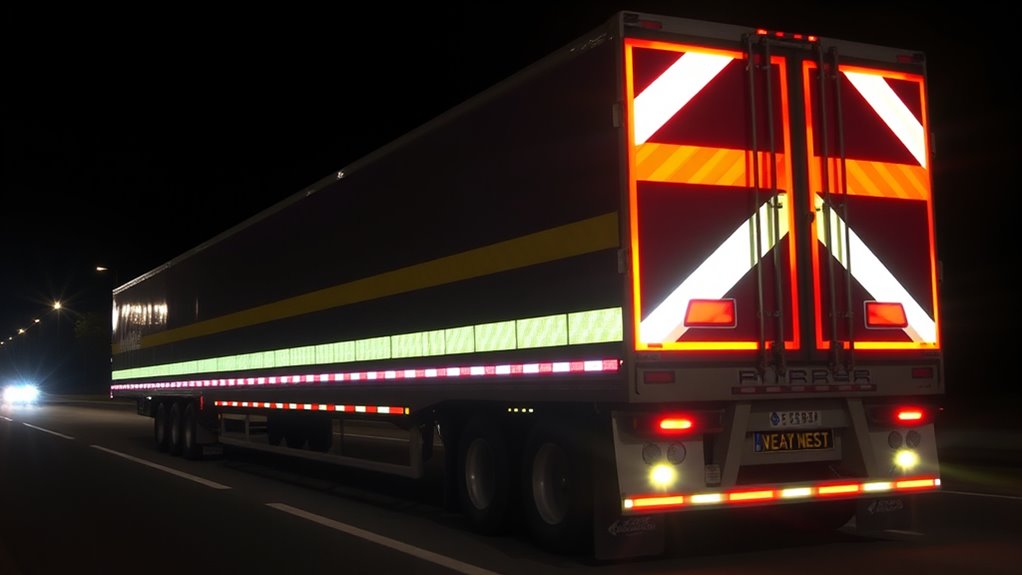
Using reflective materials on your load and signage substantially enhances visibility during nighttime or low-light conditions. Reflective tape or decals catch headlights and light sources, making your load stand out clearly from a distance. Proper application guarantees approaching drivers recognize the size and boundaries of your load, preventing accidents. Incorporating reflective materials maximizes visibility to ensure your load is seen from afar, even in challenging lighting conditions.
Enhance nighttime safety with reflective materials that improve load visibility and prevent accidents.
- Create a glowing outline that alerts drivers well in advance, reducing sudden braking or swerving.
- Use high-contrast reflective strips on edges and corners for maximum detection.
- Ensure all signage and flags are equipped with reflective elements to keep your load visible from afar in darkness.
Conducting Regular Inspections of Markings and Flags
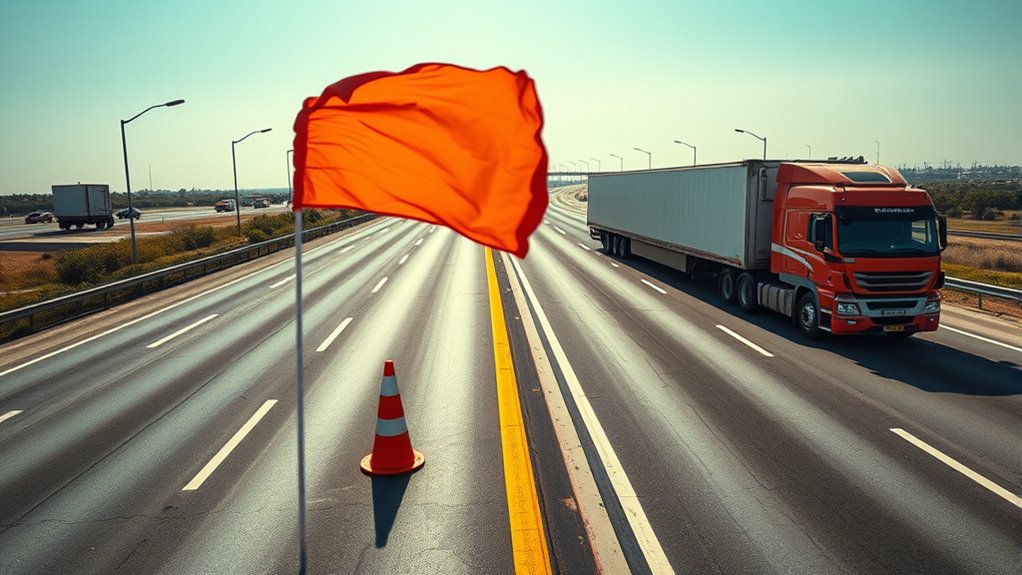
Conducting Regular Inspections of Markings and Flags
Regular inspections of your markings and flags are essential to guarantee they remain visible and securely attached throughout transit. You need to check each sign and flag frequently, especially after rough roads or long hours on the road. Loose or faded markings can cause misunderstandings and safety hazards, so stay vigilant. Use the table below to evaluate your inspection priorities:
| Inspection Focus | Key Concern |
|---|---|
| Sign Attachment | Ensure signs are firmly secured |
| Visibility Condition | Check for fading or dirt buildup |
| Flag Placement | Confirm flags are at all corners |
| Lighting & Reflectors | Verify proper operation and placement |
Additionally, understanding connection standards and proper lighting ensures your markings remain effective and compliant with safety regulations.
Planning Your Route and Timing for Maximum Safety
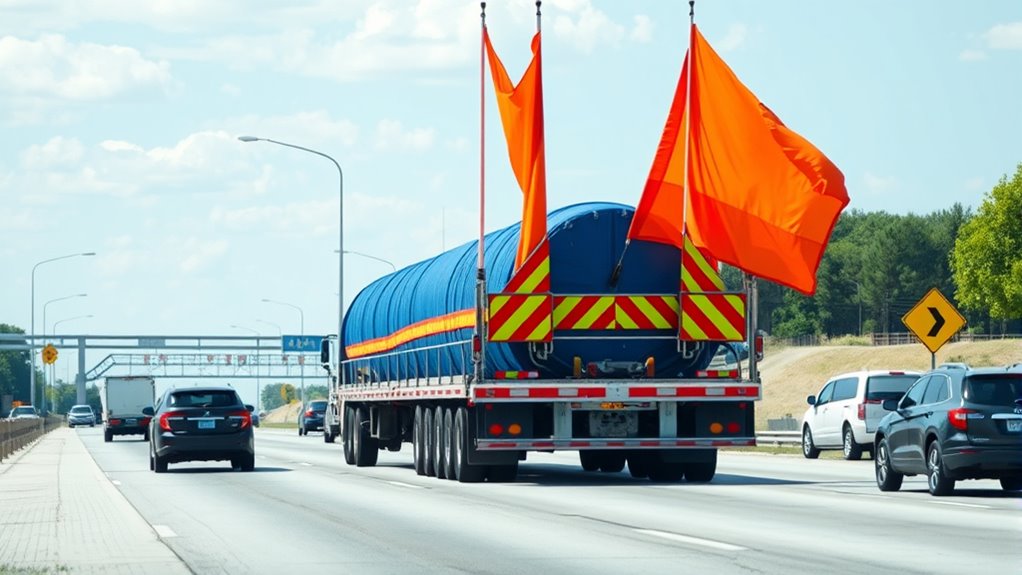
Planning your route and timing carefully is essential to guarantee safety and compliance when transporting long loads. You need to choose routes that accommodate your load’s size, avoiding narrow roads, low bridges, and tight turns. Timing is equally vital—prefer daylight hours and avoid peak traffic to reduce risk. Proper planning helps you identify potential hazards and makes sure you’re prepared to handle them effectively.
Careful route and timing planning ensures safety and smooth delivery of long loads.
Consider these key points:
- Select routes with wide lanes and minimal obstacles to prevent accidents.
- Schedule travel during off-peak hours for better visibility and fewer vehicles.
- Coordinate with authorities for permits and escorts, making certain all safety measures are in place.
Thorough planning minimizes surprises, keeps everyone safe, and makes sure your load reaches its destination smoothly.
Frequently Asked Questions
How Often Should Load Markings Be Inspected During Transit?
You should inspect your load markings at least every two hours or after any stop or delay during transit. Regular checks ensure that flags, signs, and lights stay securely attached, visible, and functional. Make it a habit to verify that reflective tape and other markings haven’t been damaged or fallen off, especially when traveling in poor weather or rough road conditions. Consistent inspections help maintain safety and compliance throughout your journey.
Are There Specific Color Requirements for Signs Beyond Yellow and Black?
Yes, some states or regulations specify additional colors for markings beyond yellow and black, like red flags on protrusions or red warning lights to enhance visibility. These colors help alert drivers and the public to potential hazards or load boundaries. Always check your state’s specific requirements, as regulations vary. Using the correct colors guarantees compliance, improves safety, and makes your load more noticeable, reducing the risk of accidents or penalties.
Can Markings Be Customized for Different Types of Cargo?
Think of your load as a story—each cargo type has its own voice. Yes, you can customize markings to suit different cargo, like adding specific symbols or colors that convey information about the load’s nature or hazards. This personalization helps other drivers understand what they’re approaching, like a book cover warns of its story. Just make certain your custom markings comply with state regulations, ensuring safety and clarity on the road.
What Are the Penalties for Non-Compliance With Signage Regulations?
If you don’t comply with signage regulations, you risk fines, delays, or even license suspension. Authorities may also require you to remove the load, leading to costly stops and rerouting. In some cases, non-compliance can cause traffic citations or legal action, especially if your load causes accidents or hazards. To avoid penalties, always verify your markings, flags, and lights meet state and federal requirements before hitting the road.
How Do Weather Conditions Affect Visibility of Load Markings?
Weather conditions can drastically reduce the visibility of load markings, making them almost vanish like a magician’s trick. Fog, heavy rain, snow, or dust storms can obscure signs, flags, and lights, risking dangerous situations. You need to guarantee that markings are brightly colored, reflective, and mounted securely to withstand the elements. Using additional lighting or flags can help, but always plan for reduced visibility and drive cautiously in adverse weather.
Conclusion
Now that you know how to properly mark long loads, the real challenge begins. Will your markings withstand the test of time and weather? Are your flags and lights clearly visible from a distance, even in the dark? Remember, a small oversight could lead to dangerous situations on the road. Stay vigilant, double-check your setup, and keep safety at the forefront. Because when it comes to long loads, missing a detail could mean more than just a fine.