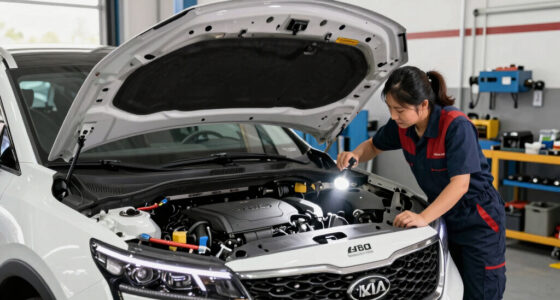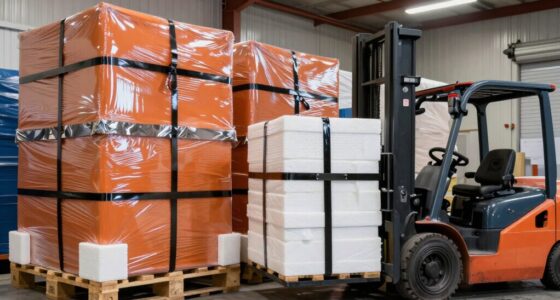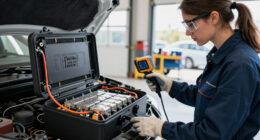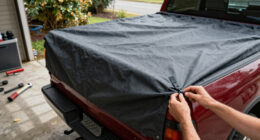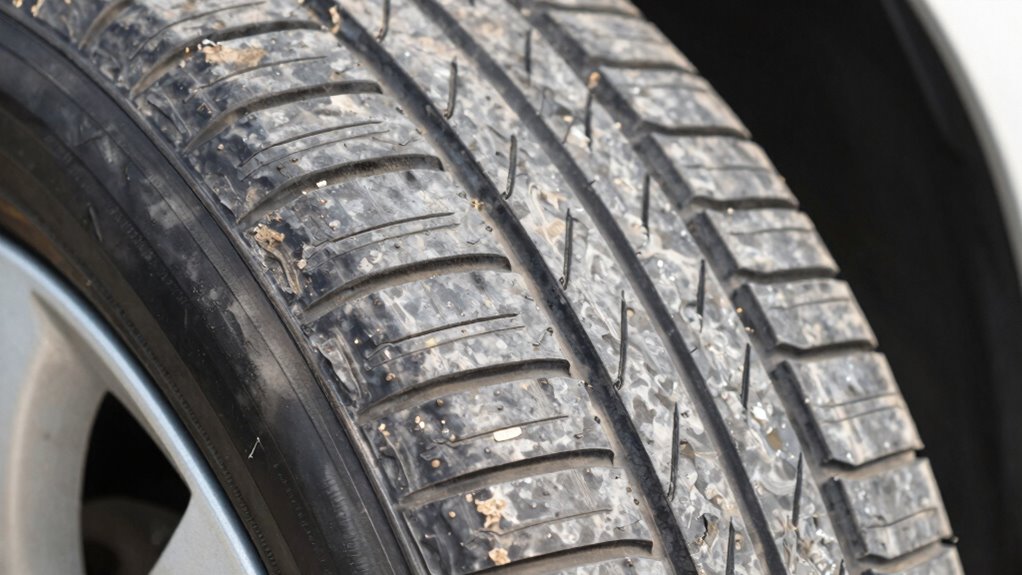

Proper load distribution is essential because it helps keep your tires wearing evenly. When loads are uneven, certain tires take on more weight, causing them to wear faster and unevenly. This can lead to quicker tire degradation and safety issues. Managing load properly, along with correct tire pressure, can prevent these problems and extend tire life. Want to discover more ways to keep your tires in top shape? Keep exploring for useful tips.

Get business pricing on garage and car supplies
- Business-only prices and quantity discounts
- Tax-exempt purchasing
- Multiple users, one account, clear invoices
Key Takeaways
- Uneven load distribution causes certain tires to bear more weight, leading to accelerated wear.
- Proper load balance ensures even contact with the road, promoting uniform tire wear.
- Imbalanced loads increase stress on specific tires, causing faster deterioration.
- Proper load management reduces excessive flexing and uneven wear patterns.
- Maintaining balanced load distribution extends tire lifespan and improves vehicle safety.
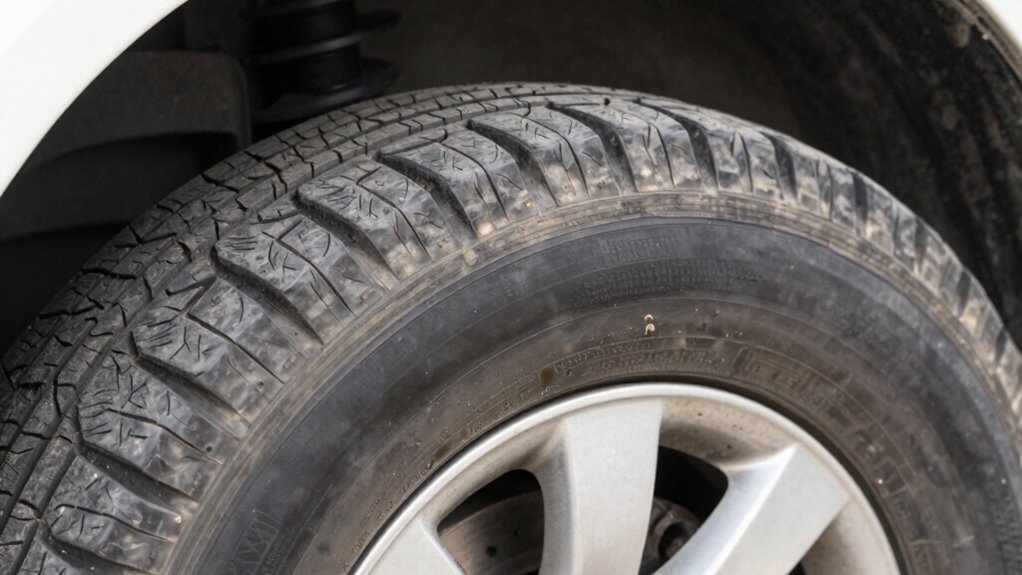
Proper load distribution is crucial for maintaining even tire wear and ensuring your vehicle performs at its best. When the weight is unevenly spread across your vehicle, certain tires bear more load than others, leading to accelerated wear and potential safety issues. This imbalance can stem from not only how you load your vehicle but also from how you manage tire pressure and adapt to road conditions. If your tires aren’t properly inflated, it becomes even more challenging to distribute weight evenly, as underinflated or overinflated tires wear unevenly regardless of load. Maintaining the correct tire pressure is critical because it guarantees the tire contact patch remains consistent, distributing the load evenly and reducing undue stress on specific areas. When tire pressure is off, the tire may flex more on certain sections, causing uneven wear patterns that can shorten its lifespan. Proper tire maintenance is essential for detecting early signs of uneven wear and addressing them before they become serious issues. Ensuring proper wiring safety is also essential in preventing electrical issues that could lead to fire hazards affecting your vehicle’s electrical system. Road conditions also play a significant role in how load distribution impacts tire wear. Smooth, well-maintained roads put less strain on your tires, helping to keep wear patterns more uniform. Conversely, rough or uneven surfaces can cause your tires to experience irregular forces, especially if the load isn’t properly balanced. When you drive over potholes, gravel, or uneven pavement, improperly distributed weight amplifies the stress on certain tires, leading to faster degradation. This is why it’s crucial to adjust your driving habits and vehicle loading based on road conditions to prevent uneven wear and extend tire life. Distributing your load correctly involves more than just balancing weight across your vehicle; it also requires paying attention to how tire pressure interacts with that load. For example, if you’re carrying a heavy load, you might need to increase the tire pressure slightly to compensate for the added weight. Doing so helps maintain the proper shape of the tire, reducing the risk of uneven wear caused by excessive flex or compression. Additionally, as road conditions change, you might need to adjust your tire pressure accordingly—softer tires on rougher roads, for example, can absorb shocks better, but they also need to be inflated correctly to prevent uneven wear. Proper load distribution not only enhances safety but also extends the lifespan of your tires, saving you money in the long run.
As an affiliate, we earn on qualifying purchases.
Frequently Asked Questions
How Does Load Distribution Impact Fuel Efficiency?
Proper load distribution directly impacts your fuel economy by maintaining ideal weight balance across your vehicle. When weight is evenly spread, your engine doesn’t have to work harder to move uneven loads, leading to better efficiency. If the load shifts or becomes unbalanced, your vehicle uses more fuel to compensate for increased rolling resistance and strain on components. Keeping a balanced weight ensures smoother driving and maximizes your fuel savings.
Can Uneven Load Distribution Cause Tire Blowouts?
Ironically, uneven load distribution can indeed cause tire blowouts, risking your road safety. When weight isn’t balanced, your tires experience uneven wear and increased stress, compromising tire balance. This imbalance can lead to sudden blowouts, especially at high speeds. So, neglecting proper load distribution isn’t just bad for your tires—it’s a dangerous oversight that endangers your safety on the road. Always guarantee your load is evenly distributed for a safer drive.
What Tools Are Best for Measuring Load Distribution?
You should use weight sensors to measure load distribution accurately. These sensors help you identify uneven weight placement across your vehicle or trailer, enabling effective load balancing. By monitoring the weight sensors regularly, you can guarantee each tire bears an appropriate load, preventing uneven wear and potential blowouts. Proper load balancing is vital for safety, fuel efficiency, and extending your tires’ lifespan, so investing in reliable measurement tools is necessary.
How Often Should Load Distribution Be Checked?
You should check your load distribution regularly, ideally every few thousand miles, to keep everything running smoothly. This proactive approach helps identify subtle issues before they become bigger problems, much like maintaining good tire balancing and wheel alignment. Regular checks guarantee even tire wear, improve safety, and extend tire life. Don’t wait for signs of trouble—stay ahead by making these inspections part of your routine for peak vehicle performance.
Does Load Distribution Affect Tire Pressure Requirements?
Yes, load distribution affects tire pressure requirements. When your load isn’t balanced, you need to adjust tire pressure accordingly to guarantee proper load balancing. Uneven weight distribution can cause certain tires to carry more weight, requiring higher tire pressure to prevent uneven wear or damage. Regularly checking your load distribution helps maintain ideal tire pressure, extending tire life and ensuring safe driving conditions.
As an affiliate, we earn on qualifying purchases.
Conclusion
Proper load distribution isn’t just about handling; it directly impacts how your tires wear over time. When weight isn’t evenly spread, you risk uneven tire wear, leading to more frequent replacements and higher costs. Did you know that uneven tire wear can reduce a tire’s lifespan by up to 30%? By maintaining balanced load distribution, you guarantee your tires last longer, perform better, and keep you safer on the road. Keep an eye on load balance for maximum tire health.
As an affiliate, we earn on qualifying purchases.
As an affiliate, we earn on qualifying purchases.
Fall Picks
fall essentials
As an affiliate, we earn on qualifying purchases.