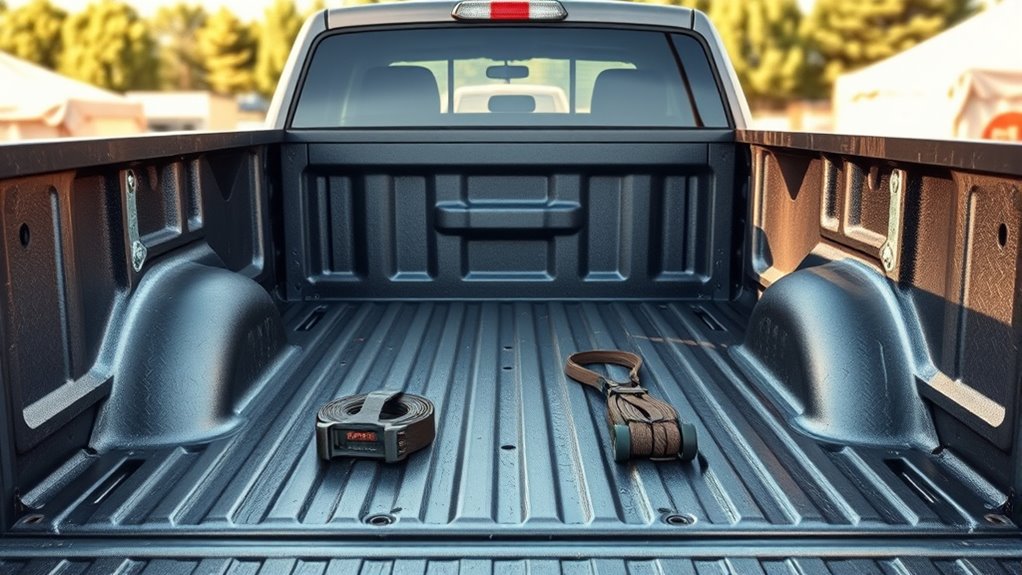

If you’re new to truck ownership, you’ll have many questions about how to clean, protect, and maintain your truck bed. From best cleaning practices and weatherproofing to choosing liners and preventing rust, knowing the right steps can extend your truck’s lifespan. Proper cargo handling and timely repairs also matter. To get expert tips on keeping your truck bed in top shape, continue exploring this extensive guide tailored for you.
Key Takeaways
- Provides comprehensive cleaning, maintenance, and damage repair tips to prolong truck bed lifespan.
- Explains weatherproofing options like covers and sealants for bed protection.
- Covers cargo security, theft prevention, and proper loading practices.
- Details rust prevention, inspection routines, and early damage detection.
- Offers guidance on choosing bed coverings and deep cleaning methods for optimal care.
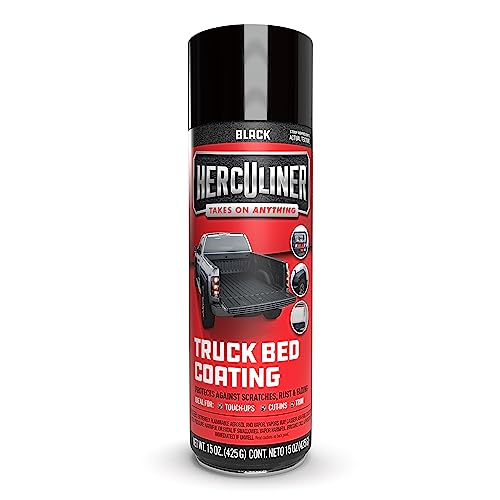
Herculiner Aerosol Spray Truck Bed Liner, 15 Ounce Spray Can, Black, Textured, Suitable For All Truck Beds, 6-7 sq ft Coverage
Herculiner "Original" Truck Bed Liner Aerosol protects against scratches, rust & fading for use as a touch-up or…
As an affiliate, we earn on qualifying purchases.
As an affiliate, we earn on qualifying purchases.
What Are the Best Practices for Cleaning a Truck Bed?
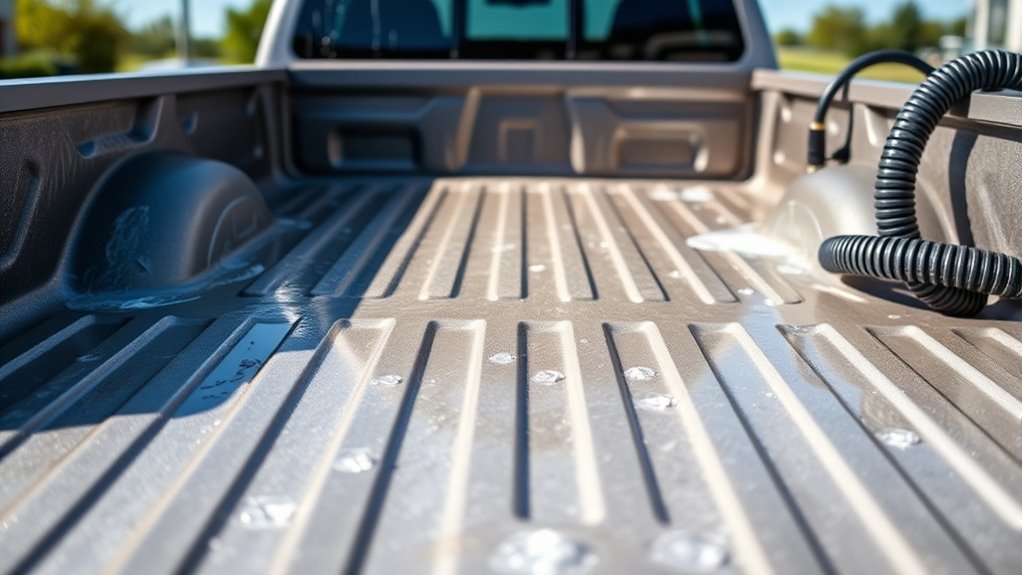
To effectively clean your truck bed, start by removing any loose debris, dirt, and trash. Use a broom or your hands to clear out leaves, mud, or leftover packaging. Next, rinse the bed with water to loosen dirt and grime. Apply a mild soap or car wash solution, making sure it’s safe for your bed liner material. Use a soft-bristled brush or sponge to scrub the surface gently, paying special attention to corners and seams prone to buildup. Rinse thoroughly to wash away soap and dirt. After cleaning, dry the bed completely with a towel or cloth to prevent moisture retention. Proper drying helps avoid mildew and rust formation. Regular cleaning keeps your truck bed looking good and extends its lifespan. Additionally, proper maintenance and inspection can help identify potential issues early and ensure your truck bed remains in optimal condition.

AUTOSAVER88 Soft Roll Up Truck Bed Tonneau Cover Compatible with 2007-2026 Chevy Silverado/GMC Sierra 1500 New Body Style 5.8ft Bed
Compatibility: Autosaver88 soft roll up tonneau cover is compatible with the 5'9" bed of 2007 2008 2009 2010…
As an affiliate, we earn on qualifying purchases.
As an affiliate, we earn on qualifying purchases.
How Can I Protect My Truck Bed From Weather Damage?

Protecting your truck bed from weather damage starts with using covers like tonneau covers or bed caps to block rain and UV rays. Applying spray-on sealants regularly adds extra waterproofing, preventing moisture from seeping in. Don’t forget to remove snow promptly during winter to avoid rust and corrosion. Additionally, considering the use of durable, weather-resistant materials can further extend the lifespan of your truck bed like those used in electric bikes.
Use Protective Covers
Using protective covers is one of the most effective ways to shield your truck bed from weather damage. Tonneau covers and bed caps keep rain, snow, and UV rays out, preventing moisture buildup and sun damage. They also protect your bed from dirt, debris, and bird droppings that can cause stains or corrosion over time. For added waterproofing, consider applying spray-on sealants before covering your bed, especially if you don’t use a full cover regularly. Weatherproof covers are especially useful in harsh climates, as they prevent rust and corrosion caused by moisture and salt. When not in use, make sure your cover fits snugly to avoid wind damage. Regularly inspect and clean your cover to maintain its protective barrier and extend your truck bed’s lifespan. Incorporating European cloud innovation into your vehicle maintenance routine can also help you manage your vehicle’s accessories and protect it with smart, energy-efficient solutions.
Apply Sealants Regularly
Applying sealants regularly creates a waterproof barrier that shields your truck bed from moisture, salt, and other weather-related damage. Consistent application prevents water from seeping into seams, cracks, and small openings, reducing rust risk and corrosion. Start by cleaning your truck bed thoroughly to remove dirt and debris, then dry it completely. Use a high-quality spray-on or brush-on sealant designed for truck beds, following the manufacturer’s instructions carefully. Reapply every few months or after heavy rain or washing to maintain protection. Sealants also help preserve the integrity of protective liners and paint, extending your truck bed’s lifespan. Regular sealing is an easy, cost-effective way to keep your truck bed looking good and functioning well despite exposure to harsh weather conditions. Proper airflow around the truck bed can also help in the drying process and prevent mold or mildew formation.
Remove Snow Promptly
Have you considered how snow buildup can harm your truck bed? When snow accumulates, it traps moisture against the surface, increasing the risk of rust and corrosion. To protect your truck bed, make it a priority to remove snow promptly after storms or heavy snowfall. Use a soft-bristled broom or a plastic shovel to clear away snow without damaging the bed liner or paint. Avoid letting snow sit for extended periods, as melting and refreezing can cause cracks or chips. After removing the snow, dry the surface thoroughly to prevent moisture from lingering. Applying a waterproof sealant or using a weatherproof cover can add extra protection. Staying proactive with snow removal helps preserve your truck bed’s condition and prolongs its lifespan. Additionally, understanding the importance of contrast ratio can help you choose a suitable projector for outdoor or well-lit environments, ensuring your viewing experience remains optimal despite weather challenges.
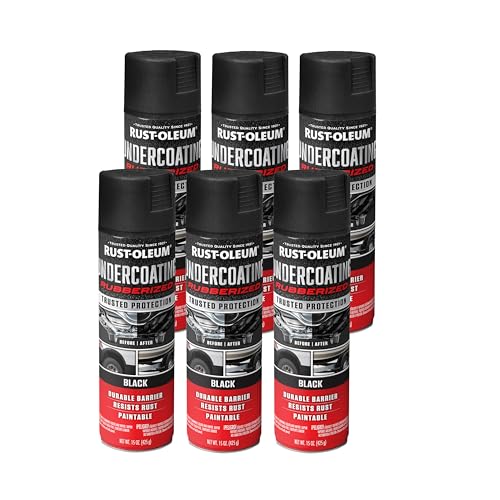
Rust-Oleum 248657-6PK Stops Rust Undercoating Spray, 15 oz, Rubberized Black, 6 Pack
Perfect for use on bare or primed metal underbodies of cars, trucks, trailers, RVs and more
As an affiliate, we earn on qualifying purchases.
As an affiliate, we earn on qualifying purchases.
What Types of Bedliners Are Available, and Which Is Best for My Needs?
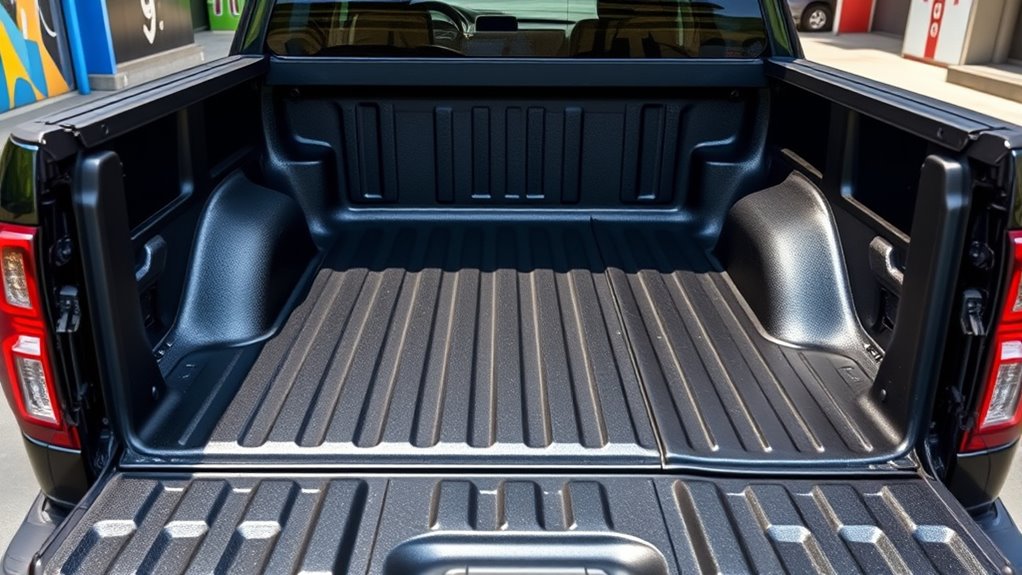
When choosing a bedliner, you’ll want to contemplate material options like rubber, plastic, or carpet, each offering different levels of durability. Installation methods vary from simple drop-in designs to permanent spray-on coatings, affecting maintenance needs. Think about your typical use and budget to determine which liner type will best protect your truck bed over time. Additionally, considering free floating options can provide flexibility and ease of removal when necessary.
Material Options and Durability
Choosing the right bedliner depends on your specific needs and how much protection you require. There are several material options to contemplate. Drop-in liners, made of plastic or rubber, are affordable and easy to install but can trap moisture and cause rust over time. Spray-on liners, usually polyurethane or polyurea, provide a seamless, waterproof coating that resists scratches, dents, and corrosion, making them ideal for heavy-duty use. Rubber mats and carpet liners offer additional cushioning and grip but may wear faster in harsh conditions. Durability varies: spray-on liners tend to last longer and resist damage better, while drop-in liners may need replacement sooner. Your choice should balance cost, ease of installation, and how much protection your truck bed needs for its intended use.
Installation and Maintenance Considerations
Selecting the right bedliner depends on your specific needs, budget, and how much protection your truck bed requires. Drop-in liners are affordable and easy to install, making them a good choice for quick protection. Spray-on liners offer a seamless, watertight seal, providing superior durability but at a higher cost. Rubber, plastic, and carpet liners are ideal for heavy-duty use and protecting against scratches and dents. Regular installation checks are essential to spot cracks or damage early, preventing costly repairs. Maintain your bedliner by cleaning it regularly with gentle soap and water, avoiding harsh chemicals that could cause deterioration. Inspect seams, corners, and bolts often, and address issues promptly to prolong the liner’s lifespan and ensure your truck bed stays protected.

Wontolf 62'' Car Wash Brush with Long Handle, Scratch-Free Soft Bristles Sturdy Car Wash Mop Kit, Complete Car Cleaning Brush Kit Wash Mitt Towel Windshield Squeegee Wheel Tire Brush for Car Truck RV
【62" EXTRA LONG STURDY CAR WASH BRUSH】- Car wash brush with high quality sturdy aluminum poles are not…
As an affiliate, we earn on qualifying purchases.
As an affiliate, we earn on qualifying purchases.
How Do I Properly Install and Maintain a Bedliner?
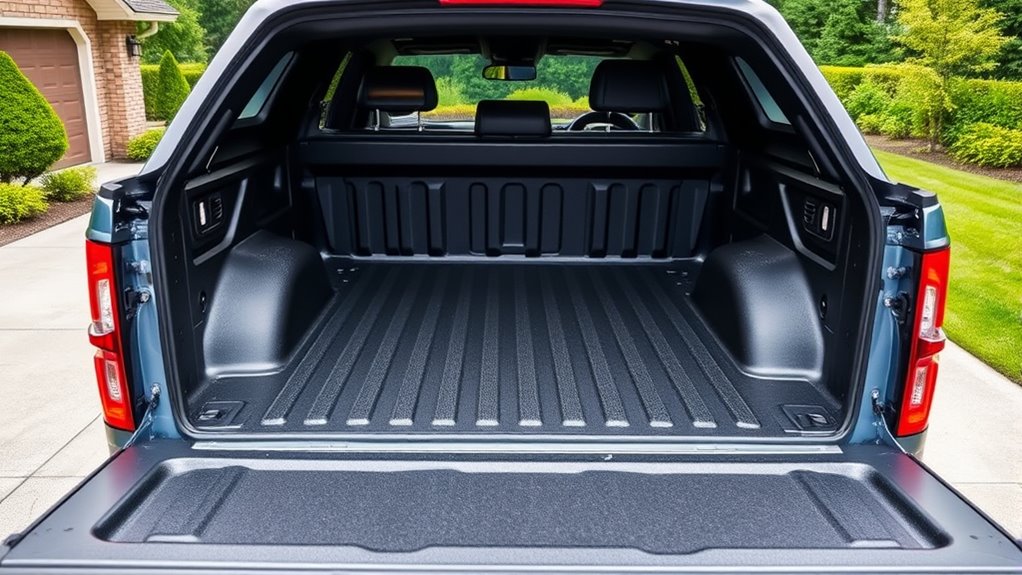
Installing a bedliner correctly is essential to guarantee it provides ideal protection and longevity. Start by thoroughly cleaning your truck bed, removing dirt, rust, and debris. Measure and align the liner carefully before securing it, ensuring it fits snugly without gaps. For drop-in liners, fasten all clips and bolts tightly, checking for movement. If you opt for a spray-on liner, ensure the surface is dry and free of contaminants; professional application is recommended for an even coat. Regular maintenance is key—clean the liner with soap and water, avoiding harsh chemicals. Inspect for cracks, tears, or loose fittings periodically. Promptly address any damage to prevent rust and further deterioration. Proper installation and routine care keep your bedliner effective and durable. Additionally, understanding the materials used in different liners can help you choose the best option for your needs.
What Methods Are Effective for Preventing Rust and Corrosion?
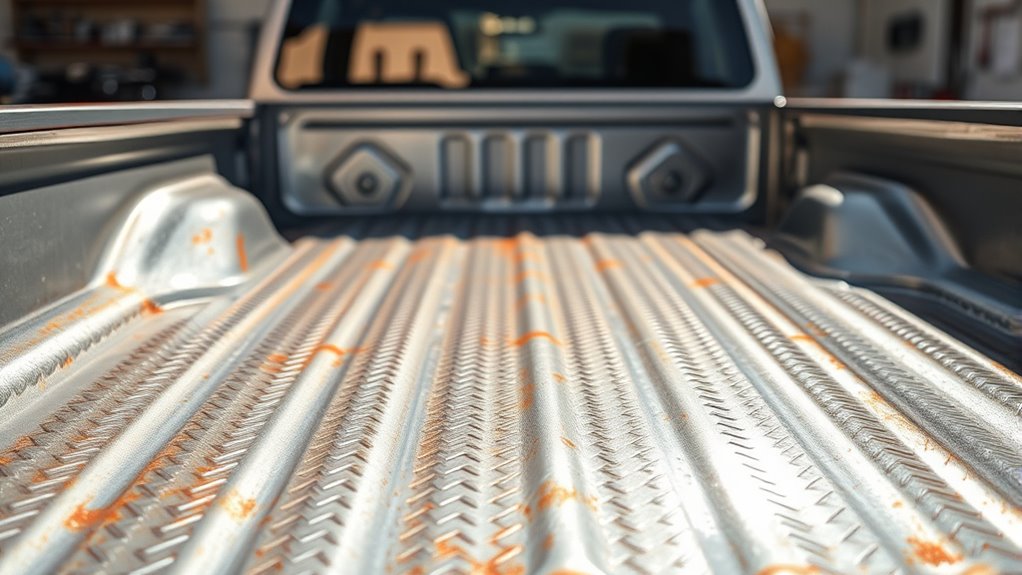
To effectively prevent rust and corrosion on your truck bed, you need to implement a combination of protective measures. Regularly wash your truck with soap and water, paying special attention to corners and seams where moisture can trap. Applying rust inhibitor sprays creates a barrier against moisture and salt, which are primary causes of corrosion. Touch-up paint helps seal any scratches or chips in the paint, preventing exposed metal from rusting. Consider using undercoats or water-displacing films on vulnerable areas. Cover your truck with weatherproof covers or install bed caps to shield it from rain, snow, and UV rays. During winter, remove snow and ice buildup promptly. Additionally, understanding how to properly maintain and protect your truck bed can significantly reduce the risk of rust. These steps combine to considerably extend your truck bed’s lifespan and keep it rust-free.
How Often Should I Inspect My Truck Bed for Damage?

Regular inspections of your truck bed should be performed every few weeks to catch damage early. This routine helps prevent minor issues from turning into costly repairs. During inspections, look for loose bolts, scratches, dents, and signs of rust or corrosion. Check seams, corners, and around fittings, as these areas are prone to damage. Also, examine the bed liner for cracks or tears. Don’t forget to inspect for trapped moisture or debris that could lead to rust. Staying proactive guarantees your truck bed remains in top shape and extends its lifespan. Make these inspections part of your regular maintenance. Promptly addressing issues keeps your truck bed protected and looks great over time. Regularly inspection frequency ensures ongoing durability and safety.
What Should I Do if I Find Rust Spots or Corrosion?
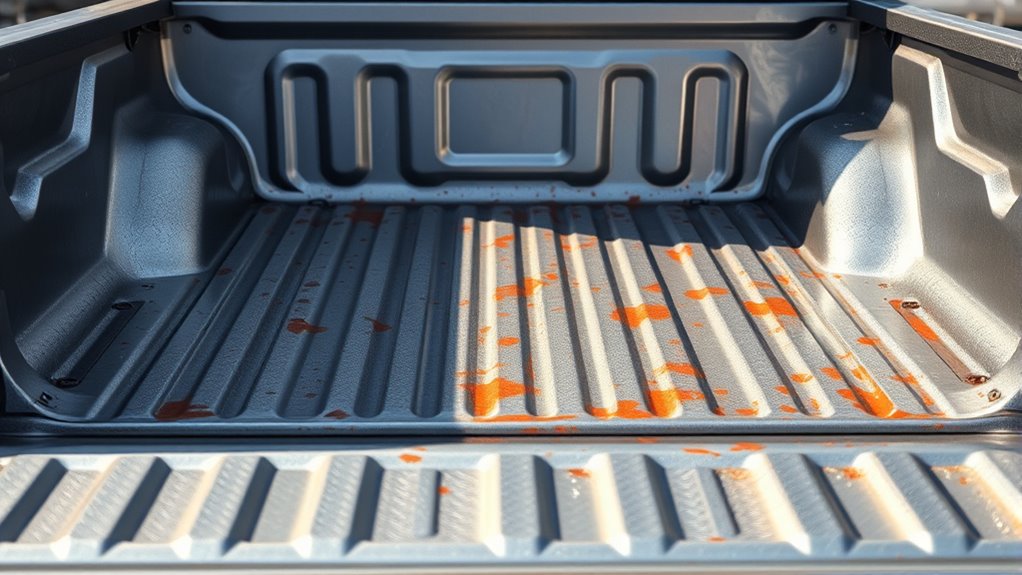
If you spot rust spots or corrosion, it’s important to assess the damage quickly to prevent it from spreading. You should then apply appropriate rust treatments or converters to stop further corrosion. Taking steps to prevent future rust, like adding protective coatings or sealants, will help keep your truck bed in top shape.
Inspect and Assess Damage
Finding rust spots or signs of corrosion on your truck bed means you need to act promptly to prevent further damage. First, thoroughly inspect the affected area to determine the extent of corrosion. Look for bubbling paint, flaky rust, or bubbling metal. Once identified, assess whether the rust is surface-level or penetrating deeper. Address small rust spots early to avoid costly repairs later. Here are steps to help:
- Clean the area with soap and water, then dry completely
- Use a wire brush or sandpaper to remove loose rust and debris
- Apply a rust converter if rust is active, to halt its spread
- Inspect surrounding areas for additional damage or corrosion
- Consider professional repair if rust has penetrated deeply or covers a large area
Early assessment prevents worsening and prepares you for proper treatment.
Apply Rust Treatments
When you spot rust spots or corrosion on your truck bed, promptly applying the right treatments is essential to prevent further damage. First, clean the area with soap and water, then dry thoroughly. Use a wire brush or sandpaper to remove loose rust and paint around the area. Apply a rust converter to neutralize remaining rust; it turns rust into a stable compound. Follow up with a primer and matching paint to seal the surface. Here’s a quick comparison:
| Treatment Type | Purpose |
|---|---|
| Rust Converter | Stops rust progression, prepares surface |
| Primer and Paint | Seals metal and prevents future rust |
| Rust Inhibitor Spray | Adds protective barrier against moisture |
Regularly inspect treated areas and reapply as needed to keep your truck bed protected. For added longevity, consider using protective coatings designed specifically for metal surfaces to further shield against corrosion.
Prevent Future Corrosion
Addressing rust spots or corrosion early helps prevent more extensive damage to your truck bed. When you spot rust, act quickly to minimize its spread. Start by cleaning the area thoroughly with soap and water, then dry it completely. Apply a rust converter to neutralize existing rust and stop it from spreading further. Follow up with touch-up paint to seal exposed metal. Regularly inspect your truck bed, especially in seams and corners prone to moisture buildup. Using rust inhibitor sprays creates a protective barrier against moisture and salt. Keep the bed dry, especially after winter or rain, and consider applying sealants or protective coatings for added defense. Consistent maintenance ensures your truck bed stays corrosion-free longer.
How Can I Prevent Scratches and Dents in My Truck Bed?

To prevent scratches and dents in your truck bed, start by using protective accessories like bed mats, liners, or tarps to cushion heavy or sharp objects during loading and transport. These barriers absorb impact and reduce direct contact, protecting your truck’s surface. When loading items, place softer materials between hard objects and the bed to prevent scratching. Be cautious when sliding items in or out—use gloves or a piece of plywood to minimize friction. Secure cargo properly to prevent shifting that can cause dents. Avoid dragging heavy items across the bed floor. Regularly inspect your truck bed for damage and address issues early. Proper handling and protective gear go a long way in maintaining your truck bed’s pristine condition over time. Additionally, using impact-absorbing materials can further help shield your truck bed from damage during heavy use.
What Are the Advantages of Using a Tonneau Cover or Bed Cap?

Using a tonneau cover or bed cap offers your truck essential weather protection, shielding your cargo from rain, snow, and UV rays. It also enhances security and privacy by keeping valuables out of sight and less accessible. Plus, these covers provide added cargo protection, preventing damage and theft during transport or when parked. Additionally, thermal behavior considerations can help maintain appropriate temperatures for sensitive items stored in the bed.
Weather Protection Benefits
Tonneau covers and bed caps offer essential protection by shielding your truck bed from the elements. They keep rain, snow, and UV rays out, preventing water damage and fading. This protection extends your truck bed’s lifespan and keeps your cargo dry and secure. Additionally, a good cover reduces exposure to dirt, debris, and corrosive substances like salt. You’ll notice less rust formation and fewer maintenance issues over time. Plus, by blocking moisture, these covers help prevent mold and mildew buildup. They also make cleaning easier, as dirt and grime are less likely to stick. Overall, investing in a tonneau cover or bed cap enhances durability, reduces long-term repair costs, and guarantees your truck stays in top condition longer. Smart home technology features like automated climate control can further optimize your vehicle’s environment, protecting it from extreme weather conditions.
Security and Privacy Gains
Ever wonder how to keep your cargo safe from prying eyes and theft? Using a tonneau cover or bed cap enhances your truck’s security by fully enclosing the bed, making it harder for thieves to spot or access your belongings. These covers act as a physical barrier, preventing quick thefts and reducing temptation for opportunists. Additionally, they help deter grab-and-go thefts of tools, equipment, or valuables stored in your bed. Some models come with locking mechanisms, adding an extra layer of protection. By concealing your cargo from view, you also reduce the risk of theft motivated simply by curiosity. Incorporating safe wiring practices when installing your cover can further ensure your vehicle’s electrical systems remain secure and functional. Overall, these coverings give you peace of mind, knowing your items are less visible and more secure during both short stops and extended absences.
Cargo Protection Advantages
Are you looking to protect your truck bed and its contents effectively? Using a tonneau cover or bed cap offers several key advantages. First, it keeps your cargo secure from theft, preventing prying eyes and unauthorized access. Second, it shields your belongings from weather elements like rain, snow, and UV rays, which can damage items or cause rust. Third, it helps improve fuel efficiency by reducing aerodynamic drag. Fourth, it maintains a clean appearance and prevents dirt, debris, and dust from accumulating in the bed. Fifth, it can prolong your truck’s lifespan by protecting the bed surface from scratches, dents, and corrosion. Additionally, espionage techniques like discreet storage can be adapted for securing valuable items on your vehicle. Overall, these covers provide peace of mind and practical benefits that enhance your truck’s utility and durability.
How Do I Choose the Right Cover for My Truck?

Choosing the right cover for your truck depends on your specific needs and how you use your vehicle. Think about protection, security, and convenience. If you want full weatherproofing, a hard tonneau or a retractable cover might be best. For quick access and affordability, a soft roll-up cover works well. Consider how often you load bulky items or need to access your bed. Here’s a quick comparison:
| Cover Type | Benefits | Ideal Use |
|---|---|---|
| Soft Roll-up | Easy to install, lightweight, affordable | Daily use, quick access |
| Hard Folding | Durable, secure, weatherproof | Frequent heavy loads |
| Retractable | Fully enclosed, sleek, secure | Long-term protection, security |
Match your priorities with these options to choose the best fit. Additionally, knowing truck bed materials can help you select a cover that complements your vehicle’s construction and extends its lifespan.
What Techniques Are Recommended for Deep Cleaning and Pressure Washing?

Deep cleaning and pressure washing are essential for maintaining your truck bed’s cleanliness and preventing rust buildup. To do it right, start by removing loose dirt with a gentle rinse. Use a pressure washer set to a moderate pressure to avoid damaging the surface. Focus on corners, seams, and hard-to-reach spots where debris can hide. Employ a heavy-duty nylon brush for stubborn stains or stuck-on grime. Always rinse from the front to the back, side to side, to ensure complete debris removal. After washing, dry your truck bed thoroughly with a cloth or towel to prevent moisture from causing rust. Proper technique keeps your truck bed looking new and helps extend its lifespan. Utilizing the right cleaning techniques can make a significant difference in maintaining your truck bed’s condition.
How Can I Remove Stubborn Dirt and Debris Effectively?
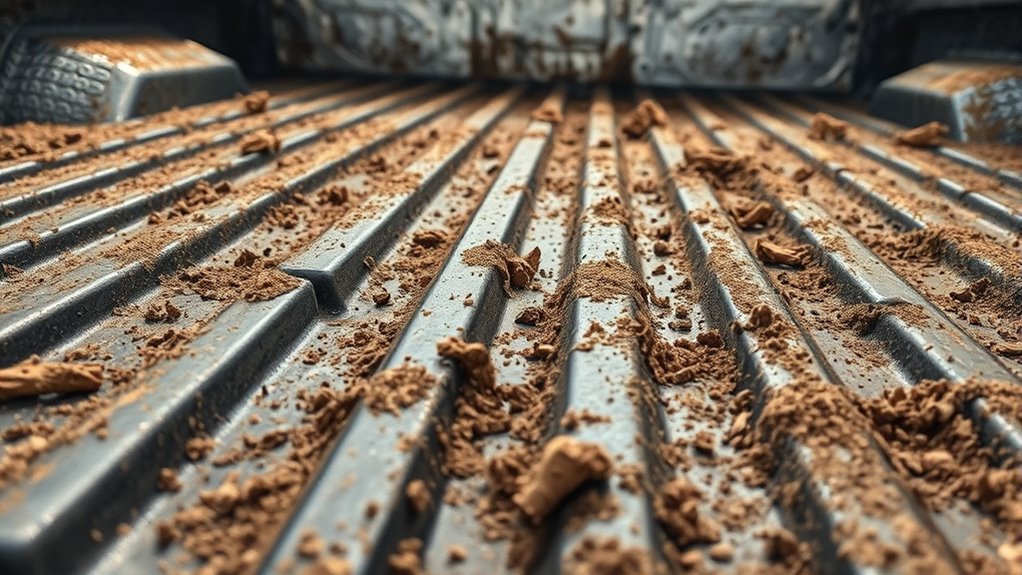
To effectively remove stubborn dirt and debris, start by using a pressure washer set to a high but controlled pressure to loosen grime stuck in corners, seams, and hard-to-reach spots. Focus on directing the spray into crevices to dislodge debris. For persistent stains or stuck-on dirt, use a heavy-duty nylon brush to scrub the affected areas gently but firmly. Always rinse thoroughly, moving from front to back and side to side, ensuring no residue remains. After washing, dry the bed with a clean cloth or towel to prevent moisture buildup. If dirt persists, repeat the process. Regular deep cleaning with a pressure washer and brush helps maintain your truck bed’s appearance and prevents buildup that could lead to rust or damage over time. Additionally, consider protective coatings to shield the bed from future staining and corrosion.
What Are the Benefits of Using Spray-On Bedliner Products?

Spray-on bedliners offer superior durability and protection for your truck bed, shielding it from scratches, dents, and corrosion. They create a seamless, watertight seal that helps prevent rust and damage over time. With this added layer, you can carry heavy or rough items with confidence, knowing your bed is well protected. Additionally, home safety considerations such as proper maintenance can extend the lifespan of your bedliner, ensuring continuous protection.
Durability and Protection
Using spray-on bedliners offers superior durability and protection for your truck bed because they create a seamless, watertight barrier that shields against scratches, dents, and corrosion. This protective coating absorbs impacts, preventing damage from heavy or sharp objects. It also resists UV rays, preventing fading and cracking over time. The waterproof layer stops moisture from seeping in, reducing rust formation. Plus, spray-on liners adhere directly to the metal, ensuring long-lasting coverage. Additionally, navigation and mapping technologies help ensure even application and proper coverage across complex surfaces.
How Do I Ensure My Truck Bed Stays Dry and Protected During Winter?

During winter, keeping your truck bed dry and protected requires proactive measures to prevent rust and corrosion. Regularly remove snow and ice buildup with a broom or snow brush, especially in corners and seams. Cover your bed with a weatherproof tonneau or bed cap to block moisture. Applying a spray-on sealant creates an extra waterproof barrier. Consider rust inhibitor sprays to prevent corrosion from salt and moisture. Periodically inspect for scratches or chips and touch up with paint to seal exposed metal.
| Action | Benefit | Recommended Frequency |
|---|---|---|
| Cover with tonneau cover | Shields from snow, rain, UV rays | Year-round, especially winter |
| Apply sealant | Adds waterproof barrier | Every 3-6 months |
| Inspect for damage | Prevents rust and prolongs bed life | Every 2-4 weeks |
What Are the Best Products for Rust Prevention and Treatment?

The right rust prevention and treatment products can substantially extend your truck bed’s lifespan. Using the proper products guarantees your bed stays protected from moisture and corrosion. Rust inhibitor sprays create a strong barrier against salt and water exposure, preventing rust formation. Applying rust converters on small spots stops rust from spreading and prepares the surface for touch-up paint. Undercoats or water-displacing films are excellent for protecting the underside of your truck. Regular inspections help catch early signs of rust or damage. For treatment, use high-quality touch-up paints that match your truck’s color. These products, combined with routine maintenance, keep your bed in top shape. Incorporating rust prevention techniques into your maintenance routine is essential for long-term durability and appearance.
How Do I Handle Damaged or Worn Bedliner Materials?

When your truck bedliner becomes damaged or shows signs of wear, addressing the issues promptly is essential to maintaining your bed’s protection. Start by inspecting the liner carefully, looking for cracks, chips, or areas where the material has loosened. Small damages can often be repaired with specific patch kits or sealants designed for your liner type. For drop-in liners, replace severely cracked or loose sections to prevent further damage. If the liner is severely worn or cracked beyond repair, consider replacing it entirely. Regularly cleaning and inspecting your liner helps identify issues early, preventing rust or corrosion from forming underneath. Proper maintenance guarantees your bedliner continues to defend your truck from scratches, dents, and environmental damage effectively. Proper maintenance is key to extending the lifespan of your liner and ensuring it remains effective over time.
What Maintenance Routines Should I Follow Regularly?

Regular maintenance is essential to keep your truck bed in top condition and prevent costly repairs down the line. Consistently inspecting and caring for your truck bed saves you time and money.
Regular truck bed maintenance prevents costly repairs and keeps your vehicle in prime condition.
- Wash your bed regularly with soap and water to remove dirt and debris.
- Use soft-bristled brushes to avoid scratching surfaces.
- Check corners and seams for rust or damage and address issues promptly.
- Apply protective coatings like bed liner sealants for added waterproofing.
- Dry thoroughly after cleaning to prevent mildew and corrosion.
- Regularly inspect your truck bed’s drainage system to ensure water does not accumulate and cause rust.
How Do I Safely Remove Snow and Ice Buildup?

Wondering how to safely remove snow and ice buildup from your truck bed? Use a combination of gentle tools and techniques to avoid damaging the surface. Start with a plastic snow shovel or a rubber-edged broom to lift ice and snow without scratching your bed liner or paint. For stubborn spots, apply a de-icing spray or warm water to loosen buildup. Avoid metal tools, which can cause scratches or dents. Here’s a quick guide:
| Method | Precaution |
|---|---|
| Plastic shovel | No sharp edges, gentle lifting |
| Rubber broom | No scratching or gouging |
| De-icing spray | Follow manufacturer instructions |
| Warm water | Prevents cracking from sudden temperature change |
| Air drying | Prevents moisture trapping |
Using appropriate techniques can help maintain your truck bed’s condition and extend its lifespan. Use patience and gentle methods to protect your truck bed’s integrity.
What Are the Signs That My Truck Bed Needs Repairs or Replacement?

Monitoring the condition of your truck bed is vital to maintaining its durability and functionality. Look for obvious signs that indicate repairs are needed before problems worsen. Rust spots, especially around seams and corners, signal corrosion that requires attention. Cracks, dents, or holes in the bed liner suggest damage that could compromise protection. Loose or missing fasteners can cause instability and may lead to further damage. Water leaks or pooling inside the bed point to seal failures or cracks. Additionally, if the paint is peeling or bubbling, it indicates underlying rust or corrosion. Regular inspections help you catch issues early. Addressing these signs promptly saves money and prolongs your truck bed’s lifespan. For example, Support Breakfast options like high-protein dishes can be part of routine maintenance to keep your energy up during repairs.
How Can I Extend the Lifespan of My Truck Bed and Its Components?
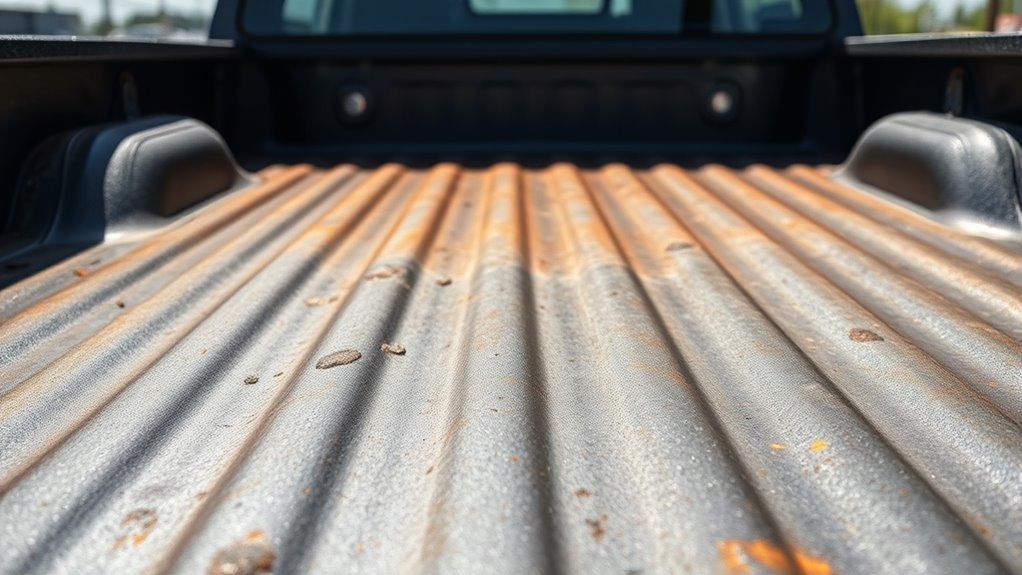
To extend the lifespan of your truck bed and its components, consistent maintenance and proactive care are essential. Regularly wash your truck with soap and water, paying special attention to corners and seams to prevent rust. Use soft-bristled brushes to avoid surface damage. Applying a spray-on sealant or installing a tonneau cover protects against moisture, UV rays, and weather elements. Inspect your bed liner frequently for cracks or damage; prompt repairs help prevent rust and corrosion. Rust inhibitor sprays and touch-up paint create barriers against moisture and salt exposure. Conduct routine inspections every few weeks to catch issues early, such as loose bolts or scratches. Gentle handling during loading and unloading reduces unnecessary wear. Proper storage and weather protection remarkably contribute to long-lasting truck bed health. Additionally, understanding safe installation practices can prevent damage and ensure your truck bed remains durable over time.
What Tips Are There for Handling Cargo to Minimize Damage?
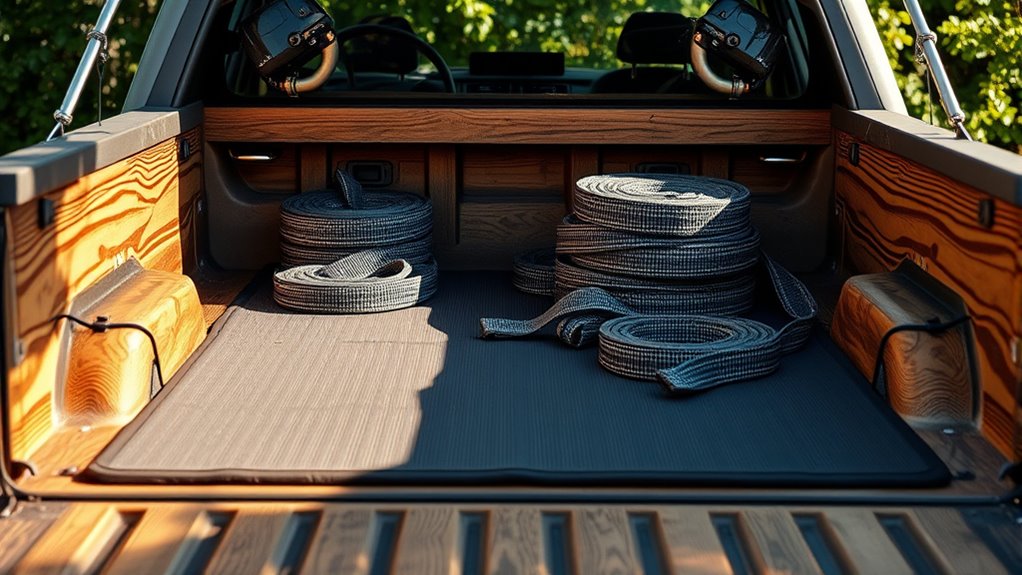
Handling cargo carefully is essential to prevent damage to your truck bed and its components. Proper loading and unloading techniques protect the bed’s surface, prevent dents, and reduce wear on hardware. To keep your truck in top shape, follow these tips:
- Distribute weight evenly across the bed to avoid stress on specific areas
- Use appropriate tie-downs and straps to secure loads firmly
- Avoid dragging heavy items across the bed surface; lift them instead
- Place padding or blankets between sharp or heavy objects and the bed
- Regularly inspect cargo for sharp edges that could cause scratches or punctures
- Incorporate creative storytelling techniques when organizing your cargo to make loading more efficient and engaging.
Frequently Asked Questions
How Do I Prevent Bed Liner Peeling or Cracking Over Time?
To prevent your bed liner from peeling or cracking over time, regularly inspect it for damage or signs of wear. Clean it gently using mild solutions and avoid harsh chemicals. Seal any small cracks or chips promptly with touch-up paint or rust inhibitors. Keep it dry by removing snow or moisture, and consider applying a protective spray or sealant for extra durability. Proper maintenance guarantees your liner stays intact longer.
What Are the Best Ways to Avoid Cargo Shifting During Transport?
To prevent cargo shifting during transport, you should use tie-down straps or bungee cords to secure your items firmly. Placing non-slip mats or bed liners underneath your cargo can add extra grip, reducing movement. Distribute weight evenly across the truck bed and avoid overloading. Regularly check your tie-downs during transit to make certain they stay tight, and consider using cargo nets for added security, especially for loose or bulky items.
Can I Customize My Truck Bed With Additional Accessories?
They say “the devil is in the details,” and customizing your truck bed is no different. You can add accessories like bed extenders, cargo dividers, and toolboxes to suit your needs. Just make sure they’re compatible with your truck model and are securely installed. Regularly check for loose fittings or damage, and use appropriate cleaning methods to keep everything in top shape for safe, functional use.
How Do I Dispose of Old or Damaged Bedliners Properly?
You should recycle or properly dispose of old or damaged bedliners by checking local waste regulations. Many communities have special disposal sites for plastics and rubber materials. If your bedliner is salvageable, consider donating it or repurposing it. Avoid throwing it in regular trash or leaving it in landfills, as this can harm the environment. Always follow local guidelines to guarantee safe, eco-friendly disposal or recycling.
What Are Recommended Storage Solutions for Truck Bed Accessories?
Imagine neatly stacking your truck bed accessories in a cool, dry shed, their colors bright and shapes intact. You should store them in labeled, weatherproof bins or racks to keep dust and moisture out. Hanging hooks or wall-mounted organizers maximize space and prevent damage. Keep everything off the ground, in a stable environment, so your gear stays ready and in top condition whenever you need it.
Conclusion
By following these tips, you can keep your truck bed in top shape for years to come. Regular cleaning, protective measures, and proper maintenance make a big difference. If you worry about the time or effort involved, remember that staying proactive now prevents costly repairs later. Taking a little time to care for your truck bed guarantees it remains durable and reliable, so you can enjoy your vehicle without headaches down the road.