
When towing a trailer for the first time, avoid rookie mistakes like choosing an incorrect trailer size, ignoring proper tongue weight, or not securing your load properly. Overloading beyond limits and using mismatched hitch and ball sizes can also cause safety issues. Making these errors can lead to instability, damage, or accidents. Stay safe by following best practices and learn more tips to ensure a confident and smooth towing experience.
Key Takeaways
- Choose a trailer size that matches your vehicle’s towing capacity for safe handling.
- Ensure proper tongue weight to maintain stability and prevent trailer sway.
- Secure your load correctly, balancing weight and checking regularly during transit.
- Avoid overloading the trailer beyond its maximum capacity to prevent accidents and damage.
- Use the correct hitch and ball size, inspecting connections before driving.

MaxxHaul 70270 Trailer Hitch Hollow Shaft Triple Ball Mount – Black
Hitch ball size: 1-7/8 inch; 2 inch; 2-5/16 inch
As an affiliate, we earn on qualifying purchases.
As an affiliate, we earn on qualifying purchases.
Choosing the Wrong Trailer Size
Choosing the wrong trailer size can substantially impact your safety and the ease of towing. If you pick a trailer that’s too big for your vehicle, handling becomes difficult, and you risk losing control. Always check your vehicle’s towing capacity before selecting a trailer to make certain compatibility. An oversized trailer can also cause poor maneuverability and increase fuel consumption, making your trip more stressful and costly. Mismatched trailer size can lead to legal issues if you exceed weight limits or violate regulations. To avoid these problems, research manufacturer specifications carefully. Choose a trailer that fits your vehicle’s towing capacity and suits your intended use. Properly managing trailer weight and ensuring the load is balanced can also help prevent accidents and mechanical issues. Additionally, understanding trailer weight distribution can significantly improve towing stability. Being aware of industry regulations ensures you stay compliant and avoid fines. Being informed about towing safety tips can further help you prevent accidents and ensure a smooth trip. For example, paying attention to vehicle payload capacity is essential for safe towing. This way, you’ll enjoy safer, smoother towing and prevent unnecessary accidents or mechanical issues.

FZZD RV Trailer Tongue Weight Scale, 1800 lbs Max Weight Capacity, Black
Maximum weighing range: 1800 lbs
As an affiliate, we earn on qualifying purchases.
As an affiliate, we earn on qualifying purchases.
Ignoring Proper Tongue Weight

Ignoring proper tongue weight can lead to serious safety issues when towing a trailer. If your trailer’s tongue isn’t correctly balanced, you risk sway, loss of control, or brake problems. Proper tongue weight is typically 10–15% of the trailer’s total weight. To guarantee safety, consider these points:
- Too little tongue weight causes trailer sway, making steering unpredictable.
- Excessive tongue weight strains your vehicle’s rear suspension, affecting braking.
- Incorrect weight distribution impacts overall stability, increasing accident risk.
- Ensuring correct trailer hitch setup and maintaining proper tongue weight is crucial for a safe towing experience.
Measuring tongue weight with a scale before hitting the road helps prevent these issues. Proper balance ensures better handling, braking, and control, keeping you safe and your load secure. Don’t overlook this vital step in trailer towing.

KJE E-Track Ratchet Straps, 4 Pack 2" x20' Heavy Duty Cargo Tie-Downs, 4500LBS Breaking Strength, Standard E Track Fitting Tie Down Ratcheting Strap for Cargo Vans, Trucks, Trailers
SIZE and WORKING LOAD LIMIT: 4 Pack Heavy-Duty E-Track Ratchet Straps, Webbing 2 Inch Width, 20 Feet Length….
As an affiliate, we earn on qualifying purchases.
As an affiliate, we earn on qualifying purchases.
Failing to Secure the Load Correctly

Failing to secure the load properly can lead to dangerous situations on the road. Unsecured items may shift, causing instability, loss of control, or accidents. It’s essential to fasten down everything with straps or nets rated for your cargo’s weight. Heavy items should be placed low and centered for proper balance. Regularly check your load during stops to ensure everything stays secure. Understanding vehicle tech can help you better assess and manage your trailer’s safety features during your trip. Proper load distribution is also crucial to prevent sway and maintain control, especially when utilizing adaptive lighting and other modern safety features that can enhance visibility and alertness during towing. Additionally, being aware of your trailer’s electric power generation capabilities can help you plan for electrical needs on long hauls. Maintaining awareness of load management techniques ensures a safer towing experience.
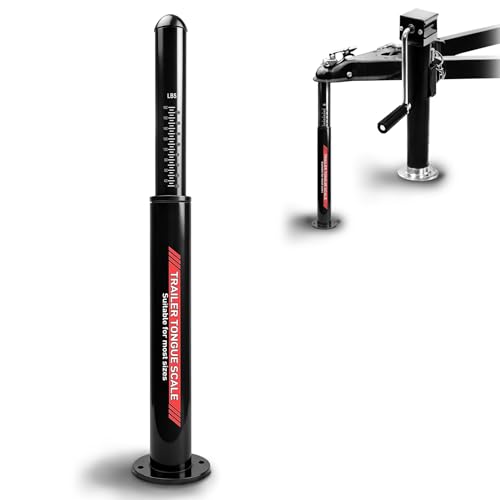
RV Trailer Tongue Weight Scale, Heavy Duty Tow Hitch Weight Scale Up to 1800 lbs, Accurate Tongue Load Measurement for RV, Travel Trailer, Boat Trailer, Ensures Safe & Stable Towing
【Up to 1800 lbs Heavy-Duty Capacity】Designed for heavier trailers, this tongue weight scale supports loads up to 1800…
As an affiliate, we earn on qualifying purchases.
As an affiliate, we earn on qualifying purchases.
Overloading Beyond Limits

Overloading your trailer beyond its recommended weight limits can have serious safety consequences. When you exceed the capacity, your vehicle’s braking, steering, and stability are compromised, increasing the risk of accidents. You might also damage the trailer, hitch, or towing vehicle, leading to costly repairs. To avoid these dangers, keep these points in mind:
- Know your limits — always check your trailer’s maximum weight capacity and stay within it.
- Distribute weight evenly — heavy items should be low and centered to maintain balance.
- Monitor total weight — regularly weigh your load to ensure you don’t surpass legal and manufacturer limits.
- Understand the importance of proper load distribution— ensuring weight is spread correctly can significantly improve towing safety and stability. Proper weight management is also essential to prevent overloading and extend the lifespan of your equipment. Additionally, understanding trailer capacity helps you plan loads effectively and avoid dangerous overloads. Being aware of the trailer’s specific capacity limits allows you to make informed decisions and prevent accidental overloads. Maintaining awareness of vehicle stability can help you respond quickly to changing conditions and avoid accidents while towing.
Staying within weight limits helps you maintain control and ensures a safer towing experience.
Using Incorrect Hitch and Ball Size
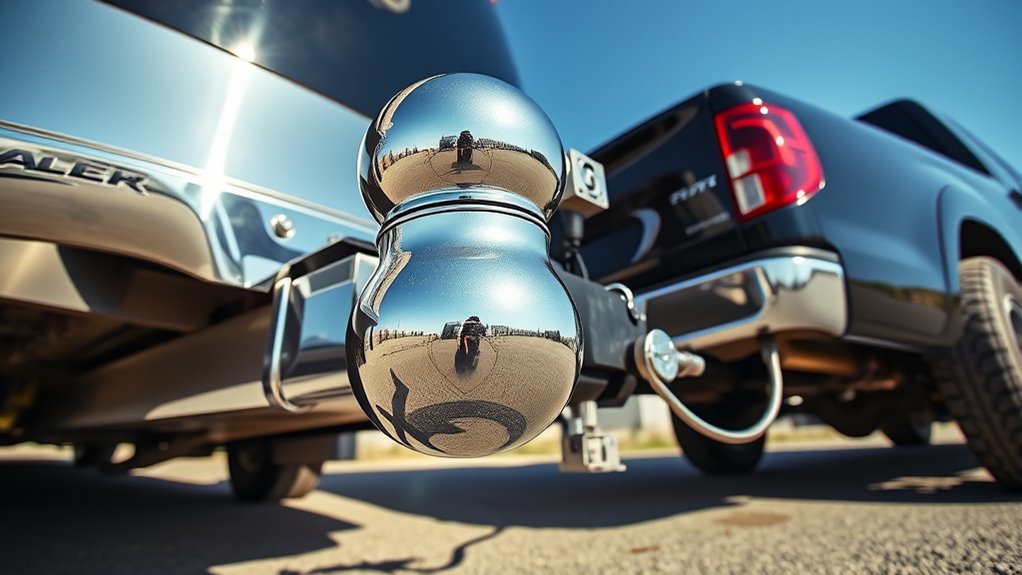
Using the correct hitch and ball size is essential for safe and reliable towing. If you choose the wrong size, the trailer can detach unexpectedly, leading to accidents or damage. Always match the hitch ball size to the trailer’s coupler, which is usually marked with its size. An ill-fitting hitch can cause instability, especially during turns or sudden stops. Check your vehicle and trailer specifications before hooking up, and never guess or assume compatibility. Regularly inspect the hitch components for wear or damage, and replace any parts that don’t meet manufacturer standards. Proper fitment ensures a secure connection, minimizes sway, and keeps you safe on the road. Taking these precautions helps avoid mishaps and guarantees a smoother towing experience. Understanding proper hitch setup and adhering to safety guidelines can further reduce risks during towing. Additionally, consulting your vehicle’s owner’s manual for specific towing instructions and weight limits can prevent overloading and ensure safe operation. Regularly using a hitch lock can also prevent theft and tampering with your trailer connection. Properly selecting hitch and ball size is critical to maintaining stability and safety during your trip. Ensuring that your hitch system is compatible with your trailer is also vital for a secure tow.
Frequently Asked Questions
How Do I Determine the Right Trailer Size for My Vehicle?
You determine the right trailer size by checking your vehicle’s towing capacity first. Match the trailer’s weight to your vehicle’s limit to guarantee safe handling. Research manufacturer specs for both your vehicle and trailer. Consider what you’ll carry to choose a trailer that fits your needs without exceeding weight limits. Remember, an appropriately sized trailer improves safety, fuel efficiency, and maneuverability, making your towing experience smooth and secure.
What Are the Signs of Improper Tongue Weight During Towing?
Ever notice your trailer swaying or feeling unstable? These are signs of improper tongue weight. If the trailer feels light at the front, it may sway excessively, or you might have difficulty steering. Conversely, if your tow vehicle’s rear is sagging or the trailer nose dips too much, the tongue weight might be too heavy. Regularly check the tongue weight with a scale to keep your ride safe and balanced.
How Often Should I Check My Load Security During a Trip?
You should check your load security every time you stop during your trip. This means inspecting straps, nets, and cargo to make certain everything stays in place. Frequent checks prevent shifting that could cause instability or accidents. Don’t skip these inspections—it’s better to be safe. Take a few minutes at each stop to confirm your load is secure, especially after long driving stretches or rough roads.
What Are the Consequences of Exceeding My Trailer’s Weight Limit?
Exceeding your trailer’s weight limit is like pushing a vessel beyond its breaking point—danger lurks just beneath the surface. It can cause brake failure, tire blowouts, and loss of control, turning your journey into a potential disaster. Overloading strains your vehicle’s engine and suspension, increases stopping distances, and risks legal penalties. Stay within limits to keep your trip smooth and safe, avoiding chaos on the road.
How Can I Verify if My Hitch and Ball Are Compatible?
You verify if your hitch and ball are compatible by checking their sizes and types against the manufacturer’s specifications. Look for markings on the hitch and ball that indicate their size, usually in inches. Make sure the ball fits snugly into the coupler without wobbling, and confirm the hitch type matches your trailer’s coupler. Regularly inspect these components for wear and replace them if needed to maintain secure towing.
Conclusion
So, as luck would have it, avoiding these rookie mistakes can turn your first trailer tow into a smooth experience. When you pick the right size, secure your load, and double-check your hitch, you’ll find that everything falls into place—almost like it was meant to be. Remember, a little prep goes a long way. Before you know it, towing will feel natural, and you might even surprise yourself with how confident you’ve become behind the wheel.