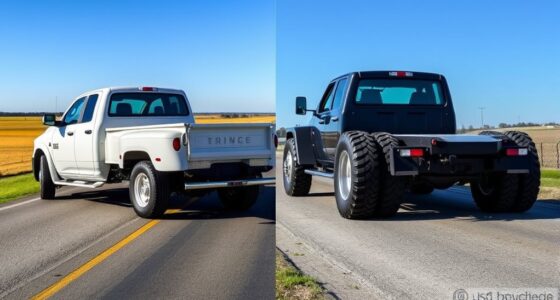
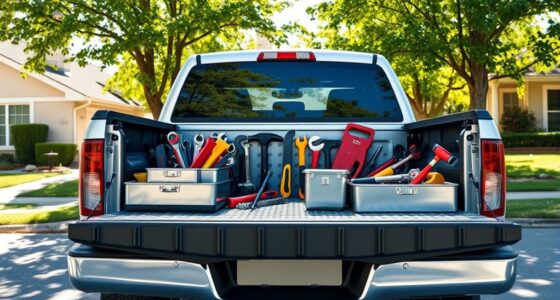
Hauling people to work in the bed of your truck is risky and could lead to serious legal liabilities. You need to make certain employees sit safely, with barriers and secured tailgates, or you might face penalties. As an employer, you’re responsible for injuries even if employees violate safety rules. If you’re contemplating this, think about how vicarious liability and proper classifications could affect you. There’s more important info to think about before making your decision.
Key Takeaways
- Hauling employees in a truck bed is legal only if safety regulations, such as barriers and secured tailgates, are followed.
- Employers may be held liable for accidents involving employees in truck beds, even if safety policies are violated.
- Transportation must align with business purposes to ensure liability coverage is maintained during employee transport.
- Misclassifying drivers as independent contractors increases liability risks and can lead to legal and financial repercussions.
- Effective communication systems and adherence to safety protocols are essential for reducing liability during transportation.

Heavy Duty Dog Leash System – Truck Bed Barrier & Pick-Up Restraint Lead for Dogs Up to 150lbs
More Durability, Much Safer: Our truck bed dog seatbelt leash is created by premium thick nylon straps and…
As an affiliate, we earn on qualifying purchases.
As an affiliate, we earn on qualifying purchases.
Legal Regulations for Employee Transportation in Truck Beds

When you’re transporting employees in truck beds, it’s crucial to follow California’s safety regulations to guarantee everyone’s safety. According to California Code of Regulations Title 8, Section 3702, employees must sit on the truck bed, avoiding standing or unsafe positions. You need to install barriers or guardrails around the bed’s perimeter to prevent falls. Always make certain that pickup tailgates are closed or secured with an equivalent closure. If you’re using dump trucks, make sure to lock the hoist levers and keep tailgates closed during transport. Remember, riding on side rails, running boards, or hanging legs over the edges constitutes violations. By adhering to these regulations, you promote safety and reduce the risk of legal issues. Additionally, implementing safety regulations can help minimize liability and ensure a safer work environment for all employees. Maintaining proper safety protocols is essential to prevent accidents and protect your workforce. Consider the potential benefits of using essential oils for stress relief to create a calmer atmosphere for employees during transport. Furthermore, understanding safety equipment standards can enhance your ability to comply with regulations and protect your employees effectively. A well-designed ventilation system can also contribute to a safer and more comfortable experience during transportation.
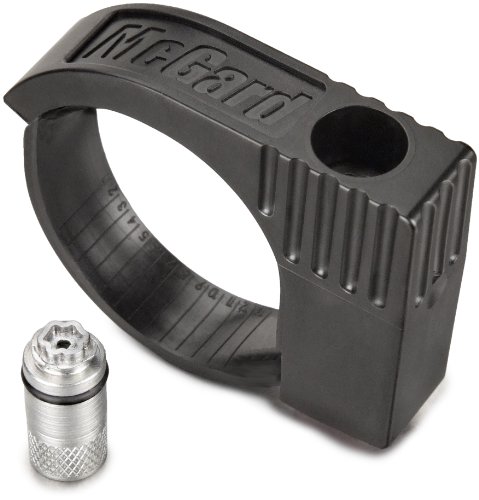
McGard 76029 Premium Pick-up Truck Tailgate Lock , Black
Fit Type: Vehicle Specific.Note: Measure your door's backset, cross bore and thickness to ensure you find the right…
As an affiliate, we earn on qualifying purchases.
As an affiliate, we earn on qualifying purchases.
Understanding Employer Vicarious Liability
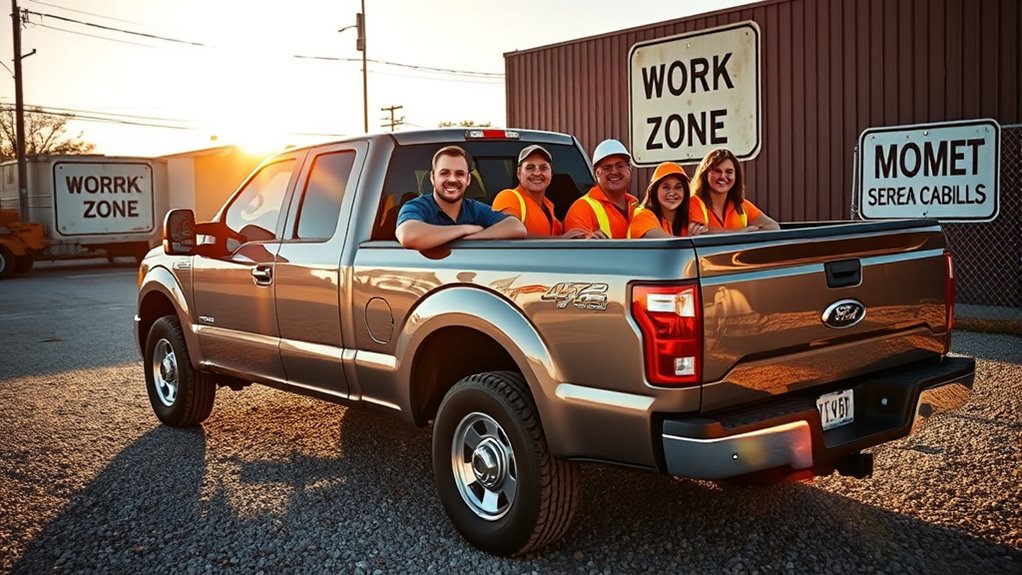
Employers must be aware that they can be held liable for accidents involving employees while they’re being transported, especially in truck beds. Vicarious liability means you could be responsible for your employees’ actions if they cause an accident during the course of their job. If an employee is driving your truck and an accident occurs, injured parties can seek compensation from both the driver and your company. This liability remains, even if the driver violated company policies. Fundamentally, your obligations as an employer extend beyond individual negligence, creating an additional layer of responsibility. Understanding this concept is vital for protecting your business and ensuring compliance with legal requirements when transporting employees.

Electriduct Stackable Water Fillable Traffic Safety Plastic Barricade 3 Feet Orange Polyethylene Vehicle Portable Barrier – Pack of 2
DIMENSIONS: Length: 36.5" | Height: 23.5" | Top Width: 3.5" | Base Width: 15.25" | Weight: 14.1 lbs…
As an affiliate, we earn on qualifying purchases.
As an affiliate, we earn on qualifying purchases.
Scope of Employment and Liability Coverage

Understanding the scope of employment is essential for determining liability coverage during employee transportation. If you provide transportation at your direction or to further business interests, your liability extends to any accidents. This includes commuting from home to job sites, even if there are minor route deviations. However, if employees notably deviate from expected routes, like heading to a different town for personal reasons, your liability may be rescinded. It’s important to remember that personal convenience use without your direction typically excludes workers’ compensation coverage. Consequently, always ensure that employee transportation aligns with business purposes to maintain coverage and avoid potential liability issues. Safety compliance is key to preventing accidents and protecting both employees and your business interests. Additionally, understanding the importance of safety compliance can help mitigate risks associated with employee transportation. In this regard, incorporating energy-efficient cloud solutions can enhance operational safety and efficiency for businesses relying on employee transportation. Furthermore, maintaining a protective style for transportation vehicles can significantly reduce the risk of accidents and injuries. Moreover, ensuring that your vehicles are equipped with high contrast ratios can improve visibility in various driving conditions, contributing to overall safety.

VEVOR Truck Bed Extender, 51.6"-64" Aluminum Retractable Tailgate Extender, Adjustable Length, Drill Required, Fits for Ridgeline, Tacoma, Gladiator, Colorado/Canyon, Frontier, and Ranger
Adjustable Length: Looking for a truck bed extender that can be adjusted to fit your pickup truck perfectly?…
As an affiliate, we earn on qualifying purchases.
As an affiliate, we earn on qualifying purchases.
Independent Contractor Misclassification Risks

Misclassifying drivers as independent contractors can expose you to significant liability risks, especially if you maintain substantial control over their work. Courts often look at whether the driver’s role mirrors that of an employee, despite your classification. If you direct their activities or equipment usage, you could face liability for their actions, similar to how infection risks can escalate if proper care is not taken. Additionally, understanding the role of necessary cookies in ensuring website functionality can provide insights into maintaining operational compliance. It is crucial to recognize that advertisement cookies can also contribute to how businesses manage their online presence and liabilities. Implementing best practices in software quality assurance can help mitigate risks associated with misclassification.
| Misclassification Risks | Potential Consequences |
|---|---|
| Increased legal scrutiny | Higher likelihood of audits |
| Liability for accidents | Financial compensation claims |
| Regulatory penalties | Damage to company reputation |
Ultimately, it’s essential to evaluate how you classify your drivers. Misclassification can lead to unexpected legal and financial troubles that you’ll want to avoid. Additionally, understanding how misclassification risks can impact your business may help in making informed decisions.
Safety Requirements and Communication Systems

While transporting employees in truck beds, adhering to safety requirements and ensuring effective communication systems are essential for compliance and minimizing liability. Make sure employees sit properly in the truck bed, avoiding unsafe positions like standing or riding on side rails. Install barriers or guardrails to prevent falls, and always keep the tailgate closed during transport. Additionally, equip vehicles with effective communication systems, such as buzzers or speaker horns, so passengers can easily reach the driver. It is also important to understand that necessary cookies are essential for basic site functionalities, which can be likened to ensuring basic safety measures in vehicle transport. Don’t exceed the posted passenger capacity on your vehicles, as this can lead to regulatory violations. Furthermore, creating a safe environment for employees mirrors the importance of step-by-step outdoor kitchen plans, which can help you design a compliant and functional space. By following these guidelines, you can help protect your employees and reduce the risk of liability in case of an accident. Understanding safety regulations is crucial for ensuring the well-being of all passengers during transport, just as emerging trends in safety technology can enhance vehicle compliance and safety measures. Implementing best practices for employee transport can significantly reduce risks associated with unsafe vehicle use.
Frequently Asked Questions
What Are the Penalties for Violating Employee Transport Regulations?
If you violate employee transport regulations, you could face significant penalties. These might include fines imposed by regulatory agencies, potential lawsuits from injured employees, or increased insurance costs. Additionally, repeat violations can lead to more severe consequences, such as losing your business license or facing criminal charges. To avoid these penalties, make sure you adhere to all safety standards and regulations regarding employee transportation in your vehicle. Stay informed and compliant to protect yourself and your business.
Can Employees Refuse to Ride in Unsafe Truck Conditions?
Absolutely, you can! If you feel unsafe riding in a truck, you’ve got every right to refuse. Prioritizing personal safety is paramount, and you shouldn’t compromise your well-being for work. Speak up about any unsafe conditions; your employer should address them. Remember, safety standards exist to protect you and your coworkers. So, don’t hesitate to advocate for a safer ride, ensuring everyone’s well-being on the job!
How Can Employers Ensure Compliance With Transportation Safety Regulations?
To guarantee compliance with transportation safety regulations, you need to establish clear safety protocols. Make sure employees sit securely in the truck bed with proper guardrails and a closed tailgate. Provide training on prohibited riding positions, and regularly inspect vehicles for safety equipment. Encourage open communication about safety concerns and conduct routine safety meetings. By prioritizing safety measures and adhering to regulations, you can minimize risks and foster a safer work environment.
What Insurance Coverage Is Recommended for Transporting Employees?
When transporting employees, you should consider extensive liability insurance that covers accidents during work-related transport. Additionally, workers’ compensation insurance is vital, as it protects against employee injuries while on the job. If your vehicle is primarily used for employee transport, consider commercial auto insurance that includes coverage for passengers. Always make certain you’re compliant with state regulations to minimize liability risks and to protect your business and employees effectively.
Are There Exceptions for Transporting Employees in Emergencies?
Yes, there are exceptions for transporting employees in emergencies. In urgent situations, you might be able to transport employees in a truck bed if it’s necessary for their safety or to address an immediate concern. However, make sure to adhere to safety regulations, such as keeping barriers in place and ensuring everyone sits properly. Even in emergencies, you could still face liability if safety guidelines aren’t followed, so prioritize safety at all times.
Conclusion
In the end, while the convenience of hauling employees in the bed of your truck might seem appealing, the risks can outweigh the benefits. You’re balancing between a quick ride and potential liability. Safety regulations demand your attention, and misclassifying workers can lead to costly consequences. So, weigh your options carefully—protecting your employees and your business should always come first. It’s not just about getting to work; it’s about getting there safely.