Deleting your truck’s emissions controls might seem To save money or boost performance, but the risks far outweigh the benefits. You could face hefty fines, vehicle impoundment, and increased environmental harm. Removing these systems can cause engine damage, void warranties, and lead to costly repairs. Plus, it makes your truck illegal during inspections and releases pollutants into the air. Learn more about the true costs and safer options before you make a decision.
Key Takeaways
- Deleting emissions controls can improve short-term performance but risks severe legal penalties and vehicle impoundment.
- Removal increases pollution, harming air quality and posing health risks, and violates environmental regulations.
- Deletions often cause engine damage, higher maintenance costs, and void manufacturer warranties.
- Regulatory agencies actively detect and penalize emissions tampering, leading to hefty fines and legal consequences.
- Safer alternatives like legal upgrades and regular maintenance ensure compliance, performance, and environmental responsibility.

Diesel Particulate Filter DPF with Clamps and Gaskets Compatible with Detroit Diesel DD13, DD15 Replaces A0001403492, A0004903792, A0014903492, A0014903592, A6804903792, A6804910894, A6804913494
Manufactured in North America: Built to meet strict emission and quality standards, ensuring long-lasting performance.
As an affiliate, we earn on qualifying purchases.
As an affiliate, we earn on qualifying purchases.
Understanding Emissions Control Systems in Trucks
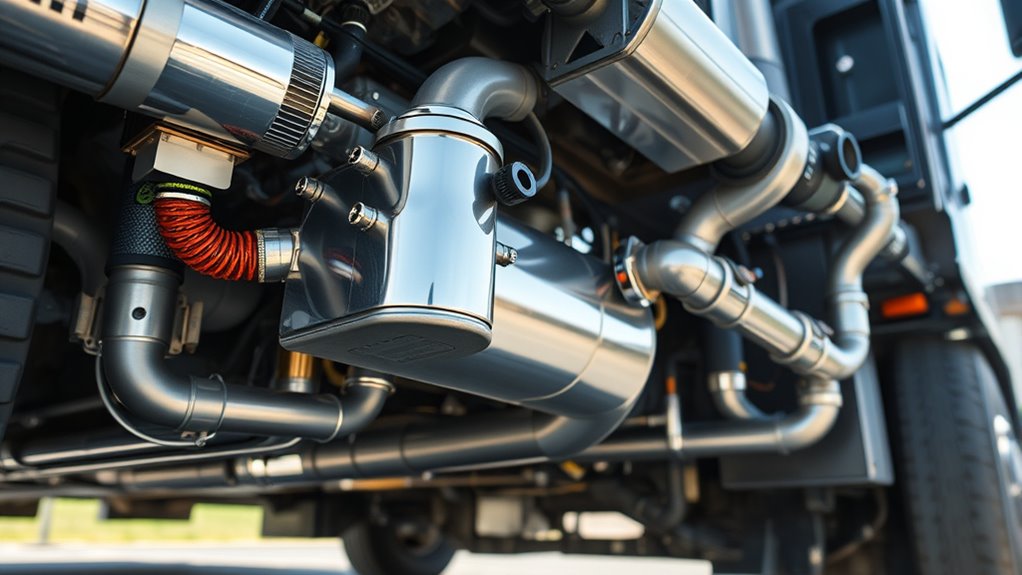
Understanding emissions control systems in trucks is essential because these systems are designed to reduce harmful pollutants released into the atmosphere. You need to know that components like Diesel Particulate Filters (DPF), Exhaust Gas Recirculation (EGR) valves, and Selective Catalytic Reduction (SCR) systems work together to limit emissions of nitrogen oxides (NOx), particulate matter, and other toxins. These devices capture, filter, or convert pollutants before they exit the exhaust. Removing or tampering with these systems disrupts their function, increasing pollution and risking legal penalties. Modern trucks rely heavily on these controls for compliance with environmental standards. By understanding how these systems operate, you can better appreciate the importance of maintaining them and the risks involved in their deletion. Knowing automated testing processes can help identify potential issues with emissions systems before they become serious problems.

EGR Port Cleaning Kit SRREGR312
Made in US
As an affiliate, we earn on qualifying purchases.
As an affiliate, we earn on qualifying purchases.
Legal Implications of Removing Emission Equipment
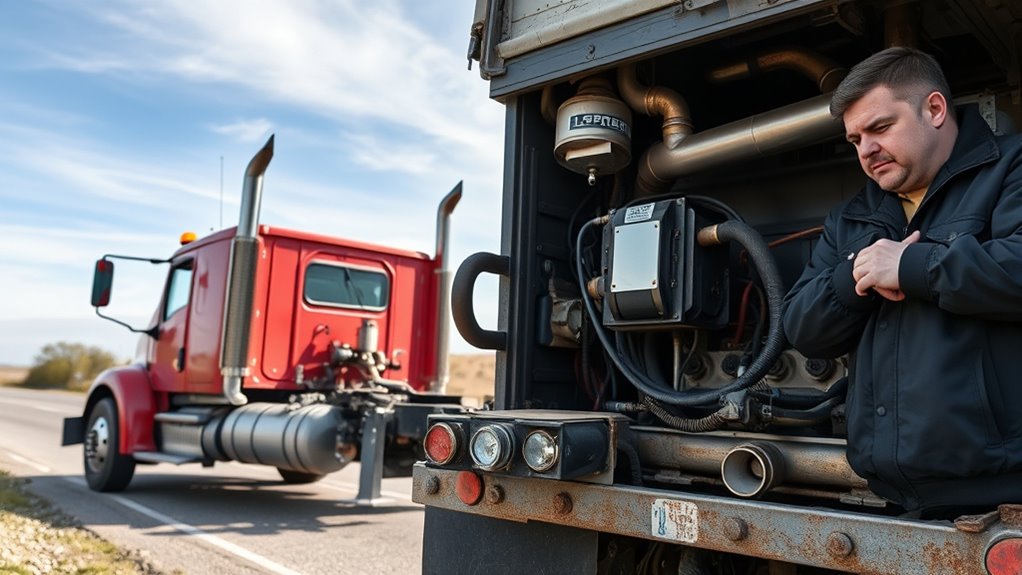
Removing emissions equipment can lead to serious legal consequences, including hefty fines and penalties. Regulatory agencies actively enforce laws against tampering, making violations easier to detect and punish. If you tamper with or remove emission controls, you risk significant legal action and environmental law violations.
Illegal Penalties and Fines
Removing truck emissions controls can lead to severe legal penalties that you can’t afford to ignore. Federal regulators, like the EPA, impose fines of up to $45,268 per engine or part for tampering with emission systems. State and local authorities may also fine you thousands of dollars, depending on jurisdiction. Operating a truck with deleted emissions equipment can result in vehicle impoundment and suspension of your vehicle registration. Enforcement has intensified in recent years, with agencies actively cracking down on tampering. These penalties are designed to deter illegal modifications, but if you’re caught, you’ll face hefty fines and the hassle of legal proceedings. Ignoring these laws could jeopardize your business, lead to costly repairs, and severely impact your livelihood. Maintaining emission controls is essential to avoid these consequences and stay compliant with the law.
Regulatory Enforcement Actions
Regulatory agencies have ramped up enforcement efforts to crack down on illegal emissions equipment deletions. You could face serious legal repercussions if caught. The EPA actively monitors for tampering, conducting inspections and audits on trucks suspected of illegal modifications. If enforcement finds violations, you may be hit with hefty fines—up to $45,268 per engine or part—and your vehicle could be impounded. State and local authorities also impose fines, which vary by jurisdiction. Police and environmental agencies are increasingly vigilant, especially during roadside inspections and weigh station checks. These actions aim to deter illegal deletions and protect air quality. Ignoring these regulations not only risks financial penalties but can also lead to criminal charges, making it a costly gamble to bypass emissions controls. Moreover, adopting innovative European cloud servers can support compliance efforts by providing secure data management and audit trails for emissions reporting.
Environmental Law Violations
Did you know that tampering with truck emissions equipment can lead to serious legal violations? Removing or disabling emission controls violates the Clean Air Act and EPA policies, risking hefty fines—up to $45,268 per engine or part—and possible vehicle impoundment. State and local authorities can also impose fines ranging from $5,000 or more per unlawful part. Enforcement has increased, targeting diesel tampering that contributes roughly 570,000 tons of excess NOx and 5,000 tons of particulate matter over engine lifespans. Operating a deleted truck exposes you to legal action, hefty penalties, and the risk of losing your driver’s license. These violations not only carry financial consequences but also contribute to environmental degradation, making deletion a risky move with serious legal implications. Understanding emissions regulations is essential to avoid inadvertent violations.
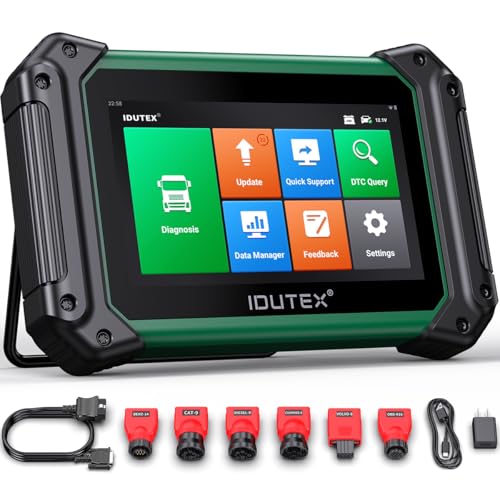
TS710 Heavy Duty Truck Scanner, 2026 Truck Scan Tool with DPF Regeneration, 42+ Resets Bidirectional Semi Truck Scanner Diagnostic Tool, All System HD OBD & OBD2 Scanner for Trucks
{Own Your Diesel—No Dealer Required} From Freightliner to CAT to John Deere, the 2026 upgraded TS710 heavy duty…
As an affiliate, we earn on qualifying purchases.
As an affiliate, we earn on qualifying purchases.
Environmental and Health Effects of Deletions
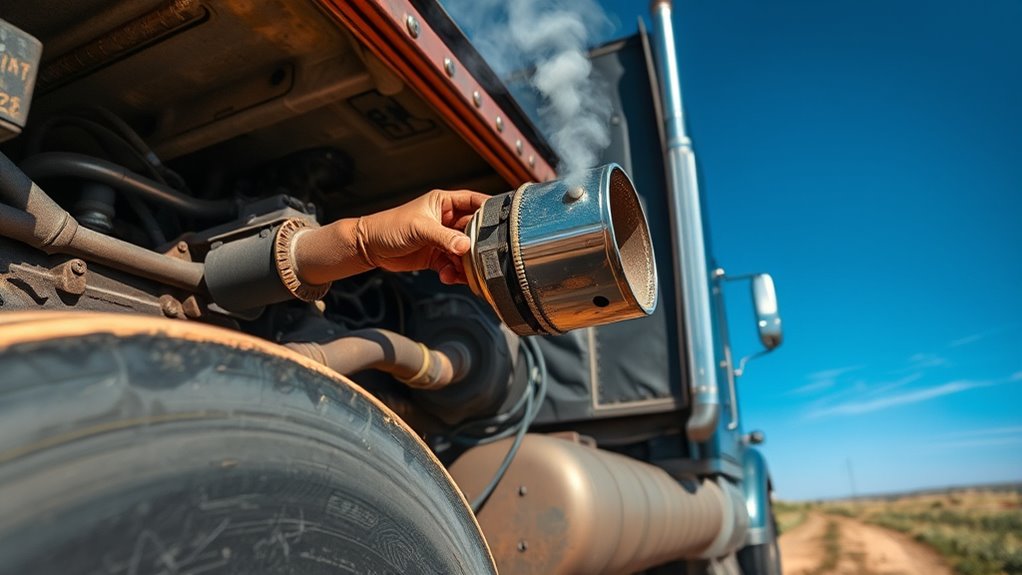
Deletions of truck emissions controls have serious environmental and health consequences because they allow harmful pollutants to escape unfiltered into the atmosphere. Without filters like the DPF, diesel exhaust releases high levels of nitrogen oxides (NOx), particulate matter, and toxic chemicals directly into the air. These pollutants contribute to smog formation, acid rain, and climate change, damaging ecosystems and reducing air quality. For your health, increased exposure to these emissions can cause respiratory problems, heart disease, and other serious illnesses. Communities near highways and industrial areas face heightened risks. By removing emissions controls, you’re fundamentally bypassing systems designed to trap or reduce harmful substances, leading to more pollution and greater health hazards for both your community and yourself. Recognizing the importance of Feature Buddies in understanding vehicle systems can help you make informed decisions about emissions control practices.

UMEIJA OBD2 Scanner with Upgrade Battery Tester – Diagnostic Tool for Cars That Check Engine Light & Emissions Readiness Read and Clears Vehicle Error Codes for All OBD II Protocol Vehicles Since 1996
Multi-Function: This code reader for cars and trucks is like a micro mechanic, which can quickly read and…
As an affiliate, we earn on qualifying purchases.
As an affiliate, we earn on qualifying purchases.
Impact on Vehicle Warranty and Manufacturer Support
When you remove or disable emissions equipment on your truck, you risk voiding the manufacturer’s warranty, leaving you responsible for costly repairs. Most manufacturers specify that tampering with emission systems nullifies coverage for engine and related components. This means if something breaks, you can’t rely on factory support, forcing you to pay out of pocket. Reputable repair shops often refuse to work on modified trucks, citing liability issues. Additionally, re-certifying a deleted vehicle is costly and complex, making it difficult to restore warranty benefits.
| Effect | Explanation | Consequence |
|---|---|---|
| Voiding warranty | Disabling emissions equipment | No manufacturer support |
| Repair liabilities | Out-of-pocket repairs | Higher costs |
| Re-certification | Costly and complex process | Limited future support |
Engine Wear and Maintenance Challenges Post-Deletion
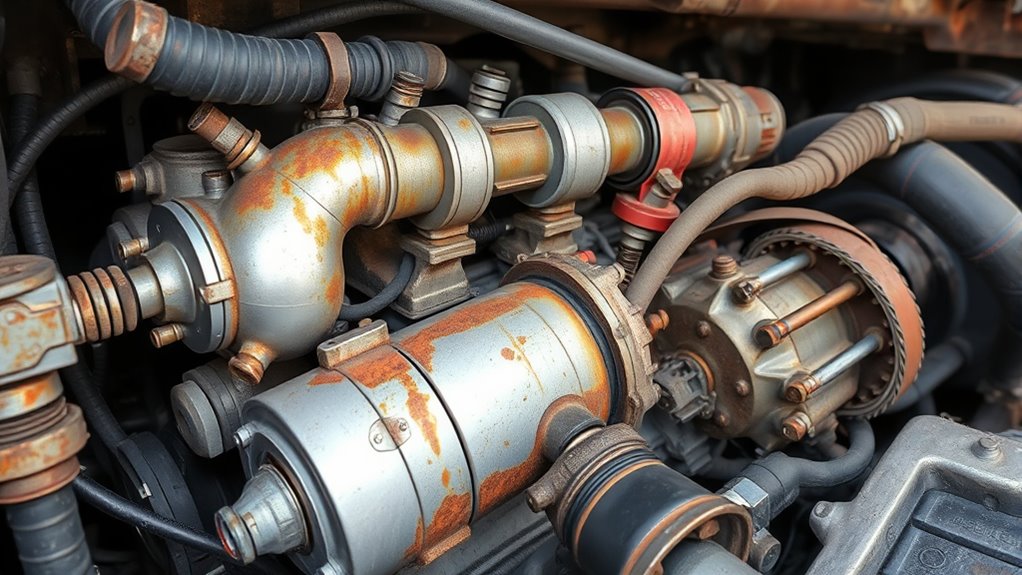
Removing emissions systems often leads to accelerated engine wear because unfiltered particulates and soot build up on critical components, causing them to degrade faster. Without a Diesel Particulate Filter (DPF), soot accumulates on valves, pistons, and the turbocharger, increasing friction and heat. This buildup strains engine parts, leading to premature failure and costly repairs. Deleting systems like the EGR or SCR can cause combustion temperatures to rise, damaging valves and pistons over time. Improper installation of delete kits can result in improper airflow or cooling issues, further stressing the engine. Additionally, altering emissions controls can affect the vehicle’s engine performance and compliance with environmental regulations. As a result, you’ll likely face higher maintenance costs, more frequent repairs, and reduced engine lifespan. Over time, neglecting these challenges can cause severe damage that’s expensive and time-consuming to fix.
Myths About Performance Gains and Fuel Efficiency

Many people believe that deleting emissions systems will automatically boost their truck’s performance and save fuel, but these claims are often exaggerated or unfounded. Modern trucks already meet stringent emissions standards, meaning you won’t see notably gains simply by removing systems. In fact, deletion can disrupt engine balance, leading to decreased reliability. Some proponents claim increased horsepower due to freer airflow, but this isn’t guaranteed. Fuel efficiency improvements are inconsistent—some owners see minor gains, others see none. The table below highlights common myths versus reality:
| Myth | Truth | Impact |
|---|---|---|
| Deletes boost horsepower considerably | Gains are minimal or temporary | No long-term performance improvement |
| Deletion saves fuel considerably | Results vary, often negligible | Fuel savings often overstated |
| Emissions removal improves efficiency | Can cause engine imbalance and wear | Possible increased maintenance costs |
Specific Effects of Deleting EGR, SCR, and DPF Systems

When you remove the EGR system, you stop recycling hot exhaust gases, which can improve combustion but also increase NOx emissions. Eliminating the SCR system means you won’t need DEF fluids, but it also causes higher emissions and potential legal issues. DPF removal reduces backpressure and saves money on maintenance, yet it markedly harms the environment and risks engine damage. Additionally, removing these systems can negatively impact your vehicle’s emissions performance and may lead to failed inspections.
EGR System Impact
What happens to a truck’s engine when you delete its EGR, SCR, and DPF systems? Removing the EGR system stops exhaust gases from recirculating into the engine, which can temporarily increase power and reduce backpressure. However, this often leads to higher combustion temperatures, increasing the risk of engine knocking and potential damage over time. Without EGR, the engine runs hotter, accelerating wear on pistons, valves, and turbochargers. Additionally, deleting these systems disrupts ideal combustion, causing incomplete fuel burning and increased emissions of harmful pollutants. This can lead to reduced engine longevity, more frequent repairs, and ultimately, costly damage. While you might see some short-term performance gains, the long-term risks include engine instability, higher maintenance costs, and significant environmental harm.
SCR System Removal Effects
Removing the SCR system, which reduces NOx emissions by injecting Diesel Exhaust Fluid (DEF), markedly impacts your truck’s emissions profile and operational performance. Without SCR, your vehicle emits higher levels of nitrogen oxides, contributing to environmental pollution and regulatory violations. Deleting SCR eliminates the need for DEF, preventing freezing issues and reducing maintenance related to DEF tank and injector failures. However, this change also causes increased NOx emissions, which can trigger engine warning lights and trigger inspection failures. Fuel economy may initially improve due to fewer regeneration cycles, but the environmental and legal consequences outweigh any short-term gains. Deleting SCR also voids your vehicle’s warranty and complicates future repairs, as most manufacturers refuse support for modified systems. Overall, removing SCR considerably harms emissions compliance and engine health.
DPF Function Changes
Deleting the Diesel Particulate Filter (DPF), along with EGR and SCR systems, directly impacts your truck’s emission control capabilities and engine performance. When you remove the DPF, you eliminate its role in capturing soot and particulates, which leads to increased exhaust emissions. This change causes several issues:
- Backpressure Increase: Without the DPF, exhaust flows more freely, reducing backpressure but risking engine damage from unfiltered gases.
- Regeneration Cycles Cease: The DPF’s cleaning process stops, allowing soot buildup elsewhere and raising the chance of engine clogging.
- Harmful Emissions Rise: Particulate matter and toxins are released directly into the environment, increasing health and ecological hazards.
Cost-Benefit Analysis: Short-Term Savings vs. Long-Term Risks
While deleting emissions controls may offer immediate financial benefits, such as lower maintenance costs and savings on filter replacements, these short-term gains often come with significant long-term risks. You might save money initially, but you could face hefty fines, vehicle impoundment, or legal trouble for tampering with emission systems. Additionally, removing these controls increases your truck’s pollution output, harming the environment and risking health problems. Engine damage and higher repair costs are common when emissions equipment is bypassed or removed improperly. furthermore, voiding warranties leaves you responsible for expensive repairs without manufacturer support. Although deletion may seem cost-effective upfront, the potential legal penalties, environmental impact, and increased maintenance expenses far outweigh those temporary savings, making it a risky and often unwise financial decision.
How Deletions Affect Truck Inspection and Compliance

Truck inspections are designed to guarantee compliance with emissions regulations, and tampering with emissions controls can cause your vehicle to fail these checks. When you delete emissions systems, inspectors can easily detect the tampering through visual inspection or diagnostic tests. This failure can lead to penalties, fines, or even vehicle impoundment.
Tampering with emissions controls risks failure, penalties, fines, and impoundment during truck inspections.
To understand the impact, consider these points:
- Detection Methods: Inspectors use visual cues and diagnostic tools to identify deleted systems, making it difficult to hide modifications.
- Legal Consequences: Failing inspection due to tampering results in violations, which can prevent you from operating legally.
- Re-Inspection Costs: Correcting deletions to pass inspection involves costly repairs and re-certification, increasing your expenses and downtime.
Deleting emissions controls jeopardizes your compliance and ability to operate legally.
Safer Alternatives to Emission System Removal
Instead of risking legal trouble and damaging your engine by removing emissions systems, consider safer, compliant alternatives that improve performance without violating regulations. Upgrading to quality aftermarket parts designed to enhance airflow and engine efficiency can boost power and fuel economy without breaking the law. Regular maintenance, like changing filters and performing tune-ups, keeps your truck running smoothly and minimizes emissions naturally. Installing performance chips or ECU tuning within legal limits can optimize engine output safely. Additionally, working with reputable shops that specialize in emissions-compliant upgrades ensures you stay compliant while gaining some performance benefits. These options help you avoid fines, engine damage, and environmental harm—giving you a smarter way to improve your truck’s performance responsibly. Always verify that any modifications comply with regulatory requirements to prevent potential legal issues.
Frequently Asked Questions
Can I Legally Restore Emissions Systems After Deletion?
Yes, you can legally restore emissions systems after deletion, but it’s complicated. You’ll need to have the vehicle inspected and certified by a qualified technician or the manufacturer, demonstrating the systems are functioning properly. Keep in mind, some states have strict regulations, and reinstallation may be costly and time-consuming. Always check local laws and work with authorized professionals to ensure your truck complies with EPA standards.
What Are the Specific Penalties for Emission System Tampering?
You face hefty penalties if you tamper with your truck’s emissions system. The EPA can fine you up to $45,268 per engine or part, and state fines range from $5,000 or more. Operating a deleted truck may lead to impoundment, and enforcement is tightening. These fines and legal consequences aim to deter tampering because removing emissions controls substantially harms the environment and violates federal and state laws, risking severe financial and legal repercussions.
How Does Deletion Impact Truck Resale Value?
Deleting your truck’s emissions controls substantially lowers its resale value. Buyers tend to avoid vehicles with tampered systems because of potential legal issues, higher maintenance costs, and engine damage risks. Plus, many dealerships and repair shops refuse to work on modified trucks, making resale more difficult. If you want to maximize your truck’s value, keeping the emissions system intact is the smarter choice, ensuring better resale prospects and legal compliance.
Are There Any Tax Incentives for Maintaining Emissions Controls?
Yes, maintaining emissions controls can qualify you for tax incentives, such as credits or deductions aimed at promoting eco-friendly practices. These incentives encourage you to comply with environmental regulations and reduce your truck’s emissions, which benefits both your finances and the environment. By keeping your emissions systems intact, you may also avoid penalties and fines, making it a smarter, more responsible choice that can lead to financial savings over time.
What Are Safer, Legal Alternatives to Deleting Emissions Equipment?
Think of it as riding with a well-fitted armor—safer and legal alternatives exist. You can upgrade your truck’s emissions system with approved aftermarket parts, ensuring compliance with EPA standards. Regular maintenance and tune-ups help optimize performance without risking fines or damage. Consider working with certified professionals who specialize in emissions compliance. These steps keep your truck legal, environmentally friendly, and running smoothly—no need to go back to the dark ages of deletion.
Conclusion
Deciding to delete your truck’s emissions controls might seem tempting, especially since it can cut costs initially. However, did you know that trucks without proper emissions systems can emit up to 40% more pollutants? This not only harms the environment but can also lead to hefty fines and warranty voids. Weigh the short-term savings against these serious risks—staying compliant and protecting your vehicle’s longevity is usually the smarter choice.