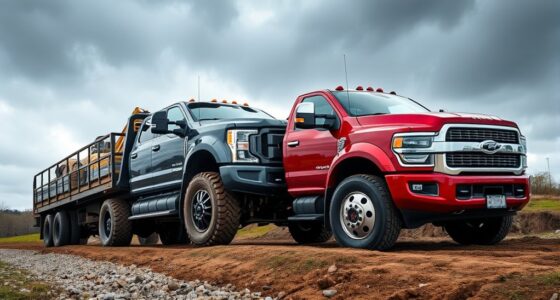

While hitting 300,000 miles on a pickup truck is rare, it’s not impossible, especially with proper maintenance and careful driving. Heavy-duty models like the Ram 3500, Ford F-350, and Toyota Tundra have higher chances of crossing that milestone, but most light-duty trucks fall short of it. Understanding the realities about truck longevity helps set achievable expectations. If you want to learn what it really takes to reach those high mileages, keep exploring the facts.
Key Takeaways
- Only about 13% of pickups reach 250,000 miles, making 300,000 miles a rare milestone.
- Heavy-duty trucks like Ram 3500 and Ford F-350 have higher longevity but still seldom hit 300,000 miles.
- Proper maintenance significantly extends lifespan, but design limits often prevent light-duty pickups from reaching high mileages.
- Surpassing 250,000 miles is more common than 300,000; expectations should be realistic based on truck type and care.
- Achieving 300,000 miles is an exceptional feat, not a typical expectation for most pickup trucks.

20 Ton Porta Power Hydraulic Jack Kit with Steel Case – Heavy Duty Hydraulic Ram Set for Auto Repair, Truck & Equipment Maintenance, 17-Piece Kit with Carrying Case, 44,000 Lbs Capacity, Max Lift 5.1"
【20-Ton Heavy Duty Hydraulic Power Kit】 – Professional-grade porta power set delivering up to 44,000 lbs of lifting…
As an affiliate, we earn on qualifying purchases.
As an affiliate, we earn on qualifying purchases.
Understanding High-Mileage Benchmarks in Pickup Trucks
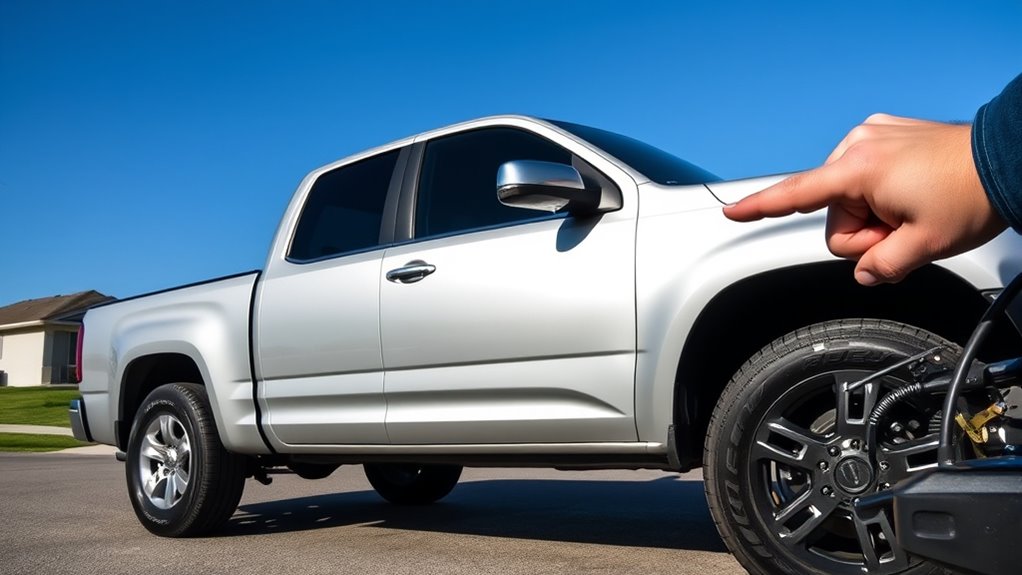
Understanding high-mileage benchmarks in pickup trucks helps you set realistic expectations for their durability. Only about 13% of these trucks reach 250,000 miles, which is lower than previous years but still impressive compared to average vehicles. Heavy-duty trucks have a better chance, with models like the Ram 3500 and Ford F-350 showing around a 42-49% likelihood of hitting that mark. Light-duty trucks, however, tend to fall short, with much lower odds of exceeding 200,000 miles. While trucks generally last longer than most vehicles, surpassing 300,000 miles remains rare. Knowing these benchmarks helps you understand what’s achievable based on your truck’s make, model, and maintenance habits. Cultural Significance of durability and longevity in vehicle design influences the expectations and values placed on high-mileage trucks. Expecting a truck to hit these high-mileage marks requires realistic goals and diligent upkeep.

MEAJOO 10PCS TPMS Tire Valve Long Stem Caps, Black Plastic Wheel Tire Valve Stem for TR20008 TPMS, Universal Long Stem Caps for Cars, SUV, Trucks, Bikes, Motorcycles, Bicycles
OEM TPMS CAPS: Crafted to factory OEM standards, these long valve stem caps perfectly complement your Tire Pressure…
As an affiliate, we earn on qualifying purchases.
As an affiliate, we earn on qualifying purchases.
Which Heavy-Duty Models Lead the Longevity Race
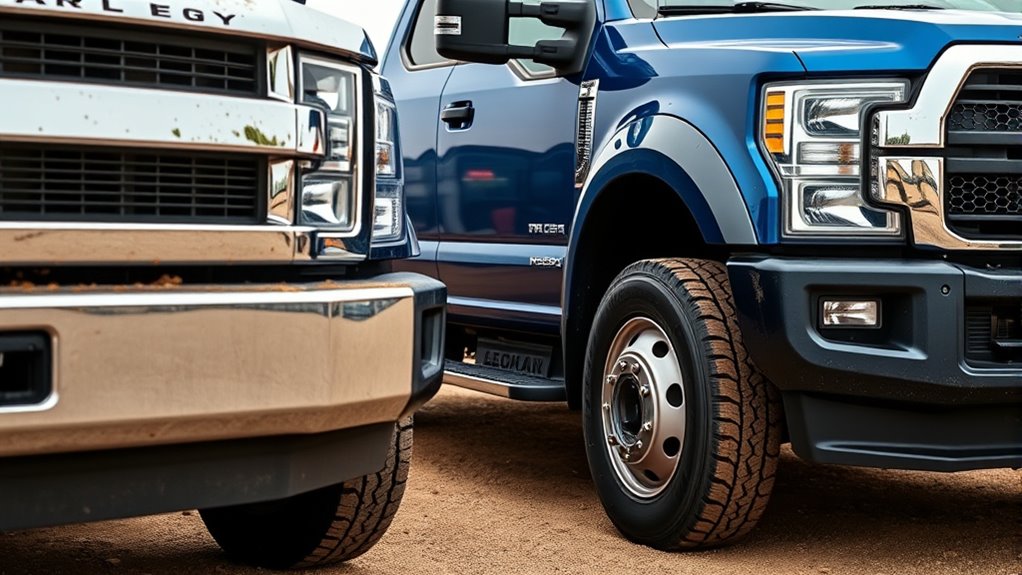
Heavy-duty trucks stand out in the longevity race, often outperforming their light-duty counterparts. Among these models, the Ram 3500 leads with a 42.6% chance of surpassing 250,000 miles, making it the most likely to reach high-mileage status. Ford’s F-350 Super Duty follows closely, with nearly a 50% probability of crossing that milestone, thanks to its robust build and reliability. Toyota’s Tundra also performs well, with a 47.9% chance of lasting 250,000 miles, demonstrating Toyota’s reputation for durability. Chevrolet’s Silverado 3500HD is notable, with documented cases of models reaching over 1.2 million miles. GMC Sierra 2500HD maintains an impressive 41.3% likelihood, further cementing heavy-duty trucks as the top performers for longevity. These models exemplify how heavy-duty pickups are engineered for extended service life. Additionally, vetted reliability data indicates that these trucks are built with durability in mind, often exceeding expectations for lifespan.

Motorcraft Engine Oil Filter – FL-820-S (OE Replacement for Select Models and Years of Ford, Lincoln, & Mercury Vehicles)
Fit Type: Vehicle Specific
As an affiliate, we earn on qualifying purchases.
As an affiliate, we earn on qualifying purchases.
The Reality Behind Light-Duty Pickup Lifespan

Light-duty pickups generally don’t last as long as their heavy-duty counterparts, mainly due to lower durability and different usage patterns. Proper maintenance can improve their lifespan, but they still tend to retire before hitting the 200,000-mile mark. Understanding these factors helps set realistic expectations for how long your truck can serve you. Additionally, adopting energy-efficient cloud solutions can contribute to sustainability by reducing the environmental impact of manufacturing and maintaining fleet vehicles.
Lower Long-Term Durability
Despite their reputation for durability, light-duty pickups often fall short of reaching high-mileage milestones like 200,000 miles. Their lower long-term durability stems from design limitations and lighter construction aimed at fuel efficiency and everyday use, rather than maximum longevity. These trucks tend to experience more wear and tear over time, especially in components like the transmission, suspension, and engine parts. Unlike heavy-duty models, they aren’t built to handle extreme workloads or extended heavy towing, which accelerates wear. As a result, many light-duty pickups retire before hitting the 200,000-mile mark. While repairs and proper maintenance can extend their lifespan, their inherent design and usage patterns generally prevent them from achieving the same longevity as their heavy-duty counterparts. Furthermore, the focus on market-specific needs often compromises the overall durability of light-duty trucks.
Usage and Maintenance Impact
Maintenance and proper usage play a crucial role in determining how long your pickup truck will last. Regular oil changes, timely repairs, and gentle driving habits preserve critical components. Conversely, neglect accelerates wear and reduces longevity. To illustrate, consider the impact of maintenance:
| Maintenance Level | Expected Mileage | Reliability Impact |
|---|---|---|
| Excellent | 200,000+ miles | Substantially extends lifespan |
| Average | 150,000 miles | Maintains decent performance |
| Poor | 100,000 miles | Leads to early failure |
| Neglected | Under 100,000 miles | Risks total breakdown |
Proper care can turn a typical light-duty pickup into a dependable vehicle well beyond the average lifespan. Your driving habits and maintenance routine are key to hitting those high-mileage milestones.
Comparing Heavy vs. Light
While proper maintenance can considerably extend a truck’s lifespan, there’s a notable difference between heavy-duty and light-duty pickups when it comes to their longevity prospects. Heavy-duty trucks, like the Ford F-350 or Ram 3500, often surpass 200,000 miles, thanks to their reinforced frames and robust components designed for demanding tasks. Light-duty pickups, such as the Ford F-150 or Toyota Tundra, generally have lower survival rates, with most reaching around 150,000 to 200,000 miles before aging out. These lighter trucks are built for everyday use, which means their engines and parts face less intense stress. Consequently, while heavy-duty models are more likely to hit higher-mileage benchmarks, light-duty pickups tend to wear out sooner, regardless of maintenance efforts. Flavorful Appetizers and other factors can influence a truck’s overall durability and lifespan expectations.

AUTOSAVER88 Soft Roll Up Truck Bed Tonneau Cover Compatible with 2007-2026 Chevy Silverado/GMC Sierra 1500 New Body Style 5.8ft Bed
Compatibility: Autosaver88 soft roll up tonneau cover is compatible with the 5'9" bed of 2007 2008 2009 2010…
As an affiliate, we earn on qualifying purchases.
As an affiliate, we earn on qualifying purchases.
The Role of Maintenance in Extending Truck Life
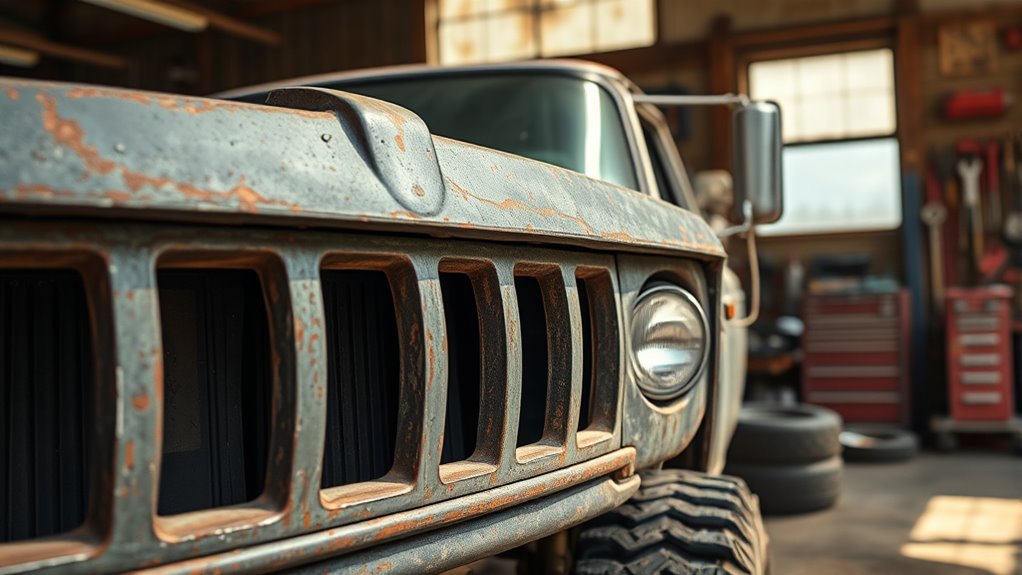
You can substantially extend your truck’s lifespan by sticking to regular service practices and preventive maintenance strategies. Addressing small issues early prevents costly repairs and keeps your vehicle running smoothly. Consistent care is key to reaching higher mileage milestones and defying common expectations. Paying attention to maintenance practices such as oil changes, tire rotations, and system checks can further optimize your vehicle’s durability.
Regular Service Practices
Regular service practices play a essential role in extending a truck’s lifespan by ensuring that essential components remain in ideal condition. Proper maintenance helps prevent major failures and keeps your truck running efficiently. To maximize longevity, focus on these key practices:
- Regular oil and filter changes to reduce engine wear.
- Inspect and replace belts, hoses, and filters as needed.
- Maintain proper tire pressure and rotate tires to prevent uneven wear.
- Check and service brake systems for safety and reliability.
Sticking to a consistent service schedule minimizes unexpected breakdowns and preserves vehicle value. By staying proactive with maintenance, you help your truck perform at its best for years longer than neglecting routine care. Remember, regular service isn’t just about fixing problems—it’s about preventing them.
Preventive Maintenance Strategies
Implementing effective preventive maintenance strategies is essential for maximizing your truck’s longevity. Regularly inspecting and servicing key components—like brakes, tires, fluids, and filters—keeps your truck running smoothly and helps catch issues early. Change oil and filters on schedule to reduce engine wear, and check fluid levels frequently to prevent overheating or corrosion. Keep tires properly inflated to improve fuel efficiency and safety, and replace worn belts or hoses before they fail. Address minor repairs promptly instead of waiting for problems to worsen. Maintain your truck’s battery, brakes, and suspension regularly to avoid costly breakdowns. Consistent preventive care minimizes unexpected repairs, extends component life, and boosts your truck’s overall durability, increasing the chance it will reach those high-mileage milestones you’re aiming for.
Brand Performance and Market Trends in Long-Lasting Trucks
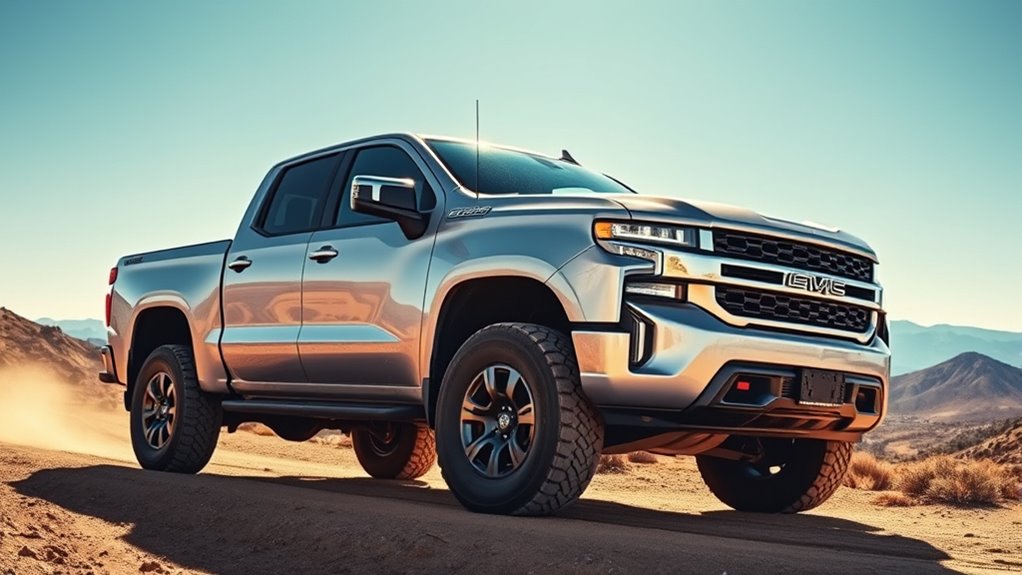
Among pickup truck brands, Ram and GMC lead the way in long-term durability, with both companies boasting about an 11.5% and 11.4% chance, respectively, of their trucks surpassing 250,000 miles. You’ll notice that American brands like Chevrolet also perform well, with the Silverado having the highest percentage of trucks lasting over 200,000 miles. To understand these trends better:
- Heavy-duty models, like Ford F-350 and Toyota Tundra, show higher longevity probabilities.
- Ram and GMC’s success stems from durable engineering and heavy-duty focus.
- Brand rankings fluctuate based on maintenance practices and usage patterns.
- Overall, American brands dominate long-lasting truck statistics, but achieving 300,000 miles remains rare.
- Brand reputation and model focus heavily influence a truck’s lifespan, but extraordinary longevity is still exceptional.
These trends highlight that brand reputation and model focus heavily influence a truck’s lifespan, but extraordinary longevity is still exceptional.
Separating Myth From Fact: Achieving 300,000 Miles
Achieving 300,000 miles in a pickup truck is often viewed as the pinnacle of durability, but the reality is quite different. Only a small fraction of trucks reach that milestone, making it more of an outlier than a typical goal. Heavy-duty models like the Ford F-350 or Ram 3500 have higher chances, with roughly 40-50% surpassing 250,000 miles, yet hitting 300,000 remains rare. Proper maintenance plays a vital role; consistent oil changes, timely repairs, and careful driving can extend your truck’s lifespan considerably. Still, even the best trucks are unlikely to reach that level without extraordinary circumstances. So, while trucks can last a long time, expecting 300,000 miles as a norm is unrealistic for most owners. Understanding the typical lifespan can help set more realistic expectations for your vehicle’s longevity.
Frequently Asked Questions
What Factors Most Influence a Pickup Truck’s Ability to Reach 250,000 Miles?
Your truck’s ability to reach 250,000 miles mainly depends on proper maintenance, driving habits, and the truck’s build quality. Regular oil changes, timely repairs, and gentle driving extend its lifespan. Choosing a heavy-duty model like the Ram 3500 or Ford F-350, known for durability, also boosts your chances. Keep up with maintenance and drive responsibly to maximize your truck’s longevity and get closer to those high-mileage milestones.
How Does Driving Style Impact a Truck’s Longevity and High-Mileage Potential?
You should know that trucks driven carefully tend to last longer; in fact, proper driving can substantially boost your vehicle’s chances of hitting high-mileage benchmarks. Data shows trucks with attentive driving, gentle acceleration, and minimal harsh braking are more likely to reach 250,000 miles. By avoiding aggressive driving habits and sticking to recommended maintenance schedules, you can extend your truck’s lifespan and maximize its durability over time.
Are There Specific Maintenance Practices That Significantly Extend a Truck’s Lifespan?
You can considerably extend your truck’s lifespan by following specific maintenance practices. Regular oil changes, tire rotations, and brake inspections keep the engine and moving parts in top shape. Keep up with timely fluid replacements, filter changes, and addressing any issues promptly. Avoid aggressive driving and overloading. Proper maintenance reduces wear and tear, helping your truck run smoothly longer and increasing its chances of reaching higher mileages.
How Do Regional Climates Affect Pickup Truck Durability and Longevity?
Regional climates directly impact your truck’s durability and longevity. Harsh environments, like extreme cold or heat, accelerate wear on engine parts, batteries, and tires. Moist or salty conditions promote corrosion, weakening the frame and undercarriage. You can extend your truck’s lifespan by using proper protective coatings, choosing climate-appropriate fluids, and performing regular maintenance tailored to your area’s weather challenges. Staying proactive helps your truck withstand harsher conditions and last longer.
Can Aftermarket Modifications Improve a Truck’s Chances of Reaching 300,000 Miles?
Aftermarket modifications can boost your truck’s chances of reaching 300,000 miles, but it’s rare—less than 1.5% of pickups hit that mark. Upgrading parts like suspension, exhaust, or engine components can improve durability if done correctly. Proper maintenance remains essential, and modifications should complement routine care. Focus on quality upgrades and regular service to help your truck last longer, but remember, hitting 300,000 miles is still an outlier for most pickups.
Conclusion
So, next time you hear about pickups lasting 300,000 miles or more, remember there’s more beneath the surface. While some trucks do reach impressive marks, it’s not guaranteed. Your own journey depends on careful maintenance and choosing the right model. But what if the true secret to longevity isn’t just miles, but how you treat your truck along the way? The real story may surprise you—are you ready to find out?