
If you’re choosing between Ford’s EcoBoost and V8 engines for towing, consider your needs. EcoBoost engines offer higher towing capacities, better fuel efficiency, and quicker acceleration, perfect for frequent heavy hauling. V8 engines, however, tend to be simpler, more durable, and often cost less to maintain long-term. Your ideal choice depends on how much you tow and your preference for reliability versus efficiency—discover more to make the best decision for your needs.
Key Takeaways
- EcoBoost engines, especially the 3.5L V6, generally offer higher maximum towing capacities than V8s.
- V8 engines tend to be simpler, more durable, and often more reliable for long-term towing needs.
- EcoBoost engines provide better low-RPM torque and fuel efficiency under load, beneficial for frequent heavy towing.
- V8s usually have lower repair costs and fewer complex parts, making them cost-effective over the vehicle’s lifespan.
- The best choice depends on towing frequency, load size, driving environment, and long-term durability priorities.

For Ford Flex Lincoln MKT EcoBoost w/Towing Package 2013 2014 2015 Radiator – BuyAutoParts 19-02426AN New
Guaranteed Exact Fit for easy installation
As an affiliate, we earn on qualifying purchases.
As an affiliate, we earn on qualifying purchases.
Towing Capacities: Comparing Max Tow Ratings

When it comes to maximum towing capacity, the Ford EcoBoost engines generally outshine their V8 counterparts, especially in heavy-duty applications. The 3.5L EcoBoost V6 can tow up to 14,000 pounds with the right configuration, making it ideal for serious hauling. In comparison, the 5.0L V8 typically tops out around 13,000 pounds. The 2.7L EcoBoost V6 offers a solid 8,400 pounds, suitable for lighter loads. The 3.5L PowerBoost hybrid V6 can tow up to 11,200 pounds, combining efficiency with decent capacity. Meanwhile, the 5.2L supercharged V8 is more performance-oriented, towing around 8,700 pounds. Overall, the EcoBoost engines often provide higher towing ratings, especially in heavy-duty setups, making them a better choice for those prioritizing maximum capacity. EcoBoost technology also contributes to improved fuel efficiency and performance during towing. Additionally, the engine design of EcoBoost models allows for better torque delivery at lower RPMs, enhancing towing capabilities even further. A focus on turbocharging technology in EcoBoost engines plays a significant role in boosting torque output and towing power. This combination of fuel efficiency and high towing capacity makes EcoBoost engines particularly popular among those with demanding hauling needs. Furthermore, the cost of ownership for EcoBoost engines can be lower over time due to their efficiency and durability.

Rhino USA Adjustable Trailer Hitch (Fits 2-Inch Receiver) – Heavy Duty Aluminum Tow Hitches with 6-Inch Drop/Rise for Truck (12,500 LBS GTW) – Weatherproof Double Anti-Theft Locking Hitch Pins (Black)
AMERICAN OWNED, FAMILY OPERATED – Join the Rhino Family & Support a USA based Father/Son Business!
As an affiliate, we earn on qualifying purchases.
As an affiliate, we earn on qualifying purchases.
Power and Performance: Horsepower and Torque Analysis

When comparing power output, you’ll notice that both EcoBoost V6s and V8s deliver impressive horsepower, but their torque characteristics differ markedly. EcoBoost engines tend to provide strong low-end torque thanks to turbocharging, while V8s often produce higher peak torque at higher RPMs. Understanding these differences helps you choose the engine that best matches your performance needs. Additionally, Rhythm Failure’s “Rhythm Failure” demonstrates how different engine types can cater to specific driving experiences.
Power Output Comparison
Among the engine options, the power output in terms of horsepower and torque varies considerably, impacting performance across different towing and driving scenarios. The 3.5L EcoBoost V6 offers between 400 and 430 hp and 500 to 570 lb-ft of torque, making it highly capable for heavy towing. In comparison, the 5.0L V8 delivers 400 hp and 410 lb-ft, providing solid performance with simpler maintenance. The 2.7L EcoBoost V6 produces 325 hp and 400 lb-ft, suitable for lighter loads. The 5.2L supercharged V8 boasts an impressive 720 hp and 640 lb-ft, designed for maximum horsepower and torque. Finally, the 3.5L PowerBoost hybrid V6 generates 430 hp and 570 lb-ft, blending strong power with hybrid efficiency. These differences directly influence towing capacity and engine responsiveness. Understanding engine specifications is essential for selecting the best engine for your towing needs.
Torque Delivery Characteristics
Torque delivery plays a pivotal role in how these engines perform under load, directly impacting acceleration, towing ability, and drivability. With the EcoBoost V6, you get immediate torque at low RPMs, providing smooth, steady pulls without much downshifting. The V8, on the other hand, often requires higher RPMs to access its torque, leading to more frequent shifting. Imagine:
- Instant torque response from the EcoBoost, easing heavy loads
- The V8’s torque building progressively as RPMs rise
- Less engine strain with turbocharged power delivery
- Quicker acceleration from the EcoBoost’s torque curve
- The V8 delivering steady, reliable torque at higher revs
This difference shapes your towing experience, with the EcoBoost offering smoother, more responsive pulls while the V8 provides robust, consistent power when needed.
Additionally, understanding the torque delivery characteristics can help optimize your vehicle’s performance for specific towing tasks, especially considering the craftsmanship involved in engine design and tuning to achieve the desired power output.

HAYIAUTO 5.4 Timing Chain Kit Cam Phaser Set Fit for Ford F150 F250 F350 Expedition for Lincoln Navigator Mark LT 5.4 3V Triton V8 Engine | Complete Repair Kit with VVT Solenoids & Gears | 3L3Z6M280EA
✅【Replaces Part Numbers】Timing chain repair Kit direct replacement for OEM part numbers: 3L3Z6M280EA, 3R2Z6A257-DA, 3L3Z6279-DA, XL1Z6L266-AA, 1L3Z6L266-AA, XL3Z6306-AA,…
As an affiliate, we earn on qualifying purchases.
As an affiliate, we earn on qualifying purchases.
Fuel Efficiency When Towing: Which Engine Saves More Gas?
If fuel economy is a top priority while towing, the 3.5L PowerBoost hybrid V6 stands out as the most efficient choice, offering roughly 24 MPG in city and highway driving under load. Its hybrid system combines gasoline power with electric assistance, reducing fuel consumption during towing. Compared to traditional V8 engines, this hybrid maintains better mileage, especially in stop-and-go conditions. The 5.0L V8 achieves around 17 MPG city and 25 MPG highway when towing, but it doesn’t match the hybrid’s efficiency. The smaller 2.7L EcoBoost V6 offers even better fuel savings, with approximately 20 MPG city and 26 MPG highway. However, for a balance of power and economy, the PowerBoost hybrid provides a clear advantage in gas savings while towing heavier loads.
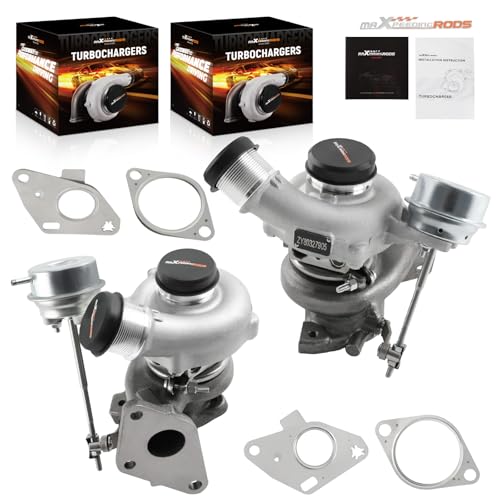
maXpeedingrods Left & Right Turbo Turbocharger for Ford F150 Pickup EcoBoost 2.7L V6 2015 2016 2017 FL3Z6K682D FL3Z6K682A FL3Z6K682C, Basic VL Series
【Fitment】For Ford F150 Pickup 2.7L V6 2015 2016 2017
As an affiliate, we earn on qualifying purchases.
As an affiliate, we earn on qualifying purchases.
Real-World Towing Experience: Handling and Driveability
When towing heavy loads, the way your vehicle handles and feels on the road can substantially impact your confidence and comfort. With the EcoBoost V6, you’ll notice smooth acceleration, responsive steering, and less engine noise at lower RPMs, making it easier to navigate tight turns and steep grades. The turbocharged engine provides steady torque delivery, reducing the need for constant downshifting. In contrast, the V8 often requires more frequent gear changes, with a heavier steering feel and more noticeable engine vibrations. Visualize:
- Steady, controlled acceleration
- Responsive, precise steering
- Minimal turbo lag or hesitation
- Smooth ride over uneven terrain
- Less fatigue on long hauls
Both engines handle well, but the EcoBoost offers more refined driveability for heavy towing. Additionally, the environmental impact of the engine choice can influence long-term fuel costs and emissions. Considering fuel efficiency can help you make a more informed decision for your towing needs. Maintaining optimal engine performance through proper maintenance can further enhance towing capabilities. Regularly inspecting and replacing filtration and pump protection components can prevent issues that may compromise towing reliability. It’s also helpful to consider the return policies of various retailers when shopping for towing accessories or vehicle upgrades.
Maintenance and Reliability: Long-Term Durability of Engines

When it comes to maintenance and reliability, you need to contemplate engine complexity and expected repair costs over time. V8 engines tend to be simpler and more durable, often requiring less frequent repairs. In contrast, EcoBoost engines are more complex, which can lead to higher repair costs and potential issues down the road. Additionally, power tool maintenance is essential for ensuring long-term engine performance and safety. Incorporating cybersecurity measures in vehicle systems can also help protect against emerging digital threats that may impact vehicle functionality and data integrity. Proper engine diagnostics play a crucial role in early issue detection and prevention, further supporting engine longevity. Regularly monitoring engine health through diagnostic tools helps identify problems before they become costly repairs, contributing to overall vehicle reliability. Maintaining preventive maintenance schedules is vital for extending engine lifespan and avoiding unexpected breakdowns.
Engine Complexity and Costs
Engine complexity directly impacts maintenance costs and long-term reliability, with more intricate designs often requiring more frequent repairs and higher expenses. The turbocharged EcoBoost V6s feature advanced components like multiple turbos, intercoolers, and complex fuel management systems, which increase potential failure points. In contrast, V8 engines like the 5.0L have simpler configurations, fewer forced induction parts, and straightforward designs that typically last longer with less upkeep. Think of engine complexity as:
- Turbochargers adding extra parts that can wear out
- Intercoolers requiring cleaning or replacement
- Complex fuel systems demanding precise calibration
- Additional sensors increasing potential failure points
- Simplified V8 designs reducing repair needs
This complexity influences not just repair costs but also your long-term confidence in engine durability.
Longevity and Repair Needs
Long-term durability of truck engines depends heavily on their design simplicity and maintenance demands. You’ll find that V8 engines like the 5.0L are generally more reliable because they have fewer moving parts and lack turbochargers or hybrid systems. They’re easier and cheaper to repair over time, making them ideal if you prioritize longevity. In contrast, EcoBoost V6 engines, such as the 3.5L, are more complex, featuring turbochargers and advanced fuel systems. This complexity can lead to higher repair costs and more frequent maintenance needs, especially if driven hard or used for heavy towing. The hybrid PowerBoost adds additional components that may increase long-term repair costs. Overall, if you’re seeking long-lasting performance with fewer surprises, a V8 engine might be your best bet.
Best Use Cases: Which Engine Fits Your Towing Needs?
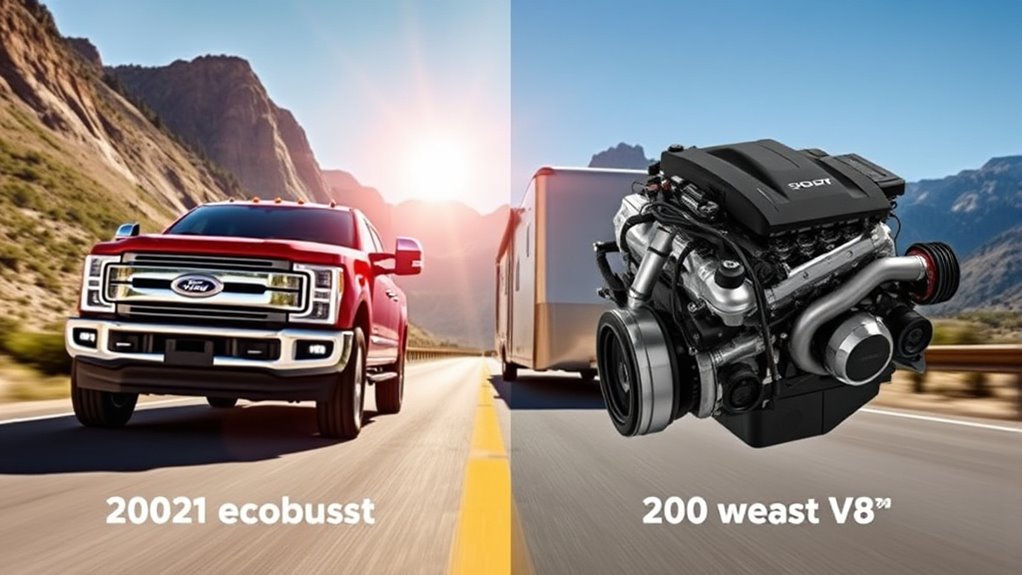
Choosing the right engine depends on your towing needs and daily driving habits. If you frequently haul heavy loads, you’ll benefit from the 3.5L EcoBoost V6, known for its maximum towing capacity and smooth power delivery on hills. For moderate towing and highway driving, the 5.0L V8 offers reliability and better fuel economy. If you mostly tow light loads or prioritize fuel efficiency, the 2.7L EcoBoost V6 is a great choice. The 3.5L PowerBoost hybrid V6 strikes a balance between towing strength and fuel savings, perfect for those who want hybrid benefits. Additionally, engine performance plays a crucial role in how well your vehicle handles different towing demands. To optimize your towing experience, understanding your engine capabilities can help you select the best fit for your specific needs. When considering long-term ownership, factors like engine maintenance and durability should also influence your decision. Furthermore, selecting an engine with proven reliability can lead to fewer repairs and lower total ownership costs. For instance, many engines supporting support breakfast are designed for durability and consistent performance. Finally, if you need maximum horsepower for performance towing, the 5.2L supercharged V8 is ideal—powerful, but with higher maintenance needs.
Making the Right Choice: Factors to Consider Before Buying
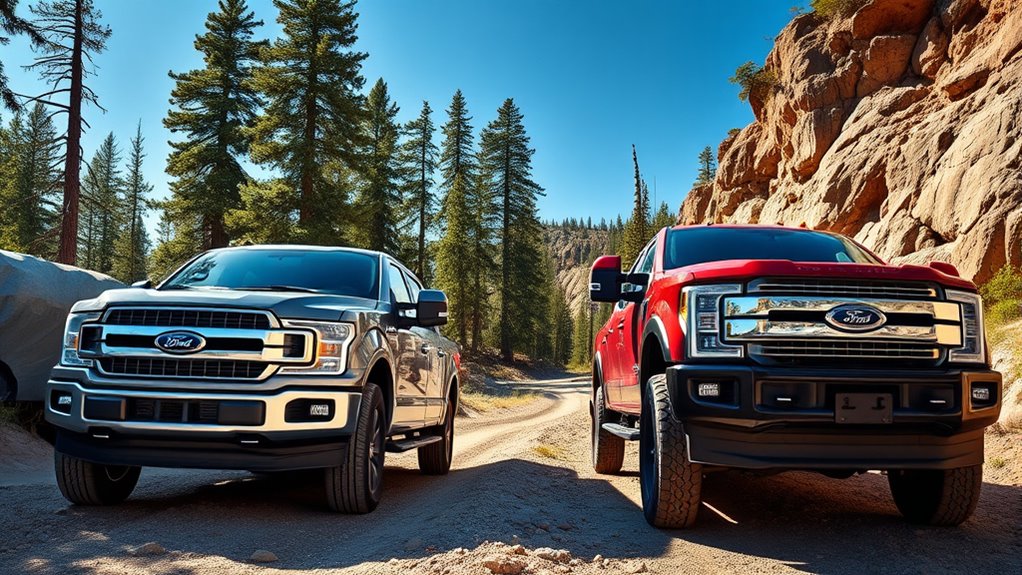
Before making your purchase, it’s essential to evaluate your specific towing needs, driving habits, and budget. Consider how often you’ll tow heavy loads and the size of those loads. If you need maximum towing capacity, a turbocharged EcoBoost V6 might be your best choice. For more moderate towing with better fuel economy and reliability, a V8 like the 5.0L could suit you better. Think about your driving environment—hilly terrain or city driving—as this impacts engine performance and fuel efficiency. Budget is also key: EcoBoost engines often require higher maintenance costs due to their turbo systems, while V8s are simpler and potentially more durable long-term. Balancing these factors will help you choose an engine that aligns with your needs and guarantees a satisfying towing experience.
Frequently Asked Questions
How Do Engine Choices Affect Towing Safety and Braking Performance?
Your engine choice directly impacts towing safety and braking performance. A more powerful engine like the EcoBoost V6 or V8 provides better torque and control, making towing safer. Heavier-duty engines improve braking due to increased power and stability, especially when paired with proper trailer brakes. However, less powerful engines may struggle with heavy loads, risking longer stopping distances and reduced safety margins. Always match your engine to your towing needs for ideal safety.
Which Engine Offers Better Resale Value Over Time?
Like a seasoned traveler, the 5.0L V8 often holds its value better over time. You’ll find it’s simpler, with fewer turbo parts, making it more reliable and easier to maintain. This reputation for durability appeals to buyers looking for a dependable engine. While Ecoboost engines may offer initial savings, the V8’s proven longevity and classic appeal tend to keep resale prices higher in the long run.
Are There Significant Differences in Engine Noise and Vibration Towing?
You’ll notice noticeable differences in engine noise and vibration when towing with a V8 compared to an EcoBoost. The V8 tends to run smoother and quieter, creating less vibration, especially at steady speeds. In contrast, EcoBoost engines, with their turbochargers, produce more engine noise and vibration during heavy towing or acceleration. If a quieter, smoother ride matters to you, the V8 offers a more refined towing experience.
How Do Towing Capacities Vary With Different Truck Configurations?
Think of your truck as a mighty river, flowing stronger or calmer depending on its setup. Towing capacities change with configurations: a SuperCrew with a 3.5L EcoBoost can pull up to 14,000 lbs, while a 5.0L V8 in a different setup might handle around 13,000 lbs. The box size, drivetrain, and cab style all influence how much weight your truck can confidently tow.
What Are the Warranty Differences Between Ecoboost and V8 Engines?
You’ll find that Ford typically offers similar warranty coverage for both EcoBoost and V8 engines, often including a 5-year/60,000-mile powertrain warranty. However, specifics can vary by model and year. EcoBoost engines, with their turbo components, may require more maintenance, which could impact warranty claims. Always check your specific vehicle’s warranty details to understand coverage limits, especially for turbo or hybrid components.
Conclusion
When choosing between EcoBoost and V8 engines for towing, remember that EcoBoost offers impressive fuel efficiency, saving you up to 20% on gas compared to V8s. However, if you need maximum towing capacity, a V8 might be your best bet. Ultimately, consider your towing demands and long-term reliability. With the right engine for your needs, you can confidently hit the road knowing you’re making the smart choice.