
TL;DR

Get business pricing on garage and car supplies
- Business-only prices and quantity discounts
- Tax-exempt purchasing
- Multiple users, one account, clear invoices
Analysts estimate that by 2045, the demand for electricity to charge electric trucks could reach 200 TWh annually. This projection underscores the significant future energy requirements for freight electrification, driven by increased adoption of electric trucks worldwide.
Projections indicate that by 2045, the annual electricity demand for charging electric trucks could reach 200 terawatt-hours (TWh), representing a substantial increase in energy needs for freight transportation electrification. This estimate, based on recent trend analyses, signals a significant shift in how freight logistics might evolve and the infrastructure required to support it.
Industry analysts and energy modelers have forecasted that, under current adoption trajectories, the total electricity required to charge electric trucks could approach 200 TWh annually by 2045. This figure is derived from modeling future fleet growth, technological advancements in battery and charging infrastructure, and increased regulatory pressures to reduce carbon emissions from freight transport.
Currently, global electric truck sales are rising sharply, driven by policy incentives, technological improvements, and corporate commitments to sustainability. As these trucks become more prevalent, their cumulative charging demand is expected to grow exponentially, with estimates suggesting a near tenfold increase over the next two decades.
While the 200 TWh estimate provides a broad sense of future energy needs, it is important to note that these projections depend heavily on assumptions about fleet growth rates, charging efficiency, and the pace of renewable energy deployment to meet this demand sustainably.
Implications of 200 TWh Charging Demand for Future Energy Systems
The projected rise to 200 TWh in annual charging demand by 2045 highlights the scale of future energy infrastructure needs as freight transportation shifts toward electrification. This demand could significantly impact electricity generation, grid stability, and the integration of renewable energy sources. Policymakers and industry stakeholders must consider these factors in planning for sustainable growth and energy security.
Moreover, this forecast underscores the importance of advancing charging technology, expanding grid capacity, and investing in renewable energy to meet the rising demand without exacerbating emissions or causing grid overloads. Failure to prepare adequately could hinder the transition to zero-emission freight and impact climate goals.
As an affiliate, we earn on qualifying purchases.
Growing Electrification of Freight and Its Energy Implications
The trend toward electrifying freight transport has gained momentum over recent years, driven by stricter emissions regulations, technological innovation, and corporate sustainability commitments. Currently, electric trucks account for a small but rapidly expanding share of the global logistics fleet.
Industry estimates suggest that the number of electric trucks could grow from tens of thousands today to hundreds of thousands or even millions by 2045, depending on policy support and technological breakthroughs. This expansion will require a corresponding increase in charging infrastructure and electricity supply, especially as freight operators seek faster charging options to minimize downtime.
While detailed forecasts vary, most models agree that the energy demands will rise sharply, with some projections reaching hundreds of TWh annually. The specific figure of 200 TWh by 2045 is a trend signal based on current data and modeling assumptions, not a definitive forecast.
As an affiliate, we earn on qualifying purchases.
Uncertainties in Future Charging Demand Projections
These projections are based on models that incorporate current trends, policies, and technological assumptions. Significant uncertainties remain regarding the actual pace of electric truck adoption, advancements in fast-charging technology, and the future mix of energy sources used for electricity generation. Additionally, unforeseen policy changes or technological breakthroughs could accelerate or slow this growth.
It is not yet clear whether the 200 TWh estimate will materialize exactly as modeled, as many variables could influence the actual demand, including economic factors, fuel prices, and the evolution of alternative zero-emission technologies.
As an affiliate, we earn on qualifying purchases.
Monitoring Policy, Technology, and Infrastructure Developments
Stakeholders will need to closely monitor developments in electric truck adoption rates, charging technology, and grid capacity planning. Policymakers may need to implement supportive measures to facilitate infrastructure expansion and renewable energy deployment. Industry players will likely accelerate investments in charging stations and fleet electrification programs.
Further research and updated forecasts are expected as more data becomes available and as the technology and market evolve. The coming years will be critical to validate or revise these projections and to develop strategies for managing the anticipated energy demand.
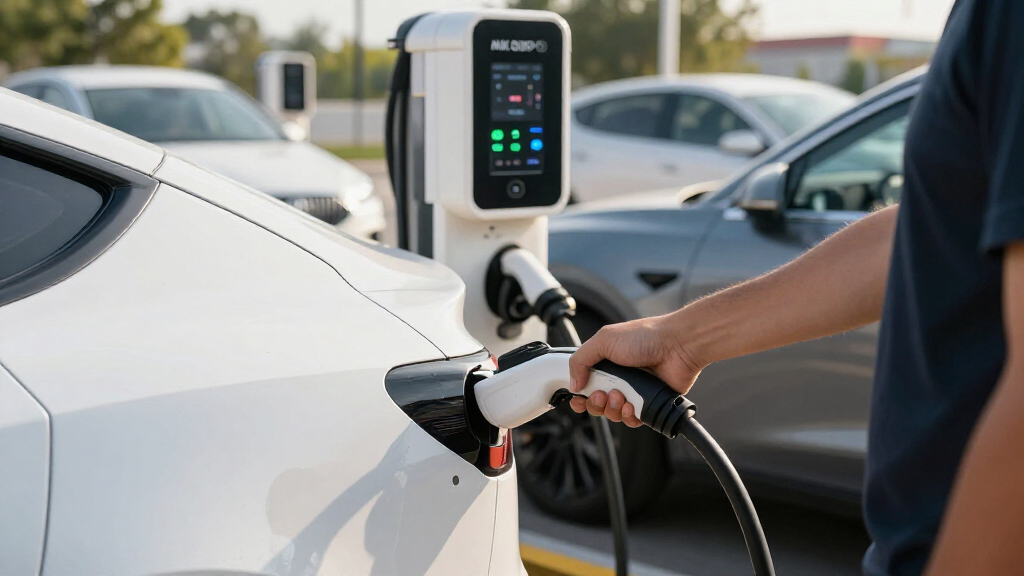
renewable energy EV charging station
As an affiliate, we earn on qualifying purchases.
As an affiliate, we earn on qualifying purchases.
Key Questions
What factors influence the projected 200 TWh demand for electric truck charging?
The projection depends on factors such as fleet growth, charging efficiency, technological advancements, policy support, and renewable energy deployment.
How does this demand compare to current electricity consumption?
Currently, global electricity consumption is in the order of several thousand TWh annually. The 200 TWh demand for electric truck charging by 2045 represents a significant but manageable increase, requiring infrastructure expansion and grid modernization.
What challenges could arise from this increase in charging demand?
Potential challenges include grid overloads, insufficient renewable energy capacity, and the need for widespread charging infrastructure. Addressing these will require coordinated planning and investment.
Are there technological solutions to reduce the energy demand for charging?
Yes, advancements in fast-charging technology, battery energy density, and smart grid management can help optimize charging and reduce overall energy consumption.
When will we see the most significant growth in electric truck adoption?
Most growth is expected over the next decade, with acceleration driven by policy incentives, technological improvements, and corporate commitments to sustainability.
Source: rss
Halloween Picks
halloween
As an affiliate, we earn on qualifying purchases.