
Many TikTok myths about truck beds, like using hair conditioner for paint or carpeted liners, can lead to damage. Conditioner isn’t designed for vehicles; it can leave residue and doesn’t offer lasting protection. Carpet liners trap moisture and wear out fast. Spray-in liners are difficult to remove and often require professional help. Bed covers do help fuel economy, but benefits are modest. Keep exploring to uncover what truly works for your truck.
Key Takeaways
- Hair conditioner is not suitable for truck bed protection; it can attract dirt and cause paint damage.
- Carpeted truck bed liners trap moisture, increasing rust risk and are less durable than spray-in or drop-in liners.
- Spray-in liners bond chemically to the bed, making removal difficult without professional sanding or grinding.
- Bed covers may improve aerodynamics but offer only modest fuel savings, often exaggerated on TikTok.
- Genuine protection requires automotive-grade waxes or ceramic coatings, not household products like hair conditioner.
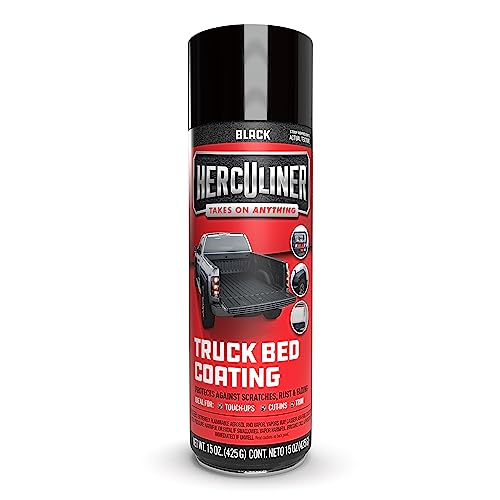
Herculiner Aerosol Spray Truck Bed Liner, 15 Ounce Spray Can, Black, Textured, Suitable For All Truck Beds, 6-7 sq ft Coverage
Herculiner "Original" Truck Bed Liner Aerosol protects against scratches, rust & fading for use as a touch-up or…
As an affiliate, we earn on qualifying purchases.
As an affiliate, we earn on qualifying purchases.
Debunking the Hair Conditioner Myth for Truck Bed Paint
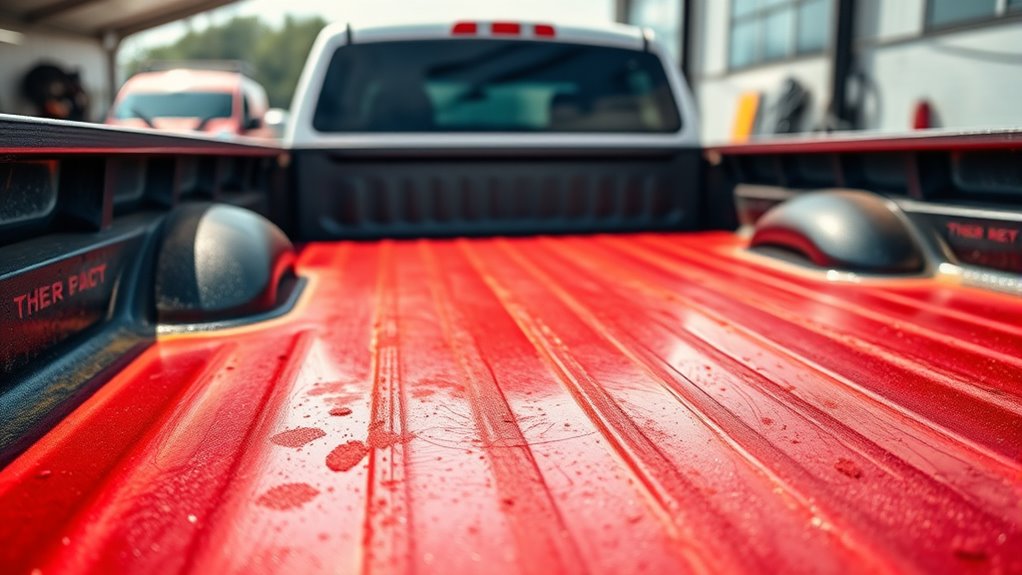
Many truck owners believe that applying hair conditioner can protect their truck bed paint, but this is a misconception. Hair conditioners aren’t formulated for vehicle protection, and over time, they can leave residue that attracts dirt and grime. They lack UV inhibitors, which are essential to prevent paint from fading and cracking under sun exposure. Testing shows conditioners don’t form a durable, protective barrier like proper waxes or sealants do. Consumer reports recommend using specialized products designed for automotive paint, such as wax or ceramic coatings, to ensure real protection. Relying on hair conditioner might give a temporary shine, but it won’t shield your truck bed from elements or wear. Misleading TikTok videos often promote this myth, risking unnecessary damage to your truck’s paint. Building a proper protective layer with automotive-grade products is essential for long-term preservation.

Nano Bond Ceramic Coating for Cars – 80% SiO2 Formula, Hydrophobic Paint Protection, UV & Corrosion Resistant for Glass, Wheels & Plastic, Easy Application, Car Detailing Kit, 30ml
Paint Protection That Holds – Your car faces UV rays, salt, acid rain, and scratches every single day….
As an affiliate, we earn on qualifying purchases.
As an affiliate, we earn on qualifying purchases.
The Truth About Carpeted Truck Bed Liners
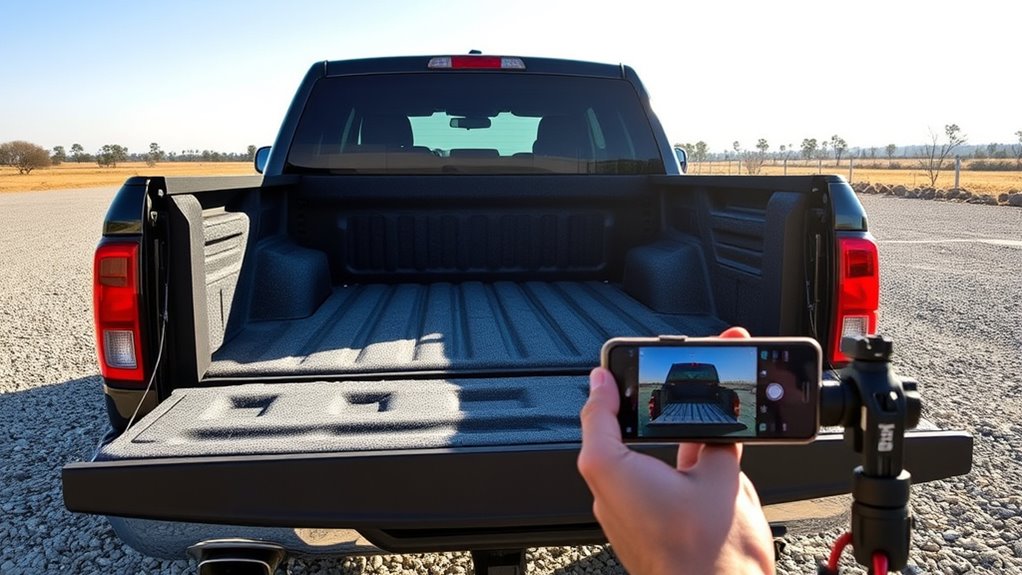
While some truck owners believe that lining their beds with carpeting offers better protection, this idea overlooks important drawbacks. Carpeting traps moisture, which can cause rust and corrosion beneath the liner. Dirt and debris easily get stuck, making cleaning a hassle and increasing mold or mildew risk. Unlike rubber or spray-in liners, carpet doesn’t resist impacts or withstand heavy loads, leading to quicker wear and tear. Over time, the fibers degrade, requiring frequent replacements. Additionally, carpeting can obscure existing damage, making repairs later more difficult. Manufacturers advise against carpeted liners because they lack the durability needed for truck beds. Proper color accuracy in protective coatings can help prevent some of these issues, but carpet remains less practical overall. Ultimately, while carpeting might look appealing, it doesn’t provide the long-term protection or practicality that other liner types deliver.

MOSTPLUS 5.5FT Quad Fold Soft Truck Bed Tonneau Cover On Top Compatible for Ford F150 2015-2025 2026 F-150 Bed Fourth Fold Styleside Bed Cover 67Inch
Truck bed Compatible for Ford F-150 2015 2016 2017 2018 2019 2020 2021 2022 2023 2024 2025 2026,…
As an affiliate, we earn on qualifying purchases.
As an affiliate, we earn on qualifying purchases.
Can Spray-In Liners Be Removed? Separating Fact From Fiction
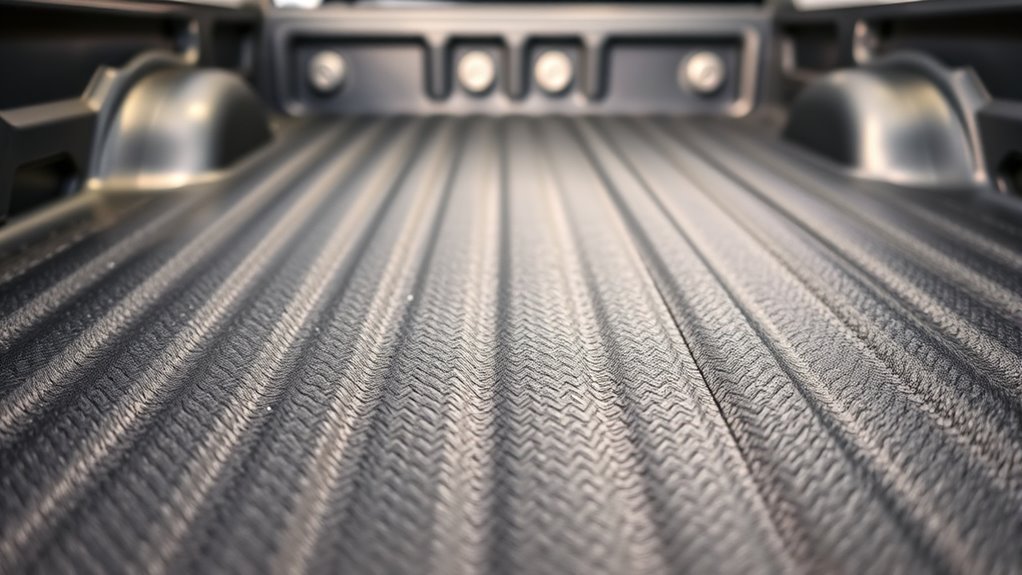
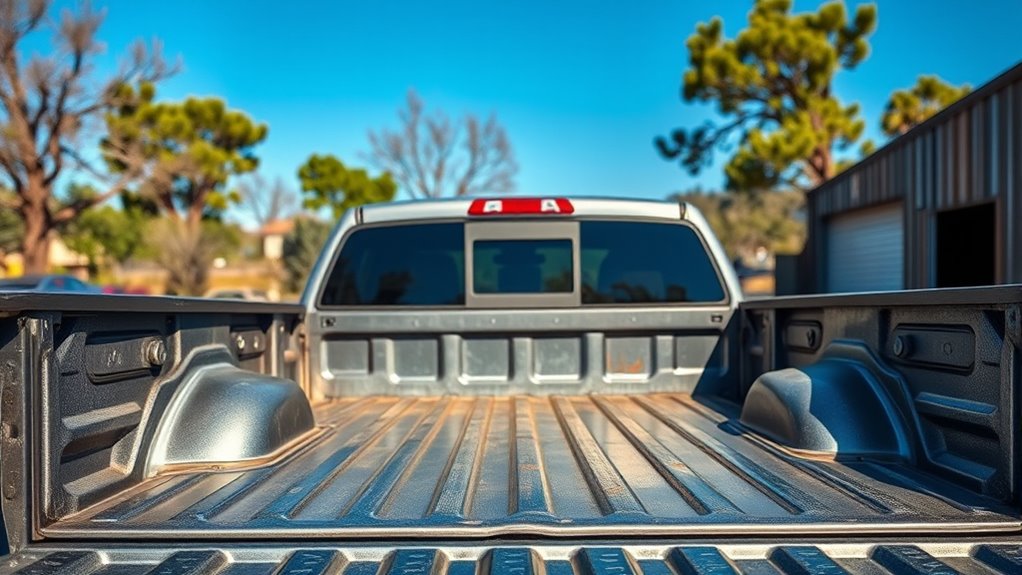
Spray-in bed liners are designed to bond chemically with your truck bed’s metal surface, making them a semi-permanent protective layer. Because of this chemical bond, removal isn’t simple or quick. Usually, you’ll need to resort to mechanical methods like sanding or grinding, which can be labor-intensive and potentially damage your truck bed. Trying to peel or scrape off a cured liner often results in surface scratches or gouges. Automotive experts confirm that spray-in liners are meant to be long-lasting, and manufacturers’ warranties specify that they aren’t designed for removal. If you’re considering changing your bed protection, plan for professional removal, which can be costly and time-consuming. In most cases, once applied, spray-in liners are meant to stay put for the long haul. Additionally, the chemical bonding process makes removal particularly challenging compared to other bed liner options.

EldHus Clip Pliers Trim Removal Tools – 3 Pack Car Removal Tool Set to Remove Rivets Fasteners Push Pins, Clips Puller Kit for Door Dash Dashboard Panel Body Repair Tools, Red
Package: 2 clip removal tools and 1 panel clip plier, auto handy tool set for taking push pins…
As an affiliate, we earn on qualifying purchases.
As an affiliate, we earn on qualifying purchases.
Do Bed Covers Really Save Fuel? What the Data Shows
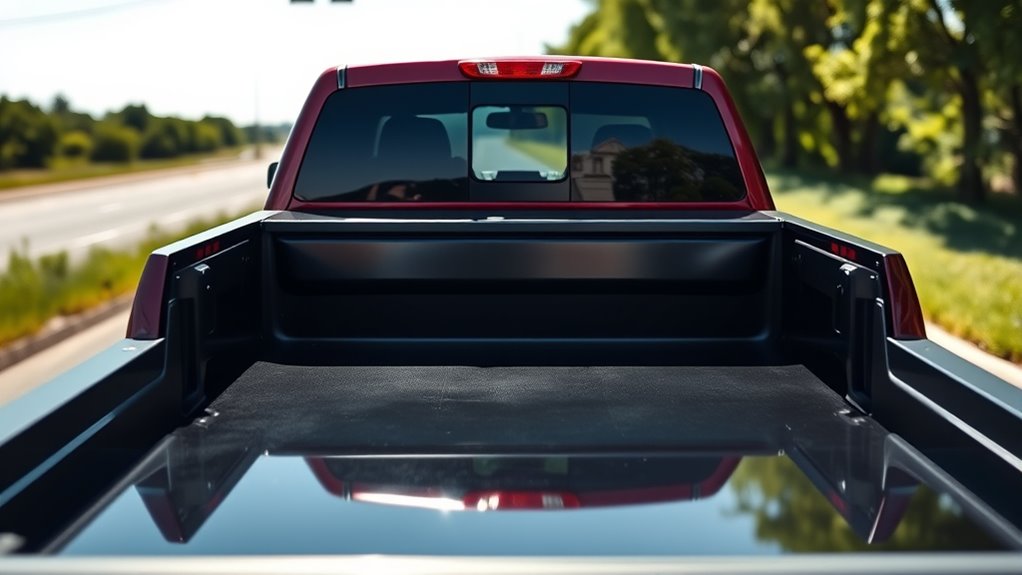
Although bed covers can improve the aerodynamics of your truck, the actual fuel savings are typically modest. Studies show that different types of covers, like soft roll-ups or hard shells, can reduce drag slightly, but the impact on miles per gallon is usually only 0-5%. Factors like driving speed, truck model, and cover design influence these results, making these savings unpredictable. The EPA confirms that while covers help reduce wind resistance, they don’t lead to significant fuel economy improvements in real-world driving. Many TikTok claims exaggerate these benefits, inflating expectations. Experts suggest focusing on proven fuel-saving strategies, such as maintaining proper tire pressure and regular vehicle maintenance, rather than relying solely on bed covers for better mileage. Additionally, understanding aerodynamic principles can help truck owners make more informed decisions about modifications.
Frequently Asked Questions
Are There Any Eco-Friendly Alternatives to Traditional Truck Bed Liners?
Yes, there are eco-friendly alternatives to traditional truck bed liners. You can opt for biodegradable drop-in liners made from recycled materials or use rubber bed liners sourced from natural or recycled rubber, which are more sustainable. Additionally, spray-on liners with eco-friendly formulas are available. These options reduce environmental impact, last long, and provide effective protection without harmful chemicals or plastics, making them a greener choice for your truck bed.
How Do Different Types of Bed Covers Impact Truck Aerodynamics?
Imagine the wind slicing smoothly over your truck, the bed cover streamlined like a racing car. Hard covers create a sleek surface, reducing drag and improving aerodynamics more than soft covers, which flutter and disrupt airflow. While both types offer some efficiency gains, hard covers typically deliver better fuel savings. So, if you want a noticeable impact, opt for a rigid, solid cover that hugs your truck’s shape and cuts through the air.
Can Aftermarket Racks Affect a Truck’s Warranty or Insurance Coverage?
Adding aftermarket racks can impact your truck’s warranty and insurance coverage if you overload them or install them improperly. You might void parts of your warranty if the manufacturer specifies weight limits or installation guidelines. Insurance companies could also adjust your coverage if they see added racks as increasing risk or potential damage. Always check your vehicle’s manual and consult your insurer before installing racks to avoid problems later on.
What Maintenance Practices Best Prolong the Life of Truck Bed Mats?
To prolong the life of your truck bed mats, you should regularly clean them with mild soap and water to remove dirt and debris. Avoid harsh chemicals that can degrade the material. Inspect for tears or damage and repair promptly. Keep the mats dry to prevent mold and rust underneath. Reposition or replace mats when they show significant wear, ensuring they continue to protect your truck bed effectively.
Do Specific Truck Models Respond Better to Bed Protection Methods?
You might notice that some truck models, especially those with factory-applied coatings, respond better to specific protection methods. For example, newer models with factory bed liners often need only maintenance, while older trucks benefit from spray-in liners or bed mats for extra protection. Your truck’s make and age influence how well it responds, so choosing the right method tailored to your vehicle helps extend its bed’s lifespan effectively.
Conclusion
Now that you know the facts, you can stop believing every TikTok myth and start making smarter choices for your truck. Whether it’s debunking hair conditioner myths, understanding carpeted liners, or questioning spray-in removal, you’re equipped with the truth. You can trust what’s real, ignore the hype, and keep your truck looking and performing its best. Because when you separate fact from fiction, you drive smarter, safer, and more confidently every time.