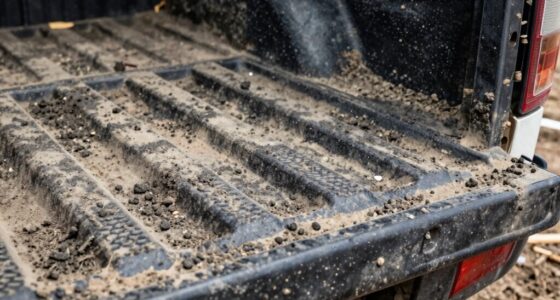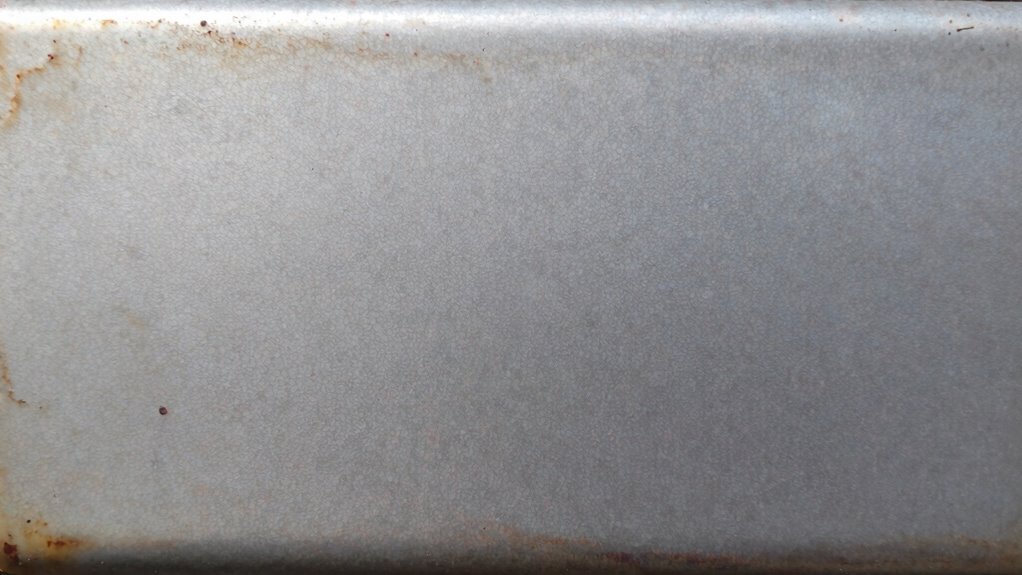

To spot early corrosion, look for dull, flaky, or discolored spots on metal surfaces, which often show light rust or a bluish tint. Regularly inspect areas prone to moisture, and gently clean surfaces to reveal hidden pits or surface changes. Use tools like flashlights or magnifying glasses for better detail. Monitoring for subtle surface alterations helps catch corrosion early before it spreads. Keep exploring to discover more effective ways to protect your metal items from damage.
Key Takeaways
- Regularly inspect metal surfaces for dullness, discoloration, or flaky layers indicating early oxidation.
- Use visual checks with magnification or lighting to detect tiny pits or surface changes.
- Clean surfaces gently to differentiate superficial oxidation from deeper corrosion.
- Utilize ultrasonic gauges or corrosion sensors for internal or subsurface corrosion detection.
- Apply corrosion inhibitors and conduct routine maintenance to prevent initial oxidation from spreading.

Have you ever wondered how to identify corrosion before it causes serious damage? Spotting early signs is vital if you want to prevent costly repairs and extend the lifespan of your equipment or structures. One of the first indicators of corrosion is surface oxidation. This process appears as a dull, flaky, or discolored layer on metal surfaces. When you notice a subtle change in the surface’s appearance—such as a light rust or a bluish tint—it’s a sign that oxidation is beginning to take hold. While surface oxidation might seem minor initially, it’s a warning flag that corrosion could be progressing beneath the surface. Regularly inspecting surfaces, especially in environments prone to moisture or chemicals, helps you catch these signs early. Cleaning the area can reveal if oxidation is superficial or if deeper corrosion is developing underneath. Incorporating contrast ratio, which affects the visibility of surface details, can also assist in identifying early corrosion signs more clearly during inspections. Additionally, understanding the battery maintenance practices that prevent moisture buildup can help reduce corrosion risks in electrical components. Pitting detection is another essential aspect of early corrosion identification. Pitting corrosion causes small, often unnoticed holes or cavities to form on the metal surface. These tiny pits can rapidly expand if left unchecked, leading to structural weaknesses. To detect pitting, you should closely examine the surface for tiny, localized spots where the metal appears thinner or slightly depressed. Sometimes, pitting is hidden beneath a layer of corrosion products, so gently cleaning the area can make the pits more visible. Using a magnifying glass or a flashlight can help you spot these small imperfections more clearly. When you identify pitting early, you can take targeted measures such as applying corrosion inhibitors or repairing the affected zones to prevent further deterioration. Beyond visual inspection, it’s wise to use specialized tools like ultrasonic thickness gauges or corrosion sensors if you want to get a more accurate assessment of corrosion’s extent. These tools help detect internal or subsurface corrosion that isn’t visible to the naked eye. Combining surface oxidation checks with pitting detection techniques is essential because early detection can significantly reduce the risk of major failures. Regular monitoring and prompt action are key to stopping corrosion in its tracks before it spreads and causes irreversible damage. Recognizing the role of neurobiological factors can also enhance your understanding of how corrosion progresses at a microscopic level. Remember, catching corrosion early not only saves money but also preserves structural integrity. So, stay vigilant, perform routine inspections, and address any signs of surface oxidation or pitting as soon as you notice them. That way, you’re actively preventing small issues from turning into major problems down the line.

LE LED Pen Flashlights, Lightweight, Mini, Waterproof Pocket Flashlight with Clip, 2 Pack Small Flashlights for Inspection, Work, Emergency
Pocket Size: Weight only 29g, makes this small pocket bright flashlights can be easily put into your pocket…
As an affiliate, we earn on qualifying purchases.
As an affiliate, we earn on qualifying purchases.
Frequently Asked Questions
What Are the Most Common Materials Affected by Early Corrosion?
You’ll find that common materials affected by early corrosion include metal alloys like steel and iron, which are prone to rust when protective coatings wear thin. Aluminum and copper can also corrode if their protective layers break down. Regularly inspecting these materials helps you spot early signs of corrosion, so you can apply protective coatings promptly, preventing further damage and extending their lifespan.
How Does Humidity Influence Corrosion Development?
Humidity impact plays a significant role in corrosion development, as high moisture levels accelerate metal deterioration. When humidity rises, it creates an ideal environment for oxidation, especially if protective coatings are absent or damaged. To prevent corrosion, you should control humidity levels, use desiccants, and apply corrosion prevention treatments. Staying vigilant about humidity can help you catch early signs of corrosion and extend the lifespan of your metallic assets.
Can Corrosion Be Reversed Once Detected Early?
Corrosion can often be reversed if detected early, especially with preventive coatings and proper environmental monitoring. You should clean the affected area and apply protective coatings to halt further damage. Regular environmental checks help you identify humidity or moisture issues that accelerate corrosion. Acting promptly with these measures prevents the corrosion from spreading, saving you money and extending the lifespan of your equipment or structures.
What Tools Are Best for Inspecting Hidden Corrosion?
To inspect hidden corrosion effectively, you should use non-destructive testing tools like ultrasonic thickness gauges and radiography equipment, which reveal internal deterioration without damaging the material. Visual inspection also plays a critical role; look for signs such as discoloration, blistering, or surface irregularities. Combining these methods helps you detect early corrosion before it spreads, ensuring safer maintenance and prolonging the lifespan of your equipment.
How Often Should Inspections Be Performed for Early Detection?
You should perform inspections regularly, ideally every 6 to 12 months, to catch early corrosion signs. Use environmental monitoring to assess conditions that accelerate corrosion, like humidity or salinity. Keep protective coatings intact and check for any damages that could expose metal surfaces. Consistent inspections enable you to detect corrosion early, preventing it from spreading and causing costly damage, ensuring the longevity of your structures or equipment.
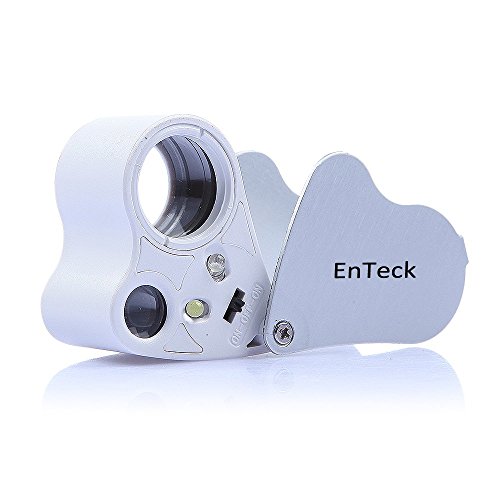
EnTeck 30X 60X Dual Lens LED Illuminated Jewelry Magnifier, Pocket Microscope Magnifying Jewelers Eye Loupe Glasses
PROFESSIONAL WIDELY USED POCKET MAGNIFYING GLASSES: The jeweler's eye loupe is perfect for industrial purpose, circuit board and…
As an affiliate, we earn on qualifying purchases.
As an affiliate, we earn on qualifying purchases.
Conclusion
Catching corrosion early might seem minor, but it’s like spotting a tiny crack in a dam before it bursts. Ignoring those small signs can lead to catastrophic damage, leaving you with costly repairs and lost memories. By paying close attention now, you preserve what matters most—your treasures, your home, your peace of mind. Don’t wait until it’s too late; a small warning today can save everything tomorrow. Stay vigilant, and protect what you love.

Ultrasonic Thickness Gauge Industrial-882 – Metal Thickness Tester for Steel, Pipes and Industrial Materials, 0.039–8.858 in (1–225 mm) Range, Color LCD, Auto Calibration, Handheld Thickness Tester
ULTRASONIC THICKNESS GAUGE – INDUSTRIAL-882 FOR MATERIAL INSPECTION – Industrial-882 ultrasonic thickness gauge is designed for measuring the…
As an affiliate, we earn on qualifying purchases.
As an affiliate, we earn on qualifying purchases.

CorrosionX Heavy Duty Anti Rust Spray, Dripless Self-Healing Corrosion Inhibitor with Waterproof Barrier for Marine, Agricultural & Industrial Equipment in Harsh, Saltwater Environments, 12oz Aerosol
RELENTLESS RUST PROTECTION FOR ANY WEATHER: This self-healing barrier clings and protects metal through rain, seawater, and pressure…
As an affiliate, we earn on qualifying purchases.
As an affiliate, we earn on qualifying purchases.