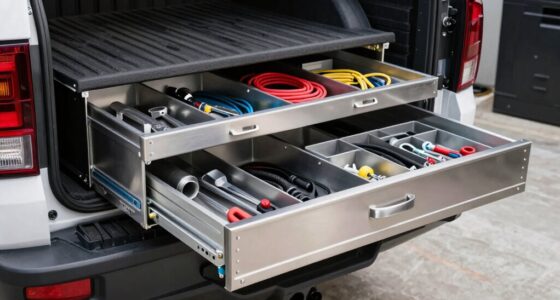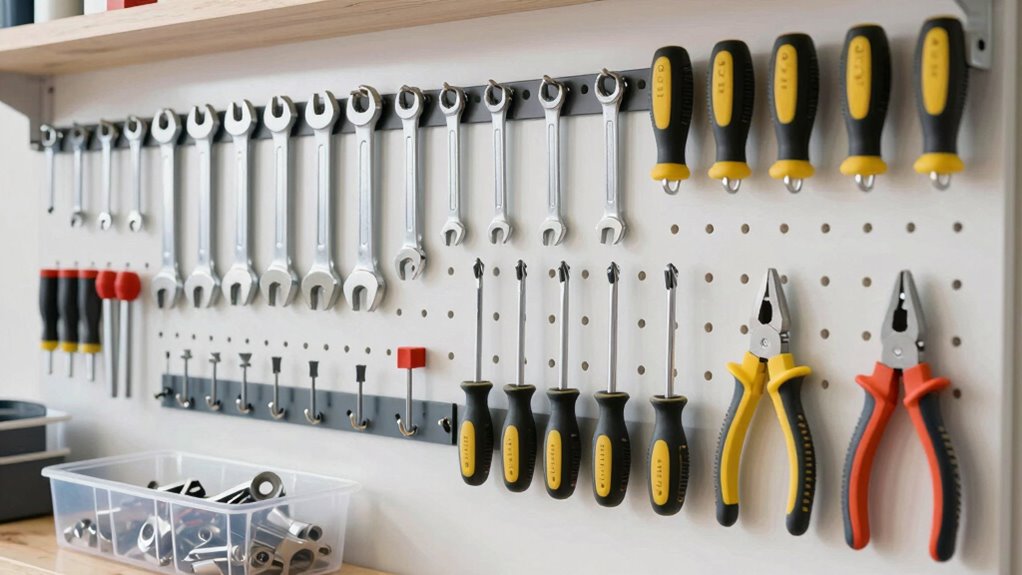

To prevent tool loss in busy work environments, implement a tracking system using barcode scanning, RFID tags, or check-in/check-out logs. Train your team on proper handling, logging, and the importance of responsibility. Maintain tools regularly and keep accurate records to catch issues early. Promote a culture of accountability, emphasizing that tools are shared resources, not personal property. Continuing to explore effective strategies will help you safeguard your tools more effectively.

Get garage and car supplies delivered free — and shop member deals
- Fast, free delivery on millions of items
- Access to Prime Big Deal Days deals on October 6–7
- Prime Video, Amazon Music and more included
Key Takeaways
- Implement a tool tracking system using barcode scanning or RFID to monitor tool locations and usage.
- Provide regular employee training on proper handling, logging, and accountability procedures.
- Maintain tools properly through scheduled calibration, maintenance, and accurate inventory records.
- Foster a culture of responsibility by emphasizing shared resource management and accountability among staff.
- Conduct routine audits and inspections to detect discrepancies early and prevent tool loss.
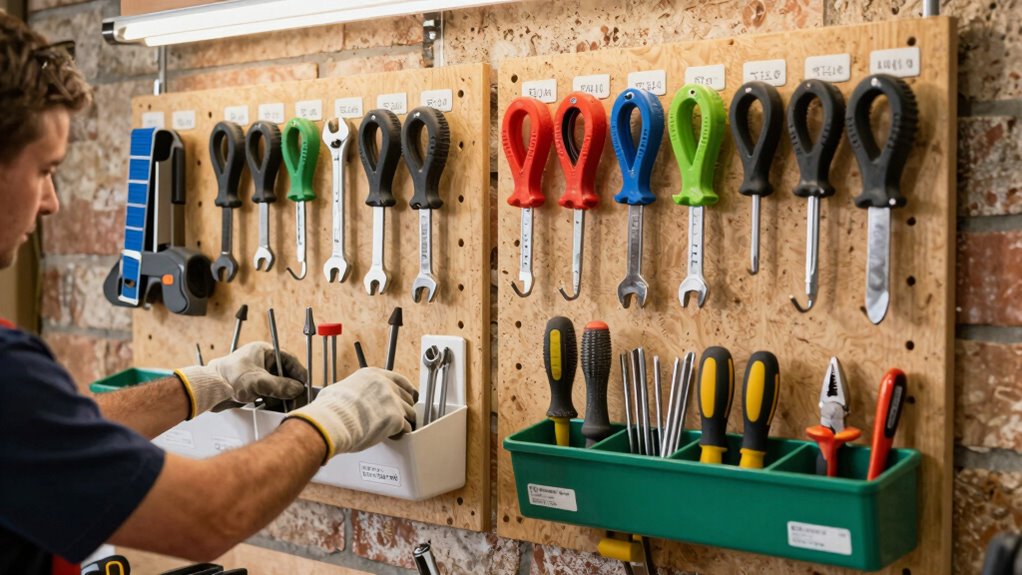
Losing tools on the job site can halt progress and inflate costs, but you can prevent this by implementing simple yet effective strategies. One of the most critical approaches is establishing a solid tool tracking system. Instead of relying on memory or loose management, utilize tools like barcode scanning, RFID tags, or even dedicated check-in/check-out logs. These methods help you monitor where every tool is, who last used it, and when it’s due back. Consistent tool tracking minimizes the chances of tools going missing and makes it easier to identify theft or misplaced items quickly. When everyone knows that tools are being actively tracked, they tend to be more responsible with their use and return, reducing loss over time.
Implementing a tool tracking system keeps tools accountable and reduces loss on the job site.
However, even the best tracking system won’t be effective if your team isn’t properly trained. Employee training plays a crucial role in preventing tool loss. When workers understand the importance of tool accountability and how to use tracking systems efficiently, they become more conscientious. Conduct regular training sessions that emphasize proper handling, storage, and documentation of tools. Show employees how to log tools in the system and explain the consequences of neglect or theft. Reinforcing these practices creates a culture of responsibility, making everyone aware that tools are a shared resource, not just personal property. Well-trained employees are less likely to leave tools lying around or forget to log their usage, which reduces the chances of loss. Additionally, implementing a comprehensive management approach can further enhance accountability and reduce the risk of tool loss. Incorporating proper calibration and regular maintenance of tools also ensures they function correctly and are less likely to be misplaced or damaged. Maintaining accurate inventory records helps quickly identify discrepancies and prevent unintentional loss. Developing a proactive maintenance schedule can also help catch issues before tools become unusable or misplaced, supporting long-term accountability. Recognizing the importance of tool accountability and fostering a proactive environment helps sustain these practices long-term.
As an affiliate, we earn on qualifying purchases.
Frequently Asked Questions
What Are the Most Common Tools Lost in Busy Workplaces?
The most common tools you might lose in busy workplaces include hand tools like screwdrivers, pliers, and wrenches, along with power tools and small equipment. To prevent this, keep a detailed tool inventory and implement loss prevention measures like designated storage spots and check-in/check-out systems. Regularly tracking tools helps you quickly identify missing items, reducing downtime and maintaining efficiency in hectic environments.
How Can Technology Improve Tool Tracking Accuracy?
Technology can considerably boost your tool tracking accuracy by leveraging digital inventory systems and RFID tracking. These tools help you keep an eye on your equipment in real time, so you’re not flying blind. RFID tags, like a beacon in a storm, pinpoint each tool’s location instantly, reducing loss and misplacement. Implementing these technologies turns a chaotic environment into a well-oiled machine, saving you time and money.
What Training Methods Reduce Tool Misplacement?
You should conduct regular inventory audits to identify misplaced tools and understand usage patterns, helping staff stay aware of tool locations. Additionally, implementing thorough staff training on proper tool handling and storage practices reduces misplacement. Reinforce these practices through hands-on demonstrations and refresher courses, ensuring everyone knows the importance of accurate tracking. This proactive approach minimizes tool loss and keeps your workspace organized and efficient.
How Does Employee Accountability Impact Tool Loss?
Employee accountability plays a fundamental role in reducing tool loss. When you clearly define employee responsibility and implement accountability measures, it encourages staff to be more diligent with tools. You’ll notice fewer misplacements and thefts because workers understand they’re responsible for their tools. By fostering a culture where accountability is valued, you minimize loss, enhance efficiency, and promote ownership, ultimately creating a safer, more organized work environment.
Are There Industry-Specific Tool Loss Prevention Strategies?
You might think one-size-fits-all strategies work, but industry-specific, customized strategies are your best bet. Ironically, what works in construction may flop in manufacturing. By tailoring your approach—like color-coding tools for healthcare or using RFID tags in automotive—you can drastically reduce loss. Recognizing your industry’s unique needs helps you implement the most effective prevention tactics, saving time, money, and frustration down the line.
barcode scanning tool inventory system
As an affiliate, we earn on qualifying purchases.
As an affiliate, we earn on qualifying purchases.
Conclusion
So, next time you’re rushing through a busy day, remember that the biggest threat to your tools isn’t theft or chaos—it’s complacency. Ironically, the very habits meant to save time can cause you to lose tools permanently. Stay vigilant, stay organized, and treat your tools like trusted partners. After all, in a fast-paced environment, a small oversight can turn into a costly lesson—one you’d rather not learn the hard way.
As an affiliate, we earn on qualifying purchases.
tool accountability training kit
As an affiliate, we earn on qualifying purchases.
As an affiliate, we earn on qualifying purchases.
Halloween Picks
halloween
As an affiliate, we earn on qualifying purchases.