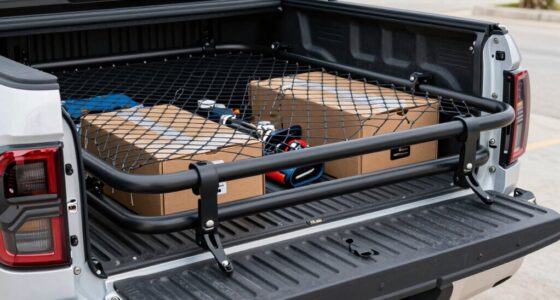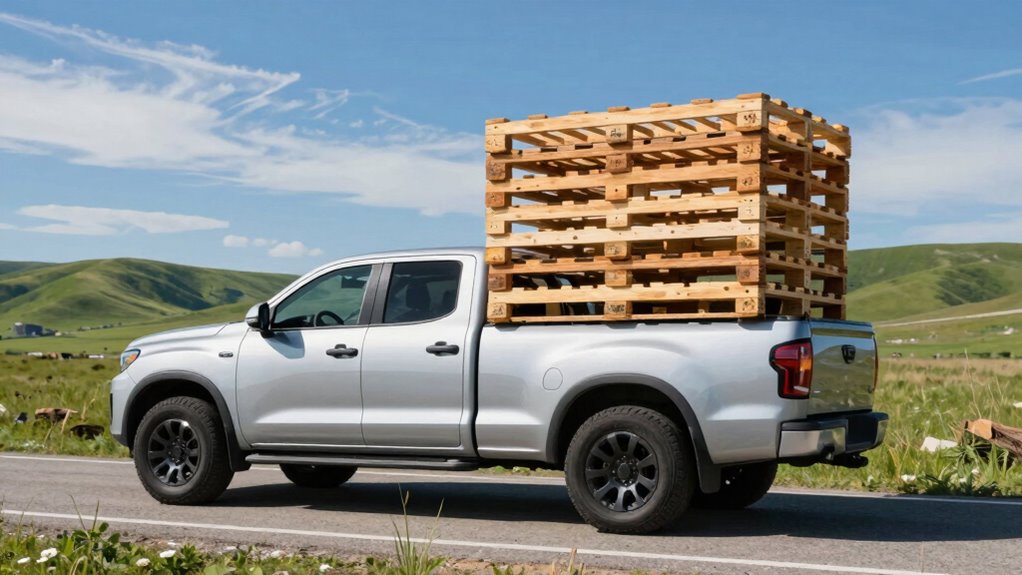
Choosing a larger truck bed can boost your cargo capacity but will also increase your truck’s size and weight, leading to higher aerodynamic drag and fuel consumption. Heavier beds require more engine power, which means you’ll use more fuel, especially when fully loaded. Smaller or streamlined beds improve aerodynamics and save fuel, but might limit cargo. To discover how to find the right balance for your needs, keep exploring the details ahead.

Get business pricing on garage and car supplies
- Business-only prices and quantity discounts
- Tax-exempt purchasing
- Multiple users, one account, clear invoices
Key Takeaways
- Larger truck beds increase overall vehicle size, leading to higher aerodynamic drag and reduced fuel efficiency.
- Heavier beds add weight, requiring more engine power and increasing fuel consumption.
- Bigger beds often mean increased vehicle weight, which can diminish miles per gallon, especially when fully loaded.
- Smaller or streamlined beds improve aerodynamics and reduce weight, enhancing fuel economy.
- Balancing bed size with cargo needs helps optimize fuel efficiency without sacrificing functionality.
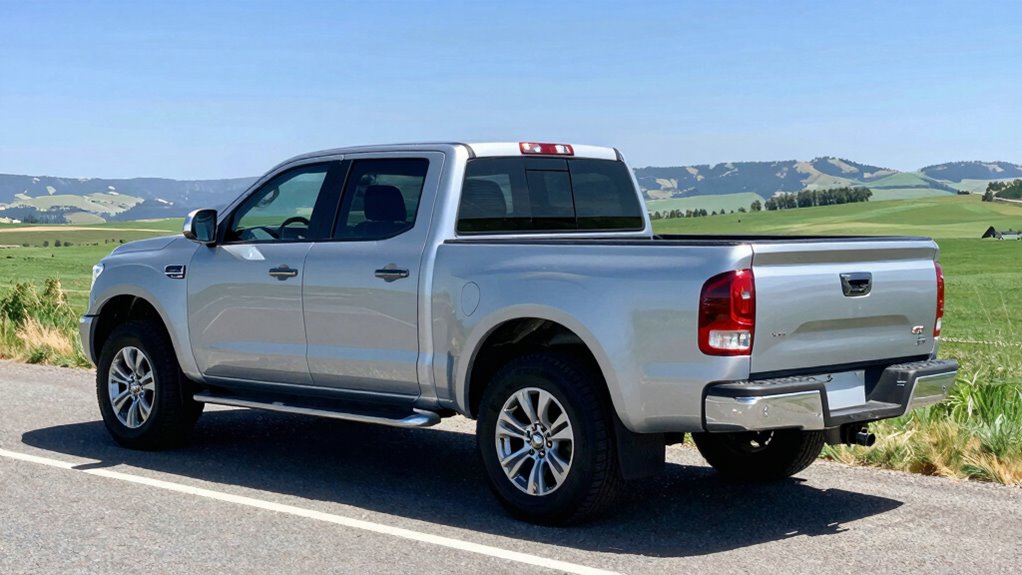
Ever wondered how your truck bed size impacts fuel economy? The size of your truck bed isn’t just a matter of aesthetics or cargo capacity; it can also influence how efficiently your vehicle consumes fuel. Larger beds typically mean a bigger overall vehicle profile, which can increase aerodynamic drag and weight, both of which play roles in fuel consumption. When your truck has a longer or wider bed, it tends to be heavier, requiring more power from the engine to move, especially when fully loaded. This added weight can lead to higher fuel usage, particularly on highway drives where aerodynamic factors are more prominent. Conversely, a smaller bed might reduce weight and drag, helping you save fuel during everyday driving. Additionally, the material and construction of the bed can influence the overall weight and aerodynamics, further impacting fuel economy. Understanding vehicle aerodynamics can give you deeper insights into how different truck configurations affect fuel efficiency.
Aesthetic customization also ties into how you choose your truck bed size. Many owners select a bed size that aligns with their visual preferences, aiming for a look that complements their truck’s overall design. Larger beds often give a more rugged and commanding presence, which might appeal to those wanting a powerful aesthetic. However, this visual appeal comes with trade-offs. A bigger bed can make your truck appear bulkier, possibly affecting maneuverability and fuel efficiency. If you prioritize a sleek, streamlined look, opting for a smaller or more compact bed might enhance both the appearance and the vehicle’s fuel economy. Considering vehicle dimensions can help you better understand how size impacts overall performance.
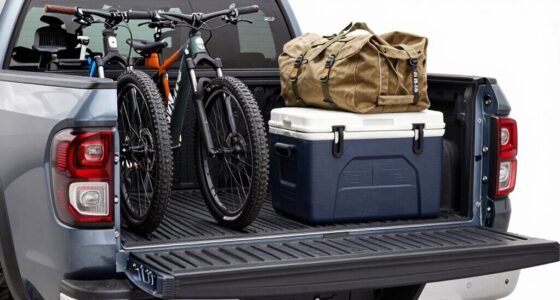
Cargo capacity is another critical factor impacted by bed size. A larger bed allows you to carry more or larger items in a single trip, which can reduce the number of runs needed and save you time and fuel in the long run. But keep in mind, the more weight you add to your truck, the harder your engine works to move it. Overloading a bigger bed can dramatically decrease fuel efficiency, especially if you frequently haul heavy loads. On the other hand, a smaller bed limits cargo capacity but makes the truck lighter and more aerodynamic, which can be beneficial if you mostly use your vehicle for daily commutes or light hauling. Knowing the truck bed size options available can help you make an informed decision aligned with your specific needs and efficiency goals.
Ultimately, your choice of truck bed size should balance your aesthetic preferences, cargo needs, and fuel economy goals. If you frequently haul large loads or need maximum cargo capacity, a bigger bed might make sense despite the fuel trade-offs. But if you want a more fuel-efficient vehicle with a sleek look and moderate cargo needs, a smaller or mid-sized bed could be the better option. Understanding how bed size influences both function and efficiency helps you make a smarter, more satisfying decision for your driving lifestyle.
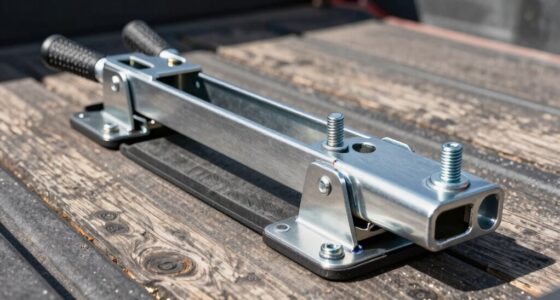
truck bed extender for fuel efficiency
As an affiliate, we earn on qualifying purchases.
As an affiliate, we earn on qualifying purchases.
Frequently Asked Questions
How Does Truck Bed Material Impact Fuel Efficiency?
Your truck bed material impacts fuel efficiency by influencing its weight and aerodynamic shape. Lighter materials like aluminum reduce cargo weight, helping you save fuel. Additionally, a smooth, aerodynamic bed surface minimizes air resistance, improving efficiency during drives. When choosing your truck bed material, consider how weight and shape affect your mileage—lighter, aerodynamic options can give you better fuel economy and overall performance on the road.
Do Truck Bed Accessories Affect Fuel Economy?
Like a sail catching the wind, truck bed accessories can influence your fuel economy. Adding items like racks or covers may increase drag, lowering efficiency. However, aerodynamic modifications and weight reduction strategies can help mitigate this impact. By choosing lightweight accessories and streamlining your truck’s profile, you can maintain better fuel economy while enjoying the benefits of your added features. Always consider these factors before customizing your truck bed.
Is a Longer Truck Bed More Aerodynamic?
A longer truck bed isn’t more aerodynamic; it actually increases aerodynamic drag, which can reduce fuel efficiency. The added length affects truck weight distribution, making it less balanced and potentially harder to control at higher speeds. This increased drag and uneven weight distribution cause your engine to work harder, consuming more fuel. So, if you’re aiming for better fuel economy, consider a shorter bed that offers less air resistance and improved weight balance.
How Does Truck Bed Height Influence Fuel Consumption?
Think of your truck like a sailboat; a higher truck bed acts like a larger sail catching more wind. Increasing bed height boosts cargo volume but also adds aerodynamic drag, making your engine work harder. This extra effort decreases fuel efficiency. If you often carry large items, a taller bed’s practical, but be aware it can raise fuel costs due to increased resistance.
Do Different Truck Brands Have Varying Fuel Efficiencies With Similar Bed Sizes?
Yes, different truck brands show varying fuel efficiencies even with similar bed sizes. In a brand comparison, some brands prioritize aerodynamics and lightweight materials, improving fuel economy despite bed size variance. Others might have less efficient engines or heavier frames, reducing efficiency. Your choice impacts fuel consumption more than bed size alone. So, compare brands carefully, considering how design and engineering influence fuel savings alongside bed size.
As an affiliate, we earn on qualifying purchases.
Conclusion
Choosing the right truck bed size isn’t just about storage; it’s about maximizing fuel efficiency too. Smaller beds generally mean lighter weight, helping you save fuel on those long drives. So, aren’t you better off selecting a size that balances your hauling needs with your wallet? Remember, the right truck bed can make a significant difference in how far your fuel dollars go. Why settle for more than you need when less might actually get you further?
As an affiliate, we earn on qualifying purchases.
As an affiliate, we earn on qualifying purchases.
Halloween Picks
halloween
As an affiliate, we earn on qualifying purchases.