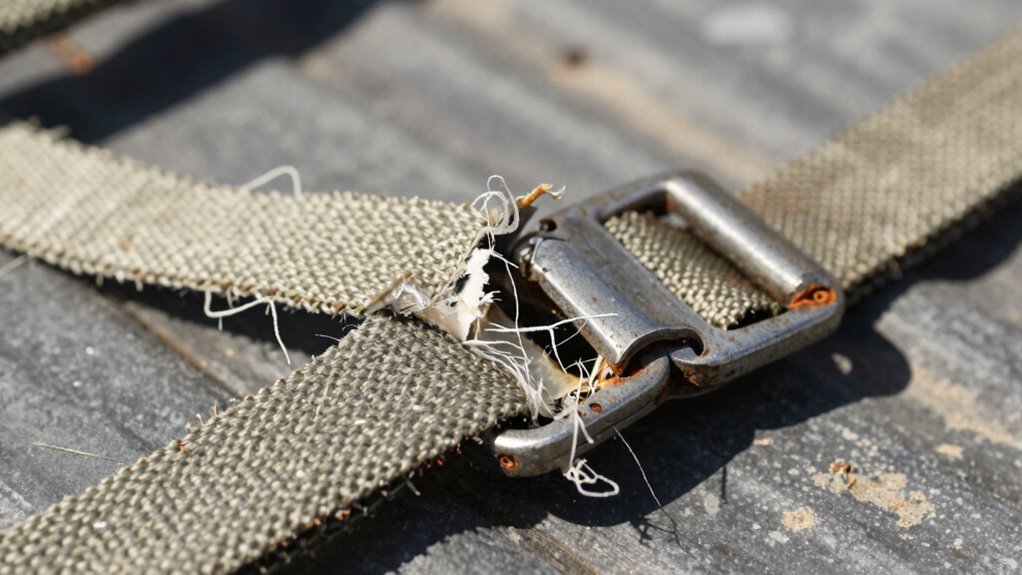

Improper tie-downs may seem secure at first but often fail under stress because they’re not designed for heavy loads or sudden movements. weak straps, thin ropes, or overstretched material can stretch, fray, or snap under pressure. Poor tensioning or weak anchoring points cause shifts, increasing the risk of accidents. Environmental factors like sun, rain, or rust further weaken equipment over time. To keep your cargo safe, understanding these failure causes is key—continue to learn more.

Get business pricing on garage and car supplies
- Business-only prices and quantity discounts
- Tax-exempt purchasing
- Multiple users, one account, clear invoices
Key Takeaways
- Improper tie-downs may appear stable initially but can stretch, fray, or snap under stress, leading to failure.
- Using incorrect or weak tie-down materials cannot withstand heavy loads or dynamic forces during transit.
- Insufficient or excessive tension causes cargo movement or strap damage, compromising overall security.
- Weak or compromised anchoring points reduce the effectiveness of tie-downs under stress.
- Environmental factors like UV exposure and moisture degrade materials, increasing the risk of failure over time.
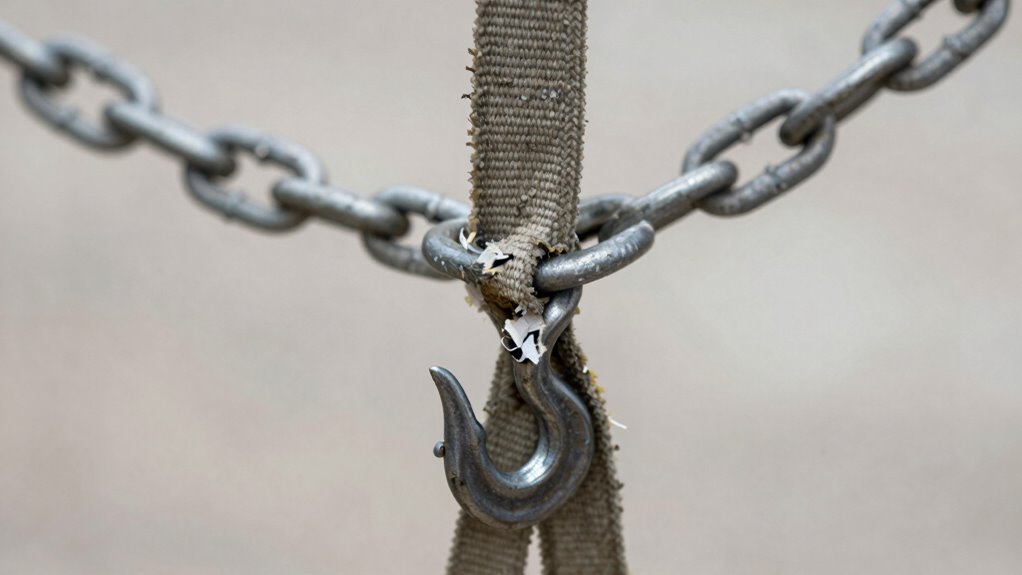
When you secure loads with improper tie-downs, they may seem stable at first, but under stress, they often fail catastrophically. This failure isn’t just about the load shifting; it’s a serious threat to cargo security and the durability of your equipment. When tie-downs aren’t suited for the weight or type of cargo, they can stretch, fray, or snap under pressure. This compromises the overall safety of your transport and can lead to costly damage or accidents.
One common mistake is using the wrong type of tie-downs for specific cargo. For example, using thin ropes or weak straps on heavy or bulky loads might seem sufficient initially, but these materials can quickly deteriorate when subjected to tension or movement. Over time, repeated stress weakens their integrity, reducing equipment durability. As a result, your gear becomes vulnerable to wear and tear, increasing the risk of sudden failure during transit.
Using the wrong tie-downs for heavy loads increases risk of failure and damages, compromising safety and equipment durability.
Additionally, improper tensioning plays a key role. If you tighten your tie-downs too little, your cargo can shift, creating instability. Conversely, overtightening can damage both the load and the straps, causing premature wear. Straps that are too loose fail to prevent movement, while overly tight ones might break or deform, diminishing equipment durability. Both scenarios jeopardize cargo security, especially during sudden stops or sharp turns.
Another factor is poor anchoring points. If your tie-downs are attached to weak or unstable anchors, they won’t withstand the forces generated during transportation. Even high-quality straps can fail if the anchoring points are compromised. This puts your cargo at risk and accelerates equipment wear since the tension isn’t evenly distributed. Properly rated anchor points are essential to maintain the integrity of the entire securing system. Using appropriate anchoring hardware is crucial for ensuring safety and durability.
Environmental conditions further exacerbate the problem. Exposure to sun, rain, or extreme temperatures can degrade the materials of your tie-downs over time. UV rays weaken synthetic straps, and moisture can cause rust on metal hooks and anchors. These factors reduce equipment durability and increase the likelihood of failure when loads are stressed. Regular inspection and maintenance are critical to ensure your tie-downs remain reliable under varying conditions. Recognizing the effects of environmental exposure on equipment longevity can help you take proactive measures. Moreover, understanding how material degradation influences equipment lifespan underscores the importance of choosing weather-resistant tie-downs and protective accessories.
heavy-duty ratchet tie-down straps
As an affiliate, we earn on qualifying purchases.
As an affiliate, we earn on qualifying purchases.
Frequently Asked Questions
How Can I Identify if My Tie-Downs Are Inadequate?
You can identify if your tie-downs are inadequate by inspecting their equipment calibration and load distribution. If the tie-downs show signs of wear, fraying, or damage, they may not be properly calibrated for the load. Additionally, uneven load distribution can indicate inadequacy, risking failure under stress. Always guarantee your tie-downs meet weight requirements, are correctly calibrated, and evenly distribute the load to prevent accidents.
What Are the Common Signs of Tie-Down Failure During Transit?
During transit, you’ll notice signs like load shifting or movement, which indicate your tie-downs might be failing. Check if the load is leaning or if the anchor points show signs of stress or damage. If your cargo appears unstable or has shifted from its original position, it’s a clear sign that your tie-downs aren’t holding properly. Regularly inspecting these signs helps prevent accidents and keeps your load secure.
Do Weather Conditions Affect the Integrity of Tie-Downs?
Weather impact can substantially weaken tie-downs, especially when exposed to environmental degradation over time. Rain, snow, and humidity cause rust and corrosion, reducing the strength of metal components. UV rays from sunlight break down synthetic straps, making them brittle and more prone to failure. Extreme temperatures also affect material flexibility. To guarantee secure transportation, regularly inspect tie-downs for weather-related damage and replace any compromised components.
How Often Should Tie-Downs Be Inspected or Replaced?
Think of tie-downs as the sturdy roots of a tree; they need regular inspection to stay strong. You should check your equipment durability and storage best practices every few months or after any stressful weather event. Replace any worn or frayed straps immediately to prevent failure. Consistent inspections guarantee your tie-downs remain reliable, preventing mishaps and keeping your cargo secure, just like healthy roots keep a tree standing tall.
Are There Specific Materials Better for High-Stress Tie-Downs?
For high-stress tie-downs, you should choose materials with superior durability and load capacity. Steel and synthetic fibers like polyester or nylon are ideal because they withstand tension and environmental factors better than cheaper options. Steel offers exceptional strength, while high-quality synthetic fibers are lightweight yet durable. Always opt for materials specifically rated for heavy loads, and regularly inspect them to confirm they maintain their integrity under stress.
cargo securing straps with high weight capacity
As an affiliate, we earn on qualifying purchases.
As an affiliate, we earn on qualifying purchases.
Conclusion
If you don’t use proper tie-downs, you’re risking everything on the road. When stress hits—like sudden stops or sharp turns—improper tie-downs often fail, causing cargo to shift or fall. Did you know that nearly 80% of load securement failures are due to incorrect tie-downs? That’s a huge risk that could lead to accidents or costly damages. Always double-check your tie-downs; your safety and your cargo depend on it.
UV resistant tie-downs for trucks
As an affiliate, we earn on qualifying purchases.
As an affiliate, we earn on qualifying purchases.
metal anchor points for cargo straps
As an affiliate, we earn on qualifying purchases.
As an affiliate, we earn on qualifying purchases.
Halloween Picks
halloween
As an affiliate, we earn on qualifying purchases.