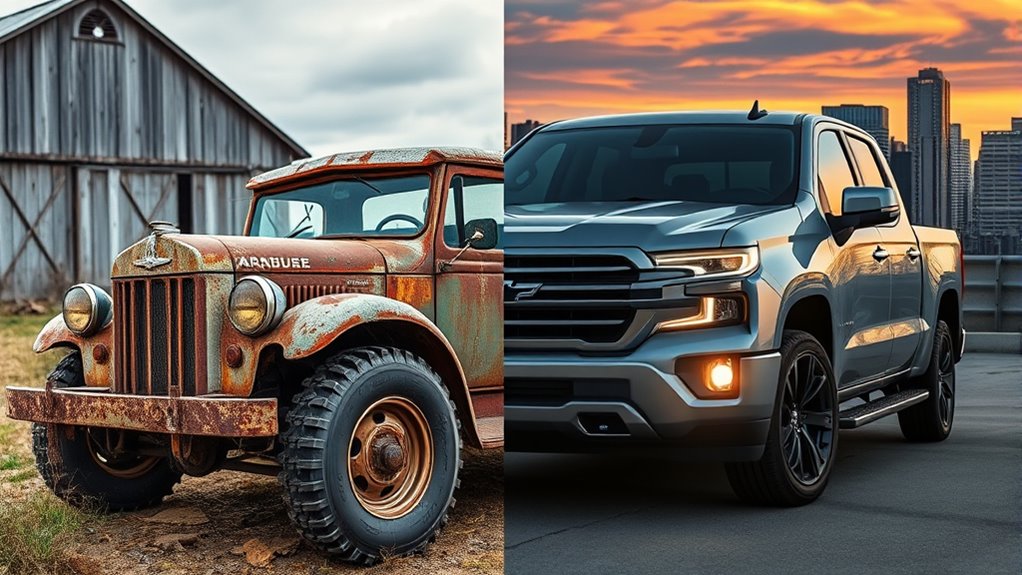

Pickup trucks have evolved from simple farm tools into versatile vehicles that now define daily life. Originally used for hauling goods and farm work, they’ve gained advanced features, better comfort, and stylish designs. Modern pickups include powerful engines, safety tech, and even electric options. They serve urban, suburban, and work needs alike. If you’re curious about how these rugged vehicles transformed over the decades, there’s much more to explore below.
Key Takeaways
- Pickup trucks originated as rugged farm tools and basic transportation, evolving into purpose-built vehicles for durability and cargo capacity.
- Post-WWII innovations, like four-wheel drive and stylish designs, increased appeal and versatility for everyday use.
- Advances in technology, engines, and comfort features transformed pickups into practical, safe, and fuel-efficient daily drivers.
- Market diversification introduced compact and midsize models, making pickups suitable for urban environments and lighter duty.
- Modern pickups incorporate luxury, safety, and eco-friendly features, solidifying their role as versatile vehicles for work and leisure.
Origins and Early Developments of Pickup Trucks

Pickup trucks have their roots in the early 20th century, when farmers and tradesmen needed practical vehicles to transport goods. Back then, people often retrofit cargo boxes onto stripped-down cars like the Ford Model T to carry tools and supplies. In 1925, Ford introduced the Model T Runabout with a Pickup Body, which was the first popular factory-built pickup with a steel bed, adjustable tailgate, and reinforced suspension. Dodge followed in the 1920s with the Merchant Express, built on a dedicated truck frame, signaling a shift toward purpose-built vehicles. Early pickups were utilitarian, featuring simple cabs focused on durability and cargo capacity over comfort or style. These vehicles laid the foundation for the diverse and sophisticated pickups we see today, with advancements in projector technology playing a role in modern vehicle entertainment systems. Additionally, the evolution of vehicle design has contributed to improved aerodynamics and safety features over the years. Furthermore, innovations in materials and manufacturing have helped enhance durability and weight reduction in truck construction.
Post-War Innovations and Growing Market Diversity
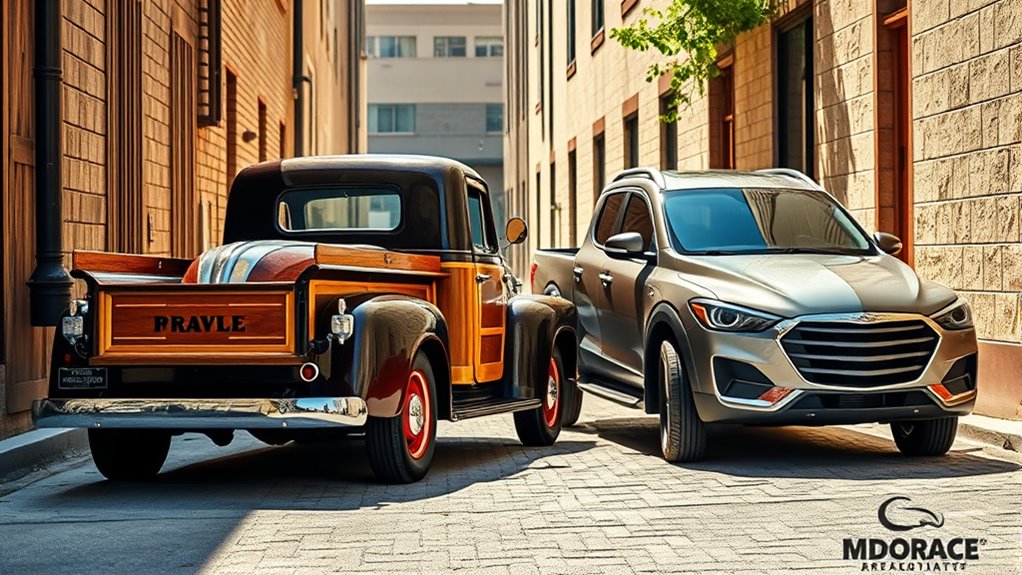
After World War II, innovations driven by military technology began shaping the evolution of pickup trucks, transforming them from basic work vehicles into more versatile and comfortable machines. Four-wheel drive, first popularized by military vehicles like the Dodge Power Wagon, became available to civilians, boosting off-road capability. During the 1950s, trucks adopted stylish design elements like tail fins and improved engines, making them more appealing to consumers. Major manufacturers, including Ford, Chevrolet, and Dodge, competed fiercely, offering multiple engine options, cab configurations, and trim levels. This period also saw the rise of performance-oriented models and the introduction of extended and crew cab designs, increasing passenger comfort and versatility. These innovations expanded pickup trucks’ appeal, blending utility with style to meet diverse consumer needs. Additionally, the integration of energy-efficient technologies set the stage for future advancements in sustainable vehicle design, emphasizing the importance of environmentally friendly features in modern trucks. Moreover, advancements in safety features contributed to making pickups safer for everyday use and family transportation. The continuous development of vehicle ergonomics improved driver comfort and operational ease, reflecting a broader focus on user-centered design and predictive validity in safety systems.
Technological Progress and Powertrain Advancements

Technological progress has profoundly transformed pickup trucks, especially in their powertrain systems, making them more powerful, efficient, and reliable. You now benefit from innovations like:
Technological advances have revolutionized pickup trucks, enhancing power, efficiency, and reliability.
- The introduction of diesel engines, such as the 1989 Dodge Ram’s Cummins turbodiesel, boosting torque and fuel economy.
- The widespread adoption of automatic transmissions, power steering, and independent suspensions, improving handling and comfort.
- The integration of electronic fuel injection and overdrive transmissions, maximizing efficiency and payload capacity.
- Design enhancements, like dual rear wheels on the 1973 Chevy C-Series, enabling heavier hauling and towing.
- Proper piercing care and hygiene are essential to maintain the health and appearance of the body jewelry used in modifications.
- Advanced powertrain technologies, including hybrid systems and turbocharging, continue to enhance performance and fuel savings. Additionally, the development of auditory processing technologies has improved the integration of sound systems and driver awareness features. These innovations have also contributed to the evolution of vehicle safety features, ensuring better protection for drivers and passengers under various conditions.
Expanding Styles and Configurations for Versatility

You’ll notice that pickup trucks now come in a variety of styles and configurations to suit different needs. Extended and crew cab models offer more passenger space without sacrificing cargo capacity, making them versatile for work and family use. Additionally, compact, midsize, and heavy-duty versions expand options for those seeking efficiency, power, or specialized industrial capabilities. Proper ventilation is also essential to ensure comfort and safety during extended use of these diverse truck models. Recognizing these vehicle design advancements helps consumers make informed choices aligned with their lifestyles and preferences, especially as upfitting options continue to evolve to meet specific functional requirements. These innovations reflect ongoing technology integrations that improve overall vehicle performance and adaptability, such as modular truck bed systems that enhance customization possibilities.
Extended and Crew Cabs
The development of extended and crew cab designs has considerably expanded the versatility of pickup trucks, allowing you to serve both work and family needs without sacrificing cargo capacity. These cab styles offer more passenger space and comfort, making pickups suitable for daily driving and long trips. Here’s how they enhance functionality:
- Increased seating capacity — accommodating up to five or six passengers comfortably.
- Separate rear doors — providing easy access to rear seats.
- Enhanced safety features — including airbags and reinforced structures for passenger protection.
- Flexible interior options — such as fold-flat seats and storage compartments for gear and personal items.
These configurations blend utility and comfort, transforming pickups into adaptable vehicles for various lifestyles.
Compact and Midsize Models
As consumer preferences evolved in the 1980s, automakers introduced compact and midsize pickup models to broaden their market appeal. These smaller trucks offered better fuel efficiency, easier handling, and a lower price point, attracting urban drivers and those seeking versatile work vehicles. They provided options for daily commuting, weekend adventures, and light-duty hauling without sacrificing cargo space or reliability. Manufacturers expanded configurations, including extended cabs and various bed lengths, to suit different needs. These models also featured more refined interiors and modern amenities, making them attractive for both work and family use. By offering a market diversification of size, capability, and comfort, compact and midsize pickups became an essential part of the pickup truck evolution, appealing to a wider range of consumers. Additionally, digital revolutions introduced new marketing and sales channels, further boosting their popularity. Incorporating advanced manufacturing techniques helped improve quality and reduce costs, making these trucks more accessible to a broader audience. The development of fuel-efficient engines also played a significant role in increasing their appeal among environmentally conscious buyers, aligning with the broader trend of industry innovation in vehicle design and production.
Specialized Heavy-Duty Versions
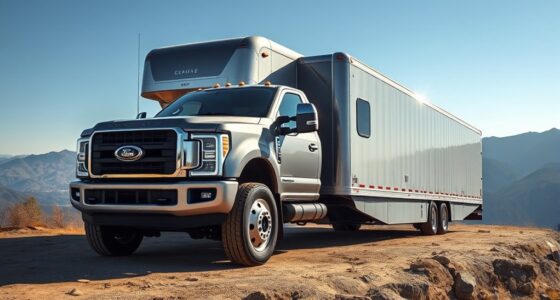
Heavy-duty pickup trucks have evolved beyond basic workhorses to become highly specialized vehicles designed for demanding industrial, commercial, and recreational tasks. You now have options tailored to specific needs, including:
- Extended and Crew Cab Configurations: More passenger space for crews or families without sacrificing cargo capacity.
- Heavy-Duty Frame and Suspension: Designed for high payloads and towing capacities, supporting commercial use.
- Longer and Reinforced Beds: For transporting oversized or bulky materials securely.
- High-Performance Powertrains: Diesel engines and turbocharged options deliver maximum torque and durability.
These versions are built to handle rigorous workloads while offering advanced safety, comfort, and technology features, making them versatile tools for work or recreation.
Cultural Significance and Economic Impact

Pickup trucks have become more than just practical work vehicles; they symbolize American values of durability, independence, and ruggedness. They shape cultural identity, representing hard work and resilience. Economically, pickups are key drivers for the U.S. automotive industry, supporting millions of jobs. Their popularity fuels local economies through sales, maintenance, and aftermarket modifications. The table below highlights their role:
| Aspect | Impact | Example |
|---|---|---|
| Cultural Significance | Embody rugged American ideals | Rural communities, ads |
| Economic Contribution | Boost industry, create jobs | Manufacturing, sales |
| Lifestyle Role | From workhorse to leisure vehicle | Family trips, hobbies |
You see, pickups are woven into American life, shaping both culture and economy. KTM electric dirt bikes are an example of how innovation is transforming the landscape of personal transportation, blending traditional ruggedness with modern technology.
The Rise of Luxury and Safety Features
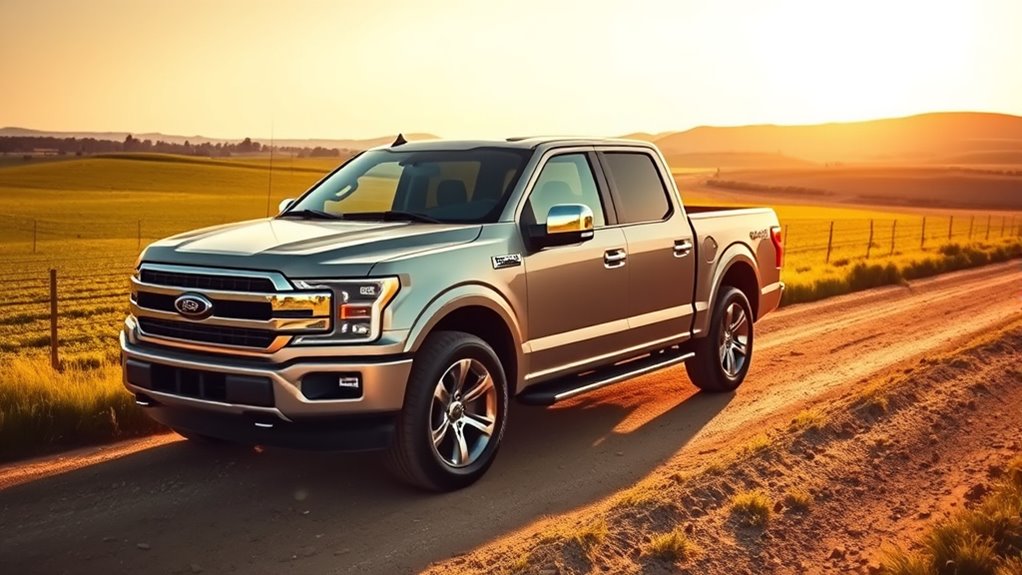
You’ll notice that modern pickups now come equipped with advanced driver assistance systems like adaptive cruise control and lane-keeping assist, making driving safer and more convenient. Inside, premium interior comforts such as heated seats, high-quality materials, and advanced infotainment keep you connected and comfortable on any trip. These enhanced safety technologies and luxury features have transformed pickups from workhorses into versatile, high-tech vehicles suited for everyday life.
Advanced Driver Assistance Systems
Have you noticed how modern pickups now come equipped with advanced driver assistance systems that enhance safety and convenience? These features make driving easier and reduce accidents. Here’s what they typically include:
- Adaptive Cruise Control: Maintains a set speed while adjusting for traffic, keeping safe distances.
- Blind Spot Monitoring: Alerts you when vehicles are in your blind spots to prevent collisions.
- Automatic Emergency Braking: Detects obstacles and applies brakes automatically to avoid crashes.
- Lane Keep Assist: Keeps your truck centered in its lane, reducing driver fatigue and errors.
These systems integrate sensors and cameras, providing real-time data to keep you safer on the road. They reflect the shift toward smarter, more secure pickup trucks for everyday driving.
Premium Interior Comforts
As the demand for versatility grew, manufacturers began integrating luxury and safety features into pickup trucks, transforming them from utilitarian workhorses into comfortable, high-tech daily drivers. You now enjoy leather seats, advanced climate control, and premium sound systems that rival luxury cars. Safety features like adaptive cruise control, parking assist, and collision mitigation are standard, enhancing protection and confidence. These upgrades reflect a shift toward comfort and convenience, making pickups suitable for daily commuting and family outings. The table below highlights key interior enhancements:
| Feature | Benefit | Example Models |
|---|---|---|
| Leather Upholstery | Comfort and luxury | Ram Limited, F-150 Platinum |
| Infotainment Systems | Connectivity and entertainment | Chevrolet Silverado, Toyota Tundra |
| Climate Control | All-weather comfort | Ford Super Duty, GMC Sierra |
Enhanced Safety Technologies
The integration of advanced safety technologies has transformed pickup trucks into more secure and confident vehicles on the road. You now benefit from features that prevent accidents and protect occupants. Here are some key innovations:
- Adaptive Cruise Control: Maintains a safe distance by adjusting speed automatically.
- Blind Spot Monitoring: Alerts you to vehicles in your blind spots, reducing lane-change risks.
- Automatic Emergency Braking: Detects obstacles and applies brakes to prevent collisions.
- Lane Departure Warning: Alerts you if you unintentionally drift out of your lane.
These safety techs provide peace of mind, making your truck not just powerful but also smarter and safer. As technology advances, pickups continue to prioritize your safety without sacrificing utility or performance.
Modern Capabilities and Technological Integration
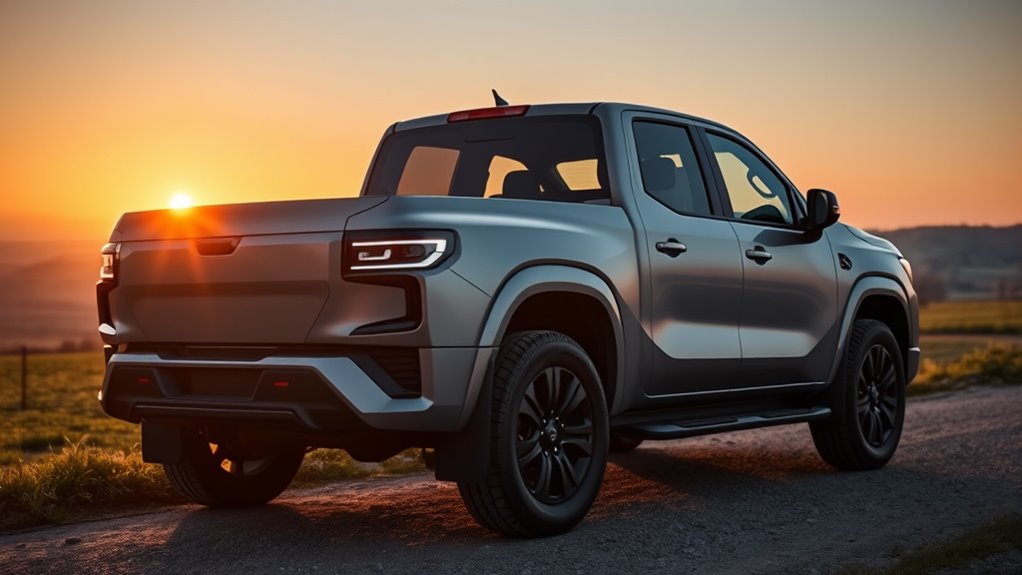
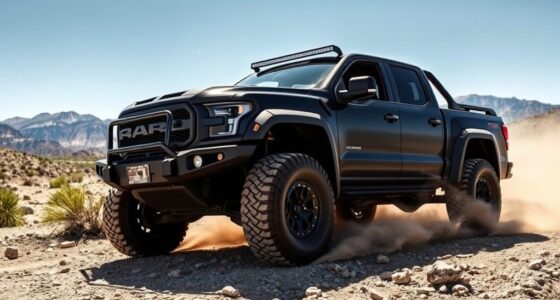
Modern pickup trucks seamlessly integrate advanced driver-assistance systems, safety features, and luxury amenities to meet the demands of both work and leisure. You benefit from technologies like adaptive cruise control, lane departure warnings, and blind-spot monitoring that enhance safety and reduce fatigue. Inside, you’ll find premium options like touchscreen infotainment, premium audio, and climate control for a comfortable ride. Connectivity features enable seamless integration with smartphones, wayfinding, and even remote vehicle management. Powertrains now include turbocharged gasoline engines and diesel options that optimize performance and fuel efficiency. Suspension and braking systems have advanced for smoother rides and better handling, whether you’re hauling loads or traversing rough terrain. Overall, modern pickups combine rugged capability with high-tech comfort, making them versatile and appealing for diverse lifestyles.
The Shift Toward Electrification and Sustainable Options

Electrification is transforming the pickup truck market, driven by the push for sustainability, lower emissions, and improved efficiency. You’ll find automakers investing heavily in electric models to meet these goals. Here’s what this shift entails:
- Electric Powertrains: New electric pickups deliver instant torque, impressive range, and reduced emissions.
- Charging Infrastructure: Rapid growth in charging stations makes electric pickups more practical for daily use.
- Battery Technology: Advances in battery design increase durability, shorten charge times, and lower costs.
- Sustainable Materials: Manufacturers incorporate eco-friendly materials and recycling practices to reduce environmental impact.
This shift isn’t just about going green; it’s about redefining what pickup trucks can do for you in a cleaner, more efficient way.
Pickup Trucks in Urban and Suburban Lifestyles
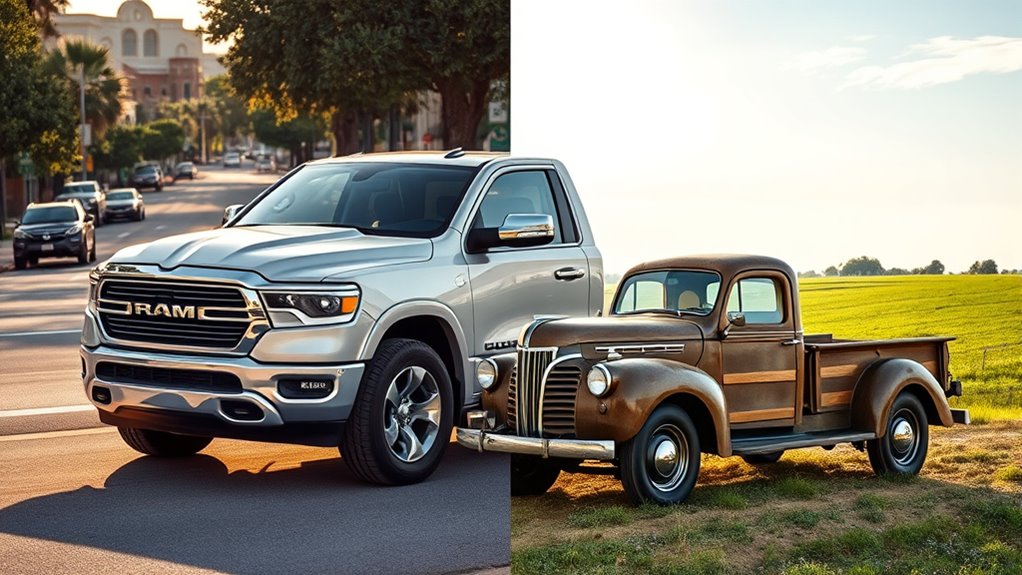
Ever wondered how pickup trucks have become essential tools in urban and suburban life? Today, you see them everywhere—parked outside homes, hauling furniture, or used for weekend adventures. They’ve evolved from rugged workhorses into versatile vehicles that fit seamlessly into daily routines. In neighborhoods, pickups serve as reliable transport for DIY projects, gardening, or moving large items. Their spacious beds and towing capacity make them ideal for errands that involve bulky loads. Modern pickups also offer comfort, technology, and safety features, making them suitable for family outings or commuting. Their adaptability appeals to a broad range of drivers, blending utility with style. As a result, pickups have shifted from purely utilitarian vehicles to integral parts of urban and suburban lifestyles.
Future Trends and Continuing Evolution
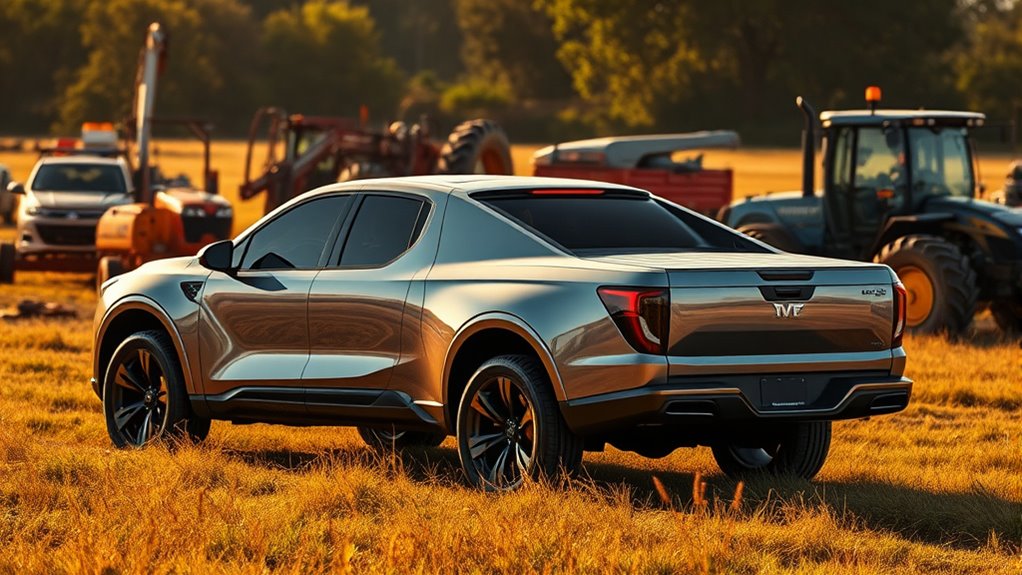
As you look ahead, electric powertrains are set to transform pickup trucks by offering cleaner, more efficient performance. Autonomous driving features will enhance safety and convenience, changing how you use these vehicles daily. Additionally, advancements in sustainable materials will help reduce environmental impact while maintaining durability and strength.
Electric Powertrain Integration
Electric powertrain integration is transforming pickup trucks by offering cleaner, more efficient alternatives to traditional internal combustion engines. You’ll see advancements like:
- Enhanced Range: New batteries extend driving distances, making electric pickups practical for daily use and work tasks.
- Fast Charging: Rapid charging stations reduce downtime, allowing quick top-ups during breaks or overnight.
- Improved Performance: Instant torque delivers impressive acceleration and towing power comparable to or surpassing gas-powered models.
- Integrated Technology: Smart systems optimize energy use, monitor battery health, and provide seamless connectivity, enhancing driver experience.
As electric pickups become more common, manufacturers focus on balancing power, range, and affordability, reshaping the future of pickup truck ownership and utility.
Autonomous Driving Technologies
Autonomous driving technologies are poised to revolutionize pickup trucks by enhancing safety, efficiency, and convenience. You’ll benefit from advanced driver-assistance systems that reduce human error, like adaptive cruise control, lane-keeping assist, and automatic emergency braking. These features make long hauls and city drives safer and less stressful. As technology advances, expect pickups to incorporate more sensors, cameras, and AI-driven decision-making, enabling semi- or fully autonomous driving modes. This evolution will transform your truck into a smarter vehicle that can handle complex environments with minimal input. While full autonomy is still developing, the integration of autonomous features will soon become standard, improving your driving experience and expanding the utility of pickup trucks for work, leisure, and everyday use.
Sustainability and Material Use
The future of pickup trucks will increasingly focus on sustainability by incorporating eco-friendly materials and advanced manufacturing techniques. You’ll see innovations like:
- Use of recycled metals, plastics, and bio-based composites to reduce environmental impact.
- Adoption of lightweight materials such as aluminum and carbon fiber to improve fuel efficiency and handling.
- Integration of sustainable manufacturing processes that lower carbon emissions and waste.
- Development of eco-friendly coatings and paints that minimize volatile organic compounds (VOCs).
These trends aim to lessen the automotive footprint while maintaining durability and performance. Manufacturers are also exploring biodegradable interior components and renewable energy sources for production. By prioritizing sustainability, you’ll drive a vehicle aligned with future environmental standards and responsible consumption.
Frequently Asked Questions
When Did Pickup Trucks Become Popular as Personal Vehicles Rather Than Work Tools?
Pickup trucks became popular as personal vehicles starting in the post-World War II era, around the late 1940s and 1950s. You notice this shift as manufacturers began designing trucks with more style, comfort, and passenger features, moving beyond purely utilitarian purposes. The introduction of extended and crew cab models, along with luxury options, made pickups appealing for everyday use in urban and suburban settings.
How Did Pickup Truck Safety Standards Evolve Over the Decades?
You’ve seen how pickup safety standards improved over time. In the 1920s, safety features were minimal, mainly focusing on sturdy construction. By the 1970s and 1980s, automakers added seat belts, better brakes, and safety glass. Today, you benefit from advanced driver-assistance systems, airbags, and crash-test standards that make pickups safer for everyone. Continuous innovation guarantees your truck offers better protection and peace of mind during every drive.
What Role Do Pickup Trucks Play in American Cultural Identity Today?
Today, pickup trucks are symbols of American ruggedness, independence, and versatility. You see them as more than workhorses—they reflect your lifestyle, blending utility with comfort and style. Whether for family, leisure, or work, you rely on their strength and advanced features. They embody the American spirit of resilience, adaptability, and freedom, making them a central part of your identity and daily life, both on and off the road.
How Are Electric Pickups Challenging Traditional Internal Combustion Models?
Electric pickups challenge traditional internal combustion models by offering instant torque, lower emissions, and reduced fuel costs. You’ll find them delivering comparable or better towing and hauling capabilities, with quieter operation and advanced tech features. These trucks appeal to eco-conscious drivers seeking performance and sustainability, transforming your driving experience. As charging infrastructure improves, electric pickups become more practical, pushing the industry toward a cleaner, more innovative future for work and leisure.
What Innovations Are Expected to Shape Future Pickup Truck Designs?
The future of pickup trucks is shaping up to be a game-changer. You can expect more electrification, with battery tech boosting range and power, plus advanced driver-assist systems making driving safer and easier. Innovations in lightweight materials will improve fuel efficiency, and autonomous driving could turn pickups into smart, connected workhorses. These changes are set to keep pickups at the forefront, proving that the best is yet to come.
Conclusion
Just like a sturdy tree that grows stronger with each passing year, pickup trucks have evolved from simple farm tools to versatile symbols of progress. They’ve adapted to your changing needs, blending power with innovation. As you see the latest electric models rolling into neighborhoods, remember: this journey isn’t finished. The pickup’s story continues to unfold, driven by your choices and the drive to shape a sustainable, dynamic future—one mile at a time.