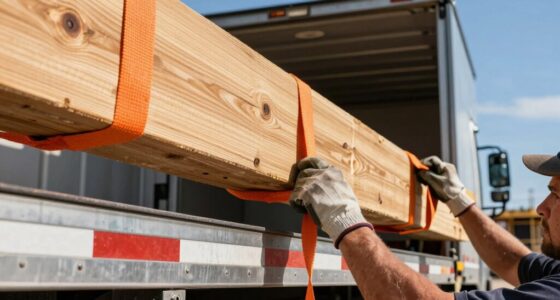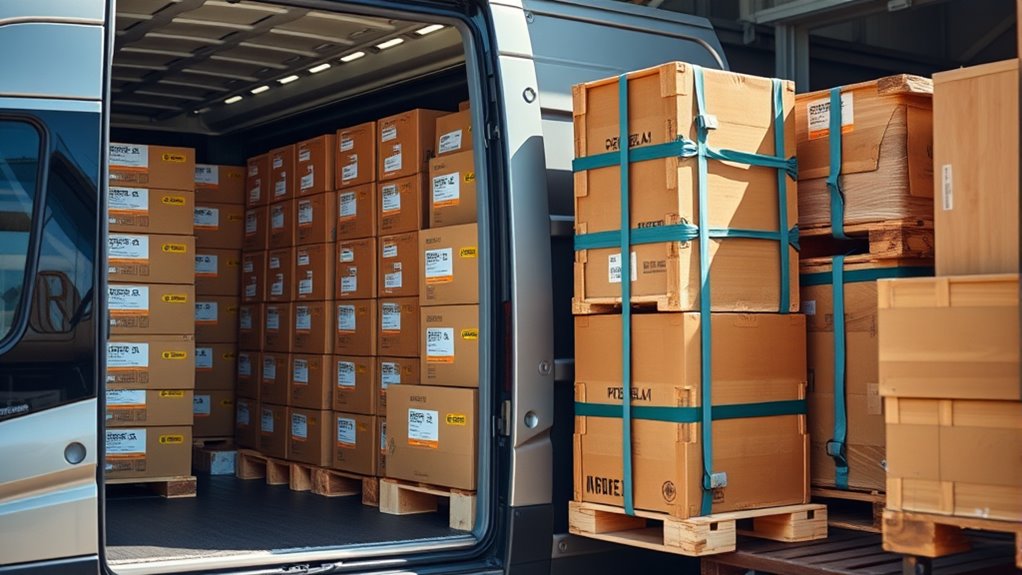

When you turn, centrifugal force pushes your load outward, causing it to shift if not properly secured or balanced. Uneven weight distribution and rough road surfaces also make cargo more likely to move or slide. To stop this, guarantee your load is centered, tightly restrained, and secured with friction mats or dunnage. Understanding how weight transfer works and the best securing methods helps keep everything stable—discover how to prevent load shifts for good.
Key Takeaways
- Lateral load transfer during turns causes weight to shift outward, risking cargo displacement if not properly secured.
- Uneven cargo distribution and high center of gravity increase instability and load movement in corners.
- Road surface irregularities and cambered roads amplify load shifts by tilting or swaying the vehicle.
- Inadequate restraints and lack of friction mats allow cargo to slide or topple during sharp or fast turns.
- Proper weight distribution, secure restraints, and adjusting driving techniques prevent load shifting in corners.

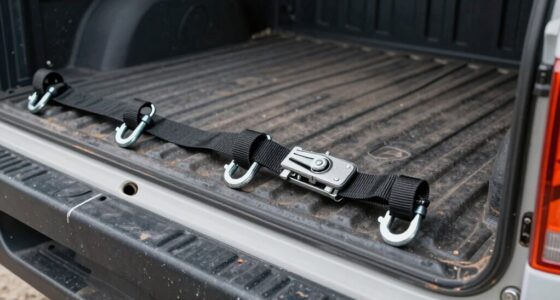
FORTEM Ratchet Straps – Tie Down Strap Set, 4 Pack, 1650lb Break Strength
- Complete Ratchet Strap Kit: Includes 4 straps, buckles, loops, hooks, and pouch
- Secure Tie-Downs: Heavy-duty S-hooks and soft loops for stability
- Ergonomic Handles: Rubber grip handles for easy ratcheting
As an affiliate, we earn on qualifying purchases.
As an affiliate, we earn on qualifying purchases.
Understanding the Physics of Cornering and Load Transfer

Understanding the physics of cornering and load transfer is essential for maintaining vehicle stability during turns. When you turn, centrifugal force pushes your vehicle outward, causing weight to shift to the outside tires. This lateral load transfer depends on factors like your vehicle’s center of gravity height, mass, lateral acceleration, and track width. As you corner, your vehicle’s weight moves away from the inside tires, increasing grip on the outside tires while reducing inside tire traction. Especially, the total load transfer stays constant, but how it’s distributed between front and rear axles changes. Vertical loads also become uneven, with more weight pressing down on the outside shoulder of each tire. Recognizing these dynamics helps you adapt your driving and loading practices to prevent load shifts. Being aware of vehicle balance can further improve your handling and safety during cornering.

PIC AUTO Heavy Duty Cargo Liner, Trimmable All-Weather Rubber Trunk Mat for Cars, SUVs, Vans & Trucks, Anti-Slip Backing, Durable Protection, Large, Black
- Large Size: 54.7” x 44” for most vehicles
- High Durability: Made from premium thick rubber
- Trimmable Edges: Easily customize for a perfect fit
As an affiliate, we earn on qualifying purchases.
As an affiliate, we earn on qualifying purchases.
Common Causes of Load Shifts During Turns

Load shifts during turns often happen because of uneven cargo distribution, which causes instability and uneven weight transfer. Inadequate restraint methods allow cargo to move sideways, especially during sharp or fast turns. Additionally, road and corner dynamics, like sloped surfaces or bumpy terrain, can trigger load shifts even when loads are properly secured. Proper cargo stabilization techniques are essential to prevent these issues and maintain safety during driving.
Uneven Cargo Distribution
Uneven cargo distribution is a primary cause of load shifts during turns because it creates an imbalance in how weight is supported across the vehicle. When cargo is unevenly placed, it can cause instability and unexpected movement, especially during sharp turns. You might notice sudden shifts that threaten control or cause the load to slip. A well-designed and energy-efficient cloud infrastructure can help manage and monitor cargo loads more effectively. Here’s what can make this worse:
- Placing heavy items far from the vehicle’s center increases leverage, risking dangerous shifts.
- Overloading one side causes uneven weight transfer, destabilizing your vehicle.
- Not balancing cargo evenly across the deck puts more stress on one side, making it prone to shifting during cornering.
Properly distributing cargo from side to side and front to back is essential to maintaining stability during turns.
Inadequate Restraint Methods
Inadequate restraint methods are a leading cause of load shifts during turns because improperly secured cargo can move freely when the vehicle changes direction. If your straps, chains, or blocks aren’t strong enough or aren’t correctly applied, cargo can slide or topple, especially during sharp turns or sudden maneuvers. Using loose or worn restraints increases the risk, allowing loads to shift laterally or vertically. Even small movements can affect vehicle stability and control. Proper restraint systems, like high-quality straps and chains, must be tightened correctly and positioned to hold loads firmly in place. Filling voids with dunnage or using anti-slip mats also helps prevent sliding. Regularly inspecting and maintaining your restraints guarantees they perform effectively, keeping your cargo secure during every turn. Additionally, understanding load distribution and how weight is spread across the vehicle can significantly reduce the likelihood of shifts during movement.
Road and Corner Dynamics
Road and corner dynamics play a significant role in causing load shifts during vehicle turns. When you navigate a turn, centrifugal force pushes your vehicle’s mass outward, causing weight to transfer to the outside tires. This shift can destabilize your load if not properly managed. Properly balanced loads and understanding the mechanics behind caffeine content can help mitigate unexpected weight transfers. Consider these common causes: 1. High lateral acceleration in fast corners dramatically increases lateral load transfer, risking cargo displacement. 2. Uneven road surfaces or cambered roads create unpredictable lateral forces, pushing loads sideways unexpectedly. 3. Abrupt steering or braking causes sudden weight shifts, making loads more likely to move or topple during turns. Understanding these dynamics allows you to anticipate and counteract load shifts, ensuring safer, more stable turns.
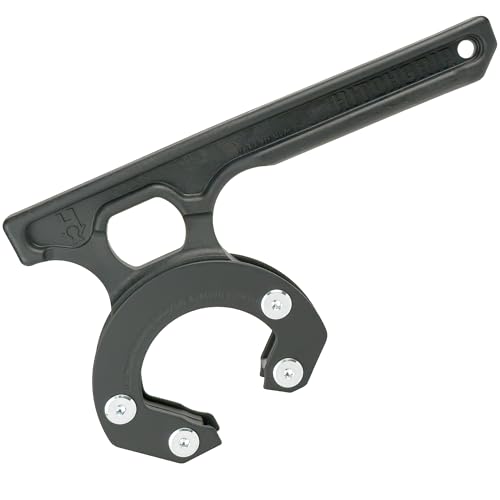
HitchGrip Quick Connect Hitch Coupling Tool for RV and Travel Trailer Weight Distribution Hitch Ball Mounts, Fits 2-5/16" Balls, Black (Black)
- Universal Compatibility: Fits most 2-5/16 inch hitch balls
- Durable Materials: Constructed from nylon, steel, and tungsten carbide
- Ergonomic Design: Reduces strain for safe, quick hitching
As an affiliate, we earn on qualifying purchases.
As an affiliate, we earn on qualifying purchases.
The Impact of Vehicle and Cargo Weight Distribution
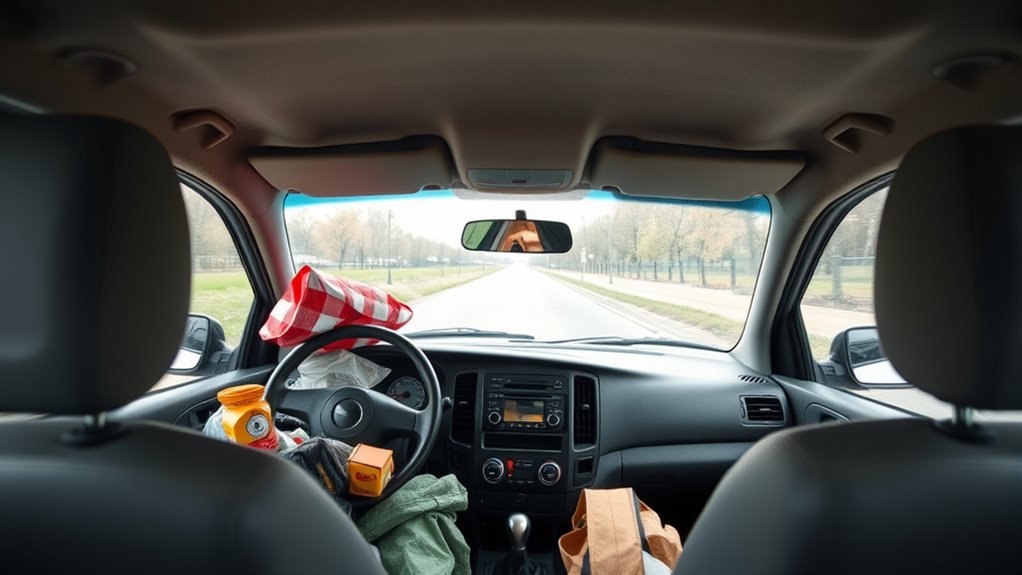
Vehicle and cargo weight distribution directly influence how loads shift during cornering, affecting vehicle stability and control. If weight is unevenly spread, it creates imbalance, making your vehicle more prone to tipping or losing traction. Placing heavy items far from the center of gravity increases lateral load transfer, especially during turns. An uneven static weight distribution causes different wheels to bear unequal loads, leading to unpredictable load shifts. Properly balanced cargo keeps the vehicle’s weight centered, reducing lateral movement. Lowering the load’s center of gravity improves stability, while evenly distributing weight across axles minimizes uneven pressure during cornering. When cargo is uneven or poorly loaded, the vehicle responds erratically, increasing the risk of skidding or rollover. Ensuring balanced weight distribution is key to maintaining control in all driving conditions. Proper load placement is essential for optimizing vehicle handling and safety.

SmittyBiltC-RES2 HD Cargo Restraint System – 2″ Black Diamond Web (18+ JLU) – SB587135
As an affiliate, we earn on qualifying purchases.
As an affiliate, we earn on qualifying purchases.
The Role of Cargo Restraint Systems in Maintaining Stability
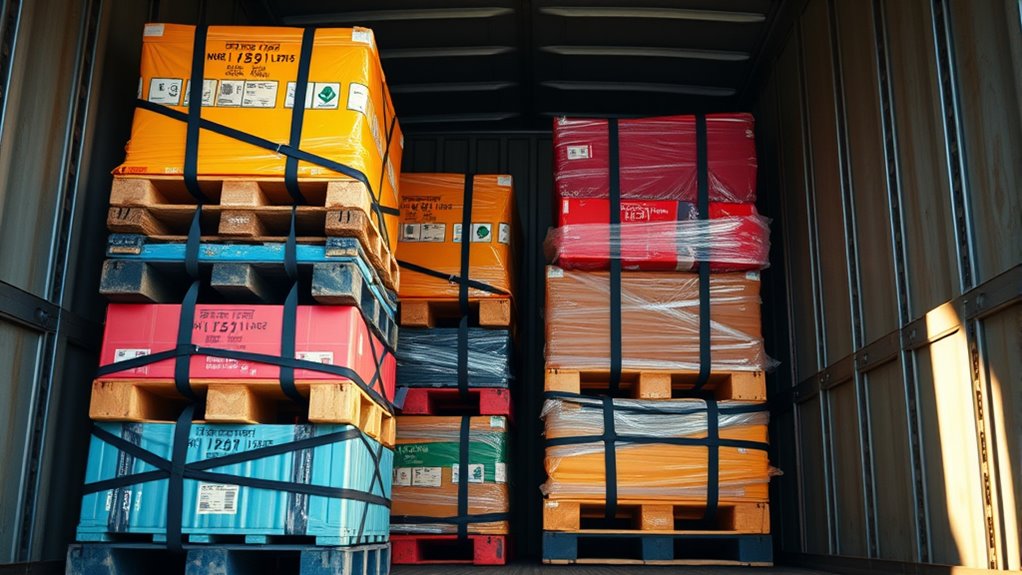
Cargo restraint systems play a essential role in maintaining stability during cornering by preventing loads from shifting unexpectedly. Proper restraints keep your cargo secure, reducing the risk of sudden movement that can cause loss of control. When you use strong straps, chains, or blocks correctly, you ensure the load stays in place no matter how sharp the turn. Additionally, dunnage bags fill voids, preventing sideways slides, while friction mats increase grip and absorb shocks. These systems work together to stabilize your cargo, so you maintain better control and safety.
Cargo restraint systems ensure stability and safety during cornering by preventing load shifts and enhancing vehicle control.
Here are 3 ways cargo restraint systems protect your load and vehicle:
- Prevent sudden shifts that cause accidents.
- Reduce the risk of cargo dislodging during bumpy rides.
- Enhance overall vehicle stability during cornering.
How Road Conditions Influence Load Movement
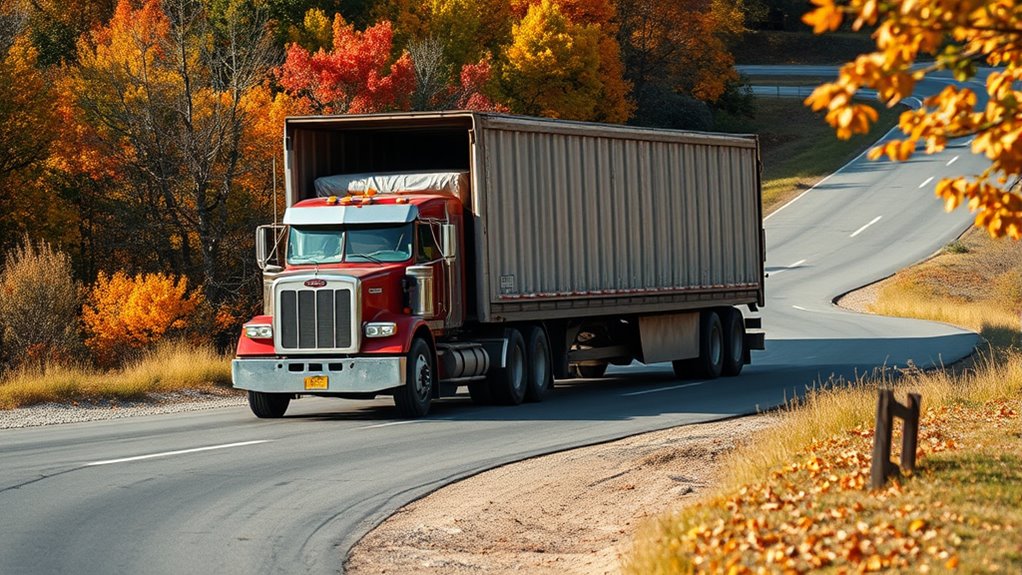
Your vehicle’s load can shift unexpectedly when you drive over potholes, dips, or uneven surfaces. Cambered and sloped roads also cause lateral movement, especially during turns. These road conditions increase the risk of cargo displacement if loads aren’t properly secured or balanced. Understanding load stability principles can help you mitigate these effects and keep your cargo secure.
Potholes and Dips
Potholes and dips in the road can considerably influence load movement during transit by causing sudden vertical shifts. These irregularities jolt your vehicle, unsettling the cargo and increasing the risk of shifting. When your vehicle hits a dip, the load can lift or settle abruptly, especially if it’s poorly secured. This instability can lead to dangerous side-to-side shifts during cornering. Being aware of road conditions helps you anticipate and react, maintaining load stability and vehicle control. Additionally, understanding curiosity about road surfaces can motivate proactive measures to prevent load shifts.
Uneven Road Surfaces
Uneven road surfaces such as bumps, dips, and ruts considerably influence how loads shift during transit. As your vehicle encounters these irregularities, the suspension compresses and rebounds unexpectedly, causing sudden movements of cargo. These jolts can break restraints, especially if they’re not properly secured, leading to lateral or vertical shifts. When driving over rough terrain, the force exerted on your load increases unpredictably, making it harder to maintain stability. Additionally, dips and ruts can cause your vehicle to tilt or sway, amplifying load movement. Without adequate securing methods, these surface imperfections raise the risk of cargo shifting, which can compromise vehicle control and safety. Recognizing and adjusting for uneven road conditions helps prevent unexpected load shifts during cornering and transit. Understanding vehicle dynamics can further aid in anticipating how loads respond to different road surfaces and improve safety measures.
Cambered and Sloped Roads
Cambered and sloped roads directly impact how loads shift during vehicle operation by creating sideways forces that alter weight distribution. As your vehicle navigates these surfaces, gravity pulls the cargo unevenly, increasing the risk of movement. You might feel your load sway or slide unexpectedly, especially during turns. To prevent this:
- Secure cargo tightly with proper restraints, accounting for the slope’s effect.
- Use friction mats and dunnage to increase grip and stabilize loads.
- Adjust driving techniques, slowing down and taking wider turns on sloped terrain.
Ignoring these factors can lead to dangerous load shifts, risking cargo damage, vehicle instability, and accidents. Staying vigilant and prepared keeps your load secure, no matter the road’s tilt.
Differences Between Slow and Fast Corner Dynamics

Understanding the differences between slow and fast corner dynamics is essential for safe vehicle handling. In slow corners, you typically brake beforehand, causing significant weight transfer to the front tires. This increases grip at the front and can lead to understeer if not managed properly. Fast corners, on the other hand, generate higher lateral forces, causing more lateral weight transfer to the outside tires. This can make the vehicle prone to oversteer or understeer if your steering inputs aren’t smooth. Fast corners require more precise control, as abrupt movements can upset balance. While slow corners focus on managing weight transfer through braking, fast corners demand a balance of lateral forces and steering finesse. Understanding these differences helps you anticipate how loads and vehicle behavior change during each type of turn.
Environmental Factors That Exacerbate Load Shifting
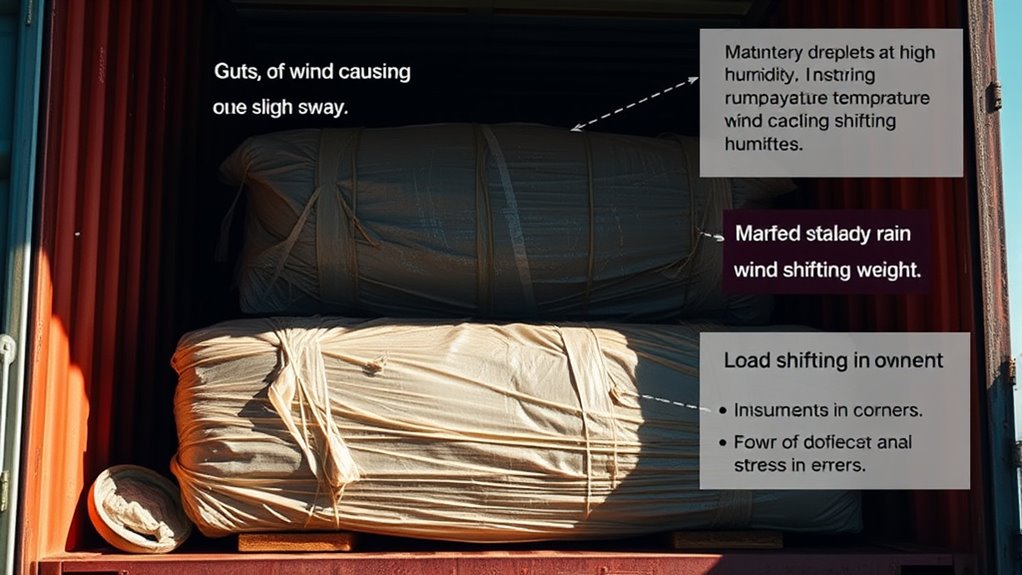
Environmental factors such as road conditions and terrain play a significant role in exacerbating load shifting during transit. When you drive on cambered or sloped roads, your cargo can slide or tilt unexpectedly. Bumpy, uneven surfaces with dips and rises cause vertical shifts that challenge restraint systems. Sharp turns and sudden stops on unpredictable roads increase sideways movement, risking dislodged cargo or loss of control. These conditions amplify the effects of poor weight distribution and inadequate securing methods. Additionally, properly balanced loads can help mitigate the impact of these environmental challenges.
Strategies to Minimize Lateral Load Transfer
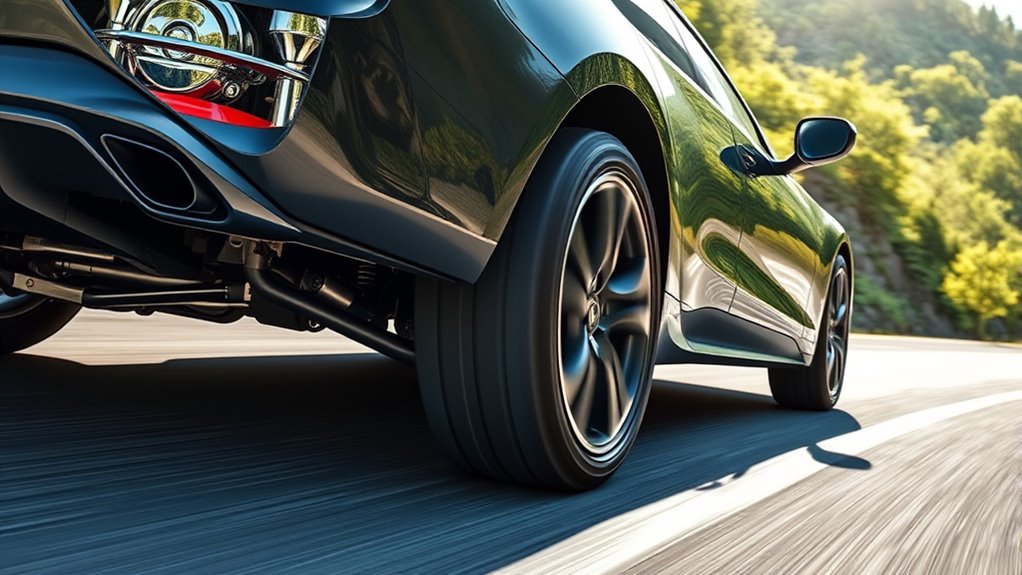
To minimize lateral load transfer, you need to focus on proper weight distribution across your vehicle. Securing cargo effectively is essential to prevent shifting during turns. When both are handled properly, you’ll improve stability and reduce the risk of load-related issues in corners.
Proper Weight Distribution
Proper weight distribution is essential for minimizing lateral load transfer during cornering. When your load is uneven, it creates instability and increases the risk of shifting, especially in turns. To keep your cargo stable and your vehicle balanced, focus on these strategies:
- Center the load: Place heavy items close to the vehicle’s center to lower the center of gravity and reduce sway.
- Distribute weight evenly: Ensure cargo is split equally between the left and right sides to prevent uneven load transfer.
- Secure loads tightly: Use strong restraints, straps, and friction mats to lock cargo in place, so it doesn’t move during sharp turns.
Implementing these practices can make your driving safer, more controlled, and free from the worry of load shifts.
Secure Cargo Effectively
Securing cargo effectively is essential for preventing lateral load transfer during turns. Use high-quality straps, chains, and blocks to hold loads tightly in place. Apply restraints correctly, ensuring they are tight enough to prevent movement without damaging the cargo. Fill voids with dunnage bags or foam to stabilize shifting loads. Place anti-slip mats between cargo and the vehicle floor to increase grip and reduce sliding. Regularly check restraints during transit, especially after bumps or sharp turns. Use friction mats to absorb vibrations and prevent cargo from moving unexpectedly. Properly secured cargo minimizes lateral shifts caused by cornering forces, maintaining vehicle stability. Remember, the better your restraints, the less your load will shift, keeping both your cargo and vehicle safe during every turn.
Best Practices for Securing Loads Before Transit
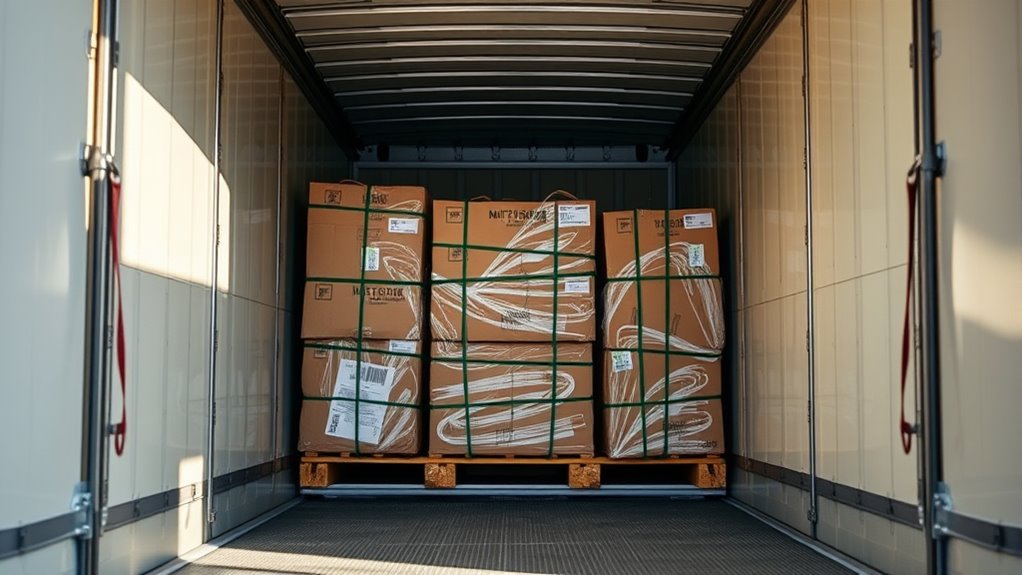
Ensuring that loads are properly secured before transit is essential for maintaining vehicle stability and safety during cornering. Properly secured cargo prevents shifting that can lead to loss of control, accidents, or damage. Here are the best practices to keep your load in place:
- Use high-quality restraints like straps, chains, and blocks, and apply them correctly to hold the load firmly.
- Fill voids with dunnage bags or friction mats, increasing grip and preventing lateral movement.
- Distribute weight evenly across the vehicle to minimize uneven load transfer during turns.
Tips for Safe Maneuvering in Challenging Conditions
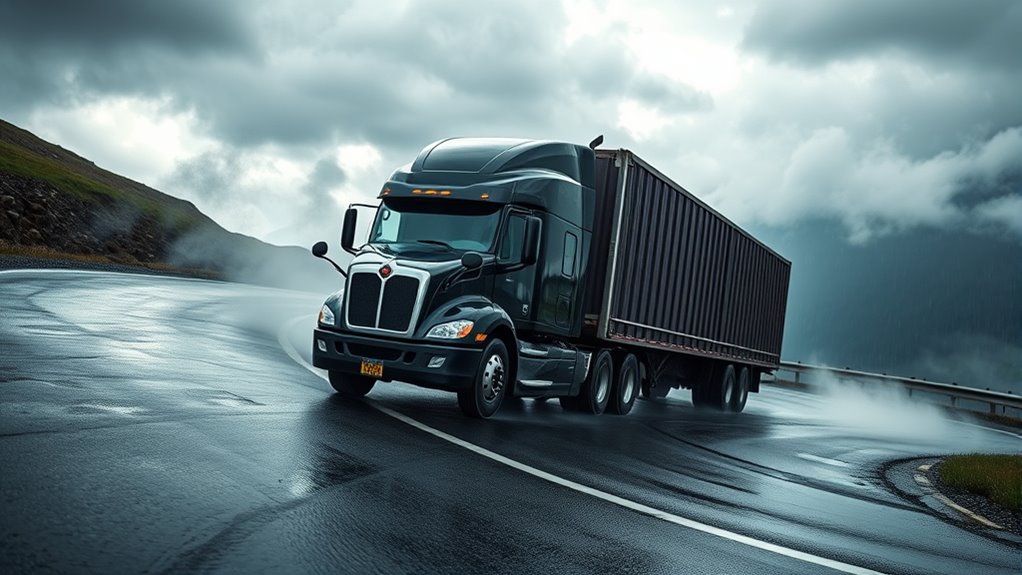
When maneuvering through challenging conditions like narrow roads, uneven surfaces, or sudden weather changes, maintaining control requires extra caution and skill. Slow down to give yourself more reaction time and better control. Make wider turns to reduce lateral forces and avoid abrupt steering, braking, or acceleration, which can upset vehicle balance. Keep your load properly secured and evenly distributed to prevent shifts during sudden maneuvers. Pay attention to road surfaces—cambered or uneven roads increase load transfer risks. Use caution on slippery or wet conditions, as they decrease tire grip. Stay alert for obstacles, dips, or bumps that can cause load movement. By adjusting your driving style and being mindful of these factors, you’ll improve safety and reduce the chances of load shifts during tough conditions.
Frequently Asked Questions
How Does Suspension Stiffness Affect Load Transfer During Cornering?
Suspension stiffness doesn’t change the total load transfer during cornering, but it affects how that load is distributed between the front and rear axles. If your suspension is stiff, it limits body roll, making weight transfer more abrupt and uneven. This can cause instability, especially around sharp corners. Softer suspension allows better body movement, helping distribute loads more evenly and improving vehicle control during turns.
Can Uneven Terrain Cause Cargo to Shift Even With Proper Restraints?
Imagine a boat gently rocking on uneven waves; even with sturdy anchors, the cargo can shift. Similarly, rough terrain can cause your cargo to move despite proper restraints. Bumps, dips, and slopes create sudden jolts that challenge securing systems. To prevent this, use high-quality restraints, fill voids with dunnage, and choose routes with smoother surfaces. Properly prepared cargo stays put, even when the road gets bumpy.
What Are Signs That Cargo Is Moving During Transit?
You’ll notice cargo moving if you see shifting or sliding on the deck, hear unusual noises like rattling or clunking, or feel the vehicle handling differently—such as increased sway or instability. During stops or turns, observe if items have shifted position or if restraints appear loose. These signs indicate your cargo isn’t secure enough, and you need to recheck restraints or redistribute the weight to maintain safety during transit.
How Does Cargo Shape Impact Stability During Turns?
Your cargo shape impacts stability during turns because irregular or unevenly shaped loads can shift more easily, causing imbalance. Narrow or elongated items tend to slide or tip when the vehicle corners, especially if not secured properly. Smooth, compact, and evenly distributed cargo helps maintain center of gravity and reduces lateral movement. Always arrange your cargo to maximize stability, using proper restraints to prevent shifting caused by shape and movement during sharp or fast turns.
Are There Specific Vehicle Types More Prone to Load Shifting?
You’ll find that high-center-of-gravity vehicles like trucks, buses, and SUVs are more prone to load shifting during turns. Their taller profiles cause greater lateral load transfer, increasing instability. Narrow track widths and longer wheelbases also make them more susceptible. To improve stability, you should evenly distribute cargo, secure loads properly, and drive cautiously around corners. Being aware of your vehicle’s design helps you anticipate and prevent dangerous load shifts.
Conclusion
By understanding how loads shift in corners and taking proactive steps, you prevent chaos in your vehicle’s stability. Think of your cargo as the steady heartbeat of your journey—if it’s unrestrained, everything risks falling apart. Mastering proper load securing and driving techniques isn’t just about safety; it’s about keeping your momentum steady through every twist and turn. After all, control isn’t just in your hands—it’s in the way you manage what you carry.